
What Are The Most Essential Household Tools
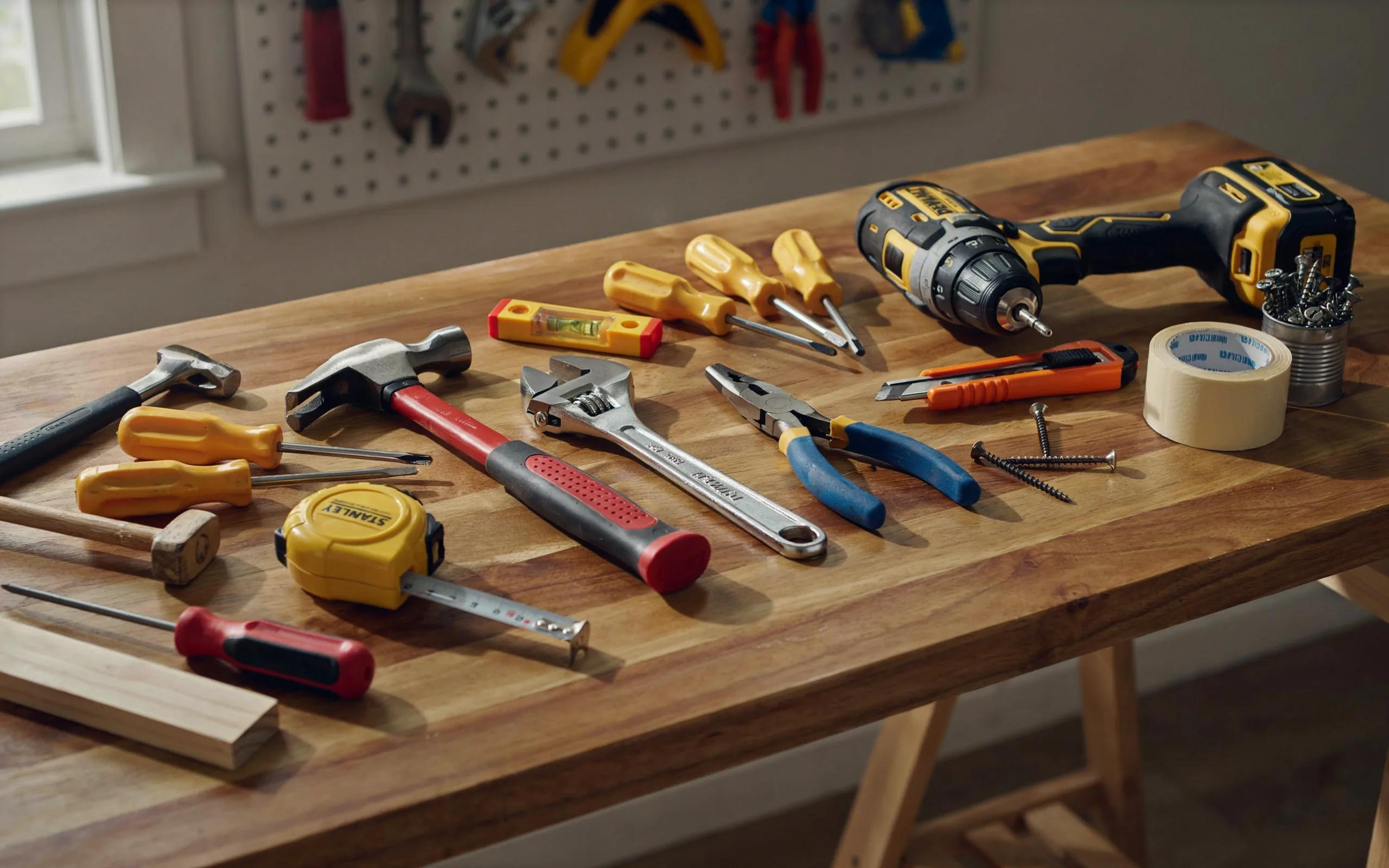
If you have ever asked yourself what are the most essential household tools, this guide gives you a clear answer. Learn which basic tools every home needs for repairs, maintenance, and everyday projects.
Moving into a new home or apartment brings a lot of excitement. You pick out furniture, decide on paint colors, and imagine how everything will look. But there is one thing many people forget until something goes wrong. A picture needs hanging. A cabinet door comes loose. A shelf needs assembly. That is when you realize you do not have the right tools.
I remember my first apartment very clearly. I bought a beautiful bookshelf from a popular furniture store. When I opened the box, I found a bag of screws, a small Allen wrench, and a pile of wooden boards. That tiny wrench was all I had. It took me almost three hours to finish that bookshelf. My hands hurt, and I kept wishing I had a proper screwdriver. That experience taught me a valuable lesson. Every home needs a basic set of tools.
Knowing what are the most essential household tools saves you time, money, and frustration. You do not need a garage full of expensive equipment. You just need a few reliable items that can handle most common tasks. This guide will walk you through each tool, explain why you need it, and help you build a toolkit that works for your home.
Why Every Home Needs a Basic Toolkit
Life happens. Things break. Screws get loose. Walls need holes for hanging frames. These small problems are part of owning or renting a home. Having the right tools nearby means you can fix these issues right away. You do not have to wait for a friend to come over or call a professional for every tiny repair.
Shivani Vyas, an interior designer, puts it this way: “It’s critical to have a well-organized toolkit early on because it empowers you in so many ways.” When you have tools, you feel more confident about your space. You can personalize your home, hang artwork where you want it, and assemble furniture without stress.
Another benefit is saving money. Calling a handyman for a loose doorknob or a crooked picture frame can cost you fifty dollars or more. With a basic toolkit, you fix these things yourself in five minutes. Celena Evans, an associate broker, explains: “Having a toolkit essentially gives you the resources to complete DIY projects, personalize your space in creative ways, and problem-solve.”
So what are the most essential household tools? Let us break them down into categories so you can see exactly what you need.
The Core Hand Tools Every Home Must Have
These are the tools you will reach for again and again. They form the foundation of any good toolkit. If you buy nothing else, start with these.
The 8 Must-Have Hand Tools for Every Home
| Tool | Primary Use | Why You Need It |
|---|---|---|
| Claw Hammer | Driving and pulling nails | Hanging pictures, assembling furniture, minor demolition |
| Screwdriver Set | Tightening and loosening screws | Cabinet hardware, door handles, electronics, outlet covers |
| Adjustable Wrench | Turning nuts and bolts of various sizes | Plumbing repairs, bike adjustments, furniture assembly |
| Tape Measure | Measuring length and distance | Furniture placement, curtain installation, project planning |
| Pliers | Gripping, bending, and cutting | Pulling tacks, twisting wires, reaching into tight spaces |
| Utility Knife | Cutting and trimming | Opening boxes, cutting materials, craft projects |
| Level | Checking straightness | Hanging frames, installing shelves, aligning fixtures |
| Flashlight | Providing light in dark areas | Power outages, under-sink repairs, attic and basement work |
The Claw Hammer
A hammer is one of the first tools anyone thinks about. It is simple, reliable, and useful for so many tasks. You use it to drive nails into walls for hanging pictures. You use it to pull nails out when you make a mistake. You even use it for light demolition work when you need to remove old trim or break apart small items.
Experts suggest buying a medium-weight claw hammer with a curved claw on one end. The curved claw helps you remove nails more easily than a straight claw version . Look for one with a comfortable grip so your hand does not tire out during longer projects. A hammer that feels balanced in your hand makes every job easier.
Johana Williams, a property manager, shares her thoughts: “When you are moving into a new home, one of the biggest jobs is to make it yours. So that means hanging a variety of picture frames, knickknacks and other decorative pieces. A decent hammer will come in handy for these situations.”
Screwdrivers
Screws are everywhere in a modern home. Cabinet hinges, door handles, outlet covers, electronics, and furniture all use screws. That is why a good screwdriver set is so important.
You need two basic types. A flathead screwdriver works with screws that have a straight slot. A Phillips-head screwdriver fits screws with a cross-shaped indentation. Having both types in multiple sizes prepares you for almost any screw you encounter .
If you want to save space, consider a multi-bit screwdriver. This tool stores different tips inside its handle. You simply swap out the tip as needed. It is a great option for small apartments or anyone who wants to keep their toolkit compact .
Adjustable Wrench
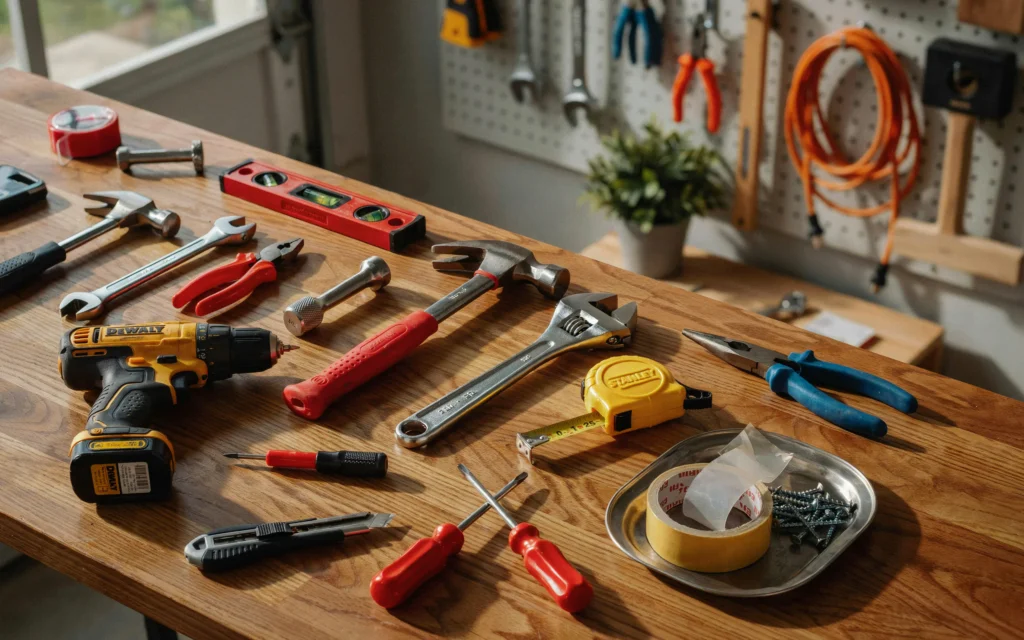
Nuts and bolts come in many different sizes. You could buy a whole set of wrenches, but that takes up a lot of space and costs more money. An adjustable wrench solves this problem. You turn a dial to change the jaw size, and it fits almost any nut or bolt you encounter.
This tool is especially useful for plumbing tasks. Faucets, pipes, and fittings often need tightening or loosening. An adjustable wrench gives you the flexibility to handle these jobs without owning multiple tools . Ron Shimek, president of Mr. Handyman, notes that a wrench is important because you never know when you may need to tighten or loosen nuts or bolts.
Tape Measure
Guessing measurements rarely works out well. You might think a couch will fit through the door, only to discover it does not. You might hang a curtain rod too high or too low. A tape measure prevents these mistakes.
Look for a tape measure that extends at least 25 feet. It should have a locking mechanism to hold the tape steady while you measure . A sturdy, easy-to-read tape measure helps with furniture placement, shelving projects, curtain installation, and appliance planning .
Pliers
Pliers give you a strong grip on objects that are too small or too awkward for your fingers. You use them to pull tacks, bend wires, twist nuts, and hold things steady while you work.
Needle-nose pliers are especially useful because they reach into tight spaces. Slip-joint pliers work well for gripping larger objects. Having both types gives you more flexibility . Williams suggests a pair of pliers for manipulating nuts and bolts, gripping tacks and staples, and putting together furniture pieces.
Utility Knife
You will use a utility knife more often than you expect. It cuts through cardboard boxes, trims materials, opens packaging, and handles craft projects. Choose one with a retractable blade and a secure locking feature for safety .
A sharp blade makes cutting easier and safer. Dull blades slip and cause accidents. Keep extra blades on hand so you can replace them when needed.
Level
Nothing looks worse than a crooked picture frame or a tilted shelf. A level helps you avoid this problem. You place it on the surface you are checking, and the bubble inside tells you if things are straight.
A small torpedo level works well for most household tasks. It fits easily in your toolkit and gives you accurate readings every time. Laser levels are also available if you want something more advanced .
Flashlight
Dark corners and tight spaces are part of every home. A flashlight helps you see what you are doing when you work under sinks, in attics, or in basements. It also comes in handy during power outages.
Choose a rechargeable model so you never have to search for batteries. A bright LED flashlight with multiple modes gives you flexibility for different situations .
Power Tools That Make a Difference
Hand tools handle most basic tasks. But some jobs go much faster with a little power behind them. A cordless drill is the one power tool every home should have.
Cordless Drill
A cordless drill saves time and effort across many projects. It handles furniture assembly, curtain rod installation, and tightening screws with ease. Adjustable speed settings let you work carefully on different materials without damaging surfaces .
Cordless drills also accept different bits. You can drill holes, drive screws, and even mix paint with the right attachments. This versatility makes it one of the most valuable tools you can own .
When choosing a drill, look for one with a comfortable grip and a battery that lasts through your projects. A drill with multiple speed settings gives you more control.
Essential Supplies and Hardware
Tools alone are not enough. You also need supplies to complete your projects. Keep these items in your toolkit so you are always ready.
Screws, Nails, and Wall Anchors
Having extra screws and nails on hand saves you trips to the hardware store. Small as they may be, they are crucial for hanging items and repairing furniture . A pre-packaged assortment of hardware prepares you for any project .
Wall anchors are especially important for hanging heavy items on drywall. They provide extra support and prevent your decorations from falling.
Tape
Adhesive tape is ideal for quick fixes. Experts recommend having at least four types of tape handy: duct tape, painter’s tape, electrical tape, and plumber’s tape .
Duct tape works for temporary repairs on almost anything. Painter’s tape protects surfaces when you paint. Electrical tape insulates wire connections. Plumber’s tape seals pipe threads and prevents leaks.
Glue
A good multi-surface adhesive or wood glue is useful for minor repairs. You can fix broken furniture, reattach loose items, and bond different materials together .
Safety Gear
Protective gear matters as much as the tools themselves. Work gloves, safety glasses, and a simple dust mask prepare you for cleaning, repairs, and outdoor tasks .
Ron Shimek makes a strong point about safety: “Sorry doesn’t bring back an eye.” Wearing safety glasses takes just a second, but it protects you from flying debris, paint chips, and dust. Gloves protect your hands from sharp edges and splinters. A dust mask keeps you from breathing in harmful particles.
Do not skip safety gear. It is a small investment that prevents serious injuries.
Storage and Organization
Once you have collected your tools, you need a place to keep them. A toolbox or tool bag with multiple compartments helps you stay organized. Your tools stay visible and easy to find. They do not get lost or buried under other items .
Choose a toolbox that fits your space and your tool collection. A small tote works for apartments. A larger box with trays works for homeowners with more tools.
Additional Tools for Specific Tasks
| Task | Recommended Tool | Why It Helps |
|---|---|---|
| Furniture assembly | Hex key (Allen wrench) set | Many flat-pack furniture brands use hexagonal bolts |
| Electrical work | Voltage tester | Checks whether current is present before you work |
| Plumbing clogs | Plunger | Clears toilet and sink blockages quickly |
| Painting touch-ups | Small paint brush | Fixes damaged areas without repainting entire walls |
| Reaching high places | Step stool or small ladder | Provides safe access to high cabinets and ceilings |
Building Your Toolkit Over Time
You do not need to buy everything at once. Start with the core hand tools and add more as you need them. Each new tool expands what you can do around your home.
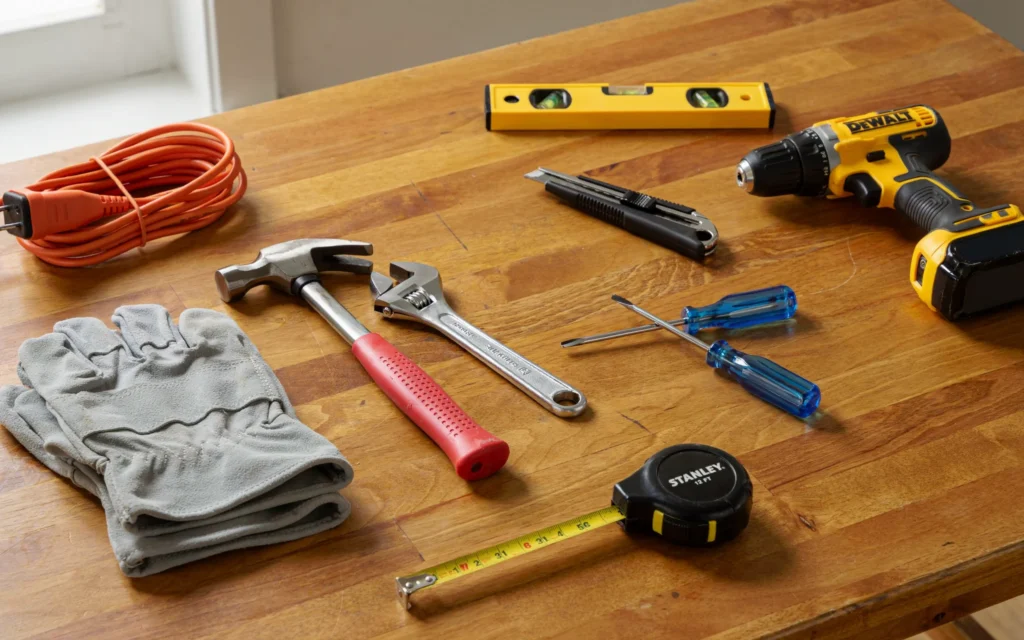
Here is a simple approach. Buy the hammer, screwdrivers, wrench, tape measure, pliers, utility knife, level, and flashlight first. These tools handle about 80 percent of common household tasks. Add a cordless drill when you can afford it. Then pick up supplies like screws, nails, tape, and glue.
As you complete more projects, you will discover which additional tools make sense for your home. Maybe you need a stud finder for hanging heavy items. Maybe you want a handsaw for cutting wood. Maybe a pipe wrench helps with plumbing work. Let your projects guide your purchases.
Common Questions About Household Tools
How much should I spend on basic tools?
You can build a quality basic toolkit for under one hundred dollars. Spend a little more on items you use often, like a hammer and screwdrivers. Cheap tools break easily and can cause frustration. Investing in durable, well-made tools gives you better performance and reduces the need for replacements .
Can I buy a pre-made tool kit instead of individual tools?
Pre-made tool kits are convenient and often cost less than buying tools separately. However, the quality can vary. Some kits include cheap tools that do not last. Check reviews before buying. Alternatively, buy individual tools from trusted brands. This approach costs a bit more but gives you better quality.
What tools do I need for an apartment?
Apartment dwellers need the same core tools as homeowners. Space is often the main concern. Choose compact options like a multi-bit screwdriver and a small toolbox. A step stool is especially useful in apartments for reaching high shelves and cabinets .
How do I know if a tool is good quality?
Look for tools with comfortable grips and solid construction. Read reviews from other users. Buy from reputable stores rather than unknown sellers . Trusted brands often cost more but last much longer. A good tool feels balanced in your hand and does its job without breaking.
Do I really need all these tools?
Not every home needs every tool on this list. But the core hand tools are useful for almost everyone. Start with the basics and add more as you need them. You will be surprised how often you reach for these simple tools.
Maintaining Your Tools
Taking care of your tools helps them last longer. Wipe them clean after each use. Store them in a dry place to prevent rust. Replace blades on utility knives when they get dull. Keep screwdrivers and wrenches organized so you can find them quickly.
A little maintenance goes a long way. Your tools stay in good condition, and you stay ready for any project.
Final Thoughts
Knowing what are the most essential household tools gives you confidence in your home. You stop worrying about small problems because you know you can fix them. You save money by handling repairs yourself. You enjoy your space more because you can personalize it exactly the way you want.
Start with the basics. A hammer, screwdrivers, an adjustable wrench, a tape measure, pliers, a utility knife, a level, and a flashlight. Add a cordless drill when you can. Keep safety gear and supplies on hand. Store everything in a toolbox.
Your home is your sanctuary. Having the right tools lets you take care of it with your own two hands. That feeling of fixing something yourself is hard to beat. So go ahead. Build your toolkit. Tackle that project you have been putting off. You have got this.
Frequently Asked Questions
What are the most essential household tools for a beginner?
For a beginner, start with a claw hammer, a set of screwdrivers (flathead and Phillips), an adjustable wrench, a tape measure, pliers, a utility knife, a level, and a flashlight. These eight tools handle most common household tasks like hanging pictures, assembling furniture, and minor repairs.
What is the most useful tool to have in the house?
Many experts say a screwdriver set is the most useful tool because screws are everywhere in modern homes. Cabinet hardware, door handles, outlet covers, and electronics all use screws. A multi-bit screwdriver saves space and gives you multiple tip options.
Do I need power tools for basic home maintenance?
A cordless drill is the one power tool worth buying for basic home maintenance. It speeds up furniture assembly, makes hanging items easier, and handles drilling tasks. You can manage without it, but it makes many jobs much faster.
How can I build a toolkit on a budget?
Buy tools one at a time. Start with the most essential items. Look for sales and discounts. Avoid very cheap tools because they break easily. A few good-quality tools are better than many poor-quality ones.
What safety equipment should I have with my tools?
Keep safety glasses, work gloves, and a dust mask in your toolkit. Safety glasses protect your eyes from flying debris. Gloves protect your hands from sharp edges and splinters. A dust mask keeps you from breathing in dust and particles during sanding or cleaning.
Conclusion
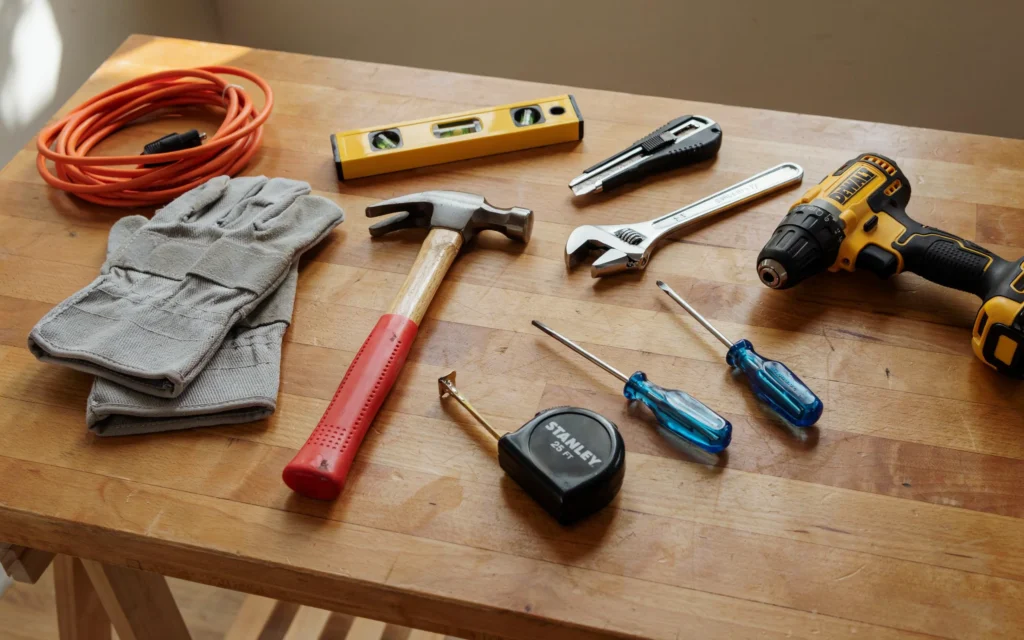
Building a toolkit is one of the smartest things you can do for your home. The most essential household tools are not expensive or complicated. They are simple, reliable items that help you handle everyday problems with ease.
Start with the core hand tools. Add a cordless drill when you can. Keep supplies and safety gear on hand. Store everything in a toolbox so you can find what you need quickly.
Your home will thank you. Your wallet will thank you. And you will feel a sense of pride every time you fix something yourself. So take that first step. Gather your tools. And enjoy the confidence that comes with being prepared.
Related posts
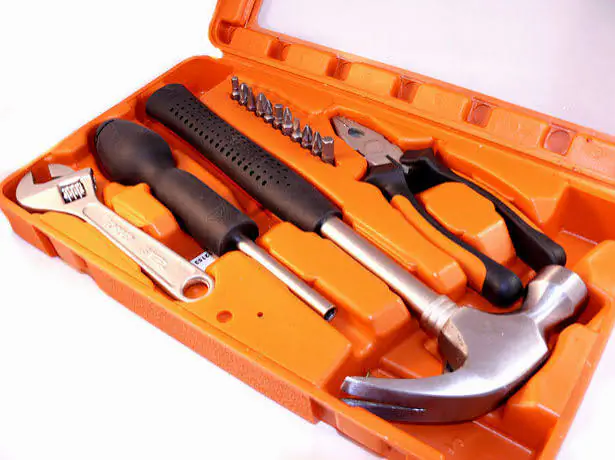 Which Tool Kit Is Worth Buying? How to Choose the Right Set for Your Home
Wondering which tool kit is worth buying? Compare basic household sets, mechanic kits, and power tool combos to find the best tools for your budget and…
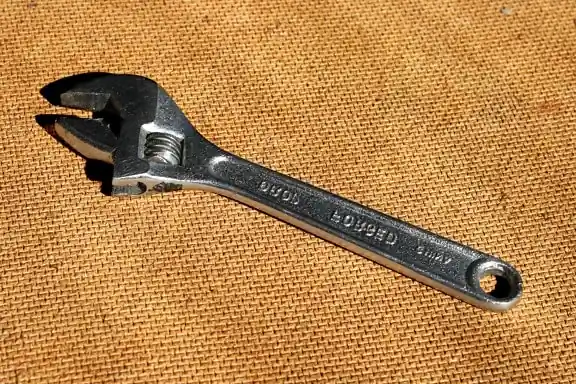 Which Hand Tools Are Made in the USA? Reliable Brands and Buying Rules
Discover which hand tools are still made in the USA. Compare top domestic brands, tool categories, and learn how to verify origin labels before buying. Several…
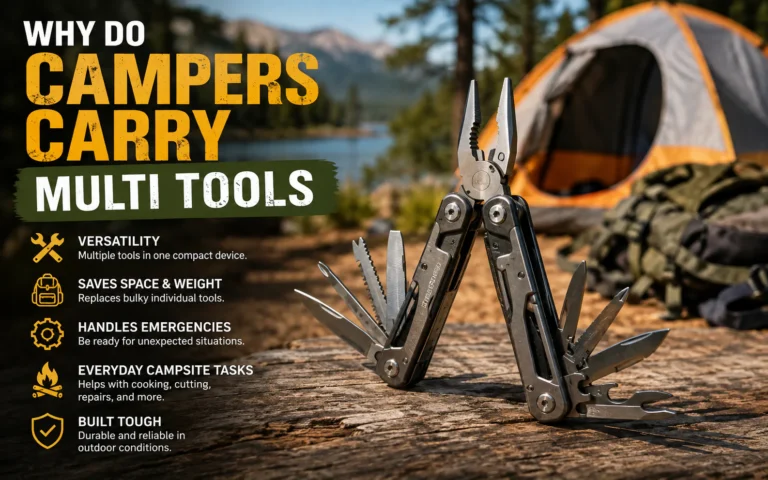 Why Do Campers Carry Multi Tools? Practical Uses in the Field
Why do Campers carry multi tools to handle gear repairs, campsite setup, food prep, and field fixes with minimal weight. Here is why one belongs in…