
What Tools Are Needed For Furniture Assembly
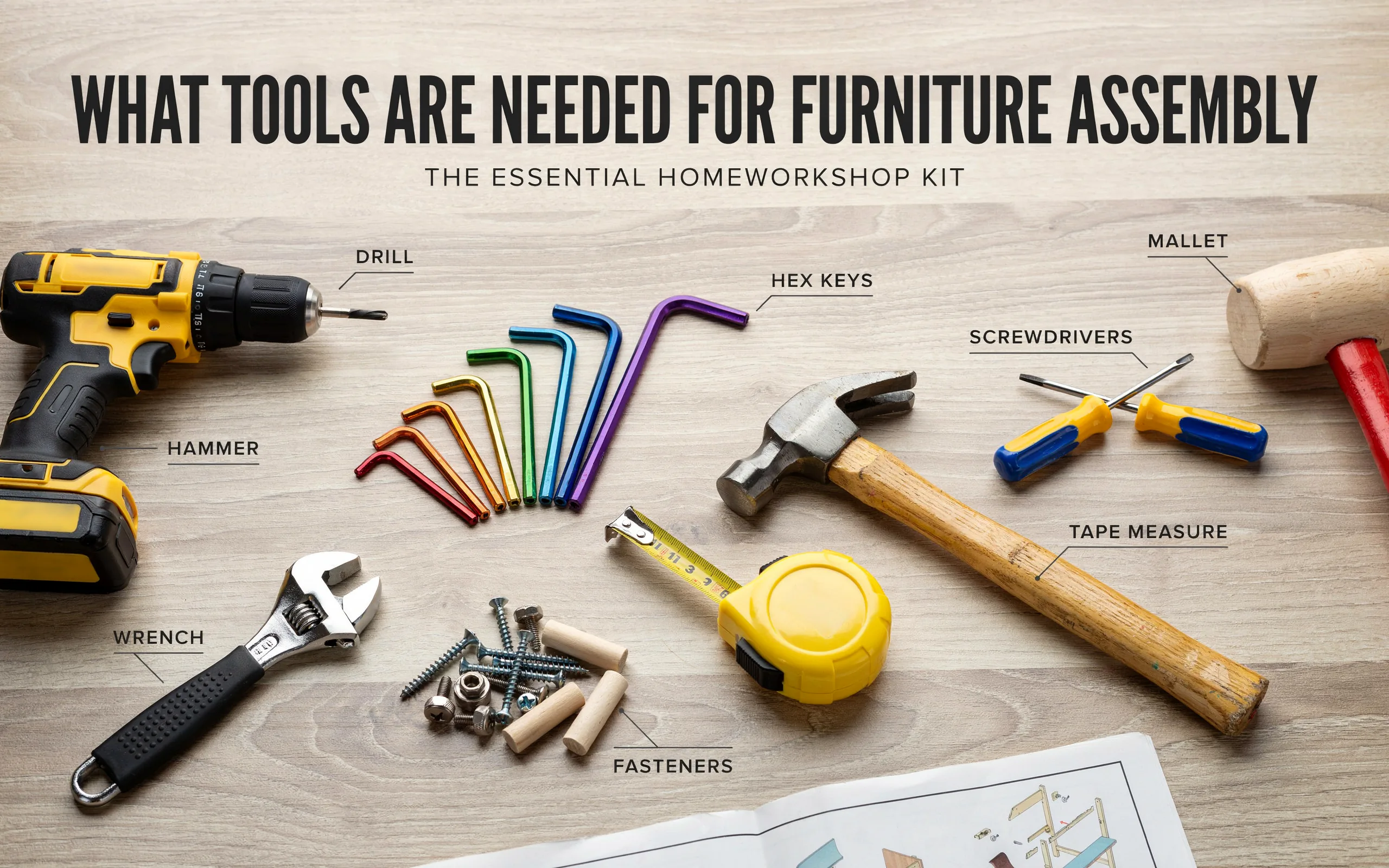
Want to know what tools are needed for furniture assembly? This complete guide lists must-have screwdrivers, Allen wrenches, mallets, drills, and more for a smooth build.
Buying new furniture is exciting. You picture it in your home. You imagine how good it will look. Then you open the box. Inside is a pile of boards, a bag of tiny screws, and a paper with pictures. The excitement can quickly turn to worry.
But here is the truth. Assembling furniture does not have to be hard. The secret is having the right tools for the job. The tools that come in the box often work. But they are not the best. They can make the job slow and frustrating. With a proper set of tools, you can finish faster. Your furniture will be sturdier. And you might even enjoy the process.
This guide will show you exactly what tools are needed for furniture assembly. We will cover the basics. We will talk about helpful extras. We will share tips to make your next build easy. Let us get started.
Why the Right Tools Matter
Many people try to build furniture with just the small wrench from the box. They end up with sore hands. The build takes hours. The final piece might wobble. Good tools change all of that.
Think of it like cooking. You could chop vegetables with a butter knife. But a sharp chef’s knife makes the job faster and safer. The same is true for furniture. The right tool fits the screw perfectly. It gives you good grip. It lets you work with less effort.
“The difference between a frustrating build and a satisfying one often comes down to having a decent set of hex keys and a screwdriver that actually fits,” says Paul Smith, Test Editor at Popular Mechanics.
Using proper tools also protects your furniture. A cheap wrench can strip a screw head. A wrong hammer can dent the wood. Good tools help you avoid these mistakes. They help you build furniture that lasts.
The Absolute Must-Have Tools
Let us start with the basics. These are the tools you will need for almost every furniture assembly project. If you have these, you can handle most flat-pack furniture from stores like IKEA, Wayfair, or Amazon.
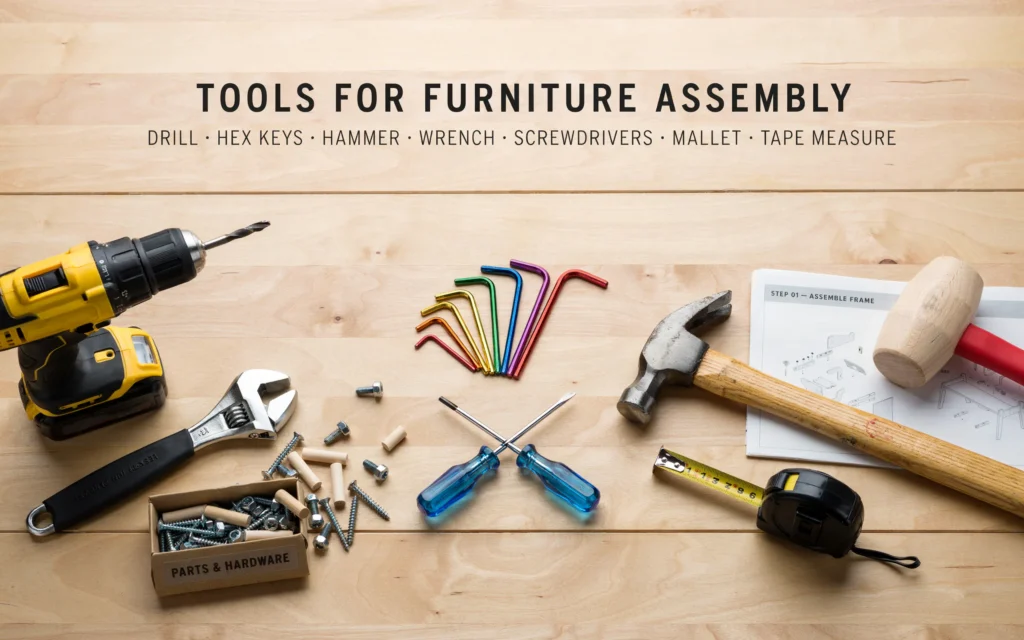
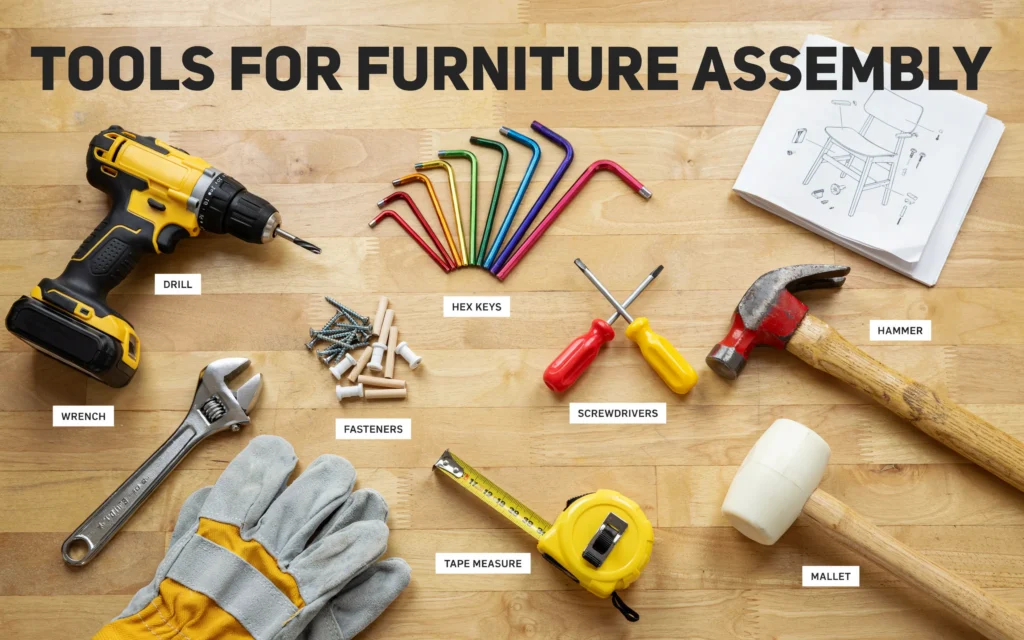
Allen Wrench Set (Hex Keys)
This is the most common tool you will use. Most ready-to-assemble furniture uses screws with hexagonal holes. These are called hex screws or Allen screws.
The box usually includes one small L-shaped wrench. It works. But it is often short and uncomfortable. A full set of Allen wrenches is much better. You get different sizes. You can choose the one that fits perfectly. Many sets come in a folding design. These are easy to use and keep organized.
If you only buy one tool, buy this. It is the single most important item in your furniture assembly kit.
Screwdrivers
Not all screws are hex-shaped. Many use cross-head (Phillips) or flat-head designs. You need good screwdrivers for these.
A Phillips screwdriver has a cross-shaped tip. A flathead has a straight blade. Get both types. Get them in a few sizes. A medium-sized Phillips will handle most screws. A smaller one helps with tiny screws on hinges or handles.
A good screwdriver fits the screw snugly. This stops the tool from slipping. It protects the screw head from damage.
Rubber Mallet
Many furniture pieces use wooden dowels. These are small pegs that help align parts. You need to tap them into place. A metal hammer can damage the wood. A rubber mallet is soft. It gives a good tap without leaving marks.
Use the mallet to gently tap joints together. It helps parts fit snugly. It is much better than using your hand or a shoe. A rubber mallet is one of the best tools are needed for furniture assembly when working with dowels.
Hammer
A rubber mallet is great for dowels. But sometimes you need a metal hammer. Some furniture uses small nails for the back panel. These are common on bookcases and dressers.
A standard claw hammer works well. The claw end helps remove nails if you make a mistake. Use it carefully. Tap gently. You do not want to split the wood.
Tools That Make the Job Much Easier
The tools above will get the job done. The tools below will make the job faster and more pleasant. They are worth the investment if you assemble furniture often.
Power Drill or Electric Screwdriver
This is a game-changer for speed. Driving screws by hand takes time and effort. A power drill does it in seconds.
You do not need a huge heavy drill. A compact cordless drill works great. Use it with a screwdriver bit. But be careful. Drills have a lot of power. They can strip screws or split wood if you are not careful.
Set your drill to a low torque setting. This limits the power. It stops the drill from over-tightening. An electric screwdriver is a good middle option. It has less power than a drill. It is safer for furniture assembly.
Set of Drill Bits
If you use a power drill, you need bits. A basic set includes Phillips and flathead bits in various sizes. Many sets also include hex bits. These fit into your drill. They turn your drill into a powerful Allen wrench.
This combination is very useful. You can drive hex screws fast. A hex bit set is often included with a drill bit kit.
Level
Nobody wants a wobbly table or a crooked shelf. A level helps you avoid these problems.
A small spirit level is easy to use. Place it on top of your furniture. Check the bubble. If it is in the center, your piece is level. This is very important for bookcases and wall-mounted items.
Measuring Tape
You might think you do not need a tape measure. You are just following the instructions. But a tape measure is useful for many reasons.
First, measure the space where the furniture will go. Make sure it fits. Second, measure parts to make sure they are aligned correctly. Third, use it to find the center point for handles or knobs. A tape measure prevents mistakes before they happen.
Adjustable Wrench
Some furniture uses nuts and bolts. An Allen wrench cannot tighten these. An adjustable wrench works on many sizes of nuts.
It has a moving jaw. You turn a wheel to adjust the size. It grips the nut firmly. You can tighten it securely. This tool is useful for bed frames and some tables.
Nice-to-Have Extras
These tools are not essential. But they can make your assembly experience better. They solve small problems that can be annoying.
Pliers
Sometimes you need to hold a small nut or bolt. Your fingers are too big. Pliers give you a strong grip. They are great for tiny parts in hard-to-reach places.
Box Cutter or Utility Knife
Opening boxes is the first step. It can be frustrating. Tape is sticky. Plastic ties are tough. A box cutter makes unboxing quick and safe.
Use it to cut tape. Use it to open plastic bags. A sharp blade is safer than a dull one. It requires less force.
Flashlight or Headlamp
Instructions can be hard to read. Holes can be hard to see. Good light helps.
A flashlight lets you see into dark corners. A headlamp keeps your hands free. This is a simple tool that prevents many errors.
Small Containers for Parts
Furniture comes with many small pieces. Screws, bolts, dowels, and washers can get mixed up. This is confusing.
Use small bowls, cups, or an egg carton. Sort the parts by type or by step. This keeps everything organized. You will not lose small pieces.
Touch-Up Markers
Accidents happen. You might scratch the wood during assembly. A touch-up marker hides these scratches. It is like a magic pen for furniture. It makes small marks almost invisible.
Building Your Own Furniture Assembly Kit
You do not need to buy everything at once. Start with the basics. Add more tools over time. Here is a simple way to build your kit.
The Starter Kit
This kit has the tools needed for furniture assembly for most basic projects.
| Tool | Purpose |
|---|---|
| Allen Wrench Set | Tighten hex screws |
| Phillips Screwdriver | Drive cross-head screws |
| Flathead Screwdriver | Drive flat-head screws |
| Rubber Mallet | Tap dowels and joints |
| Claw Hammer | Drive and remove small nails |
The Advanced Kit
Add these tools if you assemble furniture often.
| Tool | Purpose |
|---|---|
| Cordless Drill | Speed up screw driving |
| Drill Bit Set | Match various screw heads |
| Level | Ensure straight and balanced furniture |
| Measuring Tape | Check space and alignment |
| Adjustable Wrench | Tighten nuts and bolts |
Many stores sell pre-made tool kits for furniture assembly. These are convenient. But building your own kit lets you choose better quality tools.
Organizing Your Workspace
Tools are only half the story. Your workspace matters too. A good workspace makes assembly easier and safer.
Choose the Right Spot
Work in the room where the furniture will go. This saves you from moving a heavy piece later. Make sure the floor is clean and dry.
Protect the Floor
Put down a soft mat or an old blanket. This protects your floor from scratches. It also protects the furniture panels from dirt.
Good Lighting
Set up a bright lamp. Open the curtains. Good light helps you see details. It reduces eye strain.
Lay Out the Parts
Open the box. Take out all the parts. Lay them on the floor. Match them to the parts list in the manual. This helps you spot missing pieces before you start.
Read the Instructions First
Take a few minutes to read the manual. Look at the pictures. Understand the steps. This prevents surprises later.
Step-by-Step Assembly Tips
Having the right tools is important. Using them correctly is just as important. Here are some tips for a smooth build.
1. Sort Your Hardware
Open the hardware bag. Pour the pieces into your small containers. Separate screws from bolts. Separate washers from dowels. Label them if needed.
2. Follow the Order
Do not skip steps. The manual shows a specific order for a reason. Follow it. Build the frame first. Add shelves or doors later.
3. Do Not Overtighten Early
Tighten screws just enough to hold the piece together. Do not fully tighten until the whole frame is assembled. This lets you adjust parts if needed.
4. Check for Square
Make sure corners are at 90-degree angles. A square frame is a stable frame. Use a level to check. Adjust before final tightening.
5. Final Tightening
Once everything is aligned, go back and tighten all screws fully. Do this firmly but carefully. Do not use too much force. You could strip the screw or crack the wood.
“Building furniture is like a puzzle. The instructions are your map. The tools are your hands. Patience and the right equipment make the picture come together,” says John Gilpatrick, Writer at Popular Mechanics.
Common Mistakes and How to Avoid Them
Even with the right tools, mistakes happen. Here are common problems and how to fix them.
Stripped Screws
This happens when the tool slips. The screw head becomes rounded. It is hard to remove. To avoid this, use the correct size bit. Push firmly into the screw. Turn slowly.
If a screw does strip, try using a rubber band. Place it over the stripped head. Push the screwdriver into the rubber band. The rubber gives grip.
Wobbly Furniture
This usually means a screw is loose or the frame is not square. Check all screws. Tighten them. Check the level. Adjust the legs if needed.
Missing Pieces
It happens. Check the box again. Check the packaging. If you still cannot find it, contact the store. Most will send replacement parts.
Damaged Wood
A hammer can dent wood. A screw can split it. Use a rubber mallet for tapping. Drill pilot holes for screws if the wood is hard. Pilot holes are small holes you drill first. They guide the screw and prevent splitting.
Safety First
Safety is simple but important. Protect yourself while you build.
Wear Gloves
Some edges are sharp. Some splinters are small. Gloves protect your hands. They also give you a better grip on tools.
Wear Safety Glasses
Small pieces can fly. Dust can get in your eyes. Safety glasses are cheap protection.
Lift Carefully
Furniture panels can be heavy. Lift with your legs, not your back. Get help for large pieces.
Keep Children Away
Small parts are choking hazards. Tools are sharp. Keep children and pets away from your workspace.
When to Call a Professional
Most furniture is designed for home assembly. But some projects are more complex. Some require special skills. It is okay to ask for help.
Consider hiring a professional if:
- The furniture is very large or heavy.
- The instructions are confusing.
- You do not have the time.
- You have tried and made mistakes.
Professional assemblers have the experience. They have all the tools. They can finish the job fast. It might be worth the cost for peace of mind.
Frequently Asked Questions
Can I assemble furniture with just the tools in the box?
Yes, you can. The included tools will work. But they are not very comfortable. They can make the job slower. Your hands might get sore. Having your own tools makes the process much better.
What is the single most important tool for furniture assembly?
The Allen wrench set, also known as hex keys, is the most used tool. Most flat-pack furniture uses hex screws. A good set of Allen wrenches is essential.
Do I need a power drill?
A power drill is optional but very helpful. It speeds up the work. It saves your wrists. Just be careful with the torque setting. Use low power to avoid damage.
What tools are needed for furniture assembly with dowels?
You need a rubber mallet for dowels. It taps them into place without damage. You also need screwdrivers and Allen wrenches for the other hardware.
How do I stop my furniture from wobbling?
Check that all screws are tight. Make sure the frame is square. Use a level to check. Adjust the feet if the piece has them. A level is one of the key tools needed for furniture assembly to prevent wobbles.
What should I do if I lose a screw?
First, check the packaging and floor again. If you cannot find it, contact the manufacturer. They often send free replacement parts. You can also take a matching screw to a hardware store to find a similar one.
Is a hammer or a rubber mallet better?
It depends. Use a rubber mallet for tapping wood parts and dowels. It will not damage the surface. Use a metal hammer for small nails on back panels.
Can I use any screwdriver for furniture assembly?
No. You need the right type and size. A Phillips screwdriver is for cross-head screws. A flathead is for slotted screws. Using the wrong one can strip the screw.
How long does furniture assembly usually take?
It depends on the piece. A small chair might take 30 minutes. A large wardrobe could take several hours. Having the right tools reduces the time.
What are the basic tools are needed for furniture assembly?
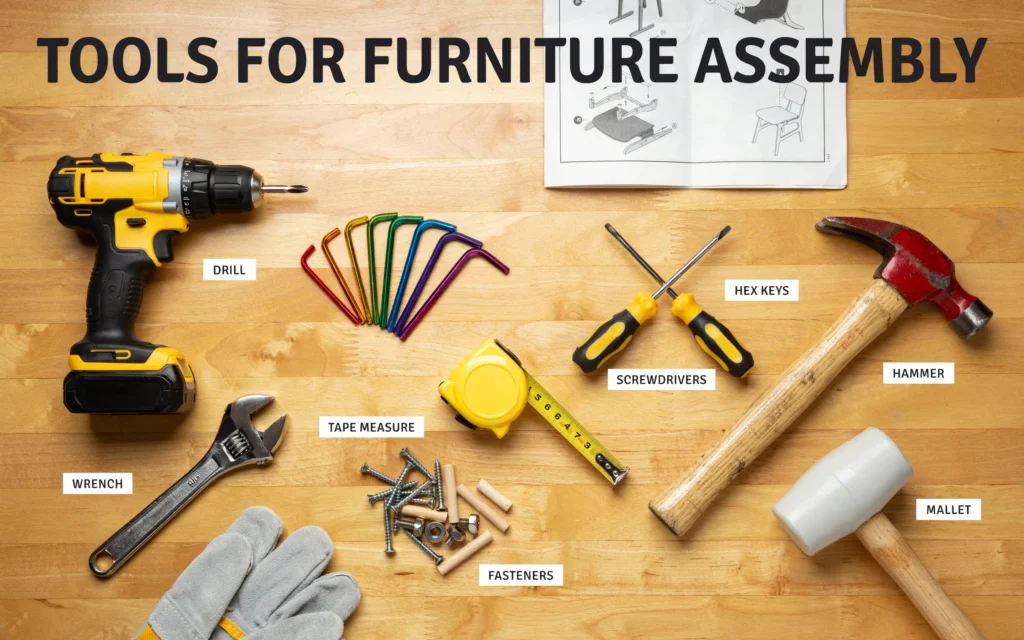
The basic list includes an Allen wrench set, Phillips and flathead screwdrivers, a rubber mallet, and a hammer. These five tools cover most assembly needs.
Conclusion
Furniture assembly does not have to be a stressful experience. With the right preparation and tools, it can be a simple and even enjoyable task. The key is knowing what tools are needed for furniture assembly and having them ready before you open the box.
Start with the essentials: a good set of Allen wrenches, quality screwdrivers, a rubber mallet, and a hammer. These will handle the majority of flat-pack furniture. As you take on more projects, add a power drill, a level, a tape measure, and an adjustable wrench to your kit. These extras will save you time and help you achieve professional results.
Remember to prepare your workspace. Lay out your parts. Read the instructions. Work slowly and carefully. Do not force anything. If something does not fit, check your alignment. Check the instructions again.
“Patience and the proper tools turn a pile of boards into a piece of furniture you can be proud of,” says Danny Perez, a writer who has covered DIY topics for years.
Building your own furniture is satisfying. You get to see your work come together. You create something useful for your home. The right tools make that journey smoother. So next time you buy a flat-pack piece, take a moment to gather your tools. You will be glad you did.
Related posts
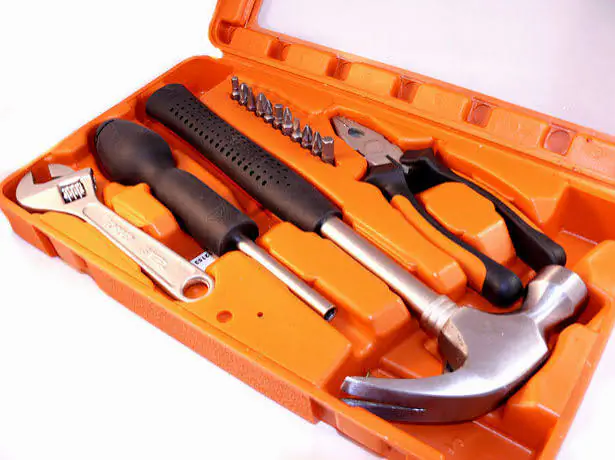 Which Tool Kit Is Worth Buying? How to Choose the Right Set for Your Home
Wondering which tool kit is worth buying? Compare basic household sets, mechanic kits, and power tool combos to find the best tools for your budget and…
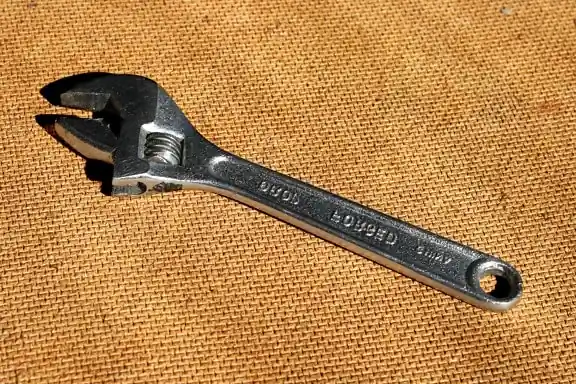 Which Hand Tools Are Made in the USA? Reliable Brands and Buying Rules
Discover which hand tools are still made in the USA. Compare top domestic brands, tool categories, and learn how to verify origin labels before buying. Several…
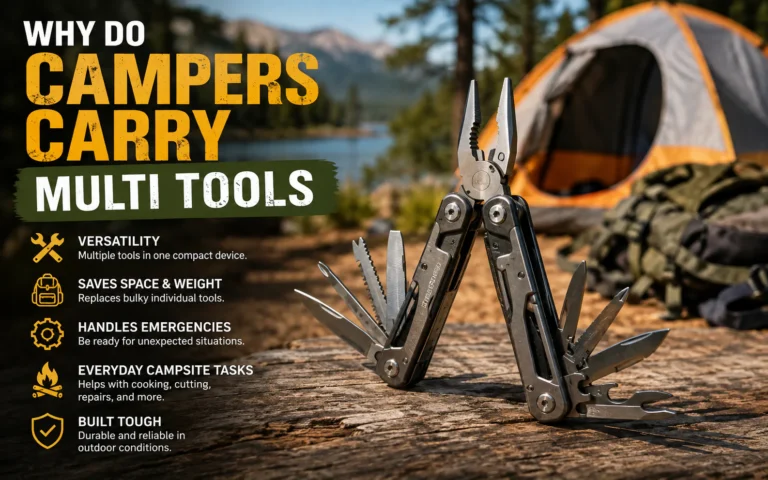 Why Do Campers Carry Multi Tools? Practical Uses in the Field
Why do Campers carry multi tools to handle gear repairs, campsite setup, food prep, and field fixes with minimal weight. Here is why one belongs in…