
What Safety Gear Should I Have In My Home Tool Kit
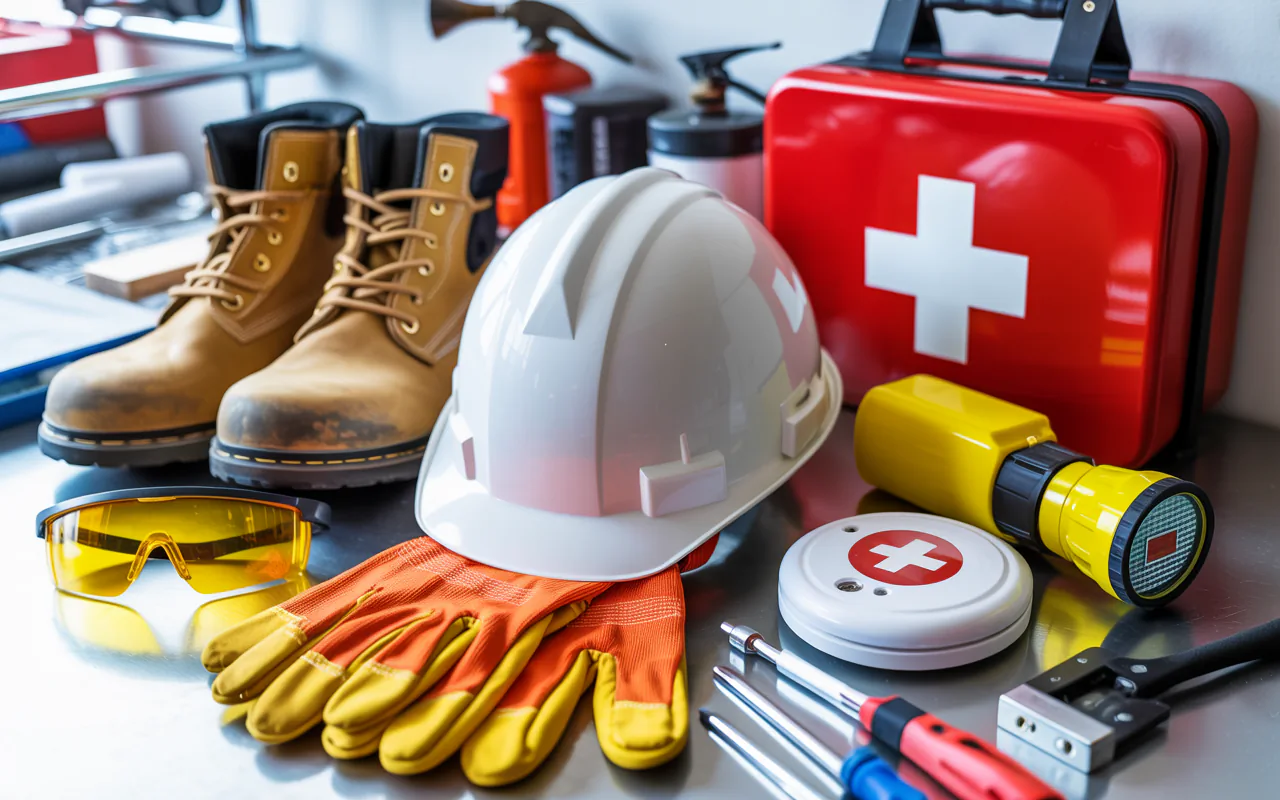
For your home DIY projects, knowing what safety gear should I have in my home tool kit is the first step to staying injury-free. This guide covers the essential protective equipment you need to keep your workspace secure and your projects running smoothly.
Home repair projects are a rewarding way to improve your living space and save money. Whether you are hanging a picture frame, fixing a leaky faucet, or building a new bookshelf, having the right tools is important. However, many people focus so much on the hammer or the drill that they forget about their own protection. Prioritizing personal safety prevents accidents that can turn a fun afternoon into a trip to the urgent care clinic.
Why You Need Dedicated Safety Gear
Many beginners believe that home repairs are too simple to require special equipment. This is a common mistake. Even small tasks can result in flying debris, sharp edges, or chemical exposure. By keeping a dedicated box for protection, you ensure that you never start a task without the proper barriers between your body and potential hazards. When you ask yourself what safety gear should I have in my home tool kit, think about protecting your eyes, hands, lungs, and skin.
Safety is not just a slogan, it is a way of life. Author unknown.
Eye Protection for Every Project
Your eyes are incredibly vulnerable to dust, wood chips, and liquid splashes. A pair of high-quality safety glasses is the most important item in your collection. Unlike regular glasses, safety glasses are built to resist impact. Look for pairs that fit snugly against your face to prevent dust from getting in from the sides. If you wear prescription glasses, look for over-the-glass safety frames so you do not have to sacrifice vision for protection.
| Type of Eye Protection | Best Use Case |
| Standard Safety Glasses | Dust, wood working, general assembly |
| Safety Goggles | Chemical handling, overhead drilling |
| Face Shields | Heavy grinding, metal cutting |
Hand Protection and Glove Selection
Hands are your primary tools, so keeping them safe is a top priority. Not all gloves offer the same level of protection. You should have a few different pairs available for different types of work. Leather work gloves are excellent for handling rough materials like brick or lumber because they prevent splinters and scrapes. For tasks involving chemicals or cleaning agents, nitrile gloves are necessary to prevent skin irritation.
Respiratory Protection from Dust and Fumes
Breathing in sawdust, paint fumes, or mold spores can cause long-term health problems. A basic dust mask is fine for simple sanding, but for more intense projects, you should have a respirator. A half-face respirator with replaceable filters is an excellent investment for any homeowner. These masks seal tightly against your face, ensuring that you only breathe filtered air rather than harmful particles. Always check the seal before you begin working to ensure it is effective.
Hearing Protection for Power Tools
Power tools like circular saws and hammer drills produce noise levels that can damage your hearing over time. While you might not notice the impact during a quick job, regular exposure leads to permanent loss. Earplugs are simple to use, but earmuffs offer better protection for prolonged projects. Keeping a pair of earmuffs with your power tools serves as a constant reminder to put them on before you press the trigger.
The best way to prevent an accident is to be prepared for the unexpected. Author unknown.
Clothing and Footwear Choices
What you wear is just as important as what you hold in your hands. Loose clothing can easily get caught in rotating parts of power tools, which is extremely dangerous. Wear fitted clothing made of sturdy material like denim. Avoid shorts or open-toed shoes, as they leave your skin exposed to falling tools or sharp materials. Sturdy boots with a solid grip help you maintain balance while you work, which is essential when you are standing on a ladder or working on uneven floors.
Essential First Aid Supplies
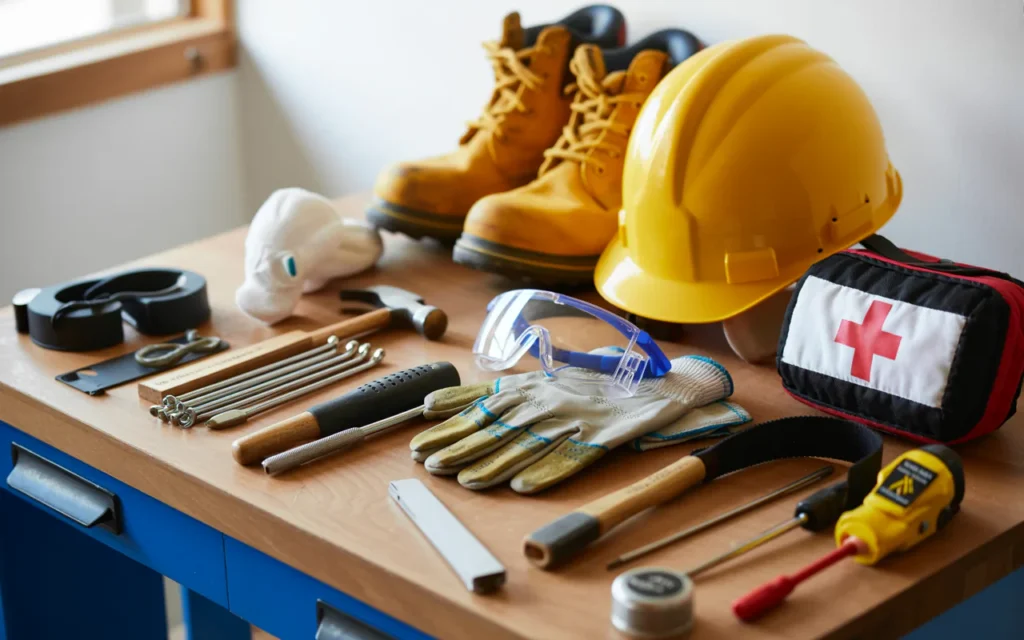
Even with the best gear, small accidents happen. A basic first aid kit should be stored right next to your tools. This kit should include adhesive bandages of various sizes, sterile gauze, antiseptic wipes, and tweezers for removing splinters. Having these items ready allows you to address minor nicks and cuts immediately, which helps prevent infection and keeps you focused on your work.
| Safety Item | Main Benefit |
| Safety Glasses | Eye impact prevention |
| Leather Gloves | Splinter and scrape defense |
| Dust Mask | Respiratory health |
| Earmuffs | Hearing damage prevention |
| First Aid Kit | Immediate injury care |
Organizing Your Safety Kit
To make sure you actually use your protection, keep it organized and accessible. If your gear is buried in the back of a closet, you will be tempted to skip it. Use a clear plastic bin or a dedicated drawer in your garage to store your items. When you plan a project, bring your safety bin to your workspace first. This simple habit ensures that you always consider what safety gear should I have in my home tool kit before you pick up your first tool.
Inspecting and Replacing Your Gear
Safety equipment does not last forever. Plastic lenses on glasses can get scratched, making it harder to see and weakening the material. Gloves wear thin after repeated use, and mask filters become clogged with dust. Create a schedule to inspect your gear every few months. If something looks damaged, replace it immediately. It is much cheaper to buy a new pair of glasses than it is to deal with a medical issue.
An ounce of prevention is worth a pound of cure. Benjamin Franklin.
Developing Safe Work Habits
Gear is only half the battle. Your habits determine how well that gear performs. Always clear your workspace before starting. A cluttered area is a recipe for tripping and falling. Ensure that you have adequate lighting so you can see exactly what you are doing. If you feel tired or rushed, stop and take a break. Most accidents happen when people are in a hurry or are not paying full attention to the task at hand.
Staying Consistent with Safety Gear
It is tempting to skip the mask for a quick sanding job or to take off the glasses because they feel warm. Consistency is what keeps you safe over the years. If you make it a rule that no tool turns on unless your gear is on, it becomes a natural part of your process. This mindset shift protects you from the one-time accident that could have been avoided with five seconds of preparation.
Preparing for Specific Projects
Different tasks call for different gear. If you are painting, you need ventilation and skin protection. If you are demoing a wall, you need heavy-duty eye protection and potentially a hard hat if there is any risk of falling debris. Always assess the specific risks of the job before you start. Ask yourself what safety gear should I have in my home tool kit to address the unique dangers of this specific task.
The Value of Quality Equipment
When purchasing safety gear, choose quality over the lowest price. A five-dollar pair of glasses might break during an impact, while a twenty-dollar pair is built to absorb that energy. Look for labels that indicate the gear meets safety standards. These certifications ensure that the product has been tested to perform under stress. Investing in your safety is the most valuable purchase you can make for your home workshop.
Involving Your Family in Safety
If you live with others, teach them about the importance of your safety habits. If you have children, keep your tools and safety gear locked away to prevent them from using them without supervision. Explain why you wear your glasses and earmuffs. When you model good behavior, it shows that safety is a priority in your home, which helps everyone stay mindful of their surroundings.
Creating a Safety Checklist
To help you remember your equipment, create a simple checklist and tape it to the lid of your tool box. Include items like glasses, gloves, mask, and hearing protection. Checking this list before you start a project takes only a few seconds but ensures that you never forget an essential item. Over time, you will memorize the list, but having it there acts as a helpful prompt for when you are starting a new type of work.
Handling Chemicals Safely
Many home tasks involve solvents, adhesives, or cleaners that can be harmful if they touch your skin or eyes. Always read the labels on these products to understand the risks. Wear gloves when handling chemicals and ensure the area is well ventilated. If you are working in a tight space like a closet, keep the door open or use a fan to keep air moving. Your safety gear acts as a barrier that allows you to work with these substances without putting your health at risk.
Light and Visibility
Visibility is a often overlooked aspect of safety. If you cannot see your work clearly, you are more likely to make a mistake or slip with a tool. Use portable LED work lights to illuminate dark corners. If you are working on a project that requires precision, a headlamp can be a game changer because it puts light exactly where you are looking. Good visibility prevents eye strain and helps you maintain control over your tools.
Managing Waste and Debris
As you work, debris will accumulate. Sharp nails, jagged wood, or broken glass are major hazards. Keep a bin nearby for waste and clean your area as you go. This keeps your floor clear, which is critical for preventing trips. When the project is over, dispose of your trash properly. Keeping a clean site is part of maintaining a safe environment for your next project.
Frequently Asked Questions
How do I know if my safety glasses are still good?
If your glasses have deep scratches, cracks, or if the frame is bent or loose, they should be replaced. Scratched lenses obstruct your vision, which can cause you to make errors.
Can I use cloth gloves for power tools?
No. Cloth gloves can get caught in rotating parts of power tools like drills or saws. Use leather or synthetic work gloves that are snug and do not have loose material that can be pulled into a machine.
Do I really need a respirator for light sanding?
For light sanding, a standard dust mask is usually enough. However, if you are sanding for a long time or working with materials like old lead paint or MDF, a respirator provides better protection against fine dust.
Where should I keep my safety kit?
Keep your safety kit in the same area as your power tools. If you keep your gear in the same spot, you are much more likely to remember to use it every time you start a task.
How often should I replace earplugs?
Disposable foam earplugs should be thrown away after each use. If you use reusable silicone or earmuffs, clean them regularly and inspect them for any tears or loss of elasticity.
Final Thoughts on Home Safety
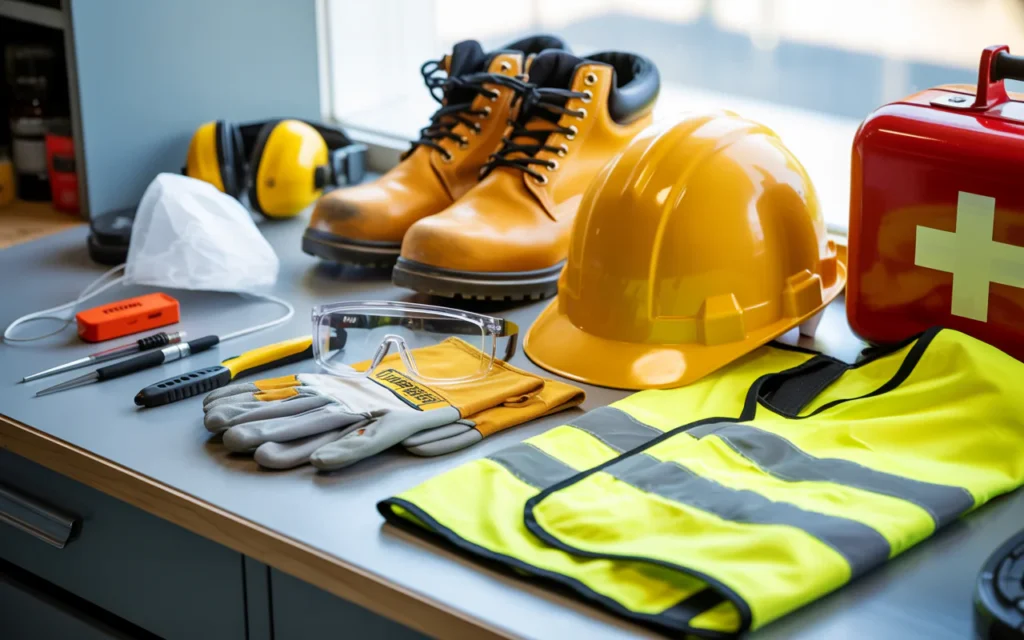
Staying safe while working on your home is about being prepared and aware. When you think about what safety gear should I have in my home tool kit, remember that you are protecting your health and your ability to keep working on projects you enjoy. By gathering the right equipment and building consistent habits, you create a workshop that is both productive and secure. Start small, buy quality items, and never skip the basics. Your future self will appreciate the time you took today to stay safe.
Related posts
 Top Home Tool Kits for Seniors: 2026 Practical Guide
Discover the top home tool kits for seniors in 2026. We compare compact, easy-to-use sets perfect for daily household repairs, furniture assembly, and DIY tasks. Finding…
 Top Home Tool Kits for Women: 2026 Buyer Guide
Discover the top home tool kits for women in 2026. Compare top-rated sets for DIY, furniture assembly, and household repairs to find your perfect match. Finding…
 Top Home Tool Kits for Basic Home Repairs 2026
Find the top home tool kits for basic home repairs in 2026. Compare top-rated sets for DIY projects, furniture assembly, and daily household maintenance. Every home…