
What Are The Best Tool Bags For DIY Users
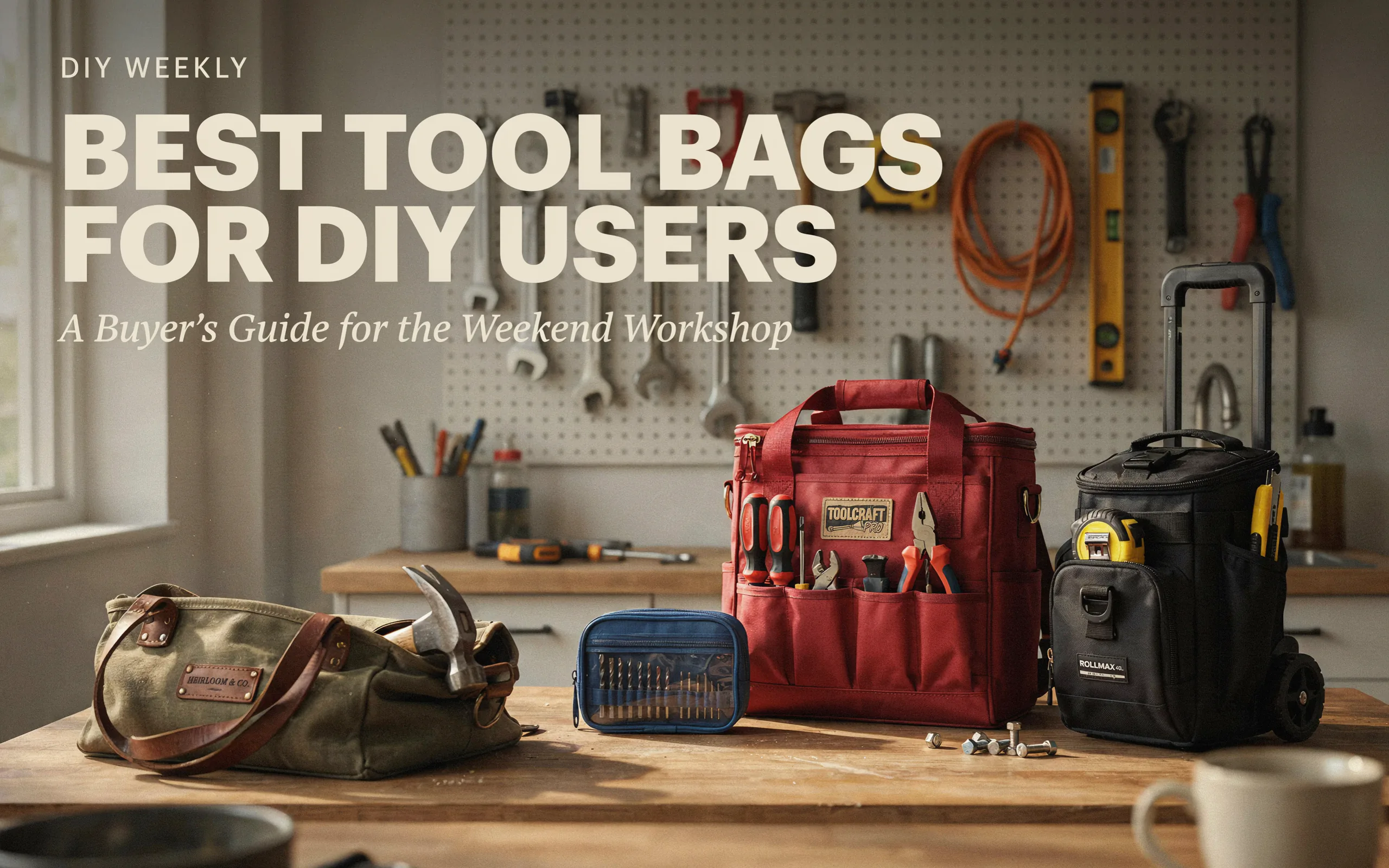
Finding the best tool bags for DIY users can be tricky with so many options. This guide reviews top-rated bags, from backpacks to totes, helping you choose the perfect one for your projects and budget.
If you have ever spent fifteen minutes looking for a screwdriver that you know is somewhere in your garage, you already know why a good tool bag matters. A proper bag keeps your gear organized, protects it from damage, and saves you time on every project. Whether you are hanging a picture frame, fixing a leaky faucet, or building a bookshelf, having your tools within reach makes the whole process smoother and more enjoyable.
But with so many options on the market, finding the best tool bags for DIY users can feel like a project in itself. Some bags have dozens of pockets, others roll like luggage, and some look more like backpacks than traditional tool carriers. The right choice depends on what you do, how often you do it, and where you work.
This guide breaks down everything you need to know. We will look at the different types of tool bags, what features matter most, and which models stand out from the rest. By the end, you will know exactly what to look for and which bag fits your needs.
Why Choose a Tool Bag Over a Toolbox?
Many people start with a hard plastic toolbox. They are cheap, they stack, and they get the job done. But once you start collecting more tools, a toolbox becomes limiting. Hard sides do not flex, so bulky items do not always fit. The compartments are fixed, so organizing odd-shaped tools is tricky. And carrying a heavy plastic box by a single handle gets old fast.
Tool bags solve these problems. Soft sides let you squeeze in awkward items. Pockets and sleeves give you flexibility to arrange things your way. Multiple handles and shoulder straps make carrying heavy loads easier on your back and hands. And because most bags have a wide opening, you can see everything inside at a glance.
“A tool bag is the difference between a frustrating project and a productive one. When your tools are organized, your mind is clear, and you can focus on the work instead of searching for the right wrench.” – Tom Silva, General Contractor
Tool bags also protect your tools better than you might think. Quality bags use thick fabrics, reinforced stitching, and sturdy bases that keep moisture and dirt away from your gear. Many have rubberized feet that keep the bag off wet surfaces. Some even have water-resistant shells that protect against light rain.
What to Look For in the Best Tool Bags for DIY Users
Before we get to specific recommendations, let us talk about what makes a tool bag great. Not every bag works for every person. The best bag for a plumber looks different from the best bag for a woodworker. Here are the key factors to consider.
Material and Durability
The fabric matters more than you might think. Cheap bags use thin polyester that tears at the seams after a few months. Good bags use heavy materials like 1680D ballistic nylon or thick canvas. These fabrics resist abrasion, hold up to daily use, and protect your tools from bumps and scrapes.
Look for reinforced stitching at stress points, especially where the handles attach to the bag. Bar-tacked seams add extra strength where it counts. A molded or rubberized base is also worth having. It keeps the bag upright, protects the bottom from wear, and stops water from soaking through when you set it down on wet ground.
Organization and Pockets
This is where tool bags really shine. A good bag has pockets for everything. Interior sleeves keep screwdrivers and pliers from rattling around. Exterior pockets give you quick access to the tools you use most often. Some bags have dozens of pockets, while others keep things simple with just a few compartments.
The number of pockets is less important than how they are arranged. Look for pockets that fit your actual tools. A bag with fifty tiny sleeves is useless if you carry large wrenches. A bag with wide, deep pockets works better for bulky items like drills and hammers. Think about what you carry most often and choose a bag that matches.
Size and Capacity
Tool bags come in all sizes, from compact 12-inch bags to massive 20-inch totes. A small bag works for basic repairs and quick jobs. A large bag holds everything you need for bigger projects but gets heavy fast.
The best approach is to choose a bag that fits your core tools with a little room to spare. If you buy a bag that is too big, you will fill it with unnecessary items and end up carrying more weight than you need. If you buy one that is too small, you will leave tools behind or struggle to close the zipper.
Comfort and Portability
Carrying a heavy bag of tools can strain your shoulders, back, and hands. Good bags address this with padded handles, adjustable shoulder straps, and ergonomic designs. Some bags have backpack straps that distribute weight evenly across both shoulders. Others have rolling wheels that let you pull the bag like luggage.
Think about how you will move your tools. If you carry them from your car to a job site, a shoulder strap or backpack makes sense. If you work in a single garage, a tote with comfortable handles works fine. If you have a bad back or carry very heavy loads, consider a rolling bag.
Price and Value
Tool bags range from under $20 to over $300. Price does not always equal quality, but very cheap bags usually cut corners on materials and stitching. The sweet spot for most DIY users is between $40 and $70 for a medium-sized bag. At that price, you get good materials, solid construction, and enough pockets to stay organized.
Types of Tool Bags for DIY Users
Different projects call for different bags. Here is a quick breakdown of the main types.
| Bag Type | Best For | Key Feature |
|---|---|---|
| Open-Top Tote | Quick access and frequent tool changes | Wide opening, easy grab-and-go |
| Backpack | Carrying heavy loads over distance | Padded straps, even weight distribution |
| Rolling Bag | Very heavy tools or mobility issues | Wheels and telescoping handle |
| Compact Bag | Small repairs and basic tasks | Lightweight, easy to store |
| Roll-Up Bag | Hand tools and organized storage | Compact when rolled, expands for use |
Open-Top Totes
These are the classic tool bags. They have a wide opening at the top, usually with no zipper or just a simple closure. You can see everything inside and grab what you need without fumbling with zippers. They work great for jobs where you switch tools often.
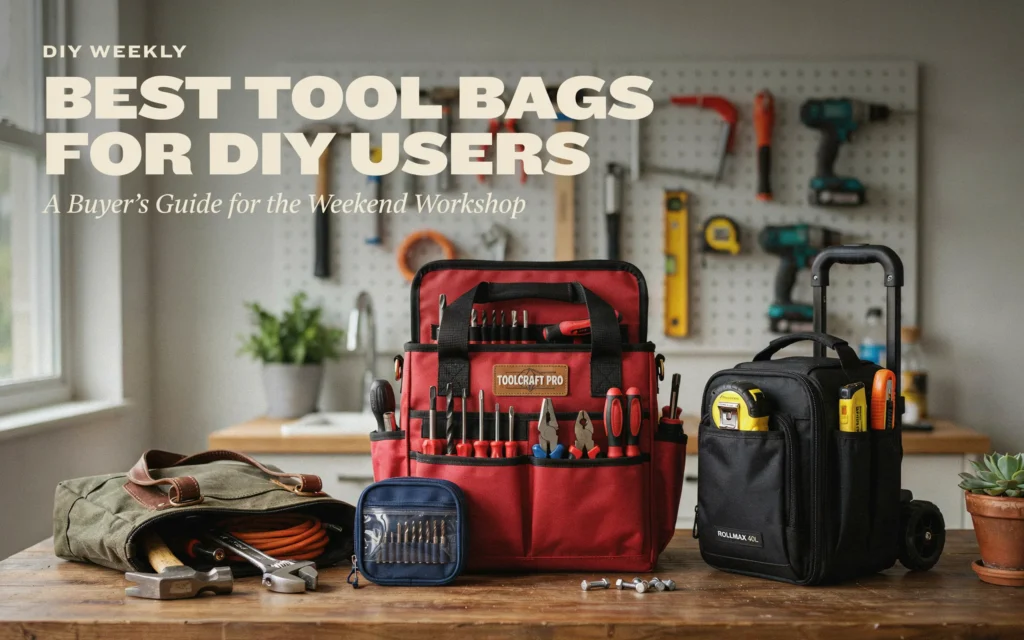
The downside is that tools can fall out if you tip the bag over. They also offer less protection against dust and moisture. But for many DIY users, the convenience of an open-top tote outweighs these drawbacks.
Tool Backpacks
Backpacks have become very popular in recent years, and for good reason. They distribute weight across both shoulders, which is much easier on your back than carrying a heavy tote by one hand. They leave your hands free for carrying other things or climbing ladders.
Most tool backpacks have dozens of pockets and compartments. Some even have dedicated sleeves for laptops or tablets. The main downside is that you have to take the bag off to access tools, which can be annoying if you are constantly switching between tools.
Rolling Tool Bags
If you carry very heavy tools or have back problems, a rolling bag is a lifesaver. These bags have wheels and a telescoping handle, just like luggage. You can load them up with everything you own and pull them around without straining yourself.
Rolling bags are bulkier than other types and not ideal for stairs or rough terrain. But for workshops, garages, and smooth surfaces, they are hard to beat.
Compact and Mini Bags
Sometimes you do not need to carry your whole collection. A small bag with just the basics is perfect for quick repairs, apartment living, or keeping in your car for emergencies. These bags are lightweight, easy to store, and cost very little.
Roll-Up Tool Bags
Roll-up bags are a different style altogether. They lay flat and have pockets for individual tools. You roll them up when not in use and unroll them when you need access. They are great for hand tools like wrenches, screwdrivers, and pliers. They take up very little space and keep tools from banging into each other.
Top Picks: Best Tool Bags for DIY Users
Now that you know what to look for, here are some of the best options available. These bags come from trusted brands and have earned strong reviews from real users.
Best Overall: DEWALT 33-Pocket Tool Bag
The DEWALT 33-Pocket Tool Bag consistently ranks as one of the best tool bags on the market. It has 33 pockets, which gives you plenty of places to store hand tools, power tools, and accessories. The rugged polyester fabric and rubberized feet protect your gear and keep the bag stable on any surface.
Users love the comfortable handles and the smart layout that keeps tools visible and accessible. At around 3 pounds empty, it is not the lightest bag, but the organization and durability make up for the weight. This bag works great for both weekend warriors and serious DIY enthusiasts.
Best Backpack: Klein Tools Tradesman Pro Backpack
If you prefer a backpack, the Klein Tools Tradesman Pro Backpack is a top choice. It has 39 pockets made from 1680D ballistic weave, which is about as tough as fabric gets. The molded bottom keeps the bag upright and protects your tools from moisture.
The padded shoulder straps and extra back support make carrying heavy loads comfortable. The bright orange interior helps you find small tools quickly. This bag is popular with electricians and tradespeople, but it works just as well for serious DIY users who carry a lot of gear.
Best Budget: Amazon Basics 16-Inch Tool Bag
You do not need to spend a fortune to get a good tool bag. The Amazon Basics 16-Inch Tool Bag costs under $20 and delivers surprising quality. It has 26 pockets, heavy-duty polyester fabric, and reinforced stress points. The padded handle and adjustable shoulder strap make it comfortable to carry.
With over 19,000 reviews and a 4.7-star average, this bag has proven itself to thousands of users. It is a great choice for beginners, casual DIYers, or anyone who wants a reliable bag without breaking the bank.
Best Layout: Carhartt Legacy Tool Bag
Carhartt is known for rugged workwear, and their tool bag lives up to the reputation. The Carhartt Legacy Tool Bag has 27 pockets arranged in a smart, user-friendly layout. The water-resistant fabric and sturdy construction protect your tools from the elements.
Users praise the thoughtful design that puts frequently used tools within easy reach. The bag weighs only 2 pounds empty, making it one of the lighter options in its class. It is a solid choice for DIY users who value organization and ease of use.
Best Rolling: DEWALT Zippered Rolling Tool Bag
For those who need to move heavy loads, the DEWALT Zippered Rolling Tool Bag is hard to beat. It has 28 compartments and a rugged design that holds up to daily use. The wheels and handle make transport easy, even on rough surfaces.
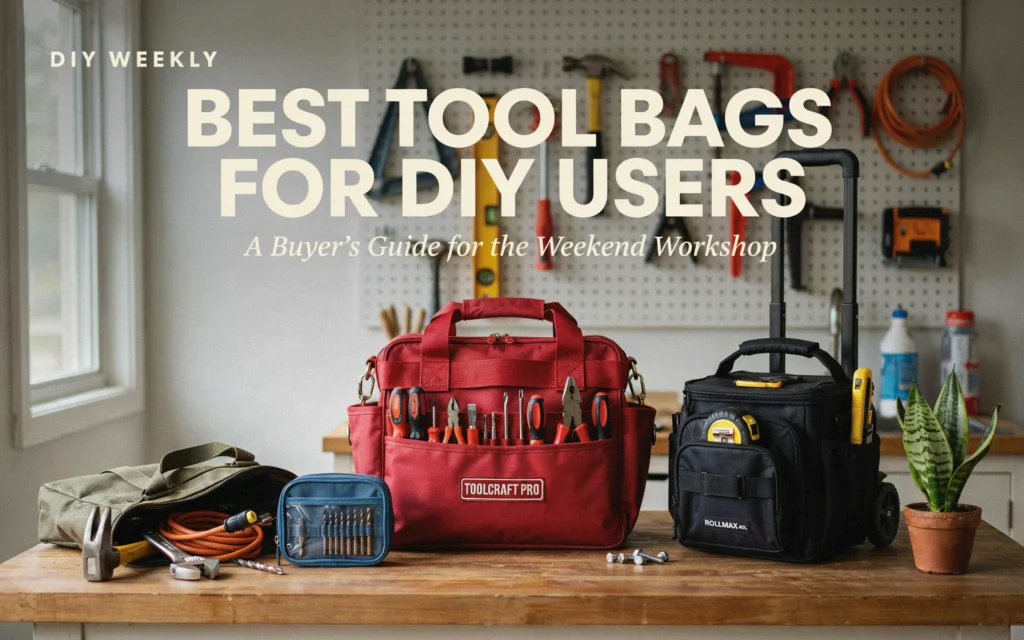
This bag works great for homeowners who need to move tools between the garage and the backyard or for DIYers who work in different locations. It is larger and heavier than other options, but the wheels more than make up for it.
| Bag Model | Pockets | Material | Weight | Price Range |
|---|---|---|---|---|
| DEWALT 33-Pocket | 33 | Polyester | 3 lbs | $40-$70 |
| Klein Tools Backpack | 39 | 1680D Ballistic | 6 lbs | $80-$120 |
| Amazon Basics 16″ | 26 | Polyester | 1.8 lbs | Under $20 |
| Carhartt Legacy | 27 | Polyester | 2 lbs | $50-$80 |
| DEWALT Rolling | 28 | Polyester | 8.8 lbs | $70-$100 |
How to Choose the Right Tool Bag for Your Projects
Picking the best tool bags for DIY users comes down to matching the bag to your specific needs. Here is a simple process to help you decide.
First, list the tools you carry most often. Lay them out on a table and look at what you actually use. This might include a hammer, a set of screwdrivers, pliers, a tape measure, a level, and a few other basics. Or it might include power tools like a drill, an impact driver, and a circular saw.
Second, think about where you work. Do you mostly stay in your garage? Do you carry tools to different rooms in your house? Do you take them to a friend’s house or to a job site? The answers will tell you whether you need a backpack, a tote, or a rolling bag.
Third, consider your budget. Good bags start around $40, but you can find decent options for less. If you use your tools every week, spending a bit more on quality is worth it. If you only do projects once in a while, a budget bag might be all you need.
Fourth, try before you buy if possible. Pick up the bag, feel the handles, and imagine carrying it loaded with tools. Check the pockets and see if they fit your gear. A bag that looks great online might feel awkward in person.
“The best tool bag is the one you actually use. I have seen people buy expensive bags that sit in the corner because they are too heavy or hard to organize. Start with what works for your daily routine.” – Norm Abram, Master Carpenter
Organizing Your Tool Bag
Once you have your bag, the next step is organizing it well. A messy bag defeats the purpose of having one in the first place. Here are some tips to keep your tools easy to find.
Put heavy items at the bottom and center of the bag. This keeps the bag stable and prevents it from tipping over. Place frequently used tools in exterior pockets where you can grab them quickly. Put less common items deeper inside.
Group similar tools together. Keep all your screwdrivers in one section, pliers in another, and measuring tools in a third. This makes it easy to find what you need without digging through everything.
Use smaller pouches or organizers inside the bag for tiny items like bits, screws, and nails. These small things get lost easily in a big bag, but a dedicated pouch keeps them contained.
Clean your bag regularly. Shake out the dust and debris that collects at the bottom. Wipe down the exterior with a damp cloth. A clean bag lasts longer and looks better.
Common Mistakes to Avoid
Many DIY users make the same mistakes when choosing and using tool bags. Here are a few to watch out for.
Buying a bag that is too big. A huge bag tempts you to carry tools you do not need. Extra weight slows you down and strains your back. Choose a bag that fits your essential tools with some room for extras, not a bag that holds everything you own.
Ignoring weight ratings. Some bags have a maximum weight limit. Exceeding it can tear the seams or damage the handles. Check the rating before you buy and stick to it.
Overloading one side. Distributing weight evenly keeps the bag balanced and comfortable to carry. Put heavy items in the center, not all on one side.
Forgetting about weather. If you work outside or in damp conditions, get a bag with a water-resistant base or shell. A wet bag soaks through and damages your tools.
Frequently Asked Questions
What size tool bag is best for a beginner DIY user?
Start with a medium-sized bag, around 14 to 16 inches. This size holds basic tools like a hammer, screwdrivers, pliers, and a tape measure without being too bulky. It is versatile enough for most home projects and easy to carry and store.
How many pockets do I really need in a tool bag?
It depends on how many tools you carry. For basic DIY use, 10 to 20 pockets are plenty. More pockets help with organization but can make the bag heavier and harder to navigate. Focus on pocket sizes that fit your actual tools rather than the total number.
Are expensive tool bags worth the money?
For frequent use, yes. Expensive bags use better materials, stronger stitching, and smarter designs. They last longer and protect your tools better. For occasional use, a budget bag works fine. The key is matching the bag to how often you use it.
Can I use a regular backpack for tools?
You can, but it is not ideal. Regular backpacks lack the reinforced stitching, padded handles, and organized pockets that tool bags have. Tools can tear through regular fabric and damage the bag. Tool backpacks are built specifically for heavy, sharp objects.
What is the best material for a tool bag?
1680D ballistic nylon is one of the toughest materials used in tool bags. It resists abrasion and tears. Heavy canvas is also durable and has a classic look. Avoid thin polyester, which wears out quickly.
How do I clean my tool bag?
Shake out loose debris first. Wipe the exterior with a damp cloth and mild soap. For deeper cleaning, check the manufacturer’s instructions. Some bags are machine washable, but most are not. Let the bag air dry completely before using it again.
Should I get a tool bag with wheels?
If you carry more than 30 pounds of tools regularly, a rolling bag is worth considering. It saves your back and makes transport easy. If you only carry a few pounds or work in tight spaces, a tote or backpack works better.
Final Thoughts
A good tool bag is one of the best investments you can make as a DIY user. It saves time, protects your tools, and makes every project more enjoyable. The best tool bags for DIY users combine durable materials, smart organization, and comfortable carrying options.
Think about how you work, what you carry, and where you go. Match those needs to the right bag, and you will wonder how you ever managed without one. Whether you choose a classic tote, a versatile backpack, or a convenient rolling bag, the right tool bag makes all the difference.
Start with a bag that fits your core tools and your budget. Use it for a few projects and see what works. You can always upgrade later. The important thing is to get organized and start enjoying your projects more. Your tools deserve a good home, and so do you.
Related posts
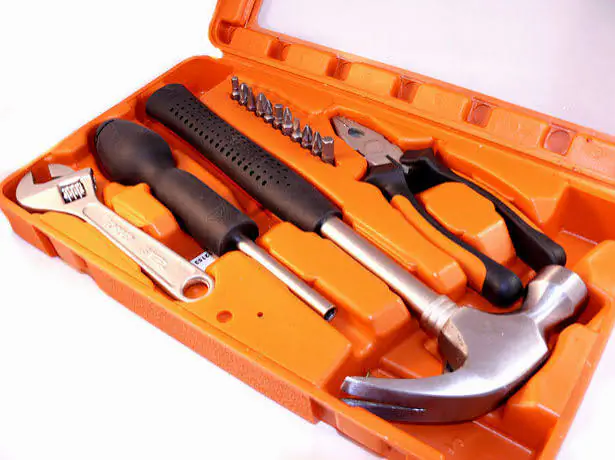 Which Tool Kit Is Worth Buying? How to Choose the Right Set for Your Home
Wondering which tool kit is worth buying? Compare basic household sets, mechanic kits, and power tool combos to find the best tools for your budget and…
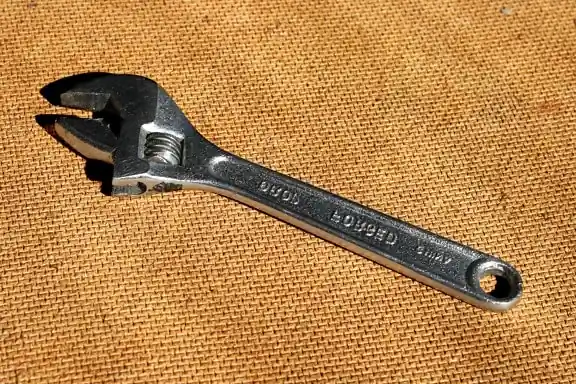 Which Hand Tools Are Made in the USA? Reliable Brands and Buying Rules
Discover which hand tools are still made in the USA. Compare top domestic brands, tool categories, and learn how to verify origin labels before buying. Several…
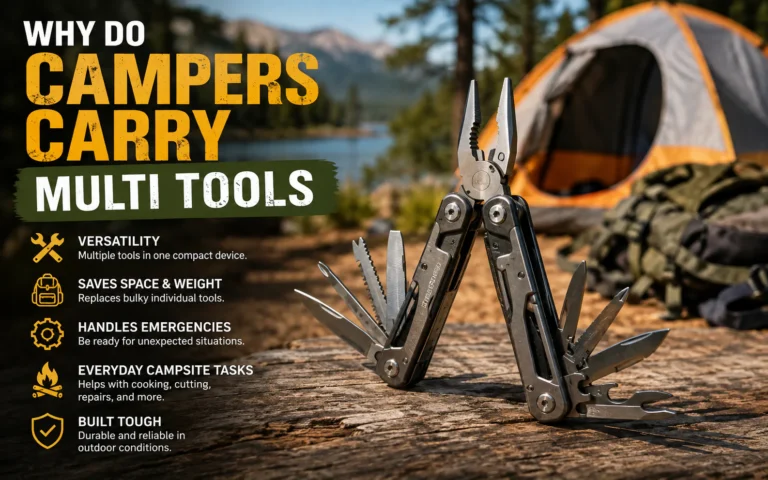 Why Do Campers Carry Multi Tools? Practical Uses in the Field
Why do Campers carry multi tools to handle gear repairs, campsite setup, food prep, and field fixes with minimal weight. Here is why one belongs in…