
What Is The Most Durable Material For A Tool Bag
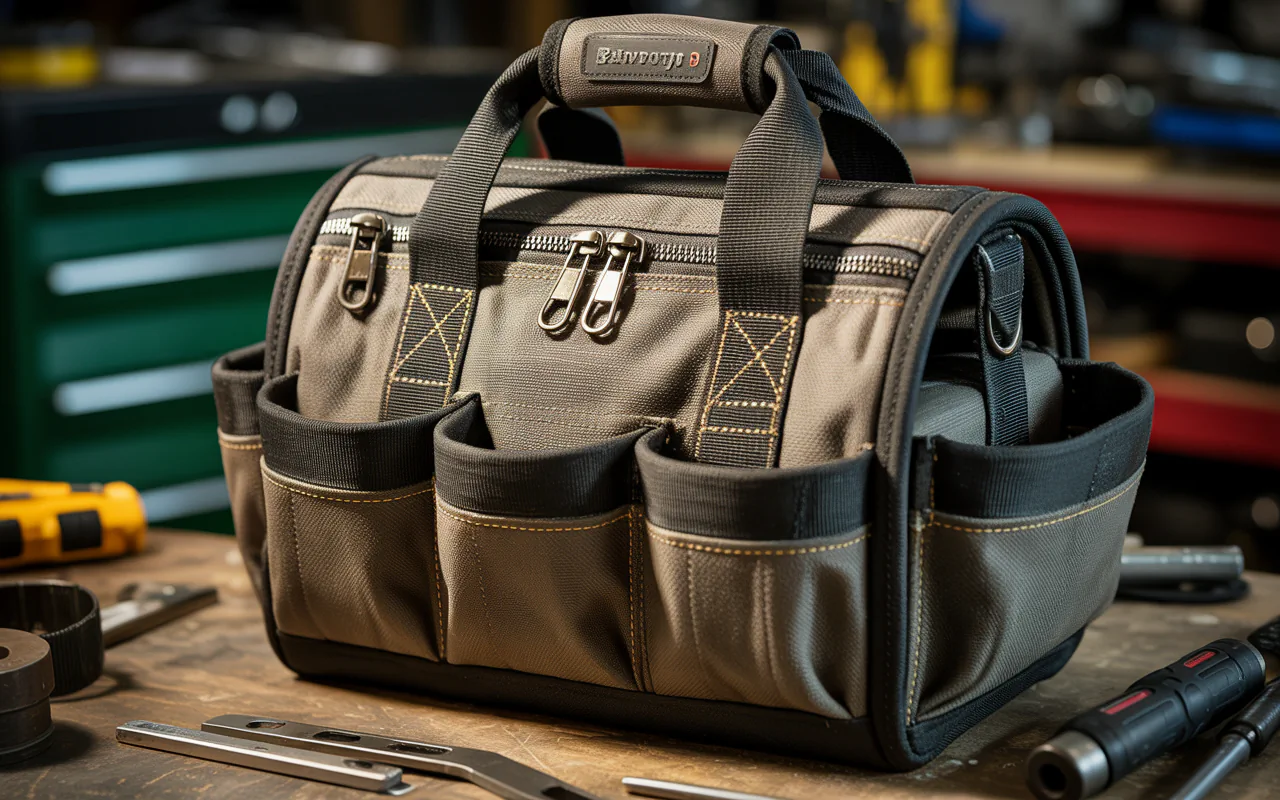
Choosing the most durable material for a tool bag is key to protecting your gear. Ballistic nylon remains the top pick for strength, resistance to tearing, and long-term daily use.
When you work in a trade or take on weekend projects, your gear takes a beating. You drag your bag across concrete floors, toss it into the back of a truck, and expose it to rain, oil, and sharp metal edges. If you pick the wrong fabric, your bag will fall apart in months. Replacing a bag is a pain and costs money that could go toward better tools.
Many people look for a balance between weight and strength. You do not want a bag that weighs ten pounds before you even put a wrench inside. At the same time, flimsy cloth will rip the moment a screwdriver points the wrong way. Finding the right balance means looking at denier ratings and coating types.
Quality is not an act, it is a habit. – Aristotle
If you want a bag that lasts for years, you need to think about how you use it. Do you work outside? Do you carry heavy steel hand tools or light plastic parts? The right choice makes your life easier. It keeps your tools organized and safe from the elements.
Understanding Fabric Strength and Denier
You will often see the word denier on labels. This term refers to the thickness of the individual threads used in the fabric. A higher number generally means a thicker, heavier, and stronger thread. However, a higher number also means the bag might be stiffer.
For most workers, a rating between 1000D and 1680D offers the sweet spot. It provides enough grit to stop punctures from nails or drills while staying flexible enough to open and close easily. Do not be fooled by extremely high numbers that make the bag too heavy to lift comfortably.
Common Materials Comparison
| Material | Best Use Case | Durability Level |
| Ballistic Nylon | Daily heavy duty work | Very High |
| Canvas | Traditional light work | Moderate |
| Polyester | Hobby and home use | Low to Moderate |
Ballistic Nylon: The Industry Standard
When you ask experts about the most durable material for a tool bag, they almost always point to ballistic nylon. Originally developed for protective vests, this material was made to handle impact and extreme friction. It does not fray easily, and it holds its shape even when packed full of heavy metal tools.
This material is usually coated with a water-resistant layer. This keeps your tools dry if you happen to be working in a light drizzle or if you set your bag down on a damp floor. It also cleans up well. If you get grease on the side, a simple wipe with a soapy cloth usually does the trick.
Another reason this is the most durable material for a tool bag is the tight weave. Because the fibers are packed so closely, sharp points struggle to find a gap to push through. You can carry chisels and saw blades without worrying about them poking through the bottom of your bag after a few weeks of movement.
Canvas: The Traditional Option
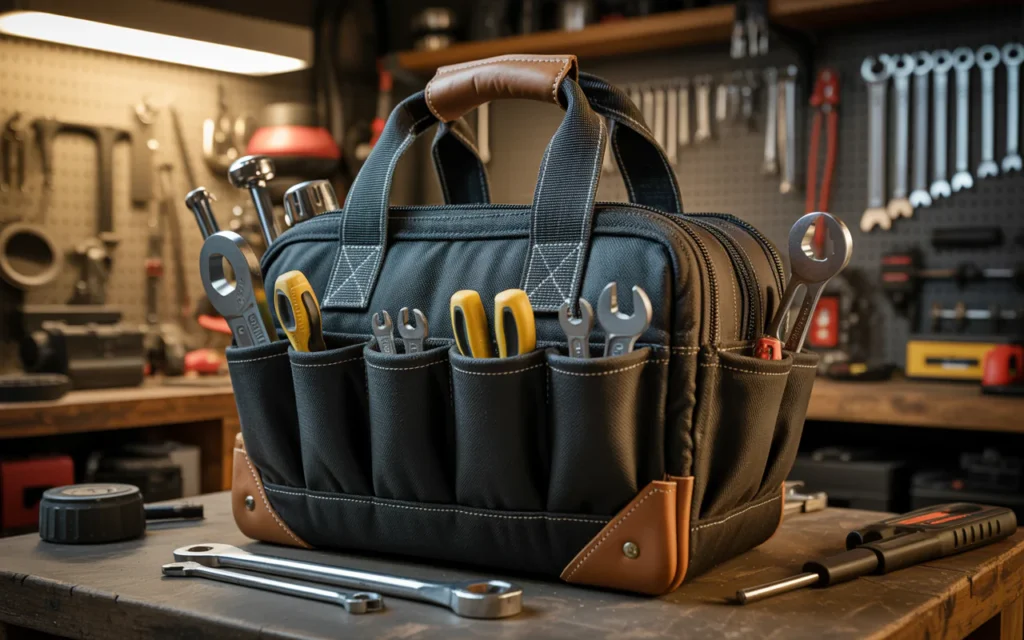
Canvas has been the go to choice for workers for over a century. It is a natural cotton product that feels thick and sturdy. Many people prefer the look and feel of canvas because it is soft yet tough. It can handle rough surfaces better than thin plastic fabrics.
However, canvas has a few drawbacks. It tends to absorb water unless it has been heavily treated with wax or synthetic coatings. If it gets wet and stays wet, it can grow mold or rot over time. While it is strong, it does not match the sheer tear resistance of modern synthetic ballistic nylon.
Efficiency is doing things right; effectiveness is doing the right things. – Peter Drucker
If you work in a dry climate or primarily inside a workshop, canvas is a fine pick. It lasts a long time if you care for it. Just make sure to dry it out if it gets damp. It offers a classic look that never goes out of style for woodworkers and finish carpenters.
Polyester: Affordable and Light
Polyester is the most common material you will find in budget bags. It is cheap to make and comes in many bright colors. If you only need a bag for small home repairs or keeping a set of screwdrivers in your closet, polyester is fine.
But if you are a professional, you should know that polyester usually lacks the tear strength of nylon. It often wears down at the corners where the bag hits the ground. The seams on these bags can also be weaker. While they work for light duty, they are not the most durable material for a tool bag if you carry heavy loads every single day.
Material Durability Ranking
| Rank | Material | Weight | Resistance |
| 1 | Ballistic Nylon | Heavy | Excellent |
| 2 | Heavy Duty Canvas | Moderate | Good |
| 3 | Polyester | Light | Fair |
Importance of Seams and Zippers
The fabric is only as good as the stitching holding it together. Even if you choose the most durable material for a tool bag, the bag will fail if the seams tear. Look for bags that use double stitching or bar tacking at high stress points.
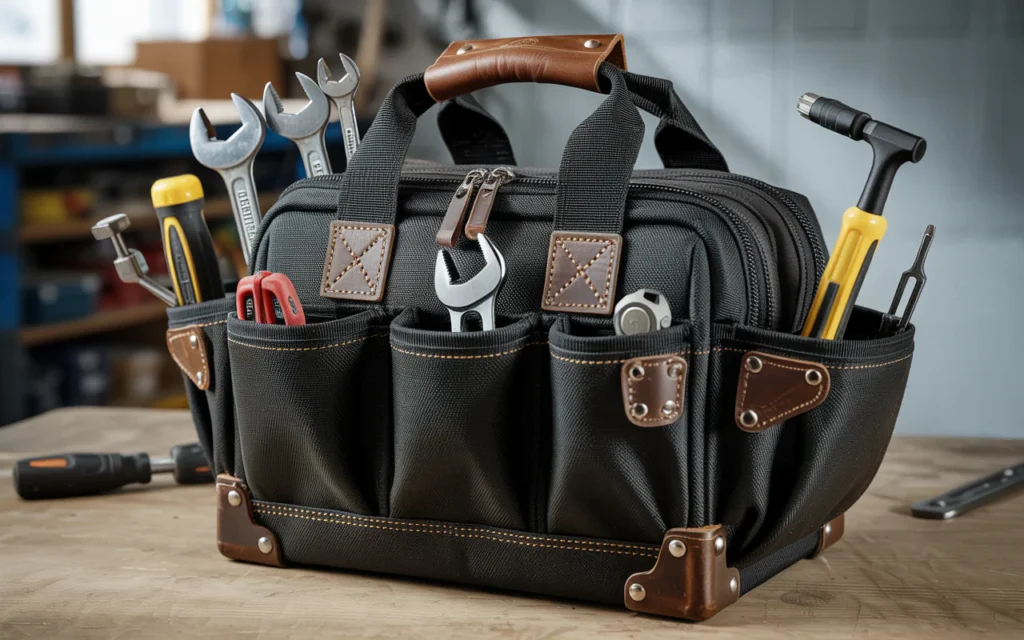
Bar tacking is a technique where the machine sews a tight cluster of stitches over a spot to reinforce it. Handles and pockets are the two spots that rip first. If you see thick, reinforced stitching at the base of the handles, the bag is built to last.
Zippers are another weak point. Metal zippers are generally better than plastic ones for tools. They do not snap as easily when you overstuff the bag. If you can find a bag with heavy duty YKK zippers, you are on the right path.
How to Care for Your Tool Bag
You might wonder if you need to wash your bag. Even the most durable material for a tool bag will last longer if you keep it clean. Dust and grit are like sandpaper. If they settle into the fibers of the fabric, they can act as an abrasive.
Every few months, empty the bag out. Use a soft brush to knock out the debris. If the bag is heavily soiled, use warm water and a little bit of mild dish soap. Avoid harsh chemicals that can break down the waterproof coating on the inside of the fabric.
Make sure the bag is completely dry before you put your tools back in. Moisture trapped inside can lead to rust on your metal gear. A clean, dry bag is a happy home for your expensive equipment.
Protecting Your Investment
You spent a lot of time and money picking out the right wrenches, drills, and testers. It only makes sense to give them a safe place to live. When you use the most durable material for a tool bag, you are protecting those tools from damage.
Think about the environment where you work. If you are on a construction site, you need something that resists cuts and scrapes. If you are an electrician, you might need a bag that stays open to give you easy access to small parts.
Do not settle for a bag that looks cool but falls apart in a month. Look for the label that mentions ballistic nylon or high denier cordura. These materials are tested to survive tough conditions. They are the standard for a reason.
Dealing with Extreme Conditions
If you work in a place with extreme heat or cold, your bag material matters even more. Cheap plastics can become brittle in freezing temperatures and crack when you drop them. High quality nylon stays flexible even when it is below zero.
Conversely, intense heat can weaken some coatings. Look for bags that use high quality synthetic fibers that resist fading and thinning under direct sun. If you leave your bag in a truck bed for months on end, the sun will eventually attack the fabric.
Investing in a bag built with the most durable material for a tool bag saves you from having to replace it every single season. It is a one time buy that pays for itself through years of reliable service. You can focus on your work instead of worrying if your bag will hold up.
The only way to do great work is to love what you do. – Steve Jobs
Frequently Asked Questions
What is the strongest fabric for a tool bag?
Ballistic nylon is widely considered the strongest fabric for tool bags. It is designed to resist tears, punctures, and abrasion, making it the most durable material for a tool bag in professional settings.
Is canvas better than nylon for tools?
Canvas is very tough and has a classic feel, but it is heavier and can hold moisture. Nylon is typically lighter, water resistant, and has higher tear strength. Most professionals prefer nylon for modern tools.
Does denier rating matter?
Yes, the denier rating tells you the weight and thickness of the thread. A higher denier, such as 1680D, usually indicates a thicker, more durable fabric that can handle heavy metal tools.
How do I know if a bag is built well?
Look at the stitching. The best bags use double stitching and bar tacking at stress points like the handles and pockets. Metal zippers are also a sign of a high quality, long lasting product.
Can I wash my tool bag?
Yes, you can clean your tool bag with a brush and mild soap. Always ensure it is fully dry before storing your tools to prevent rust and mold.
Conclusion
Finding the most durable material for a tool bag is not as hard as it seems once you know what to look for. Ballistic nylon stands out as the winner for its strength, weather resistance, and ability to survive daily abuse on the job. While canvas and polyester have their place, they often fall short when compared to the resilience of heavy duty nylon.
Remember that the fabric is only one part of the equation. Always check for sturdy zippers and reinforced stitching to ensure your bag can support the weight of your tools. By picking a bag made from the right stuff, you save yourself the hassle of frequent replacements and ensure your gear stays protected.
Take care of your equipment, and it will take care of you. Whether you are a pro contractor or a dedicated hobbyist, choosing a high quality, well built bag is a smart move that improves your efficiency. Keep your tools organized, your bag clean, and your work moving forward without interruption.
Related posts
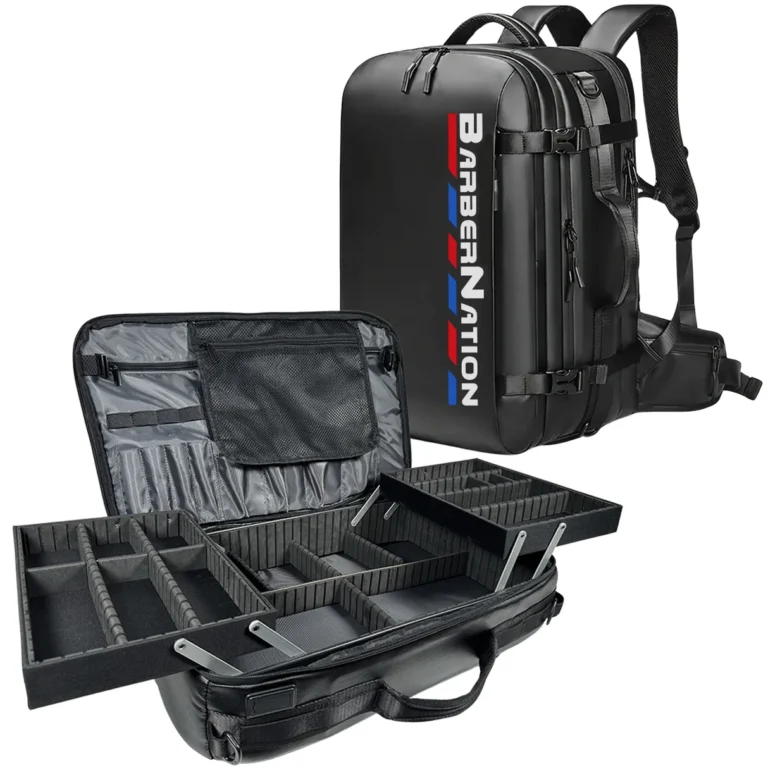 Top Tool Bags for Mobile Contractors: 2026 Buyer Guide
Discover the top tool bags for mobile contractors in 2026. Compare durable totes, backpacks, and multi-pocket organizers to find the best fit for your gear. For…
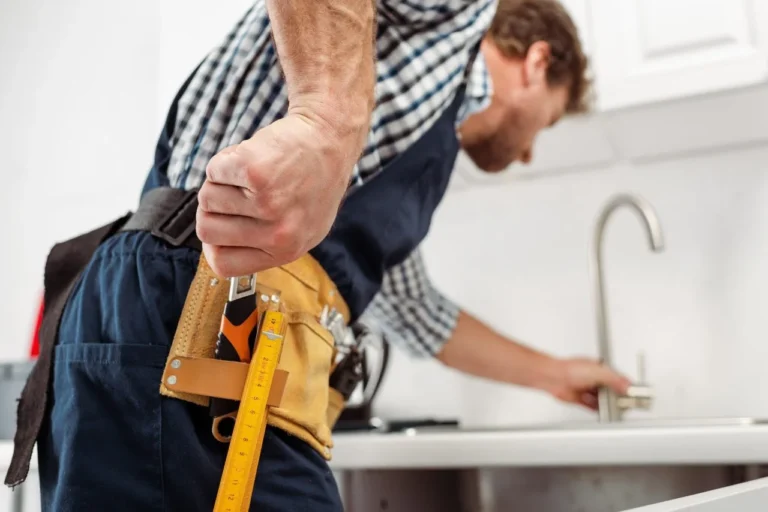 Top Tool Bags for Plumbers: 2026 Selection Guide
Discover the top tool bags for plumbers in 2026. We compare durable, multi-pocket storage solutions to help you organize your gear effectively on the job. Plumbing…
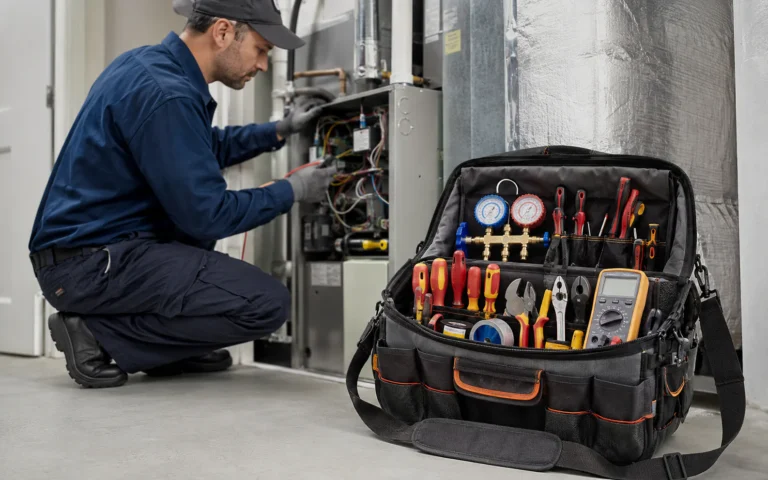 Best Tool Bag for HVAC Technicians in 2026
Find the right tool bag for HVAC technicians with our 2026 guide. Compare top-rated bags, backpacks, and pouches to keep your gear organized and protected. As…