
How Can I Keep My Tools Secure And Organized In A Tool Bag
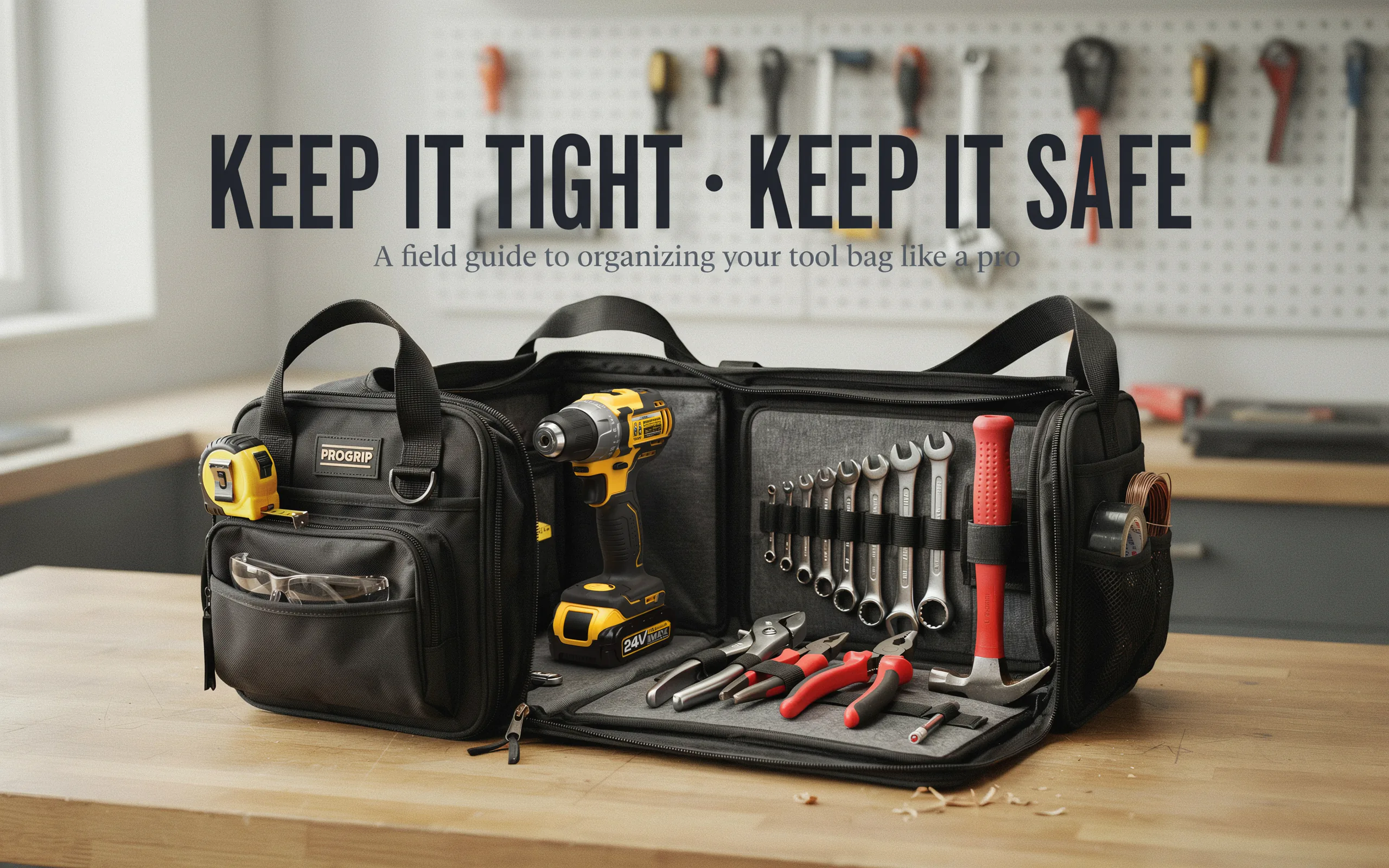
If you wonder how can I keep my tools secure and organized in a tool bag, the answer lies in choosing the right bag, sorting your gear by use, using pouches and straps, and cleaning regularly. This guide shows you exactly what to do.
Every person who works with tools knows the frustration of a messy bag. You reach inside for a screwdriver, and your hand finds a jumble of wrenches, pliers, and loose bits. You dig deeper, move things around, and still cannot find what you need. This wastes time, causes stress, and makes any job harder than it should be.
The good news is that you can fix this problem with a few simple steps. Whether you are a professional tradesperson, a weekend DIY lover, or someone who just likes to fix things around the house, learning how can I keep my tools secure and organized in a tool bag will change your work life for the better.
I have spent years carrying tools to different job sites and helping friends set up their own kits. I know what works and what does not. In this guide, I will share practical advice that comes from real experience, not just theory. You will learn how to choose the right bag, sort your tools properly, place them for easy access, secure them so they do not move around, and maintain your system over time.
Let us get started and turn that chaotic bag into a well‑ordered mobile workshop.
How Can I Keep My Tools Secure and Organized in a Tool Bag?
This is the question that drives this entire guide. The answer is not complicated, but it does require some thought and effort. You need a system that fits your specific tools and how you use them.
The process involves five main steps:
- Picking a bag with the right features.
- Sorting your tools into logical groups.
- Placing tools where they make sense.
- Securing everything so nothing shifts or falls.
- Keeping the system clean and up to date.
When you follow these steps, you will save time, protect your tools from damage, and reduce the risk of losing anything. Let us explore each step in detail.
Choosing the Right Tool Bag for Your Needs
The foundation of good organization is the bag itself. You cannot keep things neat and safe if your bag lacks the right pockets, compartments, and durability.
Size and Capacity Matters
Think about the tools you carry most often. Do you need space for large power tools like drills and grinders? Or do you mostly carry hand tools like screwdrivers, wrenches, and pliers? Choose a bag that fits your typical load without being too bulky. A bag that is too large makes it hard to find things, while a bag that is too small forces you to leave important tools behind.
Look for Good Organization Features
The best bags have multiple pockets, elastic loops, and zippered compartments. These features help you group tools by type and keep them visible. Some bags even have removable pouches or dividers that let you customize the layout. When you have a place for every tool, you naturally know where to find it.
Durability and Weather Resistance
Your bag goes through a lot. It gets tossed into vehicles, placed on rough surfaces, and exposed to dust, moisture, and temperature changes. Choose a bag made from heavy‑duty canvas, reinforced nylon, or polyester. Water‑resistant materials protect your tools from rain or spills. Strong zippers and sturdy handles also make a big difference in how long your bag lasts.
Portability Features
If you carry your bag over long distances, look for padded shoulder straps or comfortable handles. Some bags even have wheels for heavy loads. Think about how you move from place to place and pick a bag that makes that easier.
Sorting and Categorizing Your Tools
Once you have the right bag, the next step is to sort your tools. This is where many people skip ahead and just throw things in. But taking the time to categorize your gear pays off every single time you open your bag.
Empty Your Bag and Lay Everything Out
Start fresh. Take every tool out of your bag and spread them on a clean surface. This gives you a clear picture of what you actually carry. You might find duplicates, broken items, or tools you never use.
Group Tools by Function
Create categories based on what each tool does. For example:
- Cutting tools: knives, scissors, wire cutters.
- Fastening tools: screwdrivers, wrenches, pliers.
- Measuring tools: tape measure, level, ruler.
- Power tools: drills, grinders, impact drivers.
- Small parts: screws, nails, drill bits.
When you group similar items together, you reduce the time spent searching. You also make it easier to notice if something is missing.
Decide What Stays and What Goes
Not every tool needs to live in your main bag. Keep only the tools you use regularly. Store less common items in a separate box or workshop drawer. A lighter bag is easier to carry and quicker to search through. Be honest with yourself about what you truly need.
Placing Tools for Maximum Efficiency
Now that you have your groups, it is time to put them into the bag. Where you place each tool affects how quickly you can grab it and how balanced your bag feels.
Keep Heavy Tools at the Bottom
Place your heaviest tools like hammers, large wrenches, and power tools at the bottom of the bag. This lowers the center of gravity and makes the bag more stable. It also prevents heavy items from crushing lighter ones.
Put Frequently Used Tools in Easy‑to‑Reach Spots
Think about which tools you reach for most often. Keep those in outer pockets or at the top of the main compartment. For example, your tape measure, utility knife, and favorite screwdriver should be right at hand. Less used items can go deeper inside or in side pockets.
Use the Bag’s Built‑In Features
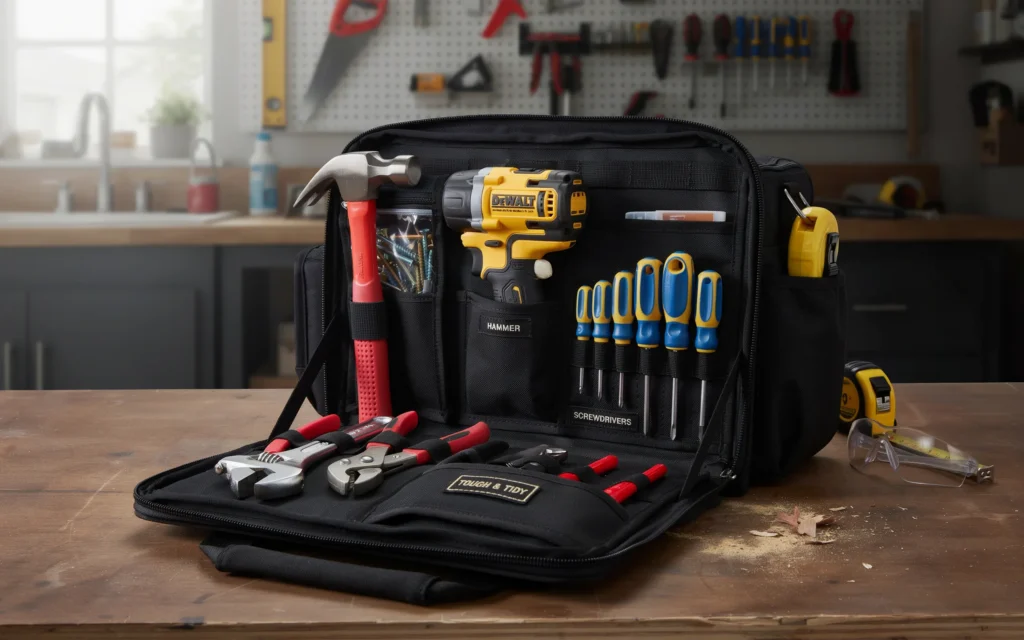
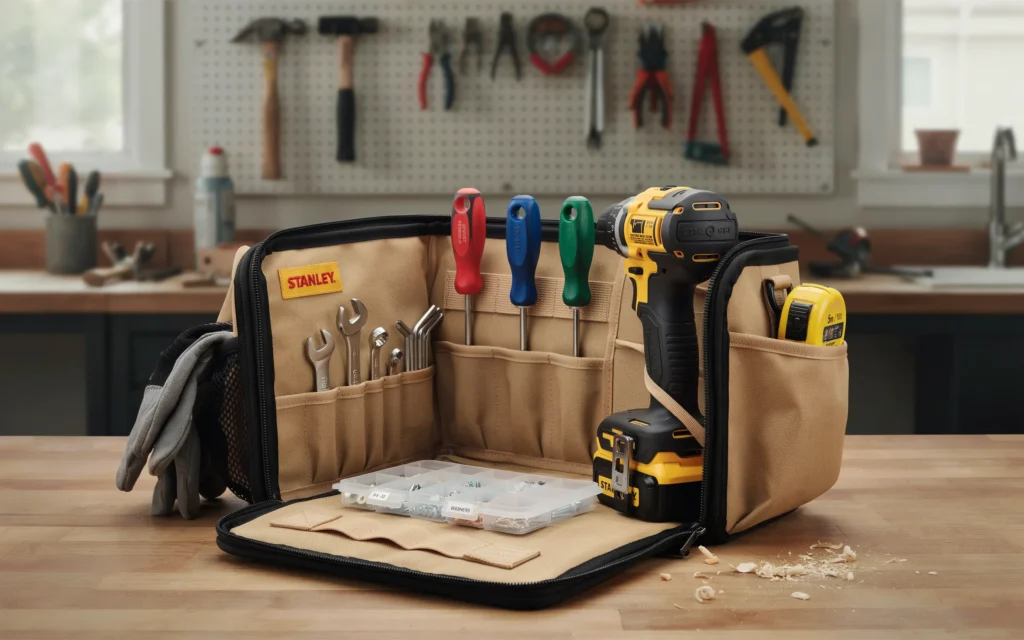
Most tool bags have elastic loops, mesh pockets, and zippered sections. Use them. Put screwdrivers and pliers in the loops so they stand upright and are easy to grab. Store small items like bits and fasteners in zippered pouches so they do not get lost at the bottom.
Securing Tools So They Stay Put
Organization is not just about neatness. It is also about safety. Tools that shift around inside your bag can get damaged, and they can also damage each other. Loose tools can fall out when you open the bag, and sharp edges can cause injuries.
Use Straps, Elastic Bands, and Pouches
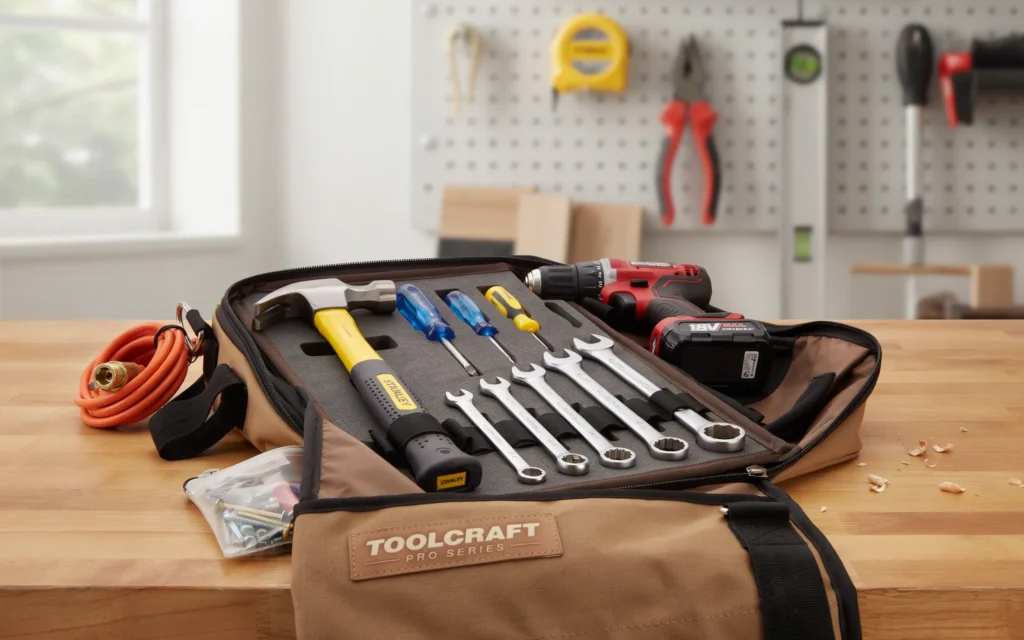
Many bags come with internal straps or elastic bands that hold tools in place. Use these to secure longer items like levels or pry bars. For smaller tools, use pouches or small containers. This prevents everything from sliding into a pile at the bottom.
Secure Sharp or Hazardous Tools
Pay special attention to tools with sharp edges, like chisels, utility knives, or saw blades. Store them in sheaths or wrap them in cloth. Make sure they are not loose where your hand might accidentally grab them.
Lock the Bag When You Are Not Using It
Security also means protecting your tools from theft. Choose a bag with lockable zippers or a hasp for a padlock. When you leave your bag in a vehicle or on a job site, lock it. This small step deters casual theft and gives you peace of mind.
Consider Tool Tethers for Added Safety
If you work at heights or in crowded spaces, tether your tools to the bag. Some bags have D‑rings where you can attach carabiners or lanyards. This prevents tools from falling and getting lost or causing accidents.
Maintenance to Keep Your System Working
A well‑organized bag does not stay that way by itself. You need to maintain it regularly. This means cleaning, inspecting, and making small adjustments as your tool collection changes.
Clean Your Bag Regularly
Empty your bag at least once a month. Shake out dust and debris. Wipe the inside and outside with a damp cloth. For canvas or nylon bags, you can use mild soap and water for a deeper clean. Let the bag air dry completely before putting tools back in. Never use harsh chemicals or bleach, as these can damage the fabric.
Check Zippers, Seams, and Handles
Inspect your bag for wear and tear. Look for loose threads, broken zippers, or weak handles. Fix small problems early before they become big ones. A broken zipper can ruin your day, especially if you are in the middle of a job.
Keep Tools Dry to Prevent Rust
Moisture is the enemy of metal tools. Make sure your tools are dry before you put them back in the bag. You can also add silica gel packs to absorb excess moisture. Wipe down tools with a light coat of oil if you work in damp conditions.
Extra Tips for Specific Tool Types
Different tools have different needs. Here are some tips for handling common categories.
Wrenches and Sockets
These can be a mess if you just toss them in. Use a wrench roll or a socket organizer. Some people use wire gate hitch pins to keep SAE and metric sizes separate. This makes it easy to grab the right size without digging.
Screwdrivers and Hex Keys
Store these upright in elastic loops. For hex keys, consider a folding set or a small pouch. This keeps them from scattering and getting lost.
Power Tools and Batteries
Keep power tools in the main compartment, preferably with their own padded section. Store batteries separately in a dry pocket. Do not leave batteries loose where they can short against metal tools.
Small Parts and Fasteners
Use small containers or zippered pouches for screws, nails, and bits. Clear pouches are great because you can see what is inside without opening them. Label each pouch so you know exactly what it contains.
Common Mistakes to Avoid
Even with good intentions, people make mistakes that ruin their organization. Here are some pitfalls to watch out for.
Overloading the Bag
It is tempting to carry every tool you own, but this makes your bag heavy and hard to manage. Carry only what you need for the job. Leave the rest in your workshop or vehicle.
Ignoring Weight Distribution
Putting all heavy tools on one side makes the bag awkward to carry. Distribute weight evenly. Place heavy items at the bottom and in the center.
Not Cleaning Regularly
Dust and debris build up over time. This makes your bag look dirty and can damage zippers. A quick clean every month keeps everything in good shape.
Forgetting to Update Your System
Your tool collection changes. You buy new tools, retire old ones, and take on different types of jobs. Review your organization every few months and adjust as needed.
“A place for everything and everything in its place. This old saying holds true for tool bags more than most people realize.” – Frank Morrison, Master Carpenter with 30 years of experience
Quick Reference Table for Tool Placement
| Tool Type | Best Location in Bag | Reason |
|---|---|---|
| Hammers, large wrenches, power tools | Bottom of main compartment | Lowers center of gravity, stabilizes bag |
| Screwdrivers, pliers, utility knives | Elastic loops or outer pockets | Easy to grab without digging |
| Tape measure, level, marking tools | Top section or side pocket | Frequently used, quick access |
| Drill bits, screws, small parts | Zippered pouches or small containers | Prevents loss, keeps them organized |
| Sharp tools (chisels, saws) | Sheaths or wrapped, placed securely | Safety, prevents damage to other tools |
Recommended Accessories for Better Organization
You do not need to buy a lot of extra stuff, but a few accessories can make a big difference.
| Accessory | Purpose | Benefit |
|---|---|---|
| Tool pouches | Group small items | Keeps bits and fasteners from getting lost |
| Elastic straps | Secure long tools | Prevents shifting during transport |
| Wrench rolls | Organize wrenches by size | Easy to find the right size quickly |
| Small parts containers | Store screws, nails, bits | Clear visibility, keeps items separated |
| Carabiner or tether | Attach tools to bag | Prevents falls, especially at heights |
How to Maintain Your System Over Time
Organization is not a one‑time task. It is a habit. Here is how to keep your system running smoothly.
Set a Regular Review Schedule
Pick a day each month to go through your bag. Remove everything, clean the bag, and check each tool. Replace anything that is worn out. This routine keeps your bag in top condition.
Clean Tools Before Putting Them Away
Wipe down dirty tools before you return them to the bag. This prevents grime from building up inside. It also protects your tools from rust and corrosion.
Adjust for Seasonal Changes
If you work outdoors, your needs change with the weather. In winter, you might carry different tools than in summer. Adjust your bag contents accordingly.
Keep a Spare Bag for Backup
If you have a large collection, consider having a backup bag. Keep your most used tools in your main bag and store extras elsewhere. This keeps your primary bag light and focused.
“The real cost of a disorganized tool bag is not the money you spend on replacements. It is the time you waste searching for things.” – Linda Hayes, Professional Organizer and Author
Frequently Asked Questions
Q1: How often should I clean my tool bag?
You should do a basic clean every month. Shake out debris, wipe surfaces, and check for damage. A deeper clean with soap and water can be done every few months or as needed.
Q2: What is the best way to organize screwdrivers in a tool bag?
Use elastic loops or a dedicated screwdriver holder. Stand them upright so you can see the tips. Group them by type, such as flathead and Phillips.
Q3: Can I wash my tool bag in a washing machine?
Some canvas and nylon bags can be machine washed, but always check the manufacturer’s label first. Use a gentle cycle and air dry. Never machine wash leather bags.
Q4: How do I keep my tools from rusting inside the bag?
Make sure tools are completely dry before you put them away. Add silica gel packs to absorb moisture. Wipe metal tools with a light oil if you work in humid conditions.
Q5: What should I do if my bag gets wet?
Remove all tools immediately. Dry each tool thoroughly to prevent rust. Let the bag air dry in a well‑ventilated area away from direct heat.
Q6: How can I prevent tools from shifting around in my bag?
Use straps, elastic bands, and pouches to hold tools in place. Place heavy items at the bottom. Fill empty spaces with smaller pouches to reduce movement.
Q7: Is it worth spending more on a high‑quality tool bag?
Yes. A durable bag with good organization features lasts longer and makes your work easier. Cheap bags often have weak zippers and thin fabric that tears quickly.
Q8: How do I choose the right size tool bag?
Think about the tools you carry most often. Choose a bag that fits those tools without being too large. A bag that is too big makes it hard to find things.
Q9: Can I use a tool backpack instead of a traditional bag?
Yes. Tool backpacks are great for people who carry heavy loads or walk long distances. They distribute weight evenly across your shoulders.
Q10: How can I keep track of small parts like screws and bits?
Use small clear containers or zippered pouches. Label each one so you know what is inside. Keep these pouches in a dedicated pocket or section of your bag.
“Good organization is not about being neat. It is about being effective. When your tools are easy to find, your work flows better.” – David Chen, Construction Site Manager
Putting It All Together
Now you have a complete system for keeping your tools secure and organized in a tool bag. Let me summarize the key points.
First, choose a bag that fits your needs. Look for good organization features, durable materials, and comfortable carrying options.
Second, sort your tools into categories. Group similar items together and remove anything you do not need.
Third, place tools thoughtfully. Heavy items go at the bottom. Frequently used tools go in easy‑to‑reach spots. Use the bag’s pockets, loops, and pouches.
Fourth, secure everything. Use straps, elastic bands, and pouches to prevent shifting. Lock your bag when you are not using it.
Fifth, maintain your system. Clean your bag regularly, inspect for damage, and adjust as your tool collection changes.
When you follow these steps, you will wonder why you did not do this sooner. Your work will be faster, your tools will last longer, and you will feel more in control.
Final Thoughts
Learning how can I keep my tools secure and organized in a tool bag is one of the best investments you can make in your work. It saves time, reduces frustration, and protects your valuable equipment.
I have used these methods for years, and they have never let me down. Whether I am on a job site, working in my garage, or helping a friend with a project, I know exactly where to find every tool. That confidence makes a big difference.
Start today. Empty your bag, sort your tools, and set up your system. You will be glad you did.
Conclusion
A well‑organized tool bag is more than just a convenience. It is a productivity tool in its own right. When you know where everything is, you work faster and with less stress. Your tools stay in better condition because they are not banging against each other. You also reduce the risk of losing items or leaving them behind.
The steps are simple: choose the right bag, sort your tools, place them thoughtfully, secure them properly, and maintain your system. Anyone can do this. It does not require special skills or expensive equipment. Just a bit of time and attention.
So, take action today. Apply what you have learned here. You will notice the difference immediately. Your tools will be safer, your work will be smoother, and you will finally have the organized system you deserve.
Remember, the goal is not perfection. It is progress. Every small improvement you make adds up over time. Start with one step, then the next, and soon you will have a tool bag that works as hard as you do.
Now go ahead and make your tool bag the best it can be. You have all the knowledge you need. The rest is up to you.
Related posts
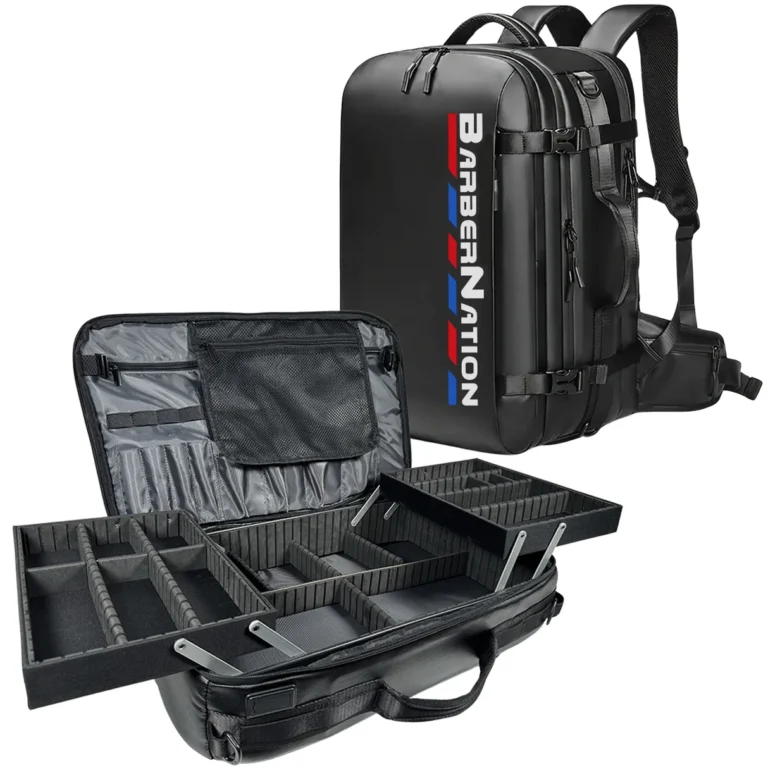 Top Tool Bags for Mobile Contractors: 2026 Buyer Guide
Discover the top tool bags for mobile contractors in 2026. Compare durable totes, backpacks, and multi-pocket organizers to find the best fit for your gear. For…
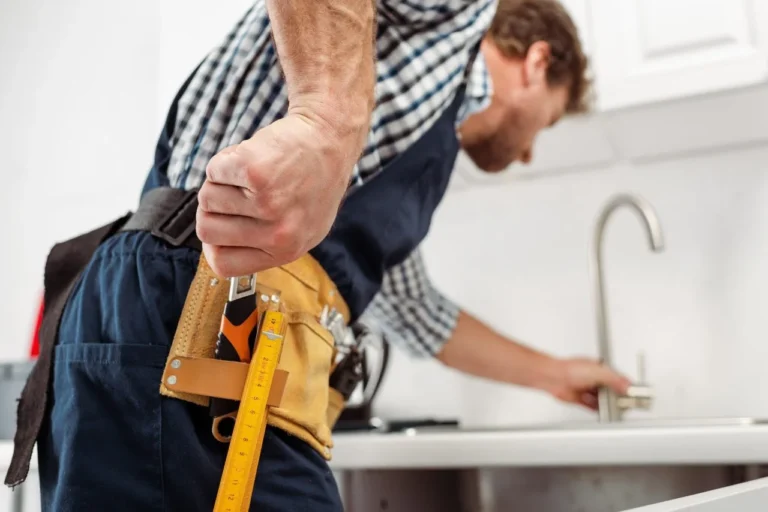 Top Tool Bags for Plumbers: 2026 Selection Guide
Discover the top tool bags for plumbers in 2026. We compare durable, multi-pocket storage solutions to help you organize your gear effectively on the job. Plumbing…
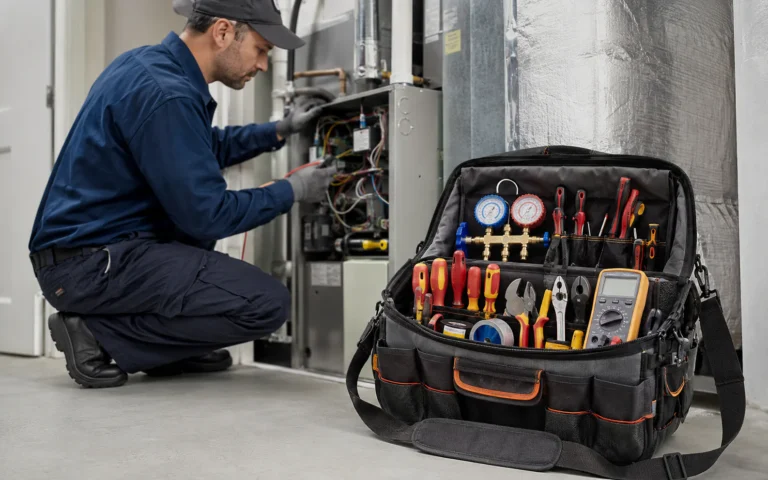 Best Tool Bag for HVAC Technicians in 2026
Find the right tool bag for HVAC technicians with our 2026 guide. Compare top-rated bags, backpacks, and pouches to keep your gear organized and protected. As…