
Essential Tools Used for Brake Maintenance: A Practical Guide
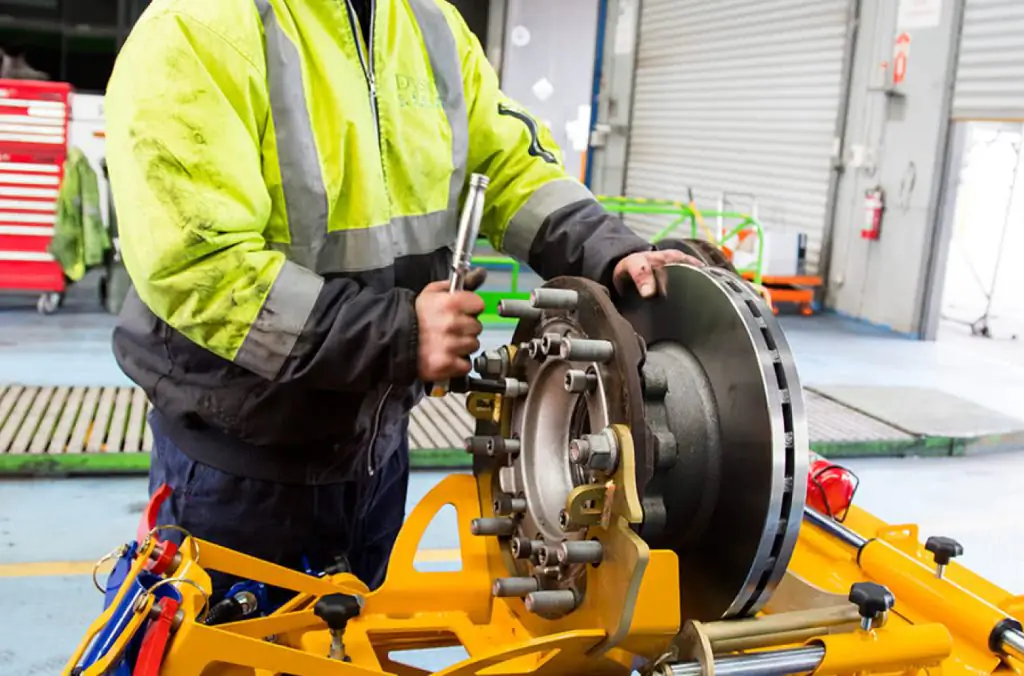
Brake maintenance requires a combination of standard automotive hand tools and a few specialized items designed specifically for hydraulic systems. At a minimum, you need a reliable way to lift and secure the vehicle, a set of sockets for removing wheels and calipers, and tools to compress the brake pistons.
Beyond these basics, effective maintenance involves cleaning the assembly and ensuring all fasteners are tightened to the manufacturer’s specifications. Using the correct tool for each step not only speeds up the process but also prevents damage to sensitive components like brake lines and bleeder screws.
Socket and wrench sets
- Safety gear like jack stands is non-negotiable for any brake work.
- Specialized tools like piston compressors make the job significantly easier.
- Using the right wrench type prevents rounding off critical brake line bolts.
- Brake cleaner is essential for removing debris and contaminants.
| Topic | When it helps | What to keep in mind |
|---|---|---|
| 1 | All brake maintenance tasks involving wheel removal. | Never rely solely on a hydraulic jack; always use jack stands. |
| 2 | General disassembly and reassembly. | Avoid using standard wrenches on brake lines; use flare nut wrenches to prevent rounding. |
| 3 | Replacing brake pads. | Some modern vehicles with electronic parking brakes require a scan tool to retract the piston. |
| 4 | Replacing brake fluid or opening the hydraulic system. | Air in the lines leads to a ‘spongy’ brake pedal. |
Core Hand Tools for Brake Service
Most brake maintenance begins with removing the wheels and the brake caliper. For this, a standard socket set is your primary tool. A 3/8-inch or 1/2-inch drive ratchet with a variety of deep and shallow sockets will cover most mounting bolts.
When dealing with brake lines, standard open-ended wrenches are often too loose. A flare nut wrench, also known as a line wrench, provides a tighter grip on the nut, significantly reducing the risk of rounding off the fitting.

Using a 6-point socket instead of a 12-point socket on a tight caliper bolt to prevent stripping.
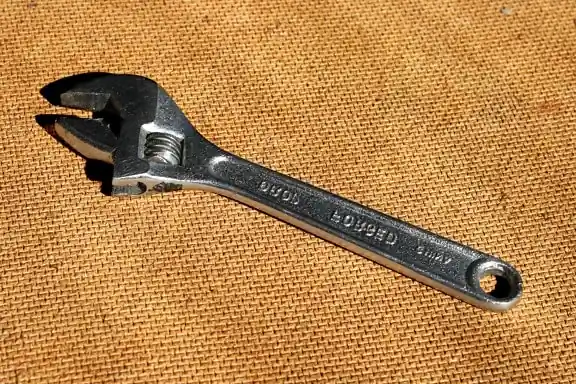
Using adjustable wrenches, which can easily slip and damage bolt heads.
- Ratchet and socket set (metric/SAE)
- Flare nut wrenches for hydraulic lines
- Breaker bar for high-torque bolts
- Torque wrench for final tightening
Safety and Precision Checks
Brakes are a critical safety system. Beyond the physical tools, you need a torque wrench to ensure every bolt is tightened to the exact specification provided in your owner’s manual. This prevents hardware from vibrating loose or snapping under pressure.
Cleaning is also a form of maintenance. Brake cleaner spray is essential for removing dust and road grime from the rotor and caliper assembly. This ensures the new pads seat correctly and prevents noise during operation.
Always using a torque wrench to tighten lug nuts to the manufacturer’s specified setting, rather than guessing.
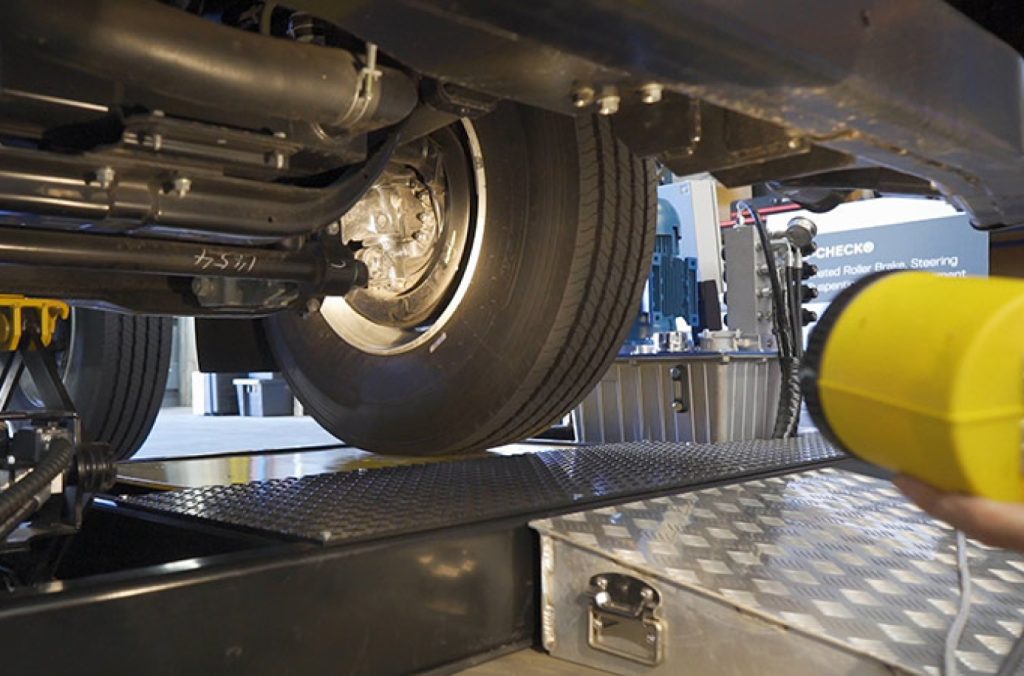
Over-tightening bolts, which can snap the bolt or warp the rotor.
- Torque wrench for accurate fastener tension
- Brake cleaner for removing contaminants
- Wire brush for cleaning mounting surfaces
- Safety glasses to protect against brake dust
| Tool Type | Primary Purpose | Safety Impact |
|---|---|---|
| Jack Stands | Vehicle support | High |
| Torque Wrench | Fastener tension | High |
| Flare Nut Wrench | Line protection | Medium |
| Brake Cleaner | Debris removal | Medium |
Focus on common hand tools
1. Lifting and Support Equipment
A floor jack and at least two jack stands are required to safely elevate the vehicle and keep it stable during service.
- All brake maintenance tasks involving wheel removal.
- Never rely solely on a hydraulic jack; always use jack stands.
- Ensure your jack stands are rated for your vehicle’s weight.
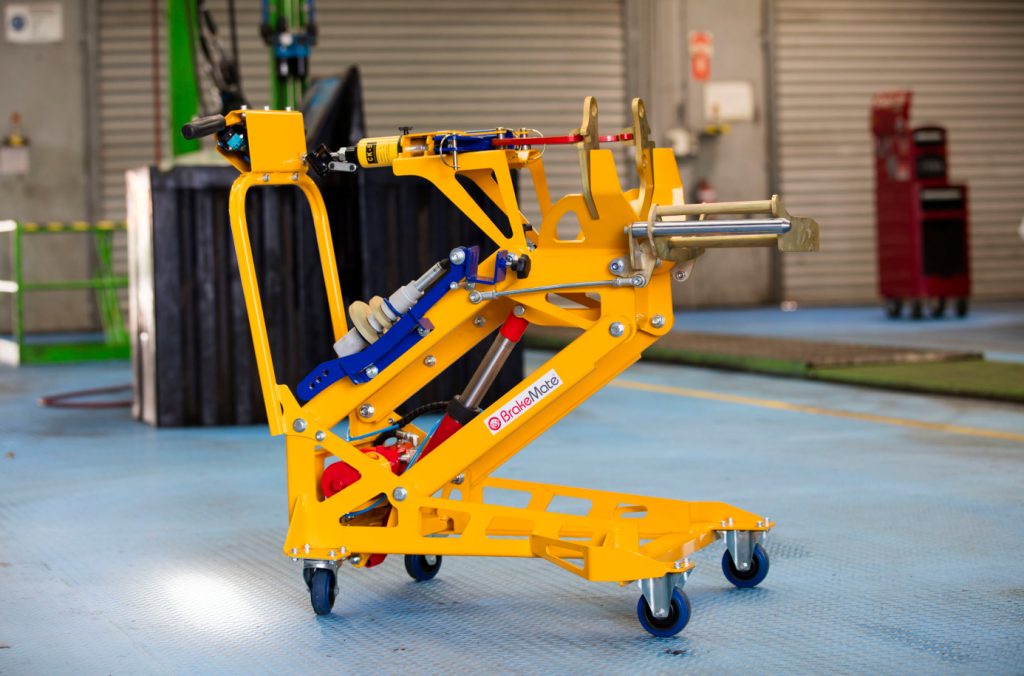
2. Socket and Wrench Sets
Metric or SAE socket sets and open-ended wrenches are used to remove caliper bolts and mounting bracket hardware.
- General disassembly and reassembly.
- Avoid using standard wrenches on brake lines; use flare nut wrenches to prevent rounding.
- Keep a breaker bar handy for stubborn, rusted bolts.
3. Caliper Piston Tool
A dedicated tool or a C-clamp used to compress the brake piston back into the caliper housing to make room for new, thicker pads.
- Replacing brake pads.
- Some modern vehicles with electronic parking brakes require a scan tool to retract the piston.
- Check if your vehicle has an electronic parking brake before starting.
4. Brake Bleeding Kit
A vacuum pump or a simple hose-and-bottle setup used to remove air bubbles from the brake lines after service.
- Replacing brake fluid or opening the hydraulic system.
- Air in the lines leads to a ‘spongy’ brake pedal.
- Use a clear tube to monitor fluid color and air bubbles.
FAQs
Do I need a special tool for rear brakes?
Some vehicles with electronic parking brakes require a diagnostic scan tool to put the system into ‘service mode’ before you can retract the pistons.
What is the 30-30-30 rule for brakes?
This is a common guideline for bedding in new pads: perform 30 stops from 30 mph with 30 seconds of cooling in between to properly transfer pad material to the rotor.
Is it hard to change brakes by yourself?
It is a manageable task for many, provided you have the right tools, a service manual for your specific vehicle, and a clear understanding of safety protocols.
Can I use a regular wrench on brake lines?
It is highly discouraged. Brake line fittings are soft and prone to rounding; always use a flare nut wrench for a secure fit.
Conclusion
Proper brake maintenance relies on having the right tools for the job. By using dedicated equipment like flare nut wrenches, piston compressors, and torque wrenches, you ensure that your vehicle’s braking system remains safe and reliable.
Before starting any work, verify the specific requirements for your vehicle, especially if it features electronic parking brakes. Always prioritize safety by using proper lifting equipment and wearing protective gear.
Related posts
 Which Tool Kit Is Worth Buying? How to Choose the Right Set for Your Home
Wondering which tool kit is worth buying? Compare basic household sets, mechanic kits, and power tool combos to find the best tools for your budget and…
 Which Hand Tools Are Made in the USA? Reliable Brands and Buying Rules
Discover which hand tools are still made in the USA. Compare top domestic brands, tool categories, and learn how to verify origin labels before buying. Several…
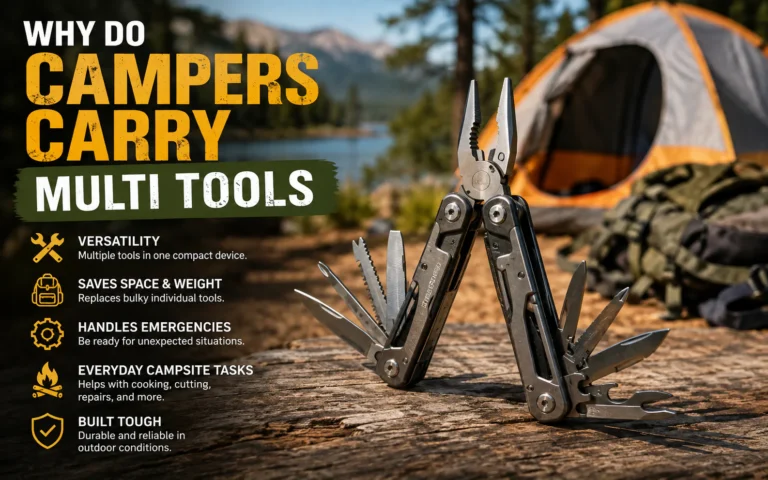 Why Do Campers Carry Multi Tools? Practical Uses in the Field
Why do Campers carry multi tools to handle gear repairs, campsite setup, food prep, and field fixes with minimal weight. Here is why one belongs in…