
How to Use a Socket Wrench Correctly: A Beginner’s Guide

Using a socket wrench correctly involves more than just turning a handle; it requires understanding the tool’s components, selecting the right parts, and applying proper technique. This versatile tool, often called a ratchet wrench, makes tightening and loosening nuts and bolts much faster and easier than traditional wrenches, especially in tight spaces.
To use a socket wrench correctly, you’ll need to choose the right-sized socket for your fastener, attach it securely to the ratchet, set the ratchet’s direction for either tightening or loosening, and then apply steady, controlled force. Mastering these steps ensures you work efficiently, prevent damage to fasteners, and stay safe.
Safety checks
- Always match the socket size precisely to the fastener.
- Understand and correctly use the ratchet’s directional switch for tightening or loosening.
- Apply steady, controlled force, avoiding sudden jerks or excessive leverage.
- Prioritize safety by wearing appropriate personal protective equipment.
- Proper technique prevents damage to both the fastener and your tools.
| Topic | When it helps | What to keep in mind |
|---|---|---|
| Step 1 | Ensuring a secure grip on the fastener and preventing damage. | Using a socket that is too large will strip the fastener, making it impossible to remove or tighten. |
| Step 2 | Creating a stable and reliable connection between the tool and the fastener. | A loosely attached socket can fall off during use, potentially causing injury or losing the socket. |
| Step 3 | Controlling the action of the wrench for tightening or loosening tasks. | Setting the wrong direction means you’ll be applying force ineffectively or even tightening when you mean to loosen. |
| Step 4 | Efficiently and safely turning the fastener without damage. | Slipping can cause scraped knuckles or damage to the surrounding area. |
| Step 5 | Ensuring tool longevity and readiness for the next project. | Leaving tools dirty or improperly stored can lead to rust and decreased performance. |
Focus on the basic operation
Step 1. Choose the Right Socket and Drive Size
How to Use a Socket Wrench Correctly. The first critical step is selecting a socket that perfectly matches the size of the nut or bolt you’re working on. Sockets come in various sizes (e.g., 10mm, 1/2 inch) and drive sizes (e.g., 1/4″, 3/8″, 1/2″), which must match your ratchet.
- Ensuring a secure grip on the fastener and preventing damage.
- Using a socket that is too large will strip the fastener, making it impossible to remove or tighten.
- Always test the fit by hand before applying force.
- Tool Match – Socket size to fastener, drive size to ratchet.
Step 2. Attach the Socket to the Ratchet
Once you have the correct socket, simply push it firmly onto the square drive of your ratchet wrench. You should feel it click into place, indicating it’s securely locked.
- Creating a stable and reliable connection between the tool and the fastener.
- A loosely attached socket can fall off during use, potentially causing injury or losing the socket.
- Give the socket a gentle tug to confirm it’s fully seated and won’t easily detach.
- Connection Type – Square drive with ball detent.
Step 3. Set the Ratchet Direction
Your socket wrench has a small lever or switch on its head that controls the direction of the ratcheting mechanism. Flip this switch to determine whether the wrench will tighten (clockwise) or loosen (counter-clockwise) the fastener.

- Controlling the action of the wrench for tightening or loosening tasks.
- Setting the wrong direction means you’ll be applying force ineffectively or even tightening when you mean to loosen.
- A common mnemonic is ‘righty-tighty, lefty-loosey’ for standard threads.
- Direction Control – Lever/switch on ratchet head.
Step 4. Position the Wrench and Apply Force
Place the socket squarely onto the fastener. Grip the handle firmly, ideally with two hands for better control and leverage.
- Efficiently and safely turning the fastener without damage.
- Slipping can cause scraped knuckles or damage to the surrounding area.
- For stubborn fasteners, try applying penetrating oil first.
- Technique – Steady, controlled pressure.
Step 5. Finish the Job and Clean Up
Once the fastener is tightened or loosened to your satisfaction, remove the socket wrench. If you used extensions or adapters, detach them.
- Ensuring tool longevity and readiness for the next project.
- Leaving tools dirty or improperly stored can lead to rust and decreased performance.
- A quick wipe-down after each use can significantly extend the life of your socket wrench set.
- Maintenance – Clean and store tools.
Understanding Your Socket Wrench Components
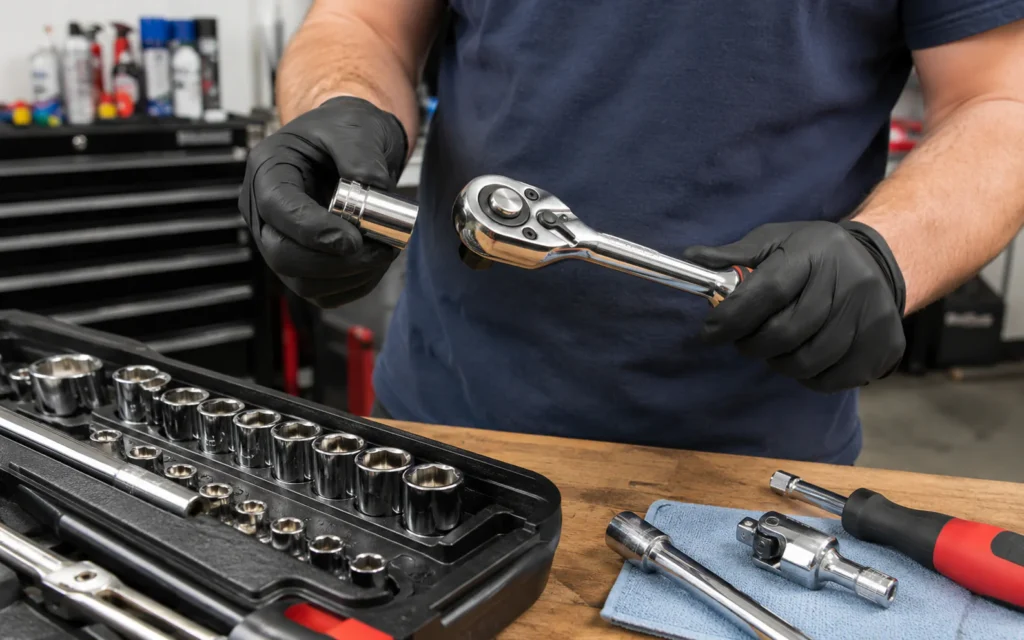
A socket wrench, commonly known as a ratchet wrench, is a hand tool designed to turn nuts and bolts efficiently. It consists of a handle with a ratcheting mechanism and a square drive that accepts interchangeable sockets.
Key components include the ratchet head, which houses the internal gears and the directional switch; the square drive, which comes in standard sizes like 1/4-inch, 3/8-inch, and 1/2-inch; and the handle, which provides leverage. Sockets are separate attachments that fit over the fastener and connect to the square drive.
Imagine holding a standard ratchet wrench.
Trying to use a socket wrench without knowing what the directional switch does, leading to frustration or incorrect operation.
Directional Control: Tighten vs. Loosen
One of the most frequent questions about using a socket wrench revolves around its direction. The small lever or switch on the ratchet head is your key to controlling whether you tighten or loosen a fastener.
For standard right-hand threaded fasteners (the most common type), turning the wrench clockwise will tighten the fastener, and turning it counter-clockwise will loosen it. Always confirm the switch setting before applying significant force.
If you’re looking at the fastener from the top, turning the wrench handle to the right (clockwise) will tighten it.
Incorrectly setting the ratchet direction, which can lead to accidentally tightening a bolt you intended to loosen, or vice-versa, wasting effort and potentially damaging threads.
| Action | Ratchet Switch Setting | Wrench Handle Turn |
|---|---|---|
| Tighten Fastener. | Set for Clockwise Engagement. | Clockwise (to the right). |
| Loosen Fastener. | Set for Counter-Clockwise Engagement. | Counter-Clockwise (to the left). |
Tips for Effective and Safe Use
Beyond the basic steps, using a socket wrench effectively and safely involves a few key practices. Always wear appropriate personal protective equipment, such as work gloves to protect your hands and safety glasses to shield your eyes from debris or unexpected slips.

When applying force, use a smooth, steady motion rather than sudden jerks. For stubborn fasteners, try to ‘break’ them loose with a quick, firm push or pull, then switch to a steady motion.
When loosening a very tight bolt, instead of pulling the wrench towards you, try pushing it away.
Using a ‘cheater bar’ (an extension pipe) on your ratchet handle, which can apply excessive torque, damage the ratchet’s internal mechanism, or strip the fastener.
- Maintain a Stable Stance: Position your body to have good balance and leverage, especially when applying significant force.
- Use Both Hands When Possible: For better control and to distribute force, grip the wrench with both hands.
- Avoid Stripping Fasteners: Ensure the socket is fully seated and the correct size. If a fastener starts to.
- Keep Your Work Area Clear: Remove any obstacles that could cause you to trip or lose balance while.
- Inspect Your Tools: Before each use, quickly check your ratchet and sockets for any signs of damage or.
FAQs
Which way do I turn a socket wrench to loosen a fastener?
To loosen a standard right-hand threaded fastener, you need to turn the socket wrench handle counter-clockwise (to the left). Make sure the directional switch on your ratchet head is set to allow engagement in this direction.
Is a socket wrench always clockwise to tighten?
For most standard fasteners, yes, turning the socket wrench clockwise (to the right) will tighten them. However, some specialized fasteners have left-hand threads, which tighten counter-clockwise.
What if the socket wrench just clicks and doesn’t turn the bolt?
If your socket wrench clicks but doesn’t turn the bolt, it means the ratchet’s directional switch is set incorrectly for the action you’re trying to perform. Flip the switch to the opposite setting, and it should then engage and turn the fastener.
Can I use a socket wrench for everything?
While versatile, a socket wrench isn’t ideal for every task. For very high torque applications, a breaker bar or torque wrench is more appropriate.
How do I know what size socket to use?
You determine the socket size by matching it directly to the nut or bolt head. Sockets are typically marked with their size (e.g., 13mm, 1/2 inch).
Conclusion
Using a socket wrench correctly is a fundamental skill for anyone tackling DIY projects or basic repairs. By understanding its components, carefully selecting the right socket, and mastering the directional switch, you can efficiently handle a wide range of nuts and bolts.
Remember to always prioritize safety by wearing protective gear and maintaining a stable stance. Applying steady, controlled force will prevent damage to both your fasteners and your tools, ensuring your projects are completed smoothly and successfully.
Related posts
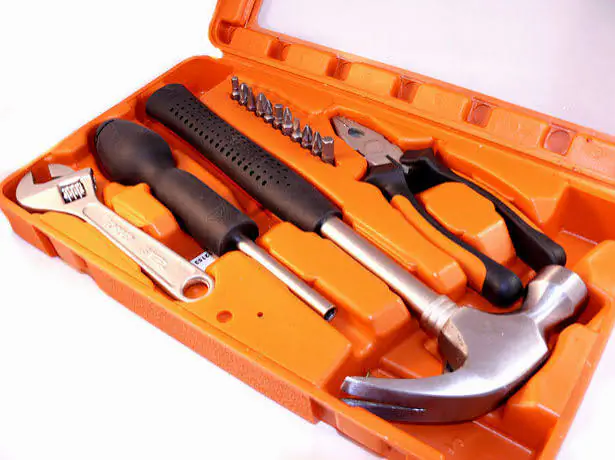 Which Tool Kit Is Worth Buying? How to Choose the Right Set for Your Home
Wondering which tool kit is worth buying? Compare basic household sets, mechanic kits, and power tool combos to find the best tools for your budget and…
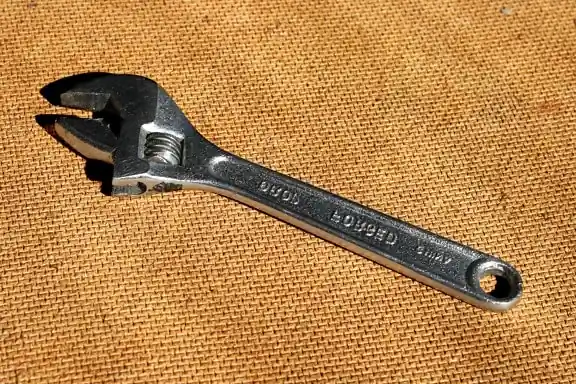 Which Hand Tools Are Made in the USA? Reliable Brands and Buying Rules
Discover which hand tools are still made in the USA. Compare top domestic brands, tool categories, and learn how to verify origin labels before buying. Several…
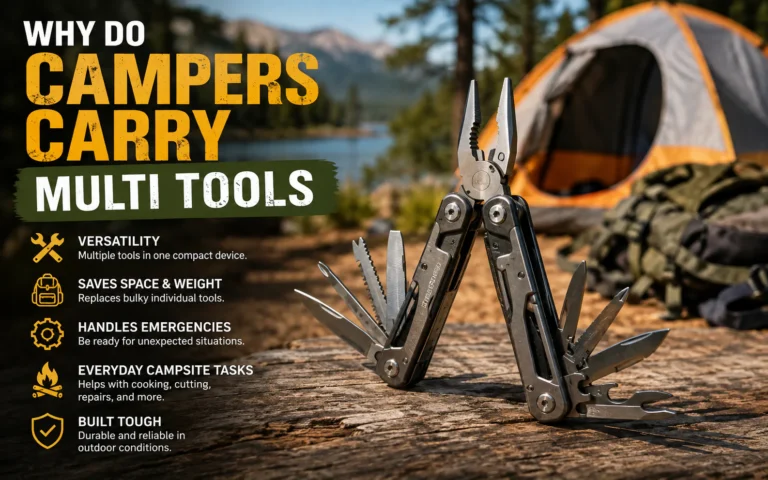 Why Do Campers Carry Multi Tools? Practical Uses in the Field
Why do Campers carry multi tools to handle gear repairs, campsite setup, food prep, and field fixes with minimal weight. Here is why one belongs in…