
What Tools Are Useful For Home Maintenance
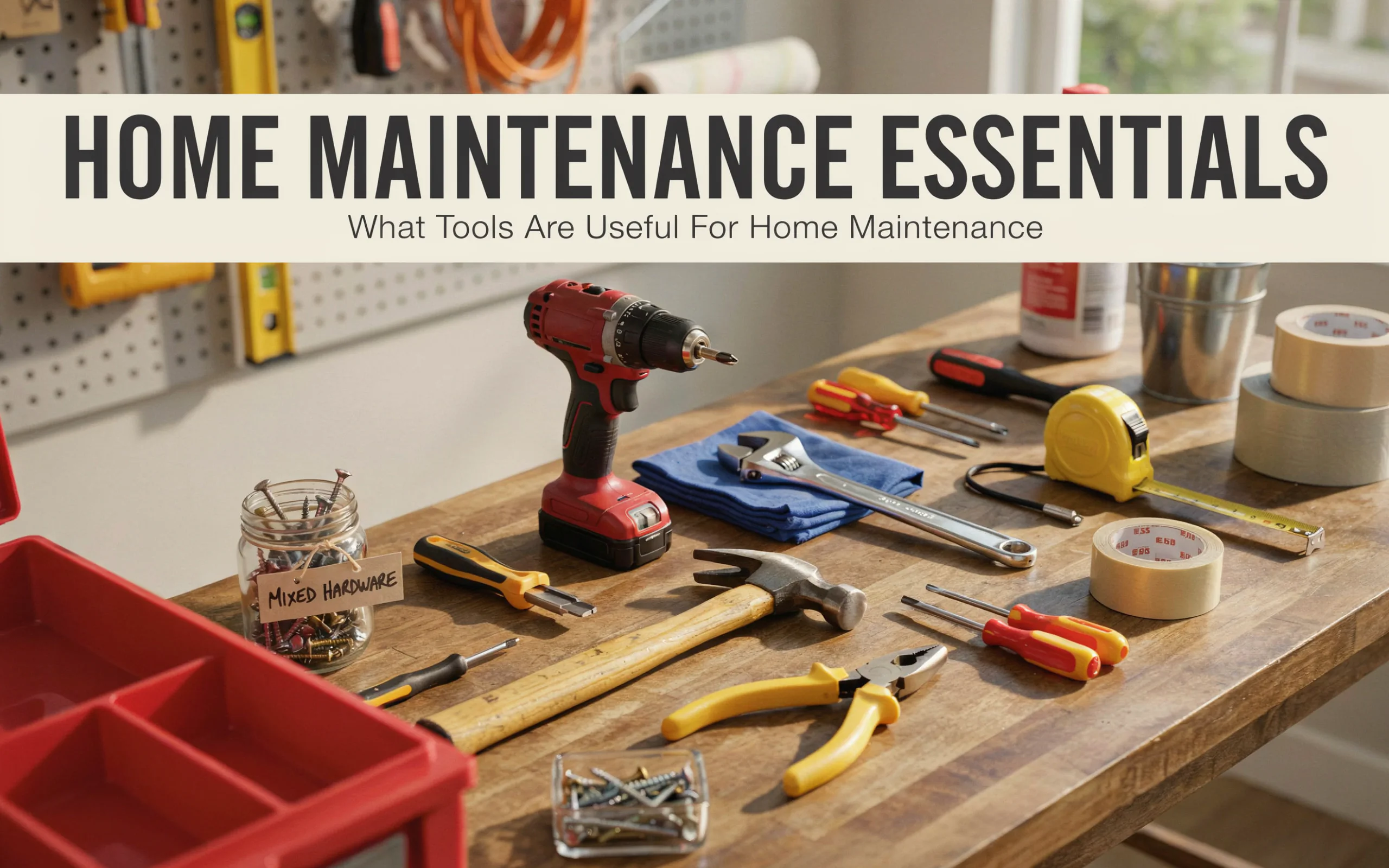
Discover what tools are useful for home maintenance and how to build a practical toolkit. This guide covers must-have hand tools, power tools, safety gear, and storage solutions for every homeowner.
Owning a home brings a wonderful feeling of pride and independence. But along with that pride comes a long list of responsibilities. Things break, wear out, or simply need a little attention from time to time. A dripping faucet, a loose doorknob, or a squeaky hinge can quickly become annoying. You could call a professional for every little issue, but that gets expensive fast. The smarter choice is to build a solid collection of tools that let you handle common problems on your own.
Many new homeowners feel a bit lost when they first walk into a hardware store. The aisles are full of strange gadgets and shiny equipment. It is easy to feel overwhelmed. But you do not need to buy everything at once. You just need a few dependable basics to get started. Over time, you can add more specialized items as you take on bigger projects.
This guide will walk you through exactly what tools are useful for home maintenance. We will cover the hand tools you will reach for again and again. We will talk about power tools that save you time and effort. We will also discuss safety gear, storage solutions, and a few specialized items for plumbing, electrical work, and outdoor care. By the end, you will feel confident about putting together a toolkit that truly works for you.
Let us begin with the absolute basics. These are the tools that belong in every home, no matter how small or large your space may be.
The Foundation: Essential Hand Tools
Hand tools are the backbone of any home maintenance collection. They are simple, reliable, and do not require batteries or electricity. You can use them for a wide range of tasks, from hanging pictures to tightening loose screws. Here are the hand tools that every homeowner should own.
Hammer
A good hammer is one of the first tools you will buy, and it will serve you for years. Look for a claw hammer with a comfortable grip. The claw on the back lets you pull out nails when you make a mistake or need to remove something. You will use it for hanging artwork, assembling furniture, securing loose trim, and countless other small jobs. Choose one that feels balanced in your hand. A weight of around 16 ounces works well for most people. A hammer is a classic example of what tools are useful for home maintenance because it handles so many everyday tasks.
Screwdriver Set
Homes today use screws everywhere. Cabinet hinges, outlet covers, door handles, and appliance panels all rely on screws. You need a good set of screwdrivers to handle them. At a minimum, get both flathead and Phillips-head screwdrivers in several sizes. A set with magnetic tips makes work much easier, especially in tight spots where screws are hard to hold.
A multi-bit screwdriver is another great option. This tool stores several interchangeable tips right in its handle. You can switch between flathead, Phillips, and even nut-driver bits without hunting through a drawer. “Get a screwdriver labeled as a ’12-in-1′ or ’16-in-1′,” recommends contractor Brandon Dolan. “This type of screwdriver gives you flathead, Phillips, and nut-driver to meet all types of screws, nuts, and bolts”.
Adjustable Wrench
Plumbing connections, bolts, and fittings come in all different sizes. An adjustable wrench saves you from buying a whole set of fixed wrenches. Its jaw moves to fit a wide range of nut and bolt sizes. You will find it useful under sinks, behind appliances, and for assembling furniture. It is one of those tools that you do not think about until you need it, and then you are very glad you have it.
Pliers
Pliers give you a strong grip on objects that your fingers cannot handle. Two types are especially useful around the house. Needle-nose pliers have long, thin jaws that reach into tight spaces. They are great for electrical work, pulling out small objects, and bending wire. Slip-joint pliers adjust to different widths and are perfect for gripping larger objects like pipes and fittings.
Tape Measure
You cannot hang shelves, arrange furniture, or plan any project without accurate measurements. A 25-foot retractable tape measure is a good choice for most homes. It gives you enough length for big projects but is still easy to carry around. Look for one with a locking mechanism that holds the tape in place while you work.
Level
A level helps you hang pictures, shelves, and mirrors straight. Nothing looks worse than a crooked frame on the wall. A simple bubble level is enough for most household tasks. For larger projects like hanging cabinets or mounting a TV, you might consider a laser level. It projects a straight line across the wall and makes the job much easier.
Utility Knife
A sharp utility knife is one of the most versatile tools you can own. You will use it to open boxes, cut rope, trim drywall, score materials, and much more. Choose one with replaceable blades and a secure locking mechanism. Keep a pack of extra blades nearby so you always have a sharp edge when you need it.
Stud Finder
Before you hang anything heavy on your walls, you need to know where the studs are. A stud finder locates the wooden framing behind your drywall. This prevents you from accidentally drilling into pipes or wires. It also gives you a secure anchor point for shelves, mirrors, and large artwork. This tool saves you from costly mistakes and makes your projects safer.
Power Tools That Make Life Easier
Hand tools handle a lot of tasks, but power tools take your capabilities to the next level. They save time, reduce effort, and let you tackle bigger projects. Here are the power tools that are most useful for home maintenance.
Cordless Drill
A cordless drill is arguably the most important power tool for any homeowner. You will use it constantly for drilling holes and driving screws. It handles furniture assembly, curtain rod installation, and countless other tasks. Modern cordless drills are lightweight and powerful. They run on rechargeable batteries, so you can use them anywhere without hunting for an outlet.
Many people find that having both a drill and an impact driver is even better. An impact driver has extra power and a hammer-like action that drives screws quickly and easily. It is especially useful for framing, deck building, and other heavy-duty tasks. These two tools are often sold together in kits, which is a smart way to buy them.
Flashlight
A good flashlight is something you might not think of as a tool, but it absolutely is. You will need it for checking dark corners, crawl spaces, attics, and electrical panels. It is also essential during power outages. “The most overlooked tool would have to be a proper flashlight,” says Brandon Dolan. “Most of the time you’re working in tight spaces, dark basements, or at night. Having a proper flashlight will drastically help make your job easier”. Keep one in your toolkit and another near your bed or in your car.
Oscillating Multi-Tool
This is a relatively new addition to many tool collections, but it has quickly become a favorite. An oscillating multi-tool vibrates back and forth at high speed. You can attach different blades and accessories to it. It cuts, sands, scrapes, and grinds. It is perfect for cutting drywall, sanding tight corners, removing old caulk, and many other tasks. If you have to pick one power tool beyond a drill, this is a strong candidate.
Specialized Tools for Specific Jobs
Beyond the basics, there are some specialized tools that come in handy for particular types of work. These are not things you will use every day, but when you need them, you really need them.
Plunger
A plunger is a simple tool that every home must have. It is your first line of defense against clogged toilets and drains. There are two common types. A cup plunger works for sinks and tubs. A flange plunger has an extra piece on the bottom that fits into toilet bowls. Having both types on hand means you are prepared for any plumbing emergency.
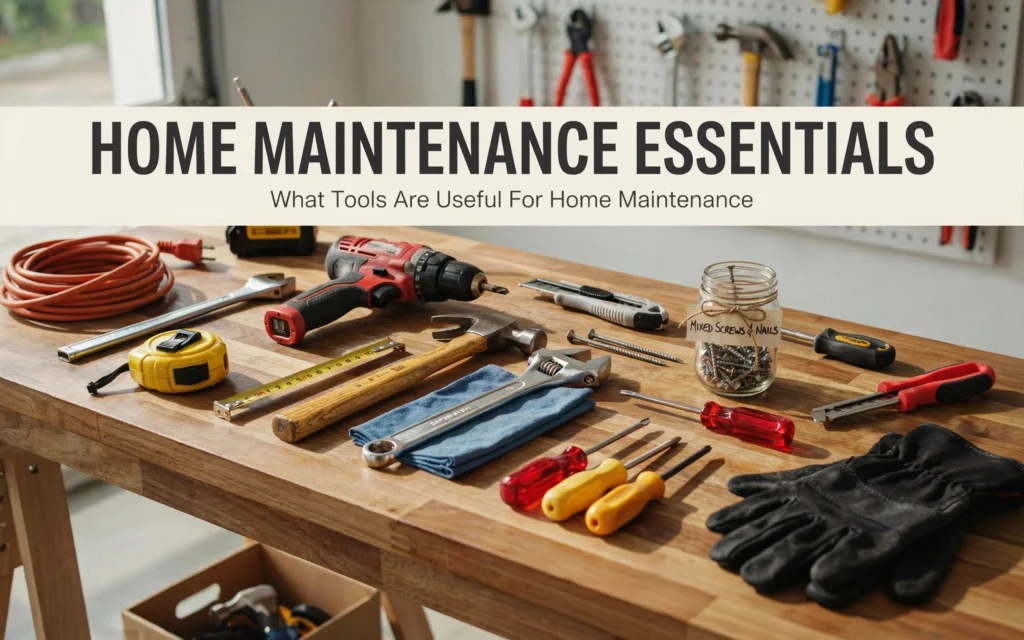
Allen Wrench Set (Hex Keys)
Allen wrenches, also called hex keys, are small L-shaped tools. They fit into hexagonal sockets on screws and bolts. You will find these on furniture, faucets, shower handles, and many appliances. “These are a combination of screwdriver and wrench,” explains Brandon Dolan. “They fit in very specific slots that are commonly used for faucets, shower handles, and appliances. If you don’t own one of these, then you simply won’t be able to open or tighten many things around your house”. A set with multiple sizes is cheap and takes up almost no space.
Digital Multimeter
A multimeter is a device that measures voltage, current, and resistance. It helps you test outlets, appliances, and electrical panels safely. Even if you are not an electrician, this tool is valuable for diagnosing problems. “This will keep you alive and allow you to work on electrical, HVAC, and plumbing equipment safely,” says Brandon Dolan. If you do any electrical work at all, a multimeter is a must-have safety tool.
Pipe Wrench
For larger plumbing jobs, a pipe wrench is very useful. It has adjustable jaws that grip pipes firmly. You will need it for replacing water heaters, fixing leaky pipes, and working on outdoor spigots. A 14-inch pipe wrench is a good size for most household plumbing tasks.
Safety Gear: Protecting Yourself
Using tools always comes with some risk. That is why safety gear is just as important as the tools themselves. You cannot fix things around the house if you get hurt. Here is the basic safety equipment every homeowner should have.
Safety Glasses
Flying debris, dust, and small particles are common when you are working. Safety glasses protect your eyes from these hazards. Wear them whenever you are drilling, hammering, cutting, or doing any task that could send something into your eyes.
Work Gloves
Gloves protect your hands from cuts, splinters, and blisters. They also give you a better grip on tools and materials. Look for gloves that fit well and allow you to move your fingers freely. Leather gloves are durable and offer good protection.
Dust Mask
Sanding, drilling, and sweeping all create dust that you do not want to breathe. A simple dust mask filters out many of these particles. For bigger projects that create a lot of dust, consider a respirator with replaceable filters.
Hearing Protection
Power tools can be very loud. Over time, loud noise can damage your hearing. Earplugs or earmuffs are cheap and effective. Use them whenever you are running a drill, saw, or any other loud tool.
Storage and Organization
Having the right tools is only half the battle. You also need to keep them organized and easy to find. A messy toolbox wastes your time and can lead to lost or damaged tools. Here are some simple storage solutions.
Tool Bag or Box
A sturdy tool bag or box is the foundation of an organized toolkit. Look for one with reinforced handles, plenty of compartments, and a sturdy base. “Something that isn’t too bulky to carry but large enough to fit necessary tools,” says Brandon Dolan. A good bag lets you carry your tools from room to room or out to the yard without losing anything.
Pegboard
A pegboard on your garage or workshop wall is a great way to store tools. You can hang hammers, wrenches, screwdrivers, and other items where you can see them. This makes it easy to grab what you need and put it back when you are done.
Drawer Organizers
For smaller items like drill bits, screws, and nails, drawer organizers are very helpful. They keep everything separated so you do not have to dig through a jumble of small parts.
Outdoor Maintenance Tools
Your home maintenance does not stop at the front door. You also need to take care of your yard and outdoor spaces. Here are some tools that are useful for outdoor tasks.
Garden Hose and Nozzle
A good garden hose is essential for watering plants, washing your car, and cleaning outdoor surfaces. Look for a hose that is long enough to reach all parts of your yard. A spray nozzle with different settings gives you control over the water flow.
Pruners and Shears
Keeping your shrubs, bushes, and trees trimmed makes your yard look neat and healthy. Pruners cut small branches, while shears handle larger ones. Keep them sharp for clean cuts that do not damage your plants.
Shovel
A shovel is useful for digging, planting, and moving dirt or mulch. A round-point shovel works for most tasks. For heavier work, like digging holes for fence posts, a post-hole digger is a good addition.
Rake
A leaf rake helps you gather fallen leaves and yard debris. A garden rake has stiff tines for leveling soil and spreading mulch. Both are useful to have on hand.
Maintenance Tips for Your Tools
Your tools are an investment. Taking good care of them keeps them working well for a long time. Here are some simple maintenance tips.
Keep Them Clean
Wipe down your tools after each use. Remove dirt, grease, and debris. For power tools, make sure the vents are clear of dust. Clean tools work better and last longer.
Store Them Properly
Keep your tools in a dry place. Moisture causes rust, which ruins tools quickly. A toolbox or cabinet with a lid keeps dust and moisture away.
Sharpen Cutting Tools
Dull blades are dangerous and ineffective. Keep your utility knife blades, pruners, and shears sharp. Replace worn blades on power tools like saws and oscillating tools.
Check Cords and Batteries
For power tools, inspect the cords regularly. Look for fraying or damage. For cordless tools, take care of your batteries. Do not leave them in extreme heat or cold. Charge them according to the manufacturer’s instructions.
Building Your Toolkit Over Time
You do not need to buy every tool on this list right away. Start with the basics and add more as you need them. Here is a simple plan for building your toolkit.
Stage One: The Basics
Start with a hammer, screwdriver set, adjustable wrench, tape measure, level, and utility knife. These tools are useful for home maintenance and will handle most small tasks. Add a plunger and a flashlight as well.
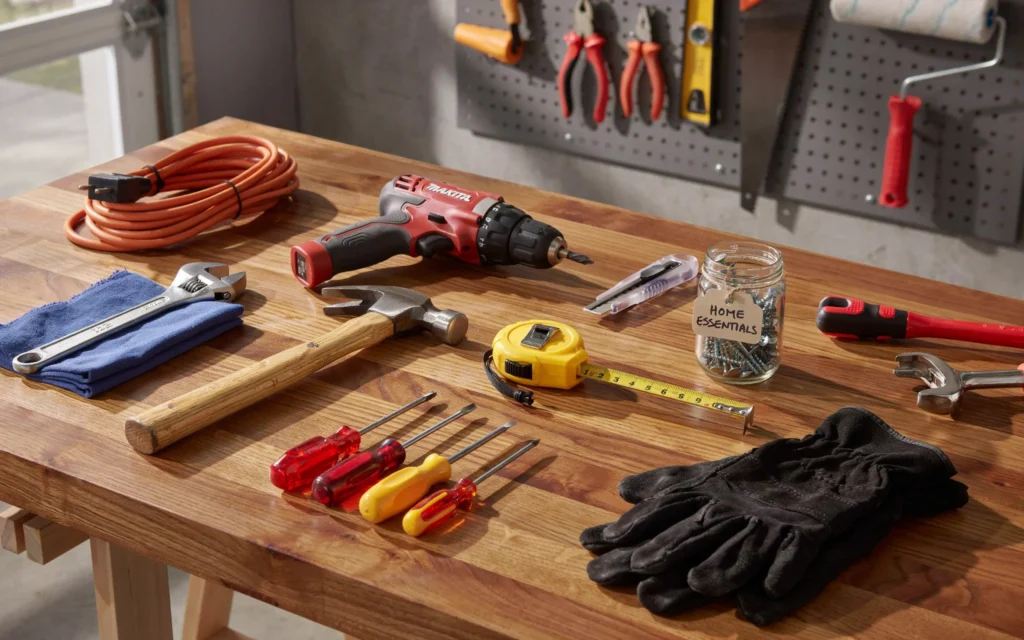
Stage Two: Power Tools
Once you have the basics, invest in a cordless drill. This single tool will change how you approach projects around the house. Add an impact driver if you do a lot of work with screws.
Stage Three: Specialized Tools
As you take on bigger projects, add specialized tools. A stud finder is useful for hanging heavy items. A pipe wrench helps with plumbing. A multimeter is essential for electrical work. Add tools based on the projects you actually do.
Stage Four: Outdoor Tools
If you have a yard, start collecting outdoor tools. A garden hose, pruners, shovel, and rake are good places to start.
Essential Hand Tools Quick Reference
| Tool | Primary Use | Why It Is Essential |
|---|---|---|
| Claw Hammer | Driving and removing nails | Handles countless everyday tasks like hanging pictures and assembling furniture |
| Screwdriver Set | Tightening and loosening screws | Screws are everywhere in modern homes; you need the right bits |
| Adjustable Wrench | Gripping nuts and bolts of various sizes | Eliminates the need for multiple fixed wrenches |
| Pliers (Needle-Nose and Slip-Joint) | Gripping, bending, and cutting | Versatile tools for electrical work, small parts, and plumbing |
| Tape Measure | Measuring distances and dimensions | Prevents costly errors in furniture placement and projects |
| Level | Ensuring straight horizontal and vertical alignment | Keeps shelves, pictures, and mirrors looking polished |
| Utility Knife | Cutting a variety of materials | Opens boxes, trims materials, and scores surfaces |
| Stud Finder | Locating wall studs behind drywall | Prevents damage and provides secure anchoring for heavy items |
Power Tools and Specialized Equipment
| Tool | Primary Use | When You Will Need It |
|---|---|---|
| Cordless Drill | Drilling holes and driving screws | Furniture assembly, installations, and almost every project |
| Impact Driver | Driving screws with extra power | Framing, deck building, and heavy-duty fastening |
| Flashlight | Illuminating dark spaces | Attics, basements, crawl spaces, and power outages |
| Oscillating Multi-Tool | Cutting, sanding, scraping, grinding | Drywall work, removing caulk, sanding tight corners |
| Plunger | Clearing clogged toilets and drains | Plumbing emergencies |
| Allen Wrench Set | Tightening hexagonal screws | Furniture, faucets, shower handles, and appliances |
| Digital Multimeter | Measuring voltage, current, and resistance | Testing outlets and diagnosing electrical problems |
| Pipe Wrench | Gripping and turning pipes | Plumbing repairs and water heater replacement |
Frequently Asked Questions
What tools are useful for home maintenance if I am on a tight budget?
Start with the absolute basics. A hammer, a multi-bit screwdriver, an adjustable wrench, a tape measure, and a utility knife will cover most small tasks. You can find good quality tools at affordable prices. Add more tools as you need them for specific projects. There is no need to buy everything at once.
Do I really need power tools for basic home maintenance?
You do not absolutely need power tools, but they make many tasks much easier and faster. A cordless drill is the one power tool that is most worth the investment. It saves you time and effort on everything from hanging curtains to assembling furniture. If you only buy one power tool, make it a drill.
How do I know which screwdriver to use?
Check the head of the screw. A Phillips-head screw has a cross shape. A flathead screw has a single straight line. Use the corresponding screwdriver. If you are not sure, try both. A multi-bit screwdriver lets you switch between types easily.
What safety gear is most important?
Safety glasses are the most important piece of safety gear. They protect your eyes from flying debris. Work gloves are also very useful. They protect your hands and improve your grip. A dust mask is important for projects that create dust. Use hearing protection with loud power tools.
How should I store my tools to keep them in good condition?
Keep your tools in a dry place. Moisture causes rust. A toolbox or tool bag with compartments keeps everything organized. Clean your tools after each use. Remove dirt and debris. For power tools, keep the vents clear. Sharpen cutting tools regularly.
Can I handle electrical repairs myself?
You can handle very basic electrical tasks like changing a light fixture or replacing an outlet. Always turn off the power at the breaker box before you start. Use a multimeter to confirm that the power is off. For anything more complex, call a licensed electrician. Safety comes first.
What are the most overlooked tools for home maintenance?
Many people overlook a good flashlight. You will need it for dark spaces and power outages. A stud finder is another tool that people often skip. It prevents damage to your walls and helps you hang things securely. A plunger is also frequently forgotten until it is needed in an emergency.
How often should I replace my tools?
Good quality tools can last for decades with proper care. Replace tools when they become damaged or worn. Replace utility knife blades regularly. Replace drill bits when they become dull. Batteries for cordless tools may need replacement after a few years of heavy use.
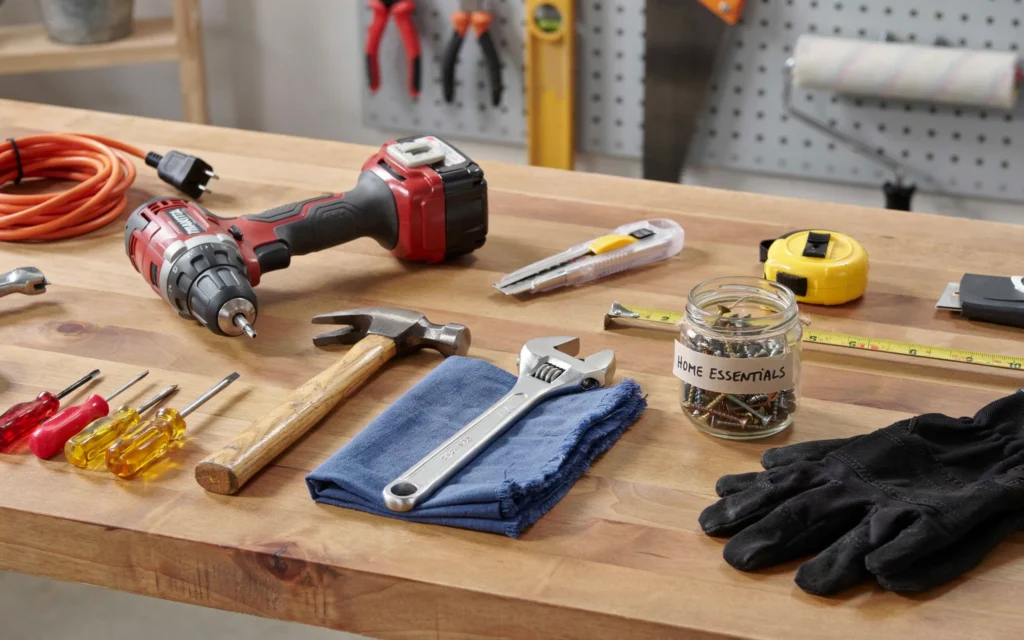
Conclusion
Building a home maintenance toolkit does not have to be complicated or expensive. Start with the basics and grow your collection over time. The tools that are useful for home maintenance are the ones that let you handle common problems quickly and confidently. A hammer, screwdrivers, a wrench, pliers, a tape measure, a level, and a utility knife form the foundation. Add a cordless drill, a flashlight, and a plunger, and you are ready for most situations.
Taking care of your home is an ongoing responsibility, but it does not have to feel like a burden. With the right tools on hand, you can fix small issues before they become big problems. You can save money by handling simple repairs yourself. You can feel a sense of pride and independence in maintaining your own space.
Remember that you do not need to be an expert to use these tools. Start with small projects and build your skills over time. Watch videos, read guides, and ask for help when you need it. Every homeowner starts somewhere. The important thing is to have the right tools ready when you need them.
As home improvement expert Bob Vila once said, “The best tool in the house is a well-stocked toolbox.” That simple truth captures the heart of home maintenance. When something goes wrong, you want to be prepared. You want to have the solution within reach.
So take a look at your current toolkit. What do you have? What are you missing? Make a plan to fill the gaps. Start with the essentials and add more as your needs grow. Your future self will thank you when a leaky faucet or a loose shelf becomes a quick fix rather than a major headache.
Your home is your biggest investment. Taking care of it with the right tools is one of the smartest things you can do. It saves you money, gives you peace of mind, and makes your home a more comfortable place to live. So go ahead, build that toolkit, and take pride in keeping your home in great shape.
Related posts
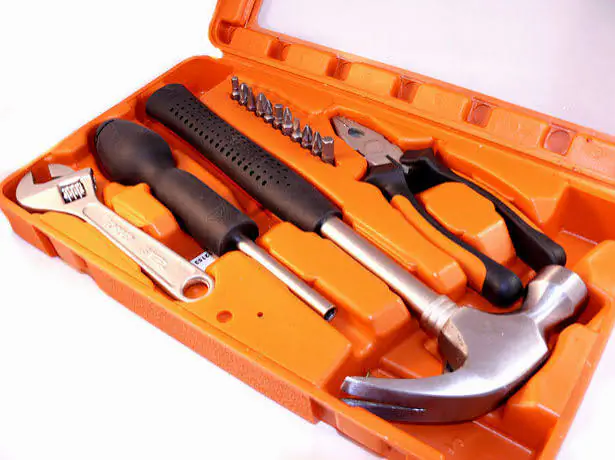 Which Tool Kit Is Worth Buying? How to Choose the Right Set for Your Home
Wondering which tool kit is worth buying? Compare basic household sets, mechanic kits, and power tool combos to find the best tools for your budget and…
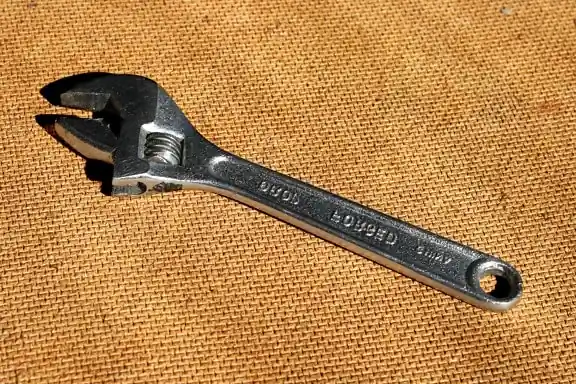 Which Hand Tools Are Made in the USA? Reliable Brands and Buying Rules
Discover which hand tools are still made in the USA. Compare top domestic brands, tool categories, and learn how to verify origin labels before buying. Several…
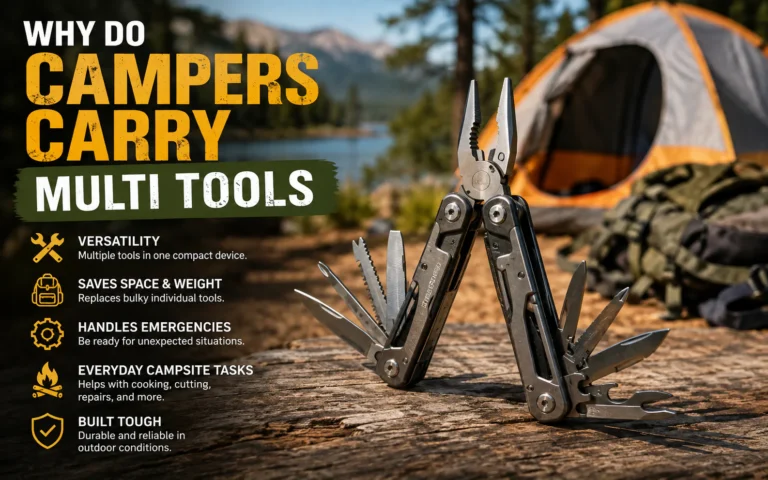 Why Do Campers Carry Multi Tools? Practical Uses in the Field
Why do Campers carry multi tools to handle gear repairs, campsite setup, food prep, and field fixes with minimal weight. Here is why one belongs in…