
What Tools Should Every Homeowner Have
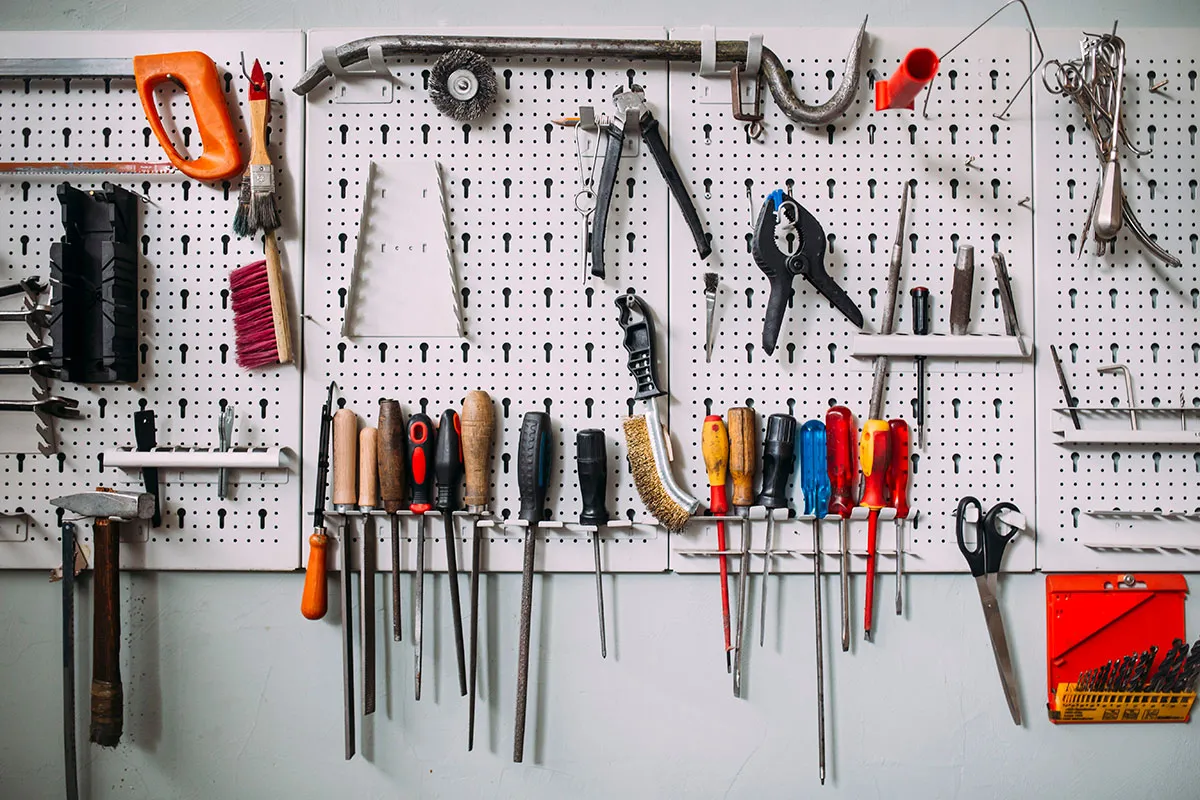
Every homeowner benefits from having a well-stocked toolbox. Whether you’re hanging a picture, fixing a leaky faucet, or assembling furniture, the right tools make tasks easier and safer. Having essential tools on hand helps you handle common household issues without needing to call a professional for every small repair. This guide will walk you through the must-have items that form the foundation of any homeowner’s toolkit, ensuring you are prepared for everyday maintenance and unexpected fixes.
The Foundation: Essential Hand Tools
What Tools Should Every Homeowner Have. Hand tools are the backbone of any toolkit. They are used for a wide range of tasks, from tightening screws to prying open paint cans. These tools require no power and are often the first items you reach for.
Screwdrivers
A good set of screwdrivers is crucial. You will encounter various screw types around your home. It’s important to have both Phillips-head and flat-head screwdrivers in multiple sizes.
- Phillips-head: For screws with a cross-shaped recess.
- Flat-head: For screws with a single slot.
- Multi-bit screwdriver: A convenient option that combines many bits into one handle.
Hammers
A claw hammer is indispensable. It’s used for driving nails into surfaces and for prying them out. Choose one with a comfortable grip and a balanced weight.
Pliers
Pliers are versatile tools for gripping, bending, and cutting. A few types are particularly useful for homeowners:
- Slip-joint pliers: Adjustable for different sizes, good for general gripping.
- Needle-nose pliers: For delicate work, reaching into tight spaces, and bending small wires.
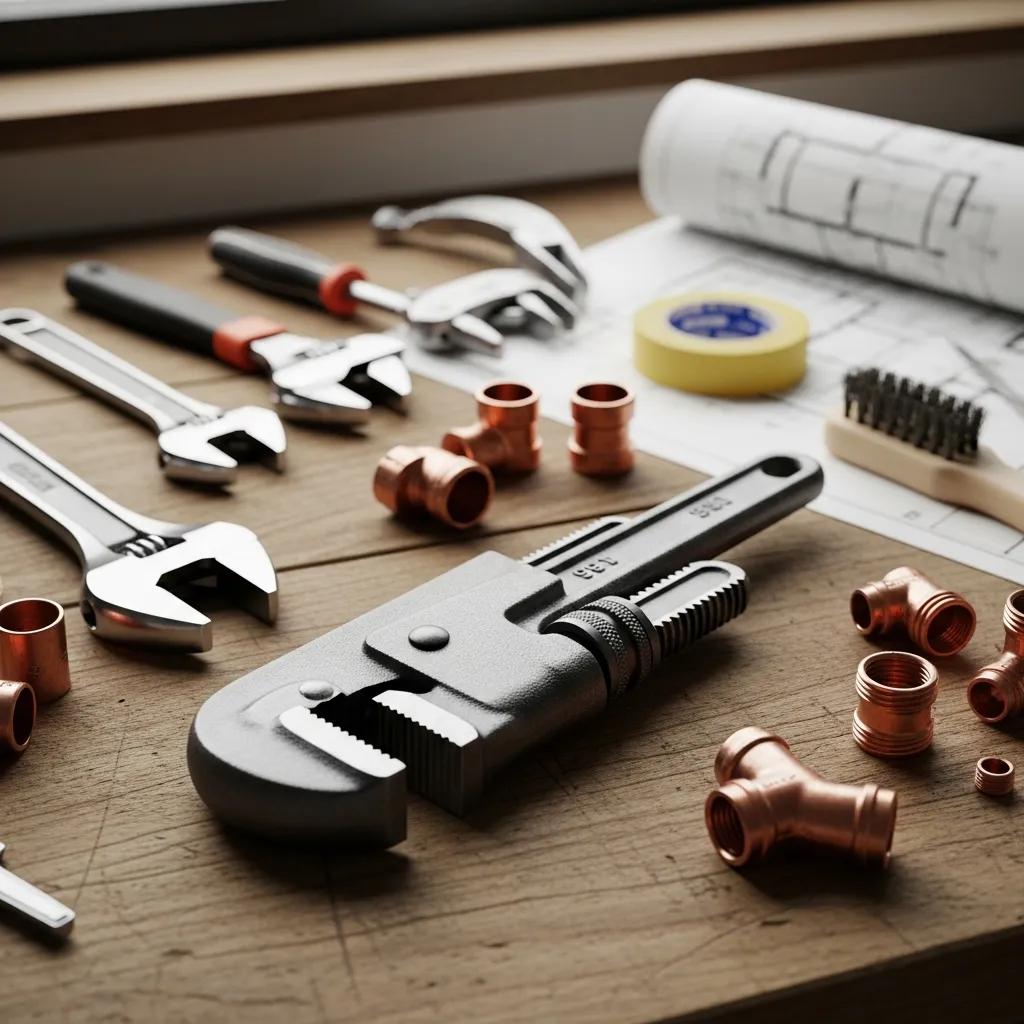
- Channel-lock pliers: Excellent for plumbing tasks, gripping pipes, and nuts.
Wrenches
Wrenches are used to tighten or loosen nuts and bolts. An adjustable wrench is a great starting point as it can fit various sizes. A set of combination wrenches (open-end and box-end) offers more precision for specific tasks.
Tape Measure
Accurate measurements are vital for almost any home project. A retractable tape measure, at least 25 feet long, is perfect for measuring rooms, furniture, and materials.
Utility Knife
A utility knife, also known as a box cutter, is useful for opening boxes, cutting rope, trimming carpet, or scoring drywall. Always use it with caution and keep extra blades handy.
Level
A level ensures that shelves, pictures, and appliances are perfectly straight. A 2-foot level is a good all-around size for most household tasks.
Power Tools for Bigger Jobs
What Tools Should Every Homeowner Have. While hand tools handle many small tasks, power tools save time and effort on larger or more frequent projects. They are powered by electricity or batteries.
Cordless Drill/Driver
A cordless drill is arguably the most important power tool for a homeowner. It drills holes and drives screws quickly. Look for one with variable speed settings and a good battery life.
- Drilling: Making holes in wood, drywall, or even light metal.
- Driving: Installing and removing screws with ease.
- Versatility: Can be used for assembling furniture, hanging shelves, and minor repairs.
Circular Saw
For cutting wood, plywood, or other sheet materials, a circular saw is invaluable. It makes straight cuts quickly and efficiently. Always use proper safety gear when operating a circular saw.
Orbital Sander
If you plan on painting, refinishing furniture, or doing any woodworking, an orbital sander will provide a smooth finish much faster than hand sanding. It’s easy to use and produces minimal swirl marks.
Safety and Specialty Items
Beyond basic tools, some items are essential for safety, measuring, or specific household needs.
Safety Gear
Safety should always be a top priority when working on home projects. Protective gear helps prevent injuries.
- Safety glasses: Protect your eyes from flying debris, dust, and chemicals.
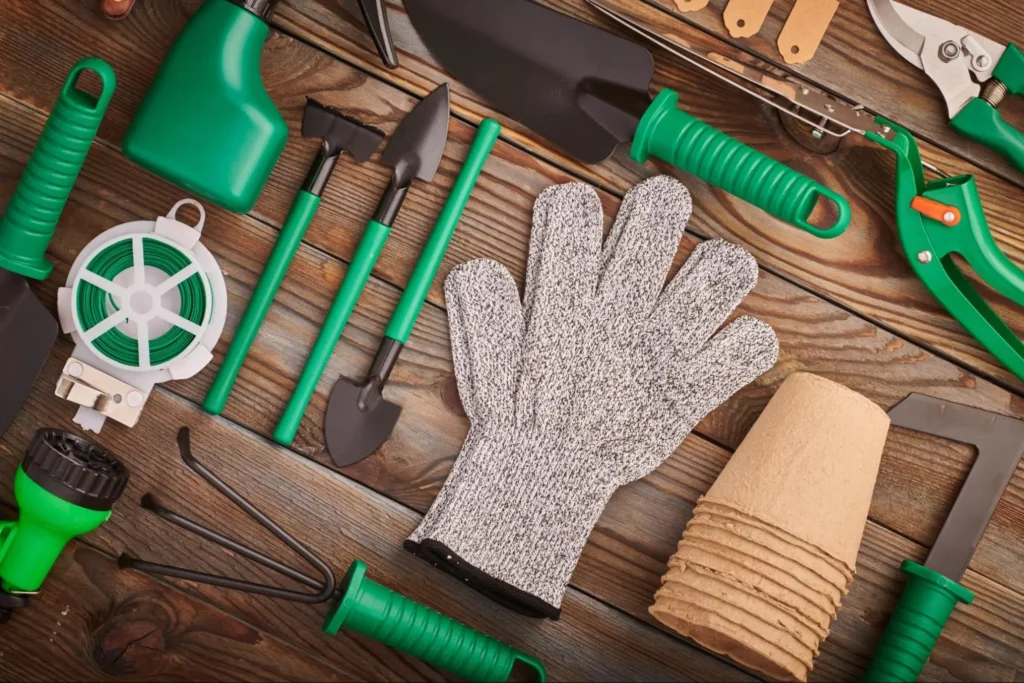
- Work gloves: Protect hands from splinters, cuts, and abrasions.
- Dust mask: Prevents inhaling dust particles when sanding or cutting.
Flashlight or Headlamp
Good lighting is essential, especially when working in dark spaces like under sinks, in attics, or during power outages. A headlamp keeps your hands free.
Stud Finder
A stud finder helps locate the wooden or metal studs behind drywall. This is crucial for securely hanging heavy items like TVs, shelves, or mirrors.
Plunger
A simple plunger can clear most minor clogs in sinks, toilets, and showers. It’s a small investment that saves a lot of hassle.
Ladder or Step Stool
Reaching high places safely is important. A sturdy step stool or a small A-frame ladder (around 6 feet) is perfect for changing light bulbs, cleaning gutters, or painting.
Organizing Your Tools
Having the right tools is only half the battle; keeping them organized is just as important. A well-organized toolbox or workbench saves time and prevents frustration.
Toolbox or Storage Cabinet
Invest in a sturdy toolbox, a rolling tool chest, or a wall-mounted cabinet. This keeps tools protected, clean, and in one place. Consider clear organizers for small items like screws and nails.
Regular Maintenance
Keep your tools clean and dry to prevent rust. Sharpen blades when needed and check power tool cords for damage. Proper maintenance extends the life of your tools.
| Tool Category | Essential Tools | Primary Use |
|---|---|---|
| Hand Tools | Claw Hammer | Driving and removing nails |
| Screwdriver Set (Phillips & Flat) | Tightening/loosening screws | |
| Adjustable Wrench | Tightening/loosening nuts and bolts | |
| Pliers (Slip-joint, Needle-nose) | Gripping, bending, cutting wires | |
| Tape Measure (25 ft) | Accurate length measurements | |
| Utility Knife | Cutting various materials, opening boxes | |
| Level (2 ft) | Ensuring straightness for hanging items | |
| Power Tools | Cordless Drill/Driver | Drilling holes, driving screws |
| Circular Saw | Making straight cuts in wood | |
| Safety & Specialty | Safety Glasses | Eye protection |
| Work Gloves | Hand protection | |
| Stud Finder | Locating wall studs | |
| Plunger | Clearing drain clogs | |
| Step Stool/Ladder | Safe access to high places |
Tips for Building Your Tool Collection
What Tools Should Every Homeowner Have. Starting a tool collection can feel overwhelming, but you don’t need to buy everything at once. Here are some tips to build your toolkit wisely.
Start with the Basics
Focus on the most frequently used hand tools first. These are often the most affordable and will cover the majority of small tasks you’ll encounter as a homeowner. A basic starter kit often includes a hammer, screwdrivers, pliers, and a tape measure.
Prioritize Quality Over Quantity
While it might be tempting to buy the cheapest tools, investing in good quality tools will save you money in the long run. Better quality tools are more durable, perform better, and are safer to use. They are less likely to break or strip screws.
Buy as Needed
Once you have the core essentials, consider buying additional tools as specific projects arise. For example, if you plan to install new flooring, you might then invest in a jigsaw or a flooring cutter. This approach ensures you only buy tools you will actually use.
Consider Cordless Systems
For power tools, consider buying into a cordless system from a single brand. This means you can use the same batteries and chargers for multiple tools, which is convenient and cost-effective. Many brands offer drills, saws, sanders, and even outdoor equipment that share the same battery platform.
Learn Basic Tool Use
What Tools Should Every Homeowner Have. Before starting a project, take a moment to understand how to use each tool safely and effectively. Reading the manual, watching online tutorials, or asking an experienced friend can prevent accidents and improve your results. Always wear appropriate safety gear.
FAQs
What are the absolute must-have tools for a new homeowner?
For a new homeowner, the absolute must-haves include a claw hammer, a set of screwdrivers (Phillips and flat-head), an adjustable wrench, a pair of pliers, a tape measure, a utility knife, and a cordless drill. These tools cover most basic repairs and assembly tasks.
How much should I expect to spend on a basic homeowner tool kit?
You can assemble a basic, good-quality homeowner tool kit for around $150 to $300. This estimate includes essential hand tools and a decent cordless drill. Prices vary based on brand, quality, and whether you buy individual tools or a pre-packaged set.
Are tool kits a good value for homeowners?
What Tools Should Every Homeowner Have. Tool kits can be a good value for new homeowners as they often provide a range of essential tools at a lower combined price. However, check the quality of individual tools within the kit. Sometimes, buying individual, higher-quality tools for the most used items is a better long-term investment.
What safety gear is most important for home projects?
The most important safety gear includes safety glasses to protect your eyes from debris, work gloves to prevent cuts and splinters, and a dust mask for tasks that create fine particles like sanding or cutting wood.
Should I buy corded or cordless power tools?
For most homeowners, cordless power tools offer greater convenience and flexibility, as they can be used anywhere without needing an outlet. Corded tools provide consistent power for heavy-duty, continuous use. A cordless drill is highly recommended for its versatility and ease of use.
Conclusion
What Tools Should Every Homeowner Have. Equipping your home with the right tools is a smart investment that empowers you to tackle various projects and repairs with confidence. Starting with essential hand tools and gradually adding power tools and safety gear will build a capable toolkit. Remember to prioritize quality, maintain your tools, and always put safety first. Being prepared means you can handle common household tasks efficiently, saving time and money in the long run. Begin building your essential homeowner toolkit today and enjoy the satisfaction of a well-maintained home.
Related posts
 Top Starter Mechanic Tool Kits for Apprentices: Essential Sets for Your Trade
Explore top starter mechanic tool kits for apprentices. Compare sets for mechanics, electricians, and other trades to find your essential tools. Starting an apprenticeship is an…
 Automotive Tool Kits vs. Mechanic Tool Sets: What’s the Difference?
Understand the key differences between automotive tool kits vs. mechanic tool sets. Learn which is best for your car maintenance needs. When looking for tools to…
 Top Automotive Tool Kits for Garage Workshops: A Buyer’s Guide
Find the top automotive tool kits for garage workshop. Compare versatile sets for car maintenance, home repairs, and DIY projects to choose the best fit. Setting…