
How to Build a Home Tool Kit: Essential Tools for Every DIYer

Building a home tool kit means equipping yourself with the essential items needed for everyday repairs, maintenance, and small DIY projects around your house or apartment. It’s about having the right tools on hand to fix a leaky faucet, hang a picture, assemble furniture, or.
A well-chosen tool kit empowers you to handle common household tasks efficiently, saving time and money. You don’t need to buy every tool imaginable at once.
List of essential hand tools
- Start with a core set of versatile hand tools for common household tasks.
- Prioritize quality for frequently used tools like hammers and screwdrivers.
- Consider a cordless drill as your first power tool for efficiency.
- Organize tools for easy access and to protect them from damage.
| Topic | When it helps | What to keep in mind |
|---|---|---|
| Measuring and Marking Tools | Ensuring accuracy in hanging, cutting, and assembly tasks. | Using a worn-out tape measure can lead to inaccurate results. |
| Fastening and Driving Tools | Assembling furniture, tightening loose screws, minor appliance repairs, securing wall mounts. | Using the wrong size screwdriver can strip screw heads, making them impossible to remove. |
| Cutting and Gripping Tools | Opening packages, cutting twine, stripping wires, gripping small components, pulling nails. | Always use a utility knife with caution and keep fingers clear of the blade. |
| Striking and Prying Tools | Hanging pictures, light demolition, assembling wood projects, removing nails. | Always wear safety glasses when striking objects. |
| Safety and Illumination | Protecting eyes and hands during tasks, illuminating dark spaces like under sinks or in closets. | Never skip safety glasses, even for quick tasks. |
Focus on essential hand tools
Measuring and Marking Tools: Precision for Every Task
How to Build a Home Tool Kit. Accurate measurements are the foundation of any successful home project. These tools ensure your cuts are straight, your pictures are level, and your installations fit perfectly.
- Ensuring accuracy in hanging, cutting, and assembly tasks.
- Using a worn-out tape measure can lead to inaccurate results.
- Look for a tape measure with a sturdy blade and a clear locking mechanism.
- Key Tools – Tape Measure, Level, Pencil.
Fastening and Driving Tools: Securing Connections
These are your go-to tools for tightening screws, assembling furniture, and securing various fixtures. A good set of screwdrivers and a versatile wrench are indispensable.
- Assembling furniture, tightening loose screws, minor appliance repairs, securing wall mounts.
- Using the wrong size screwdriver can strip screw heads, making them impossible to remove.
- Invest in a multi-bit screwdriver or a set with common Phillips and flathead sizes.
- Key Tools – Phillips Screwdrivers, Flathead Screwdrivers, Adjustable Wrench, Hex Key Set.
Cutting and Gripping Tools: Holding, Bending, and Trimming
From cutting open boxes to bending wires or gripping small objects, these tools provide the leverage and sharpness needed for a variety of tasks.
- Opening packages, cutting twine, stripping wires, gripping small components, pulling nails.
- Always use a utility knife with caution and keep fingers clear of the blade.
- A utility knife with retractable blades is safer and more versatile.
- Key Tools – Utility Knife, Pliers (Needle-nose, Slip-joint), Wire Cutters.

Striking and Prying Tools: Force and Leverage
For driving nails, gently prying apart materials, or tapping components into place, a reliable hammer is a cornerstone of any home tool kit.
- Hanging pictures, light demolition, assembling wood projects, removing nails.
- Always wear safety glasses when striking objects.
- A claw hammer is the most versatile choice for home use, allowing both striking and nail removal.
- Key Tools – Claw Hammer, Small Pry Bar (optional for beginners).
Safety and Illumination: Protecting Yourself and Seeing Clearly
How to Build a Home Tool Kit. While not strictly ‘tools’ in the traditional sense, safety gear and good lighting are crucial for preventing accidents and working effectively in dimly lit areas.
- Protecting eyes and hands during tasks, illuminating dark spaces like under sinks or in closets.
- Never skip safety glasses, even for quick tasks.
- Keep a pair of safety glasses and work gloves readily accessible.
- Key Tools – Safety Glasses, Work Gloves, Flashlight/Headlamp.
Why a Home Tool Kit is Essential (and Not Overwhelming)
Having a functional home tool kit isn’t just for seasoned DIY enthusiasts; it’s a practical necessity for every household. From hanging a picture to assembling new furniture or performing minor repairs, a well-stocked kit saves you time, money, and frustration.
How to Build a Home Tool Kit. The idea of ‘building’ a tool kit can sound daunting, but it’s more about thoughtful selection than overwhelming acquisition. You’re aiming for a collection of reliable, versatile tools that cover the most frequent household tasks.
Imagine a loose cabinet hinge or a wobbly chair leg.
Don’t fall into the trap of thinking you need a professional-grade workshop from day one.
Your Core Home Tool Kit: The Essentials
The foundation of any good home tool kit lies in a selection of versatile hand tools. These are the workhorses that will handle the majority of your household tasks.
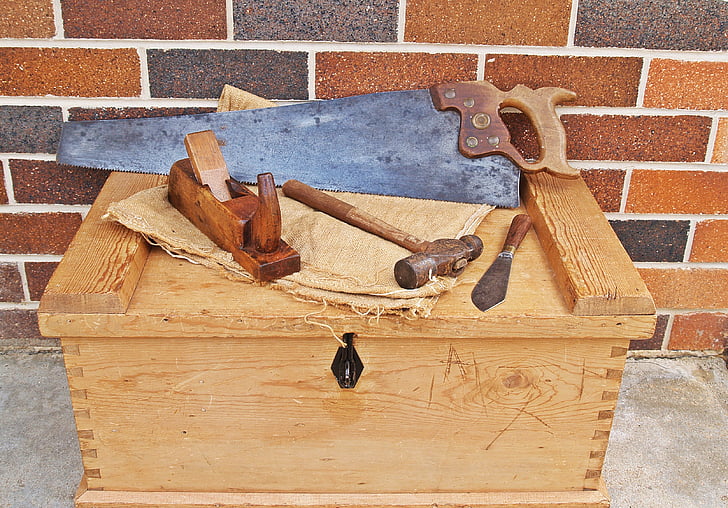
Below are the essential tool types you should prioritize, along with examples of what each category includes. These items form the backbone of a kit capable of handling everything from minor fixes to small renovation projects.When hanging a new shelf, you’ll use your tape measure to mark the spot, your level to ensure it’s straight, and your hammer to tap in.Purchasing a large, inexpensive ‘all-in-one’ kit that often contains low-quality tools that break easily or lack precision.Tool CategoryPrimary Use CasesKey Items to Start WithMeasuring & Marking.Ensuring accuracy for hanging, cutting, and assembly.Tape Measure, Level, Pencil.Fastening & Driving.Tightening screws, assembling furniture, securing fixtures.Screwdrivers (Phillips & Flathead), Adjustable Wrench, Hex Key Set.Cutting & Gripping.Opening boxes, cutting materials, holding small objects, bending wire.Utility Knife, Pliers (Combination), Wire Cutters.
Smart Strategies for Building Your Kit
How to Build a Home Tool Kit. Once you know which tools you need, the next step is acquiring them. This process doesn’t have to happen all at once, nor does it require breaking the bank.
Consider whether to buy tools individually or as part of a pre-made kit. While kits can offer convenience and a lower upfront cost, they often include tools you might not need or compromise on quality for certain items.
Instead of buying a full set of wrenches, start with one good adjustable wrench.
Buying the cheapest option available for every tool.
- Buy as You Go: A common and effective strategy is to purchase tools.
- Balance Quality and Cost: For core tools, invest in reputable brands known for.
- Consider a Cordless Drill: This is arguably the most versatile power tool for.
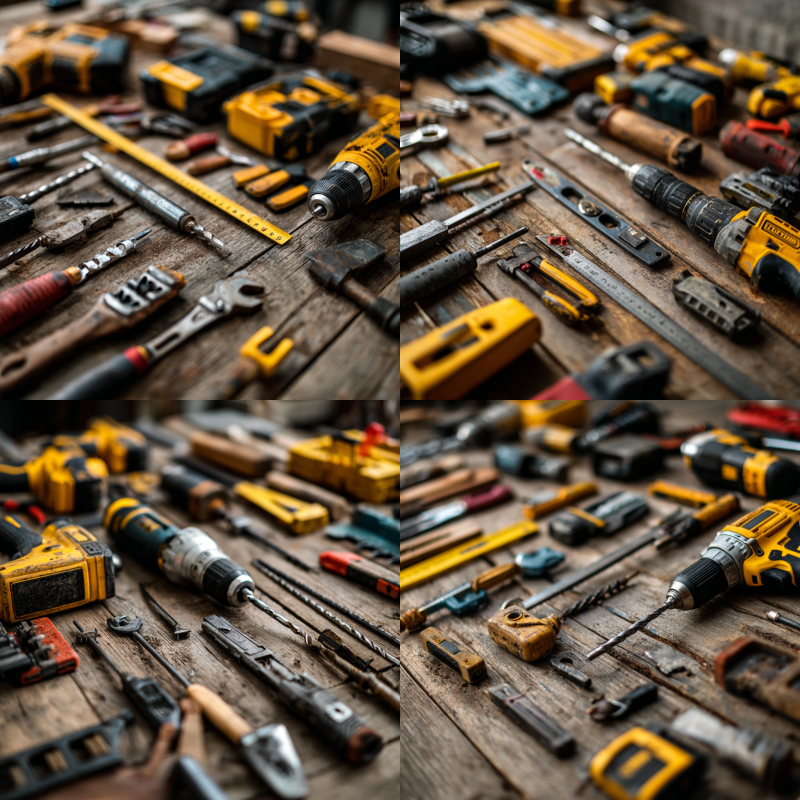
Organizing and Maintaining Your Tools
How to Build a Home Tool Kit. Once you start building your tool kit, proper organization and maintenance become crucial. A well-organized kit means you can quickly find the right tool for the job, and regular maintenance ensures your tools remain effective and last longer.
Start with a dedicated storage solution. A sturdy toolbox, a rolling cart, or even a wall-mounted pegboard can keep your tools tidy and accessible.
Store small items like screws, nails, and wall anchors in clear, compartmentalized bins so you can quickly find the right fastener without rummaging.
Leaving tools scattered around the house or exposed to moisture, which can lead to rust, damage, and difficulty finding them when needed.
- Choose a Storage Solution: A traditional toolbox, a plastic tote with a lid.
- Categorize and Label: Group screwdrivers together, pliers together, etc. Use labels on drawers.
- Keep it Dry: Store tools in a dry environment to prevent rust. If.
Expanding Your Kit: Beyond the Basics
As you gain confidence and tackle more complex projects, you’ll naturally identify gaps in your basic tool kit. Expanding your collection should be a thoughtful process, driven by your actual needs rather than impulse buys.
How to Build a Home Tool Kit. Consider what types of projects you’re frequently undertaking or planning. Are you doing more woodworking?
If you find yourself frequently hanging heavy items or planning to install new shelving, a stud finder and a more powerful drill might be your next.
Buying advanced or specialized tools for projects you might only do once, or before you’ve mastered the basics.
- Stud Finder: Essential for locating studs behind drywall before drilling or hanging heavy.
- Orbital Sander: Great for smoothing wood surfaces for painting or staining on small.
- Caulk Gun: Useful for sealing gaps around windows, doors, or in bathrooms to.
FAQs
What’s the difference between buying a pre-made tool kit and individual tools?
Pre-made tool kits offer convenience and often a lower upfront cost, bundling many tools together. However, the quality of individual tools within these kits can vary, and you.
How much should I expect to spend on a basic home tool kit?
The cost can vary widely based on quality and brand. A very basic, entry-level kit might start around $50-$100.
Are power tools necessary for a beginner’s home kit?
While hand tools cover most basic needs, a cordless drill is highly recommended as the first power tool for a beginner’s kit. It significantly speeds up tasks like.
How often should I check my tools for maintenance?
It’s a good practice to quickly wipe down and inspect your tools after each use before putting them away. A more thorough check, including cleaning, lubricating moving parts.
Conclusion
How to Build a Home Tool Kit. Building a home tool kit is a rewarding investment in your independence and ability to maintain your living space. By starting with a core set of versatile hand tools, making smart choices about quality and budget.
Remember that a tool kit is a living collection; it grows and adapts with your skills and projects. Don’t feel pressured to buy everything at once.
Related posts
 How to Spot Fake Mechanic Tools: A Practical Guide
Learn how to spot fake mechanic tools by checking for common signs like poor quality, incorrect branding, and missing details. Protect yourself from scams. Identifying fake…
 Why Chrome Vanadium Tools Are a Popular Choice
Discover why chrome vanadium tools are a popular choice for durability, strength, and corrosion resistance. Learn the key benefits of this common tool material. Chrome vanadium…
 How to Organize Tools in Limited Storage: Smart Ideas
Struggling with tool clutter in a small space? Discover clever ways how to organize tools in limited storage, from pegboards to multi-functional solutions. Organizing tools in…