
Why Chrome Vanadium Tools Are a Popular Choice
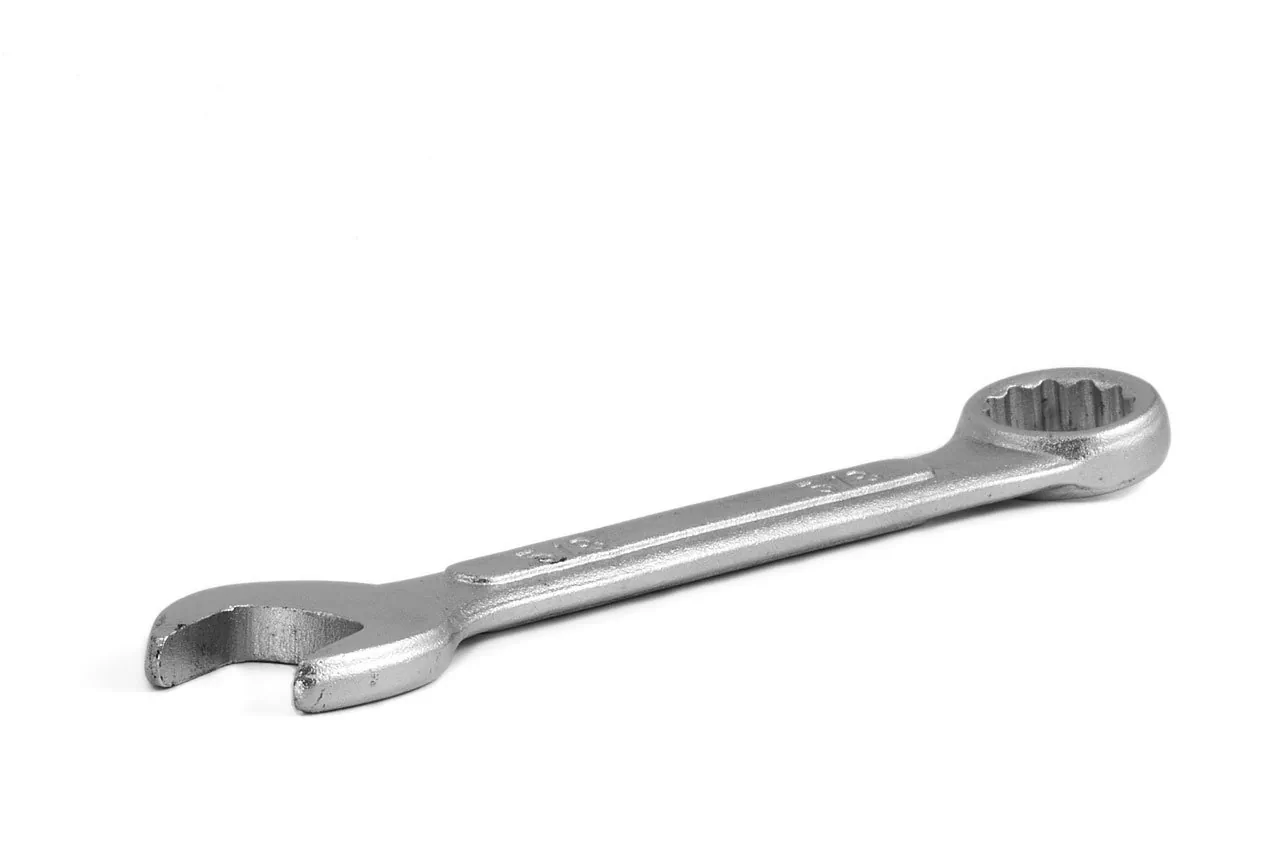
Chrome vanadium tools are popular because they offer an excellent balance of strength, toughness, and corrosion resistance, making them highly durable and reliable for a wide range of tasks. This specific steel alloy combines the best attributes of two key elements: chromium and vanadium.
Chromium contributes significantly to the steel’s hardness and provides a strong defense against rust and corrosion. Vanadium, on the other hand, enhances the steel’s toughness, allowing tools to withstand impact and stress without easily breaking or deforming.
Role of Chromium (corrosion resistance
- Chrome vanadium steel offers a balanced blend of strength, toughness, and corrosion resistance.
- Chromium primarily enhances hardness and rust prevention, while vanadium improves toughness and grain structure.
- This combination makes Cr-V tools durable and reliable for most common hand tool applications.
- They strike a good balance between performance and affordability, making them a popular choice.
- Proper care, though, is still important to maximize the lifespan of Cr-V tools.
| Topic | When it helps | What to keep in mind |
|---|---|---|
| 1 | Tools requiring consistent force application, like wrenches, sockets, and screwdrivers, where both durability and resilience are essential. | While tough, extreme, repetitive impact applications (like heavy-duty impact wrenches) might sometimes benefit from even tougher alloys like chrome molybdenum. |
| 2 | Tools used in garages, outdoor settings, or any environment where moisture and chemicals could lead to rust. | Corrosion resistance is not rust-proof. |
| 3 | Anyone seeking reliable tools that won’t need frequent replacement, from professional tradespeople to home DIYers. | Even durable tools can be damaged by misuse or exceeding their intended load. |
| 4 | Consumers looking for high-quality, reliable tools that fit within a reasonable budget, making professional-grade performance accessible. | Extremely cheap Cr-V tools might cut corners on heat treatment or finishing, which are critical for realizing the steel’s full potential. |
| 5 | Tool manufacturers and users who need a consistent, reliable material for a diverse range of non-impact hand tools. | While versatile, Cr-V isn’t always the absolute best for every single niche application (e.g., extreme impact or highly specialized cutting tools). |
The article must cover the
1. Exceptional Balance of Strength and Toughness
Chrome vanadium steel is renowned for its ability to be both hard (resisting wear and deformation) and tough (resisting fracture under impact). This balance is crucial for hand tools that need to apply significant force without breaking or bending.
- Tools requiring consistent force application, like wrenches, sockets, and screwdrivers, where both durability and resilience are essential.
- While tough, extreme, repetitive impact applications (like heavy-duty impact wrenches) might sometimes benefit from even tougher alloys like chrome molybdenum.
- For general-purpose hand tools, Cr-V’s balanced properties mean you get reliable performance without excessive brittleness or softness.
- Key Element – Vanadium.
- Benefit – Impact Resistance.
2. Superior Corrosion Resistance
The addition of chromium to the steel alloy forms a passive layer on the tool’s surface, significantly improving its resistance to rust and other forms of corrosion. This helps tools maintain their appearance and functionality over time, even in humid or challenging environments.
- Tools used in garages, outdoor settings, or any environment where moisture and chemicals could lead to rust.
- Corrosion resistance is not rust-proof.
- Look for a polished or plated finish on Cr-V tools, which further enhances their rust-preventative qualities.
- Key Element – Chromium.
- Benefit – Rust Prevention.
3. Durability and Longevity
The combined properties of strength, toughness, and corrosion resistance result in tools that are built to last. Chrome vanadium tools can withstand years of regular use, resisting wear, deformation, and environmental damage, making them a long-term investment for users.
- Anyone seeking reliable tools that won’t need frequent replacement, from professional tradespeople to home DIYers.
- Even durable tools can be damaged by misuse or exceeding their intended load.
- A tool’s overall construction and finish also contribute to its longevity, not just the steel type.
- Overall Benefit – Extended Lifespan.
- Value – Long-term investment.
4. Cost-Effectiveness and Accessibility
Compared to some more specialized or exotic alloys, chrome vanadium steel offers an excellent performance-to-cost ratio. This makes Cr-V tools widely available and affordable for a broad consumer base, without significantly compromising on quality or performance.
- Consumers looking for high-quality, reliable tools that fit within a reasonable budget, making professional-grade performance accessible.
- Extremely cheap Cr-V tools might cut corners on heat treatment or finishing, which are critical for realizing the steel’s full potential.
- Cr-V is a benchmark for quality in many tool sets, offering a good balance of price and performance for most users.
- Economic Factor – Affordable.
- Availability – Widespread.
5. Versatility Across Hand Tool Types
The balanced properties of chrome vanadium steel make it incredibly versatile, suitable for manufacturing a vast array of hand tools. From wrenches and sockets to screwdrivers and pliers, Cr-V provides the necessary characteristics for precise and powerful operation.
- Tool manufacturers and users who need a consistent, reliable material for a diverse range of non-impact hand tools.
- While versatile, Cr-V isn’t always the absolute best for every single niche application (e.g., extreme impact or highly specialized cutting tools).
- If a tool is labeled Cr-V, it’s generally a good indicator of a robust and capable hand tool for its intended purpose.
- Application – Hand Tools.
- Range – Wide variety.
The Core Properties That Drive Popularity
At the heart of chrome vanadium tools’ popularity lies their unique metallurgical composition. This alloy steel is primarily carbon steel enhanced with specific percentages of chromium (Cr) and vanadium (V), each playing a vital role in the final product’s performance.
Chromium is the element responsible for increasing the steel’s hardness, making it more resistant to wear and abrasion. Crucially, it also forms a protective oxide layer on the surface, which is key to the tool’s excellent corrosion resistance.
Vanadium, though often present in smaller quantities, is equally important. It refines the grain structure of the steel, which significantly boosts its toughness and tensile strength.
Imagine a mechanic tightening a stubborn bolt with a Cr-V wrench.
A common mistake is assuming ‘steel’ is all the same.
| Element | Primary Contribution | Benefit for Tools |
|---|---|---|
| Chromium (Cr). | Increases hardness, forms protective oxide. | Wear resistance, corrosion/rust resistance. |
| Vanadium (V). | Refines grain structure, increases tensile strength. | Toughness, impact resistance, prevents brittleness. |
| Carbon Steel Base. | Provides foundational strength. | Overall structural integrity. |
Where Chrome Vanadium Tools Shine Brightest
The balanced properties of chrome vanadium steel make it an ideal material for a vast array of hand tools. Its combination of hardness to resist wear and toughness to prevent breakage means it performs reliably in situations where tools are subjected to significant mechanical stress.
This makes Cr-V the backbone of many professional and home tool kits. You’ll find it in wrenches, socket sets, screwdrivers, pliers, and various other fastening and gripping tools.
Furthermore, the corrosion resistance provided by chromium is a major advantage for tools that are often exposed to harsh environments, moisture, or chemicals. This ensures that tools remain functional and presentable over their lifespan, reducing the need for frequent replacement and offering better long-term value.
Consider a socket set.
Don’t assume Cr-V is universally superior for all tool types.
Making Sense of Cr-V in Your Tool Kit
When you see ‘Cr-V’ stamped on a tool, it’s generally a good indicator of quality for general-purpose hand tools. This designation signifies that the tool is made from chrome vanadium steel, offering the balanced performance characteristics discussed.
While Cr-V is an excellent material, the overall quality of a tool also depends on factors like manufacturing processes, heat treatment, and finishing. A reputable brand will ensure proper heat treatment to maximize the steel’s properties, leading to a more reliable and durable tool.
To ensure your chrome vanadium tools last as long as possible, basic maintenance is key. Keep them clean and dry after use, especially if they’ve been exposed to moisture or corrosive substances.
When buying a new set of wrenches, look for ‘Cr-V’ stamped on the tools.
A common mistake is neglecting tool care, assuming ‘chrome’ means rust-proof forever.
FAQs
Are chrome vanadium tools considered good quality?
Yes, chrome vanadium tools are widely considered good quality for most general-purpose hand tool applications. The alloy provides an excellent balance of strength, toughness, and corrosion resistance, making them durable and reliable for both professional and DIY use.
Is chrome vanadium better than chrome molybdenum?
Neither is inherently ‘better’; they are optimized for different uses. Chrome vanadium (Cr-V) offers a great balance of hardness, toughness, and corrosion resistance, making it ideal for most hand tools like wrenches and sockets.
How can I tell if a tool is made of chrome vanadium steel?
Most reputable manufacturers will stamp ‘Cr-V’ or ‘Chrome Vanadium’ directly onto the tool itself. If not explicitly marked, you might find this information in the product description or packaging.
Do chrome vanadium tools rust?
Chrome vanadium tools are highly resistant to rust and corrosion due to their chromium content, but they are not entirely rust-proof. If left exposed to moisture, humidity, or corrosive chemicals for extended periods, they can still develop surface rust.
What types of tools commonly use chrome vanadium steel?
Chrome vanadium steel is a popular choice for a wide variety of hand tools. This includes wrenches (combination, open-end, box-end), socket sets, screwdrivers, pliers, ratchets, extensions, and other general fastening and gripping tools where a balance of strength, toughness, and corrosion resistance.
Conclusion
Chrome vanadium tools have earned their widespread popularity by striking an impressive balance between essential properties. The strategic addition of chromium provides vital hardness and corrosion resistance, while vanadium ensures the steel remains tough and resilient against impact and stress.
For anyone building or maintaining a tool kit, understanding the ‘why’ behind chrome vanadium’s popularity means recognizing a reliable standard. These tools offer consistent performance, making them a smart choice for everything from routine household repairs to demanding professional work.
Related posts
 Which Tool Kit Is Worth Buying? How to Choose the Right Set for Your Home
Wondering which tool kit is worth buying? Compare basic household sets, mechanic kits, and power tool combos to find the best tools for your budget and…
 Which Hand Tools Are Made in the USA? Reliable Brands and Buying Rules
Discover which hand tools are still made in the USA. Compare top domestic brands, tool categories, and learn how to verify origin labels before buying. Several…
 Why Do Campers Carry Multi Tools? Practical Uses in the Field
Why do Campers carry multi tools to handle gear repairs, campsite setup, food prep, and field fixes with minimal weight. Here is why one belongs in…