
How to Organize Tools in Limited Storage: Smart Ideas
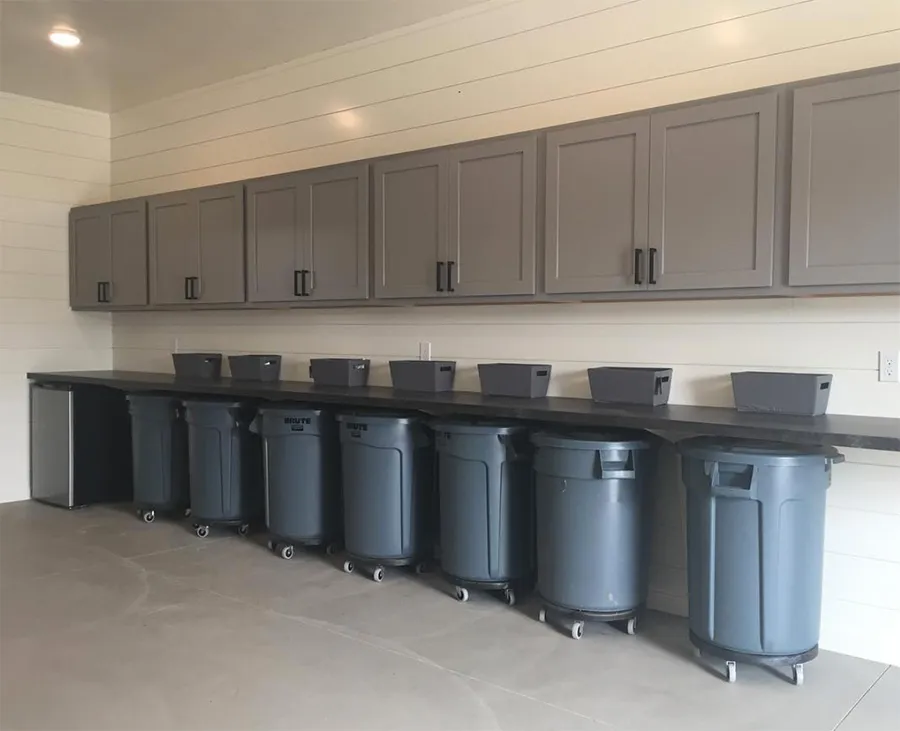
Organizing tools in limited storage can feel like a constant battle against clutter, but it’s entirely achievable with the right strategies. The key is to think vertically, utilize every inch of existing space, and employ clever solutions that keep your tools accessible without taking up precious room.
This guide will walk you through practical methods for organizing tools, whether you have a small corner, a compact cabinet, or a limited section of a garage. We’ll cover everything from maximizing wall space to smart drawer configurations and budget-friendly hacks to ensure your tools are tidy and ready when you need them.
Maximizing vertical space
- Vertical space is your best friend in limited storage.
- Drawer dividers and small bins are crucial for small tools.
- Portable solutions offer flexibility and can be stowed away.
- DIY and repurposed items can be highly effective and budget-friendly.
- Regularly reassess your tool storage needs.
| Topic | When it helps | What to keep in mind |
|---|---|---|
| Vertical Storage | Small workshops, garages, or any space where floor area is minimal. | Ensure wall anchors are strong enough to support the weight of your tools. |
| Drawer Organization | Toolboxes, cabinets, or any furniture with drawers. | Don’t overfill drawers, as this can make them difficult to open and close. |
| Portable Storage | Users who move between different project locations or need to store tools out of sight. | Ensure the bag or case is durable enough to handle the weight of your tools. |
| Clever Hacks | Budget-conscious individuals or those looking for creative, space-saving solutions. | Ensure repurposed items are clean and sturdy enough for their intended use. |
The article should focus exclusively
Vertical Storage. Maximize Wall Space with Vertical Solutions
Utilize walls by installing pegboards, wall-mounted shelves, or magnetic strips. Pegboards are versatile for hanging tools of various shapes and sizes, while magnetic strips are excellent for metal tools like wrenches and screwdrivers.
- Small workshops, garages, or any space where floor area is minimal.
- Ensure wall anchors are strong enough to support the weight of your tools.
- Consider a combination of pegboards for hanging and shallow shelves for smaller bins or toolboxes.
Drawer Organization. Optimize Drawers with Dividers and Bins
Transform cluttered drawers into organized compartments using adjustable drawer dividers, small plastic bins, or even repurposed containers like egg cartons or small boxes. Group similar tools together, such as all screwdrivers in one section or all pliers in another.
- Toolboxes, cabinets, or any furniture with drawers.
- Don’t overfill drawers, as this can make them difficult to open and close.
- Use clear bins so you can easily see the contents without pulling them out.

Portable Storage. Leverage Portable Tool Bags and Cases
Invest in a sturdy tool bag or a compact rolling tool chest. These allow you to consolidate your tools and move them easily between work areas or store them neatly when not in use.
- Users who move between different project locations or need to store tools out of sight.
- Ensure the bag or case is durable enough to handle the weight of your tools.
- Consider a soft-sided tool bag for flexibility and easier storage in tight spaces.
Clever Hacks. Implement Smart, Budget-Friendly Storage Hacks
Repurpose common household items. For example, use PVC pipes cut to size to hold long-handled tools like shovels or brooms, or mount small jars or tins to a board for storing screws, nails, and other small hardware.
- Budget-conscious individuals or those looking for creative, space-saving solutions.
- Ensure repurposed items are clean and sturdy enough for their intended use.
- Attach labels to jars and containers for quick identification of contents.
Maximize Vertical Space
When floor space is at a premium, looking up is your best strategy. Vertical storage solutions are designed to get tools off the ground and onto the walls, freeing up valuable room.
Magnetic strips are another fantastic option, especially for metal tools like wrenches, screwdrivers, and even some power tool accessories. Mounting them above a workbench or along a wall can keep frequently used items within easy reach.
Imagine a narrow hallway or a small corner in a room.
Overloading a pegboard or shelf to the point where it becomes unstable or difficult to access items.
- Install pegboards with a variety of hooks and holders.
- Use magnetic strips for metal hand tools.
- Mount wall racks for long-handled items.
- Consider tiered shelving units for shallow wall spaces.

Organize Drawers and Cabinets Effectively
Drawers and cabinets are often where tools tend to accumulate and become disorganized. The key to managing this is segmentation.
For smaller items like nuts, bolts, screws, and drill bits, small bins or containers are essential. Clear plastic containers are ideal because they allow you to see the contents at a glance.
Instead of a jumbled mess of screwdrivers and pliers in a toolbox drawer, use small, clear plastic bins to separate them.
Buying generic drawer organizers that don’t fit your specific tools.
- Use adjustable drawer dividers to create custom sections.
- Employ small bins or containers for hardware and small tools.
- Group similar tools together within their designated compartments.
- Label all bins and containers for easy identification.
Cabinet Storage Strategies
If you have cabinet space, consider adding extra shelves or using stackable bins to maximize vertical storage within the cabinet. Sliding shelves or pull-out drawers can also make accessing tools at the back much easier, especially in deeper cabinets.
Portable and Mobile Storage Options
For those who don’t have dedicated workshop space, portable storage is a game-changer. A well-designed tool bag or a compact rolling tool chest allows you to keep all your essential tools in one place.
When choosing a portable solution, consider the types of tools you have. A soft-sided tool bag with many pockets is great for hand tools and accessories, while a small rolling cart might be better for heavier power tools.
A DIYer working on a project in their living room might use a durable tool bag with multiple pockets to carry all necessary hand tools.

Purchasing a tool bag or cart that is too large for your available storage space or too heavy to comfortably move.Opt for tool bags with multiple compartments for organization.Consider a compact rolling tool chest for heavier items.Ensure the portable storage can be easily stowed away.Choose a size appropriate for your tool collection and space.
Smart Storage Hacks and Budget Ideas
You don’t need to spend a fortune on specialized organizers to achieve good tool storage. Many everyday items can be repurposed effectively.
Long-handled tools can be neatly stored using PVC pipes cut to size and mounted vertically on a wall or the inside of a cabinet. This keeps them upright and prevents them from cluttering floor space.
Mounting a few old spice racks to the inside of a cabinet door can create perfect little shelves for small bottles of lubricants, adhesives, or small hardware.
Using flimsy or inappropriate materials that could break or damage your tools.
- Repurpose PVC pipes for long-handled tool storage.
- Use old jars and containers for hardware and small parts.
- Mount small shelves or holders on cabinet doors.
- Create custom tool holders from scrap wood.
| Storage Idea | Best For | Potential Cost |
|---|---|---|
| Pegboard with hooks. | Hand tools, small power tools. | Low to Moderate. |
| Magnetic strips. | Metal hand tools. | Low. |
| Drawer dividers. | Small tools, hardware. | Low. |
| Clear plastic bins. | Hardware, small parts. | Low. |
FAQs
What’s the best way to organize tools in a very small apartment?
Focus on vertical storage like wall-mounted pegboards or shelves. Utilize multi-functional furniture if possible, and use compact tool bags that can be stored in closets or under beds.
How can I organize small hardware like screws and nails in limited space?
Use small, clear plastic bins, jars, or repurposed containers like spice jars or small boxes. Mount these on shelves, inside cabinet doors, or on a pegboard.
Is it better to use toolboxes or open shelving for limited storage?
It depends on the tools. Toolboxes with drawers are excellent for keeping smaller items organized and protected.
How do I prevent my tools from rusting in limited storage?
Ensure your storage area is dry and well-ventilated. Consider using desiccant packs in toolboxes or drawers.
What are some budget-friendly tool organization ideas?
Repurpose household items like PVC pipes, jars, and containers. Build simple shelves from scrap wood.
Conclusion
Organizing tools in limited storage is about making smart choices that maximize every inch of space. By focusing on vertical solutions, efficient drawer management, and clever hacks, you can transform clutter into a functional, accessible tool collection.
Start by tackling one area, like a single drawer or a section of wall, and build from there. A well-organized tool setup not only saves you time but also makes your projects more enjoyable and efficient.
Related posts
 Which Tool Kit Is Worth Buying? How to Choose the Right Set for Your Home
Wondering which tool kit is worth buying? Compare basic household sets, mechanic kits, and power tool combos to find the best tools for your budget and…
 Which Hand Tools Are Made in the USA? Reliable Brands and Buying Rules
Discover which hand tools are still made in the USA. Compare top domestic brands, tool categories, and learn how to verify origin labels before buying. Several…
 Why Do Campers Carry Multi Tools? Practical Uses in the Field
Why do Campers carry multi tools to handle gear repairs, campsite setup, food prep, and field fixes with minimal weight. Here is why one belongs in…