
How To Choose A Tool Bag For Carpenters
This guide shows you exactly how to choose a tool bag for carpenters that fits your work style. We cover materials, size, pockets, and comfort to help you pick the right bag for every job.
Every carpenter knows the feeling of reaching for a tool and finding it buried under three other tools in a messy bag. That frustration costs time, and time is money on a job site. Picking the right storage solution is one of the most practical decisions you will make for your daily work.
Knowing how to choose a tool bag for carpenters is not complicated. It just requires paying attention to a few key details that separate a good bag from a great one. Whether you frame houses, install cabinets, or do finish work, your bag should make your job easier, not harder.
This guide walks you through everything you need to consider. We will look at materials, size, organization, comfort, and special features that matter for carpentry work. By the end, you will feel confident about finding a bag that serves you well for years.
Why Your Tool Bag Choice Matters for Carpentry Work
Your tools are your livelihood. A proper storage system protects them from damage, keeps them organized, and makes sure you can grab what you need without thinking twice. When you work with wood all day, you carry a mix of heavy hammers, delicate chisels, measuring tapes, squares, and fasteners. Each tool has a different size and weight, so your bag needs to handle them all.
A carpenter who knows how to choose a tool bag for carpenters understands that organization directly affects productivity. Reaching for the right tool in seconds versus digging for it in minutes adds up over a workweek. That difference can mean finishing a job early or staying late.
Jack Turner, a seasoned contractor with over 15 years of experience, says, “A truly good tool bag is one that stands the test of time, and it needs to be made from materials that can withstand the daily wear and tear of work.”
Key Factors to Consider When You Choose a Tool Bag for Carpenters
Before you buy anything, think about how you work. Do you move between job sites every day? Do you work mostly in one workshop? Do you carry power tools along with hand tools? The answers to these questions guide your decision.
Material and Build Quality
The material of your bag determines how long it lasts. Carpenters work in rough environments with dust, moisture, and sharp objects. Your bag needs to handle all of that.
Common materials include:
- Canvas – Strong and breathable. Good for everyday use but may not hold up as well against heavy moisture.
- Nylon – Waterproof and abrasion-resistant. Great for outdoor work and wet conditions.
- Leather – Very durable and looks professional. Costs more but lasts a long time with proper care.
- Polyester – Affordable and reasonably strong. A good budget option.
Reinforced stitching and metal hardware in high-stress areas like handles and zippers add to the bag’s lifespan. Look for double stitching and reinforced corners. A bag with a solid base, often made of molded plastic or rubber, prevents sagging and keeps moisture from seeping in.
Size and Capacity
Size matters more than you might think. A bag that is too small forces you to leave tools behind or stack them in ways that damage them. A bag that is too large becomes heavy and awkward to carry.
Think about your daily tool load. Do you carry a circular saw? Several cordless drills? Mostly hand tools? The number and size of your tools determine the capacity you need.
For carpenters, a bag with sections for hammers, tape measures, and nails is ideal. Consider how often you use each tool. The ones you reach for most should be easy to access, not buried at the bottom.
Here is a simple table to help you match your work style to the right bag size:
| Work Style | Recommended Bag Size | Typical Tools Carried |
|---|---|---|
| Finish carpenter / Cabinet installer | Medium (15-20 liters) | Chisels, tape measure, square, pencils, small power tools |
| Framer / Rough carpenter | Large (20-30+ liters) | Hammer, framing square, nail bags, circular saw, levels |
| Maintenance / Handyman | Medium to Large | Mix of hand tools, small power tools, fasteners, hardware |
| Workshop-based | Variable (can use larger totes) | Full set of hand tools, specialty items, less need for portability |
Organization: The Heart of a Good Carpenter’s Tool Bag
A bag with good organization saves you from frustration. When you know exactly where each tool lives, you work faster and lose fewer items.
Pockets and Compartments
Look for a bag that has a mix of pocket sizes. Large pockets hold hammers and saws. Smaller pockets hold pencils, chalk lines, and tape measures. Some bags feature external pockets that give you quick access to frequently used tools.
The number of pockets matters, but the layout matters more. A bag with 50 pockets might seem impressive, but if they are not placed where you need them, they do not help much. Vertical pockets that let you see tools at a glance are especially useful for carpenters.
Electrician Emily Brown shared, “I carry heavy tools every day, and without comfortable shoulder straps and handles, it becomes very difficult. Padded shoulder straps allow me to carry the bag comfortably, even after a long day on the job.”
Specialized Features for Carpenters
Carpenters have unique storage needs. Hammer holders, tape measure clips, and nail pouches are common features on bags designed for carpentry. Some bags include dedicated slots for speed squares and chalk lines.
Mark Henderson, an experienced contractor, says, “When I’m working, I need to access my tools quickly. A bag with well-thought-out compartments lets me find each tool without wasting time and helps prevent damage to them.”
Think about how you work. Do you prefer a belt-style pouch that stays on your waist? Or a large tote that sits on the ground? Both have their place, and many carpenters use a combination of both.
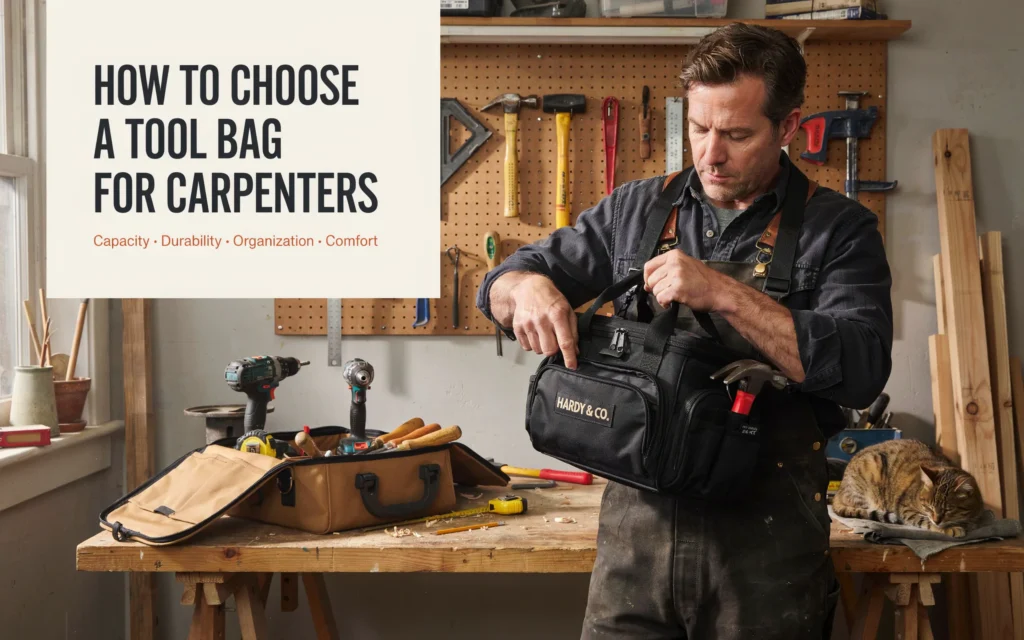
Here is a quick comparison of bag styles for carpenters:
| Bag Style | Best For | Pros | Cons |
|---|---|---|---|
| Tool belt / Pouch | Framing, rough work, jobs where you move constantly | Tools stay on your body, hands-free | Limited capacity, can strain your back |
| Open-top tote | General carpentry, jobs with multiple tool changes | Easy access, good capacity, stable on ground | Can be heavy to carry, tools exposed to dust |
| Backpack-style | Electricians, service work, jobs with long walks | Balanced weight, hands-free, protects tools | Slower access, bulkier |
| Rolling tool bag | Large jobs with many tools, workshop use | High capacity, easy to move heavy loads | Not suitable for stairs or rough terrain |
Comfort and Portability
Carpenters carry their tools for hours at a time. Comfort is not a luxury; it is a necessity. A poorly designed bag causes fatigue and can lead to back or shoulder pain over time.
Handles and Straps
Look for padded handles that reduce pressure on your hands. A shoulder strap helps distribute weight across your body. Adjustable straps let you find the right fit for your height and build.
If you carry a heavy load, consider a bag with backpack straps. They balance the weight across both shoulders and keep your hands free. Some bags offer both handle and strap options, giving you flexibility depending on the situation.
Weight Distribution
How you pack your bag affects how it feels to carry. Place the heaviest tools low and toward the center of the bag. This keeps the bag stable and prevents it from pulling to one side.
A bag with a reinforced base helps maintain its shape even when fully loaded. This makes it easier to carry and protects your tools when you set the bag down.
Special Features Worth Considering
Some tool bags come with extra features that can make your work easier. These are not essential for everyone, but they might be exactly what you need.
Water Resistance
If you work outdoors or in damp conditions, water resistance matters. Moisture can rust your tools and damage wooden handles. Look for bags made from water-resistant materials or with waterproof coatings.
The Carhartt Onsite Tool Bag, for example, features Rain Defender water-repellent fabric that keeps tools dry and stable. Some bags also have a molded base that prevents moisture from seeping in from the ground.
Lighting
Working in dark spaces is common for carpenters, especially during renovations. Some tool bags include built-in LED lights that help you see inside the bag and your immediate work area.
The DeWalt DGL573 Lighted Tool Bag has an LED light with three brightness levels, which can be a lifesaver when you are in a basement or crawl space.
Durability Features
Look for reinforced stitching, metal zippers, and sturdy hardware. These small details make a big difference in how long your bag lasts. A bag with double stitching and reinforced corners can handle the daily abuse of a job site.
Common Mistakes When You Choose a Tool Bag for Carpenters
Many carpenters learn the hard way what does not work. Avoid these common errors.
Buying Too Cheap
A cheap bag might save money now, but it will cost you more in the long run. Poor materials fail quickly, and replacing a bag every few months adds up. Invest in quality that lasts.
Ignoring Your Specific Trade
A bag that works for an electrician might not work for a carpenter. Carpenters need different pockets and holders. Choose a bag designed for your specific trade.
Overlooking Weight
A bag that holds everything is great until you have to carry it. Consider the weight of the bag itself along with your tools. A heavy empty bag only adds to your load.
Forgetting About Access
Pockets that are hard to reach or zippers that stick slow you down. Test the bag before you buy if possible. Make sure you can access your most-used tools quickly.
How to Choose a Tool Bag for Carpenters: A Step-by-Step Approach
Follow these steps to find the right bag for your work.
Step 1: List your daily tools. Write down everything you carry on a typical day. This gives you a clear picture of what you need to store.
Step 2: Consider your work environment. Do you work indoors or outdoors? Do you move between sites? Do you work in wet conditions? Your answers affect material and feature choices.
Step 3: Choose your bag style. Decide between a belt pouch, open tote, backpack, or rolling bag based on how you work.
Step 4: Check the material. Look for durable, water-resistant materials with reinforced stitching.
Step 5: Evaluate the organization. Count the pockets and think about where each tool will go. Make sure the layout matches your workflow.
Step 6: Test the comfort. Check the handles and straps. If possible, try the bag with some weight in it to see how it feels.
Step 7: Read reviews. See what other carpenters say about the bag. Real-world feedback is valuable.
Step 8: Compare prices. Find a bag that fits your budget without sacrificing quality.
Top Brands and Models for Carpenters
Several brands consistently make quality tool bags for carpenters. Knowing these names can help narrow your search.
- CLC Custom Leathercraft – Known for durable bags with many pockets. The 1539 model has 50 pockets and is widely recommended by tradespeople.
- Carhartt – Makes rugged bags with water-resistant materials and sturdy bases. The Onsite Tool Bag is a solid choice.
- OX Tools – Offers oil-tanned leather framing rigs with padded suspenders for professional carpenters.
- Klein Tools – Produces well-organized backpacks and totes favored by many tradespeople.
- Occidental Leather – Makes premium leather tool bags and belts known for quality and durability.
Maintaining Your Tool Bag
Once you choose a tool bag for carpenters, take care of it. Regular maintenance extends its life.
Clean your bag periodically. Remove dust and debris that can wear down materials. For leather bags, use conditioner to prevent cracking. Check stitching and hardware for signs of wear and repair small issues before they become big problems.
Keep heavy tools in the bottom to prevent the bag from tipping over. Organize tools by frequency of use so you are not constantly rummaging through everything.
Frequently Asked Questions
What is the best material for a carpenter’s tool bag?
Leather and heavy-duty nylon are top choices. Leather offers excellent durability and a classic look. Nylon provides water resistance and is lighter. Canvas is a good budget option but may not last as long in harsh conditions.
How many pockets should a carpenter’s tool bag have?
There is no magic number. Focus on the layout more than the count. You need pockets that fit your specific tools. A bag with 10 well-placed pockets can be more useful than one with 50 poorly placed ones.
Should I get a tool belt or a tool bag?
Many carpenters use both. A tool belt keeps essential tools on your body for quick access during framing or rough work. A tool bag holds the rest of your tools and stays on the ground or in your vehicle.
How much should I spend on a tool bag?
Expect to spend between $50 and $200 for a quality bag that lasts. Premium leather bags can cost more. Consider it an investment in your daily work efficiency.
Can I use a regular backpack for carpentry tools?
A regular backpack lacks the reinforced structure and specialized pockets that carpentry tools need. It will wear out quickly and may not protect your tools properly. Choose a bag designed for the job.
What size tool bag do I need for carpentry?
It depends on your tool load. A medium bag (15-20 liters) works for finish carpenters and cabinet installers. Framers and rough carpenters often need larger bags (20-30+ liters). List your daily tools to determine the right size.
How do I organize my tool bag for maximum efficiency?
Place the heaviest tools low and toward the center. Put frequently used tools in easy-to-reach pockets. Group similar tools together. Clean out your bag regularly and remove tools you do not use often.
Are waterproof tool bags worth it?
If you work outdoors or in damp conditions, yes. Waterproof bags protect your tools from rust and damage. Even if you work indoors, a water-resistant bag offers extra protection against spills and moisture.
Conclusion
Knowing how to choose a tool bag for carpenters comes down to understanding your work style, your tools, and your daily routine. The right bag keeps your tools organized, protects them from damage, and makes your job easier. It saves you time and reduces frustration.
Start by listing the tools you carry every day. Think about where you work and how you move. Pick a bag made from durable materials with a layout that matches your workflow. Test the comfort and check the features that matter most to you.
A good tool bag is an investment in your work. Take your time, compare options, and choose one that fits your needs. Your back, your tools, and your productivity will thank you.
Related posts
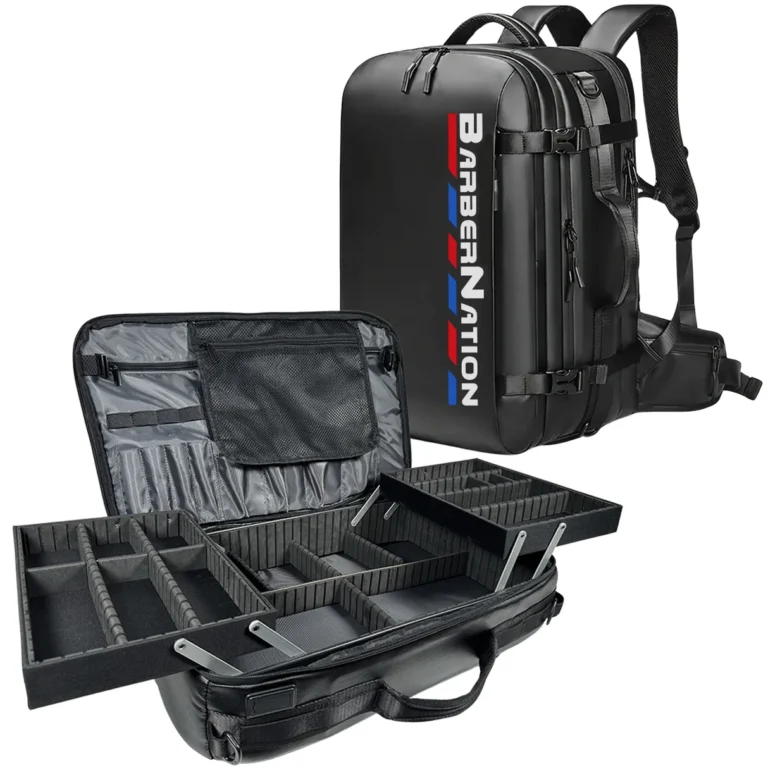 Top Tool Bags for Mobile Contractors: 2026 Buyer Guide
Discover the top tool bags for mobile contractors in 2026. Compare durable totes, backpacks, and multi-pocket organizers to find the best fit for your gear. For…
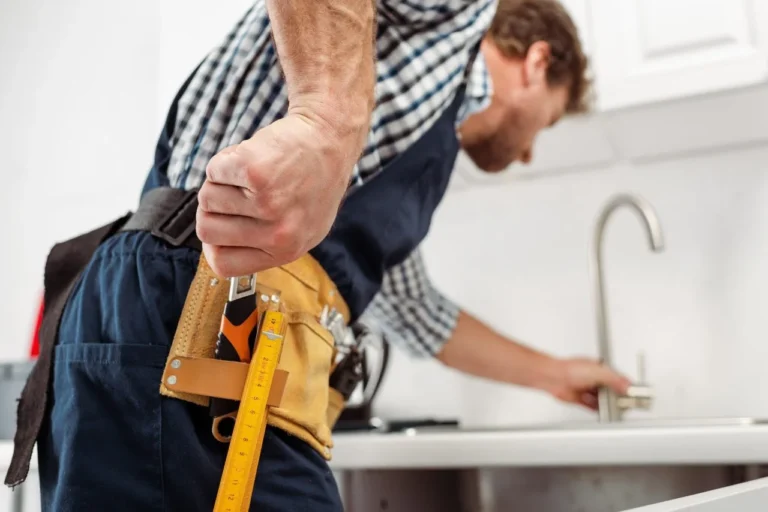 Top Tool Bags for Plumbers: 2026 Selection Guide
Discover the top tool bags for plumbers in 2026. We compare durable, multi-pocket storage solutions to help you organize your gear effectively on the job. Plumbing…
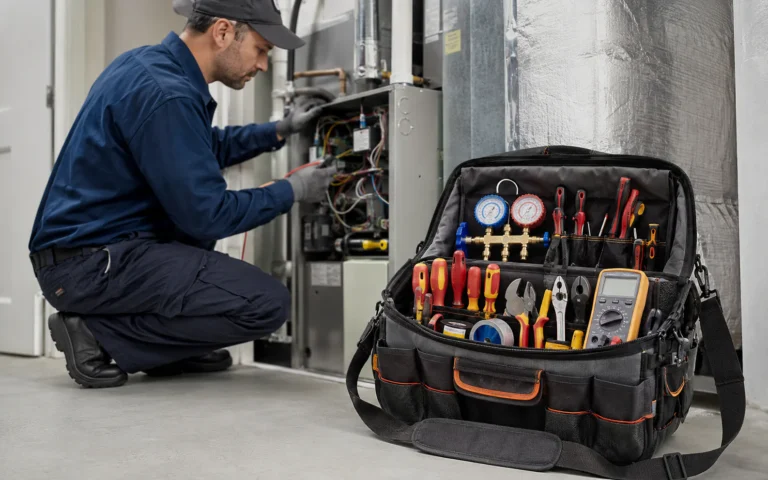 Best Tool Bag for HVAC Technicians in 2026
Find the right tool bag for HVAC technicians with our 2026 guide. Compare top-rated bags, backpacks, and pouches to keep your gear organized and protected. As…