
How To Choose A Tool Bag
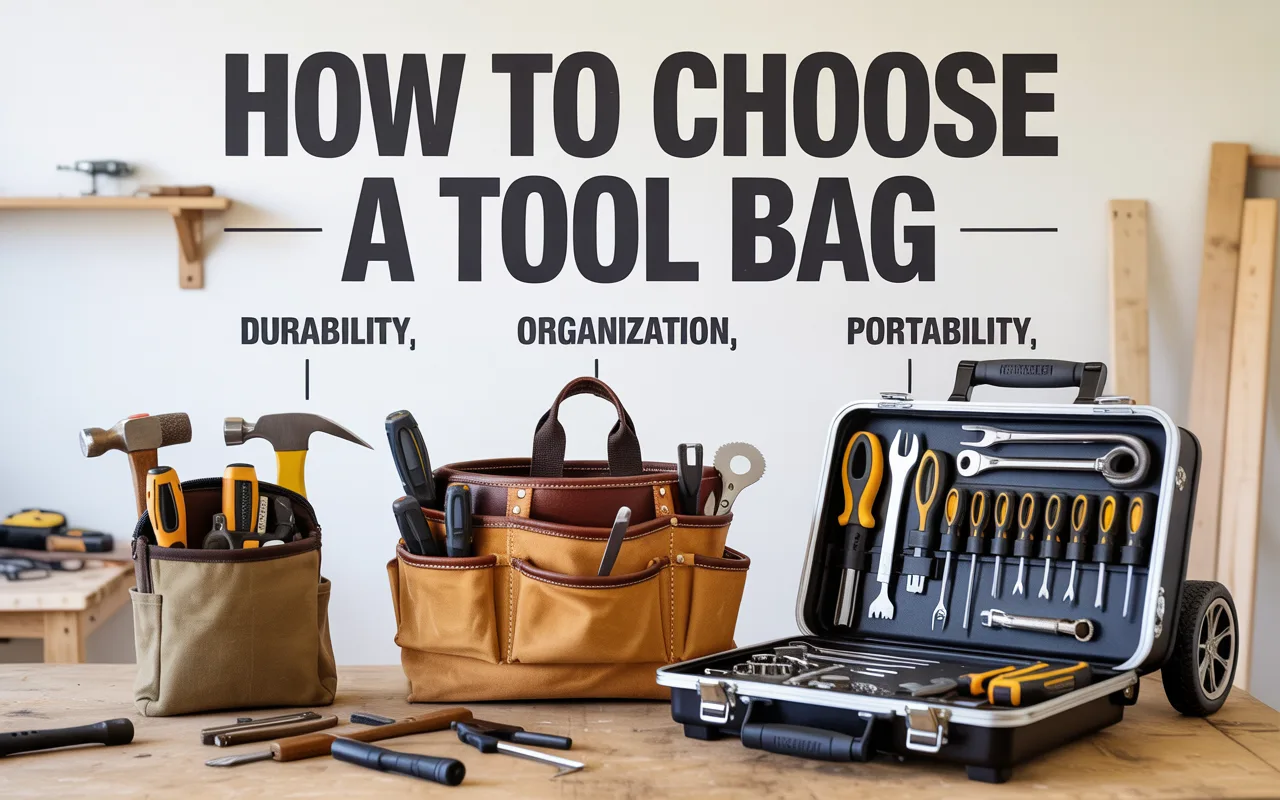
Learn exactly how to choose a tool bag that fits your job, tools, and daily needs. We cover sizes, materials, pockets, and comfort features for smart buyers.
Walking into a hardware store or browsing online for a new tool bag can feel a bit overwhelming. There are so many colors, shapes, and sizes. You might wonder if you need a small pouch or a giant rolling chest. The way you choose a tool bag really matters because this is the thing that holds your hard-earned tools. Your tools are your livelihood. They help you fix, build, and create. So, the bag that carries them needs to be just right.
I have spent years working with tools and testing different bags. I have made the mistake of buying the wrong one. I learned the hard way that a bad bag can slow you down. It can hurt your back or make you lose small parts. This guide will help you avoid those problems. We will talk about everything from fabric to zippers. By the end, you will know exactly what to look for. You will feel confident when you finally choose a tool bag that works for you.
Think about your typical day. Do you walk up and down stairs? Do you drive to different job sites? Do you work in one spot all day? Your answers change what bag you need. A person who climbs ladders needs something light. Someone who does home repairs needs many pockets. Let us find what fits your life.
Why the Right Tool Bag Matters for Your Work
Your tool bag is more than just a container. It is your mobile workshop. When you have a good bag, you work faster. You do not waste time searching for a screwdriver. Everything has its place. This saves you energy. It also keeps your tools safe. A good bag protects them from rain, dust, and drops.
Using the wrong bag can cause real problems. Heavy bags that hang wrong can hurt your shoulder. Bags with no structure let tools poke you. Cheap zippers break and spill your things. I remember using an old grocery bag once when I first started. It ripped, and my hammer hit my toe. That hurt. Do not be like me. Take time to choose a tool bag that is built right.
Also, clients notice your gear. When you show up with a neat, professional bag, they trust you more. It shows you care about your work. It shows you are organized. People want to hire someone who looks ready for the job.
Know Your Tools First
Before you even look at bags, look at your tools. This is the most important step. You need to know what you carry every day.
List Your Daily Carry Items
Grab everything you use on a normal job. Put it all on a table. This includes your hammer, screwdrivers, pliers, tape measure, utility knife, and level. Do not forget the small stuff like pencils, markers, drill bits, and nails. Count each item. This list tells you the minimum space you need.
If you carry a drill or a saw, those need more room. Some tools are long, like levels and hammers. Others are small, like wire nuts and screws. You need a bag that fits both sizes.
Think About Future Tools
Do you plan to buy new tools soon? Maybe a new impact driver or a better multimeter? It is smart to leave a little extra room. If you pack your bag totally full, you cannot add anything later. A bag with some flexibility is good. When you choose a tool bag, think about what you might carry next year, not just today.
Size and Capacity: Getting It Just Right
Size is a big deal. A bag that is too small is useless. A bag that is too big is heavy and clumsy.
Small Bags and Pouches
These are for light work. Electricians often like small pouches that clip on a belt. Carpenters doing trim work might use a small bag with just a few tools. If you only do quick fixes, a small bag works fine. It keeps you mobile. You can move fast without extra weight.
Medium Totes and Backpacks
Most tradespeople use a medium bag. This size holds a good set of tools but is not a monster to carry. A tote style lets you see everything at once. Backpacks are great if you climb or walk far. They balance the weight on both shoulders. This saves your back.
Large Rolling Bags
If you haul many tools, a rolling bag is best. Think plumbers or maintenance workers who carry heavy gear. Rolling bags have wheels and a handle. They hold a lot of weight. But they are hard to use on stairs or rough ground. Only get one if you mostly walk on flat floors.
Here is a simple table to help you decide on size.
| Bag Size | Best For | Typical Tools |
|---|---|---|
| Small Pouch | Quick jobs, electricians, light repairs | Pliers, screwdrivers, tape, wire nuts |
| Medium Tote | General contractors, carpenters, HVAC | Hammer, drill, hand tools, small parts |
| Large Rolling | Plumbers, heavy maintenance, full workshop on wheels | Large wrenches, pipe tools, power tools |
Material and Build Quality
You want a bag that lasts. Cheap bags fall apart in months. Good bags can last for years. The material matters a lot.
Fabric Choices
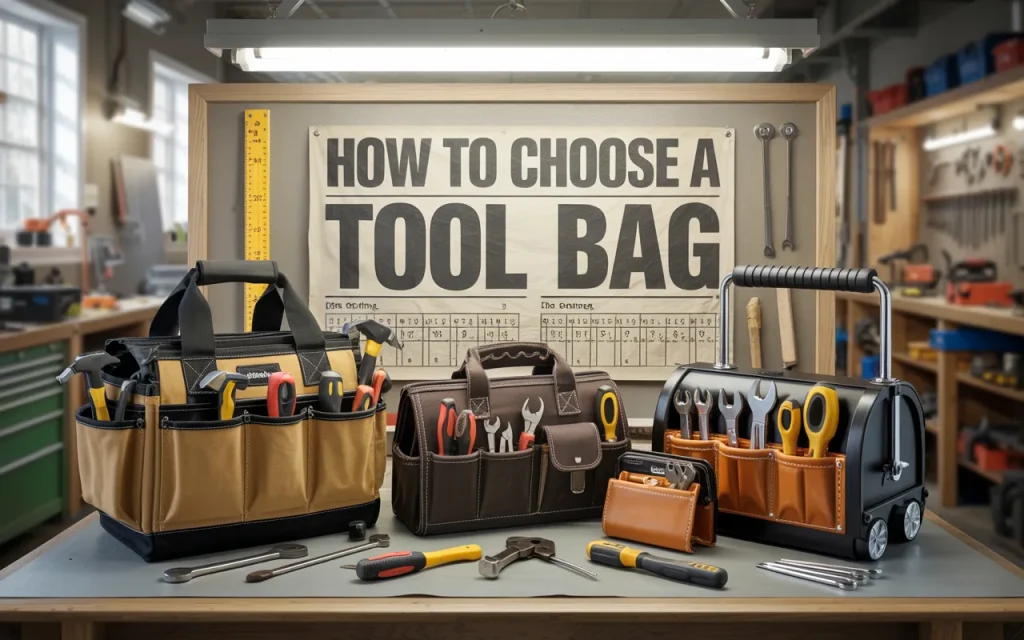
Most tool bags use canvas, nylon, or polyester. Canvas is classic. It is tough and breathes. But it can get heavy when wet. Nylon is strong and light. It resists water well. Polyester is similar to nylon but often cheaper. Look for thick fabric. Thin material tears easily.
Check the stitching. Double stitching at the seams is a sign of quality. If the thread is loose or uneven, put the bag down. That bag will fail.
Water Resistance
You never know when you will work in the rain or set your bag in a wet spot. A water-resistant coating helps. Some bags have a rubberized bottom. This keeps moisture from soaking up into your tools. Rusty tools are no fun. When you choose a tool bag, a little water protection goes a long way.
Zippers and Closures
Zippers are often the first thing to break. Look for metal zippers or heavy-duty plastic ones. They should move smoothly. If a zipper feels sticky in the store, it will be worse later. Some bags use buckles or magnets. Those are good too, but zippers keep dirt out best.
Pocket Design and Organization
A bag is not just a hole to throw tools in. Good pockets make all the difference.
Interior Pockets
Look inside the bag. Are there small pockets for screwdrivers? Are there loops for pliers? Some bags have removable dividers. You can move them around to fit your tools. This is great for keeping things separate. You do not want your hammer banging into your level.
Exterior Pockets
Outside pockets are handy for things you grab fast. Tape measures, pencils, and knives should be easy to reach. Make sure the pockets are deep enough. Shallow pockets drop your tools when you set the bag down.
Special Features
Some bags have a padded pocket for a tablet or phone. That is nice if you look at plans on-site. Others have a hard bottom so the bag stands up by itself. This is a huge help. You do not have to hold the bag open to find things. You just look down and grab what you need.
Comfort and Portability
You carry this bag. It needs to feel good.
Handles
The main handle should be padded. A thin handle cuts into your hand when the bag is heavy. Look for a comfortable grip. Some bags have two handles, so you can lift with both hands.
Shoulder Straps
If you carry the bag far, a shoulder strap is a must. It should be padded too. Wide straps spread the weight better. Check that the strap clips are strong. You do not want them to break. The strap should also be adjustable. You want the bag to sit at a good height on your hip or side.
Backpack Straps
Backpacks are the best for heavy loads. They use both shoulders. This keeps your spine straight. If you walk a lot, a tool backpack might be your best choice. Just make sure the back panel has padding and airflow. Otherwise, your back gets sweaty.
I once spoke with a veteran carpenter named Mike Harrison. He told me, “I used a cheap bucket for years because I was cheap. Then I got a real tool backpack. My back pain went away in a month. Never go back.” Mike is right. Comfort is health.
Specialized Bags for Different Trades
Different jobs need different bags. One size does not fit all.
Electrician Bags
Electricians need many small pockets. They carry wire strippers, voltage testers, and many small parts. Look for bags with slots for small tools. Some have a tray that opens wide so you can see everything. Leather is popular here because it resists sparks.
Plumbing Bags
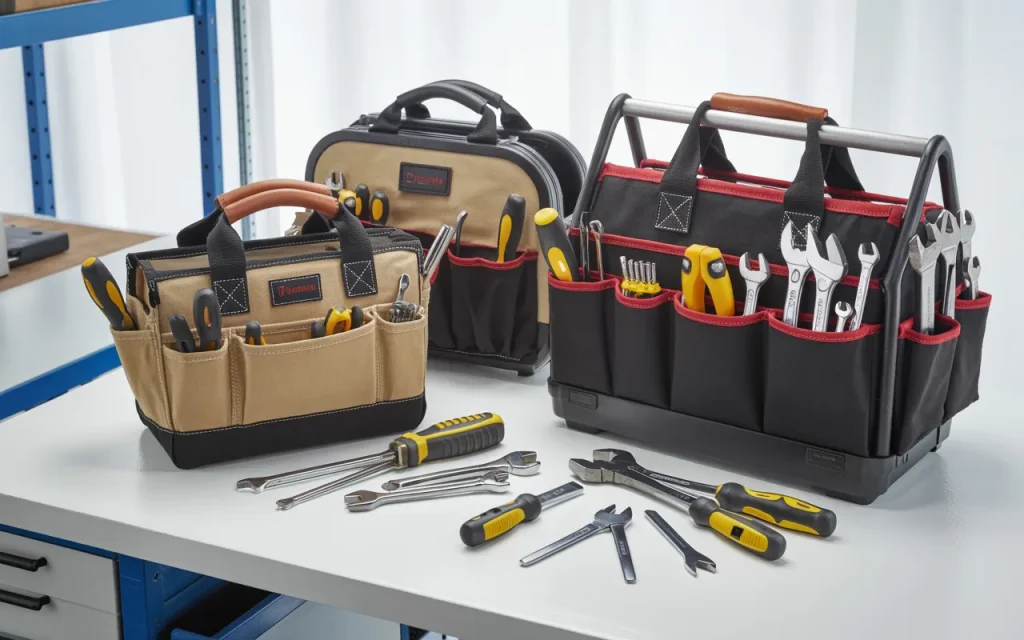
Plumbers carry heavy wrenches and pipe cutters. They need tough fabric and strong handles. A wide-open tote works well. It lets them drop big tools in fast. Waterproof material is good because plumbing jobs are wet.
Carpentry Bags
Carpenters have long tools like levels and squares. They also need nail pouches. Many use a combination of a belt pouch and a tote. The bag should have loops for hammers and slots for long tools.
Here is another quick table to match bags to trades.
| Trade | Key Tool Needs | Bag Style |
|---|---|---|
| Electrician | Small parts, testers, wire tools | Small pouches, backpacks with many pockets |
| Plumber | Heavy wrenches, pipe cutters | Large open totes, rolling bags |
| Carpenter | Hammers, levels, saws, nails | Belt pouches, medium totes with long slots |
| HVAC | Multimeter, screwdrivers, sheet metal tools | Backpacks, medium totes |
Budget vs. Value
You do not have to spend a fortune. But the cheapest bag is rarely the best deal.
Entry Level
If you are just starting out or only need a bag for home use, a basic bag is fine. You can find them for under thirty dollars. They work for light duty. Just know they might not last for daily pro use.
Mid Range
This is the sweet spot for most workers. Bags in the fifty to one hundred dollar range offer good materials and smart features. They last for years with normal care. This is where you get the most for your money.
Premium
High-end bags cost over one hundred dollars. They use top grain leather or super fabric. The stitching is perfect. They have features like waterproof liners and metal feet. If you use your bag every single day, a premium bag is worth it. It becomes part of your work life.
Think about cost per use. A good bag that lasts five years is cheaper than a cheap bag every year.
Common Mistakes When Buying
People mess up when they choose a tool bag. Here are the big errors.
Buying Based on Looks
A bag might look cool. But if it does not fit your tools, it is useless. Function comes first. Style is second.
Ignoring Weight
Some bags are heavy even when empty. Add your tools, and it becomes a beast. Lift the empty bag in the store. If it feels heavy then, it will feel worse later.
Forgetting the Environment
Do you work in mud? In tight attics? In clean homes? Pick a bag that matches. A soft canvas bag gets ruined in mud. A hard plastic box is too loud in a quiet house.
Another pro, Sarah Jenkins, a master plumber, shared this: “I bought a bag with too many pockets once. I spent more time looking for things. Simple is faster. Keep it simple.” Sarah makes a great point. Too much organization can actually slow you down.
How to Test a Bag Before Buying
If you can, visit a store. Pick up the bag. Feel the fabric. Open all the zippers. Put your hand in the pockets.
The Lift Test
Put some weight in it if they let you. Lift it by the handle. Put the strap on your shoulder. Walk around. Does it feel okay? Does it bang your leg?
The Fill Test
Imagine your tools inside. Does it tip over? Does it stand up? A bag that falls over is annoying all day long.
The Reach Test
Can you reach the bottom easily? If the bag is deep, can you find small things? You want to access your tools without dumping everything out.
Maintaining Your Tool Bag
Once you buy the right bag, take care of it. It will last longer.
Clean It Out
Dirt and dust get inside. They wear down fabric and clog zippers. Empty your bag now and then. Turn it upside down and shake it out.
Wipe It Down
Use a damp cloth to wipe the outside. If it is really dirty, mild soap is okay. Let it dry fully before you put tools back. Moisture causes rust.
Fix Small Problems
If a stitch comes loose, fix it fast. A little sewing now saves a big rip later. Check zippers for stuck dirt. A little lubricant can help a sticky zipper.
Frequently Asked Questions
What size tool bag do I need for home use?
For home use, a medium tote is usually best. It holds a hammer, screwdrivers, pliers, and a small drill. You have room for nails and screws too. It is big enough for most repairs but not too heavy to store.
Should I get a tool backpack or a tote bag?
It depends on your work. Backpacks are best if you walk, climb, or need both hands free. Totebags are better if you want to see and grab tools quickly. Many pros own both for different jobs.
How do I choose a tool bag for heavy tools?
Look for reinforced bottoms and strong handles. Rolling bags are best for very heavy loads. If you must carry them, choose a backpack to balance the weight. Check the weight limit the bag claims.
Are leather tool bags better than canvas?
Leather is very tough and looks great. It molds to your tools over time. But it is heavy and costs more. Canvas is lighter and cheaper. Both can last a long time with care. Choose based on your budget and style.
Can I use a regular bag for tools?
You can, but it is not a great idea. Regular bags lack reinforced bottoms and strong pockets. Tools can poke through. The straps might break. A real tool bag is built for the weight and sharp edges.
Conclusion
Finding the right bag takes a little thought. But it is worth the time. You now know how to choose a tool bag that fits your tools, your body, and your job. Remember to start with your tool list. Think about size and material. Look at pocket layout. Check the comfort features. Match the bag to your trade. And always think about value, not just price.
A good tool bag becomes a trusted partner. It holds what you need. It goes where you go. It makes your work easier every single day. Do not rush the choice. Look at your options. Feel the bags in your hands. Imagine your life with that bag on your shoulder.
When you find the right one, you will know. Your tools will fit just right. The bag will feel good to carry. You will work faster and feel better. That is the goal. That is why we do this work. So take your time, be smart, and get the bag that works for you. Your future self will thank you every time you pull out a tool right when you need it.
As a final thought from an old contractor named Tom Bennett, “A good tool bag is like a good partner. It carries its weight and never complains. Treat it well, and it will do the same for you.”
Related posts
 Top Tool Bags for Apprentices and Trainees in 2026
Discover the top tool bags for apprentices and trainees in 2026. Compare durable, portable, and organized storage solutions to keep your gear ready for the job.…
 Top Tool Bags for DIY Homeowners in 2026
Discover the top tool bags for DIY homeowners in 2026. Compare durable organizers, backpacks, and storage solutions to keep your home repair gear ready. Keeping your…
 Top Tool Bags for Apprentices and Trainees 2026
Discover the top tool bags for apprentices and trainees in 2026. Compare durable, portable, and organized storage solutions to help you start your trade right. Starting…