
Can I Use A Regular Backpack Or Duffel Bag Instead Of A Tool Bag
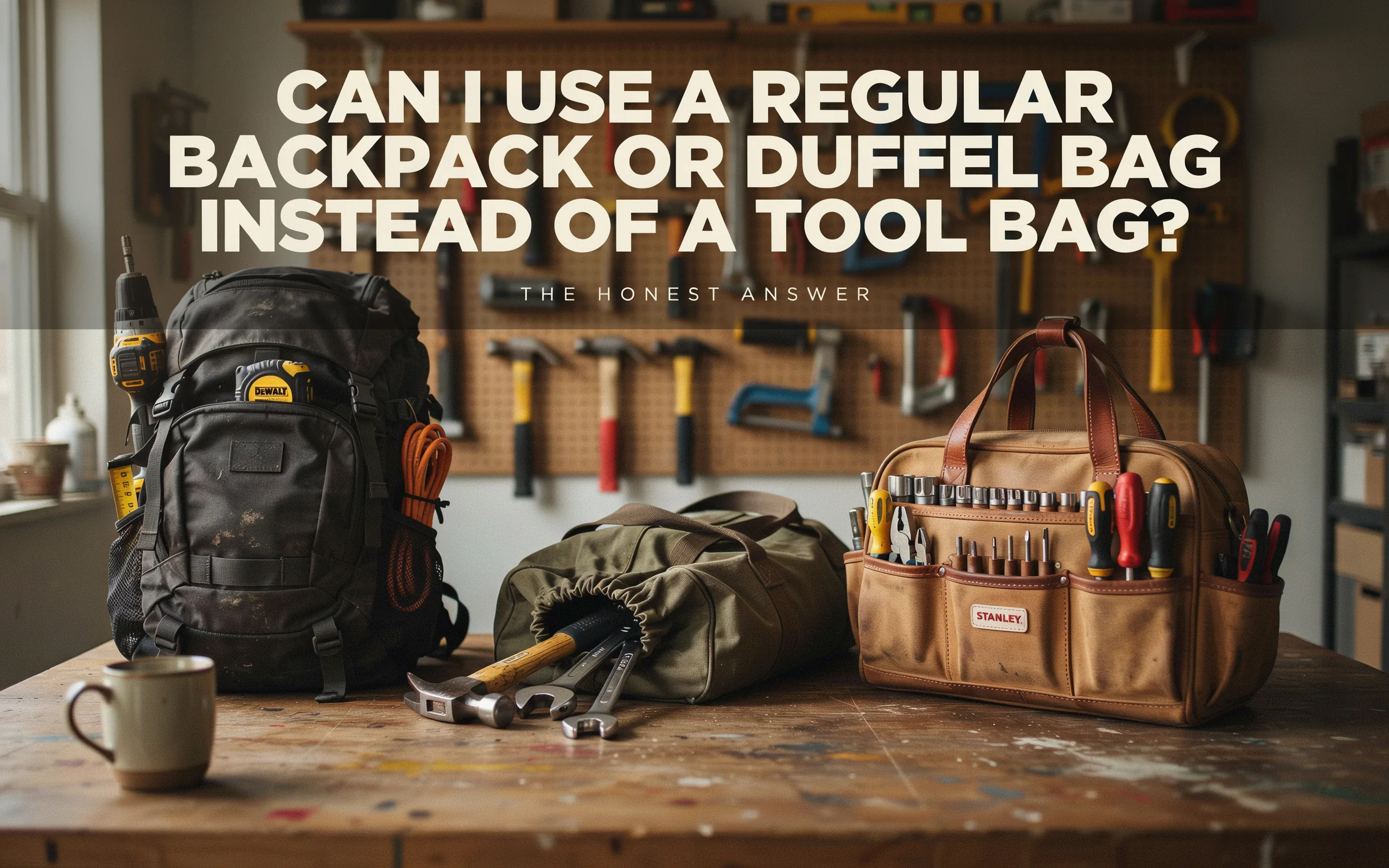
Are you wondering if you can use a regular backpack or duffel bag instead of a tool bag for your work gear? This guide covers the pros, cons, risks, and smarter alternatives to help you decide.
You have a pile of tools sitting in the corner of your garage, and you need to get them to a job site. You look at your old school backpack or that gym duffel bag and think, “Why not just use this?” It is a fair question. After all, a bag is a bag, right? It holds things. It has straps. It should work.
Many people ask this same question: Can I use a regular backpack or duffel bag instead of a tool bag? The short answer is yes, you physically can. But the better question is whether you should.
Let me walk you through everything you need to know. I have spent years working with tools, carrying them from place to place, and learning what works and what fails. I have made the mistake of using the wrong bag, and I have seen others do the same. This article will save you from making that error.
What Makes a Tool Bag Different from a Regular Bag?
Before we decide if a regular backpack or duffel bag instead of a tool bag is a good idea, we need to understand what sets these bags apart.
Tool bags are built with a specific purpose in mind. They are not just random bags with a label slapped on them. They are engineered for heavy, sharp, and awkward items.
Material and Durability
Can I Use A Regular Backpack Or Duffel Bag Instead Of A Tool Bag. Tool bags use heavy-duty materials like 1680D Oxford cloth or ballistic nylon. These fabrics resist punctures, tears, and abrasion. Regular backpacks often use lighter materials that save weight but offer less protection. A sharp screwdriver or a drill bit can poke right through a standard backpack.
Reinforcement and Structure
Tool bags have reinforced bottoms and sturdy frames. They stand upright on their own. This makes it easy to load and unload tools. Regular bags collapse when you set them down. You end up wrestling with a floppy bag while trying to find a wrench.
Organization and Pockets
Some tool backpacks have over 50 pockets. They have dedicated slots for screwdrivers, tape measures, pliers, and drill bits. Everything has its place. Regular backpacks usually have one or two main compartments and maybe a small front pocket. You end up with a jumbled mess of tools banging against each other.
Weight Distribution
Tool backpacks are designed to carry heavy loads comfortably. They have padded shoulder straps and sometimes waist belts. Regular backpacks may have thin straps that dig into your shoulders when loaded with heavy tools.
The Pros of Using a Regular Backpack or Duffel Bag
Let us look at the good side first. Why might someone choose a regular backpack or duffel bag instead of a tool bag?
Cost Savings
Tool bags can be expensive. A good quality tool backpack might cost over $100. You might already own a backpack or duffel bag. Using what you have saves money right now.
Availability
You do not need to go to the store. You do not need to wait for shipping. Your regular bag is right there, ready to use. This convenience is hard to ignore when you need to get to work quickly.
Versatility
Can I Use A Regular Backpack Or Duffel Bag Instead Of A Tool Bag. A regular backpack works for many purposes. You can use it for work, travel, or everyday activities. A tool bag is mostly useful for tools. If you do not carry tools every day, a regular bag might make more sense.
Lightweight Design
Regular bags are often lighter than tool bags. This can be helpful if you are carrying a smaller load. You are not adding extra weight from heavy materials and thick padding.
The Cons and Risks of Using a Regular Bag for Tools
Now for the harder truth. Using a regular backpack or duffel bag instead of a tool bag comes with real risks. These are not just minor inconveniences. They can affect your safety, your tools, and your work.
Damage to Your Tools
Tools bump into each other inside a regular bag. There is no separation. A hammer can scratch a drill. A wrench can chip a saw blade. Over time, your tools get damaged. They might not work as well. You might need to replace them sooner.
Damage to the Bag
Regular bags are not made for heavy, sharp objects. The fabric tears. The zippers break. The straps rip. I have seen a duffel bag split open at the seams from carrying a few power tools. You might ruin your bag and still need to buy a tool bag.
Safety Hazards
This is the most serious concern. Tools can fall out of an unsecured regular bag. A dropped tool can injure someone below. It can damage equipment or materials. If you climb ladders, you need a secure way to carry tools. A regular bag does not provide that security.
Lack of Organization
You waste time searching for tools. Every minute you spend digging through a messy bag is a minute you are not working. This adds up over a day, a week, a year. Organization is not just about neatness. It is about efficiency.
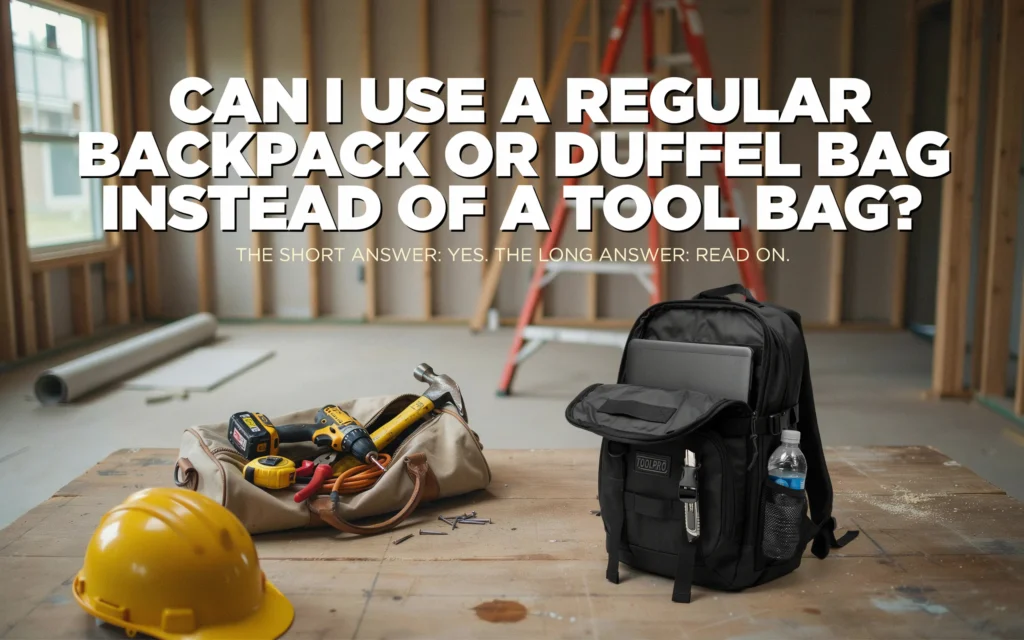
Physical Strain
Can I Use A Regular Backpack Or Duffel Bag Instead Of A Tool Bag. Carrying heavy tools in a regular backpack strains your back and shoulders. The straps are not designed for that weight. The bag might not sit evenly on your back. This can lead to pain and fatigue.
| Feature | Regular Backpack | Dedicated Tool Bag |
|---|---|---|
| Material | Lightweight nylon or polyester | Heavy-duty Oxford cloth or ballistic nylon |
| Reinforcement | Minimal or none | Reinforced bottom and frame |
| Organization | 1-3 main compartments | 20+ pockets and loops |
| Weight Capacity | 15-25 pounds | 40-70+ pounds |
| Durability | Moderate | High |
| Safety | Tools can fall out | Secure closures and straps |
When a Regular Bag Might Work for You
There are situations where a regular backpack or duffel bag instead of a tool bag is acceptable. Let me be clear about these cases.
Light Duty and Occasional Use
If you are carrying a few small hand tools to help a friend or do a quick repair at home, a regular bag can work. You are not doing this every day. You are not carrying heavy power tools.
Non-Sharp and Non-Heavy Tools
Soft items like tape, glue, or small plastic parts are fine in a regular bag. They will not damage the bag, and the bag will not damage them.
Short Distances
If you are just walking from your car to a nearby workspace, a regular bag might get the job done. The risk is lower over short distances.
Backup or Emergency Use
Maybe your main tool bag is in the shop, and you need to grab a few things quickly. In a pinch, a regular bag works as a temporary solution.
The Real Cost of Choosing a Regular Bag
Let us do some math. You save $50 to $100 by not buying a tool bag. But what happens when your regular bag fails?
Tool Replacement Costs
Can I Use A Regular Backpack Or Duffel Bag Instead Of A Tool Bag. A damaged drill might cost $100 to replace. A scratched saw blade might cost $30. A broken wrench set might cost $50. These costs add up quickly.
Lost Time and Productivity
Spending extra time searching for tools costs you money. If you bill by the hour, this is lost income. If you are an employee, this is wasted time for your employer.
Injury and Liability
A dropped tool can cause serious injury. Medical bills, lost work time, and potential lawsuits are expensive. This risk alone makes a proper tool bag worth the investment.
Bag Replacement
You might ruin your regular bag. Then you need to buy a new one anyway. You end up spending money twice.
What to Look for in a Tool Bag
If you decide that a regular backpack or duffel bag instead of a tool bag is not the right choice, here is what to look for in a proper tool bag.
Sturdy Materials
Look for 1680D or 900D fabric. These are tough and resist tears. Check the stitching. Double stitching or reinforced stitching is a good sign.
Strong Zippers
Zippers are often the first thing to break. Look for heavy-duty zippers from brands like YKK. They should glide smoothly and feel solid.
Padded Straps
If you choose a backpack style, the straps should be thick and padded. This makes carrying heavy tools more comfortable.
Multiple Pockets
The more pockets, the better. You want dedicated spaces for different tools. This keeps everything organized and easy to find.
Hard Bottom
A hard or reinforced bottom helps the bag stand up. It also protects your tools when you set the bag down.
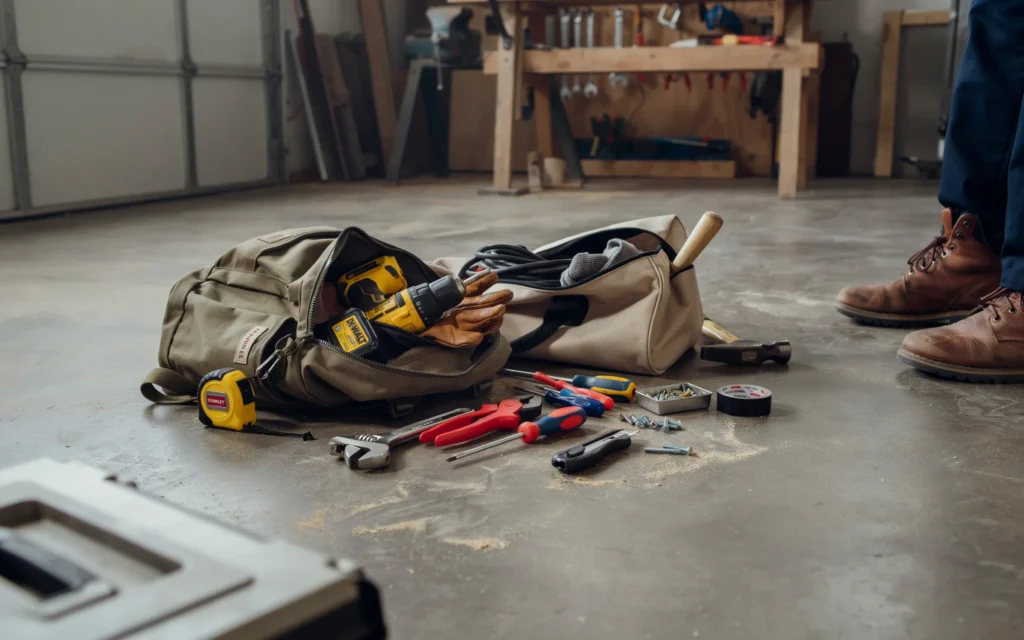
Weight Capacity
Check the maximum weight capacity. A good tool bag should handle at least 40 pounds. Some handle 70 pounds or more.
| Bag Type | Best For | Weight Capacity | Organization |
|---|---|---|---|
| Tool Backpack | Heavy loads, hands-free carrying | 40-70 lbs | High (many pockets) |
| Tool Tote | Quick access, medium loads | 25-40 lbs | Medium |
| Tool Duffel | Large items, bulkier tools | 30-50 lbs | Low to Medium |
| Rolling Tool Bag | Very heavy loads, mobility | 70-110+ lbs | High |
Real Stories from Real People
Can I Use A Regular Backpack Or Duffel Bag Instead Of A Tool Bag. I remember talking to a plumber named Dave. He told me about the time he used a duffel bag for his tools. He said, “I thought I was being smart. I had this old gym bag, and I figured it would work fine. I loaded it up with my pipe wrenches and fittings.”
Dave carried that bag for about two weeks. Then the bottom ripped open on a job site. His tools spilled everywhere. One wrench hit a concrete floor and chipped. He spent more time cleaning up than working that day.
He bought a proper tool bag the next morning.
Another friend, Maria, is an electrician. She tried using a regular backpack for her smaller tools. She said, “I kept losing my wire strippers. They would fall to the bottom and get buried under everything else. I spent so much time digging through that bag.”
She switched to a tool backpack with dedicated pockets. Now she knows exactly where every tool is. She works faster and feels less stressed.
Making the Decision: What Should You Do?
Here is my honest advice. If you work with tools regularly, invest in a proper tool bag. It is worth the money. It protects your tools, saves you time, and keeps you safe.
If you only use tools occasionally and carry a light load, a regular bag might work. But be careful. Pay attention to the weight. Watch for signs of wear. Do not overload the bag.
A Middle Ground
Some companies make bags that work as both a duffel and a tool bag. These have some organization features but still look like regular bags. They offer a compromise between cost and function.
Try Before You Buy
Can I Use A Regular Backpack Or Duffel Bag Instead Of A Tool Bag. If possible, test a tool bag before buying. Load it with your tools. See how it feels. Check if the pockets fit your specific tools. Everyone has different needs.
Maintaining Your Tool Bag
Whether you choose a tool bag or use a regular backpack or duffel bag instead of a tool bag, maintenance matters.
Clean It Regularly
Dirt and debris can damage fabric and zippers. Wipe down your bag after each use. Shake out loose debris.
Check for Damage
Look for tears, loose stitching, or broken zippers. Fix small problems before they become big ones.
Do Not Overload
Every bag has a weight limit. Respect it. Overloading strains the fabric, zippers, and straps.
Store It Properly
Keep your bag in a dry place. Moisture can weaken fabric and cause rust on your tools.
Frequently Asked Questions
Can I use a regular backpack for power tools?
You can, but it is not recommended. Power tools are heavy and have sharp edges. They can damage the backpack and fall out. A proper tool bag offers better protection and security.
Will a duffel bag hold heavy tools?
A duffel bag can hold heavy tools, but the straps and zippers may not handle the weight. The bag might tear or break. Look for a bag with reinforced seams and strong zippers if you try this.
What is the best bag for carrying tools?
The best bag depends on your needs. For heavy loads and frequent use, a tool backpack or rolling tool bag works well. For lighter loads and quick access, a tool tote is a good choice.
How much weight can a regular backpack hold?
Most regular backpacks hold 15 to 25 pounds safely. Exceeding this can damage the bag and strain your back. Tool bags are designed for 40 pounds or more.
Can I use a school backpack for tools?
A school backpack is made for books and laptops. It is not built for heavy or sharp tools. You risk damaging the backpack and your tools. It might work for very light tools in a pinch.
Why are tool bags so expensive?
Tool bags use heavy-duty materials, strong zippers, and reinforced stitching. They are built to last under tough conditions. The cost reflects the quality and durability.
Is it safe to carry tools in a regular bag?
It can be unsafe. Tools can fall out, causing injury or damage. Sharp tools can poke through the bag. Heavy tools can strain your back. A proper tool bag is safer.
How do I organize tools without a tool bag?
Use small pouches or rolls for different tool types. Wrap sharp tools in cloth. Use dividers or boxes inside the bag. But this is not as effective as a dedicated tool bag.
Conclusion
Can I Use A Regular Backpack Or Duffel Bag Instead Of A Tool Bag. So, can you use a regular backpack or duffel bag instead of a tool bag? Yes, you physically can. But the real question is whether you should.
For occasional, light use, a regular bag might work. For regular work with heavy or sharp tools, a proper tool bag is the better choice. It protects your tools, saves you time, and keeps you safe.
Think about your tools as an investment. You spent money on them. You rely on them to do your job. They deserve proper care and storage. A tool bag is part of that care.
Can I Use A Regular Backpack Or Duffel Bag Instead Of A Tool Bag. Do not let a few dollars stand between you and a safer, more efficient workday. Choose the right bag for the job. Your tools, your back, and your peace of mind will thank you.
Related posts
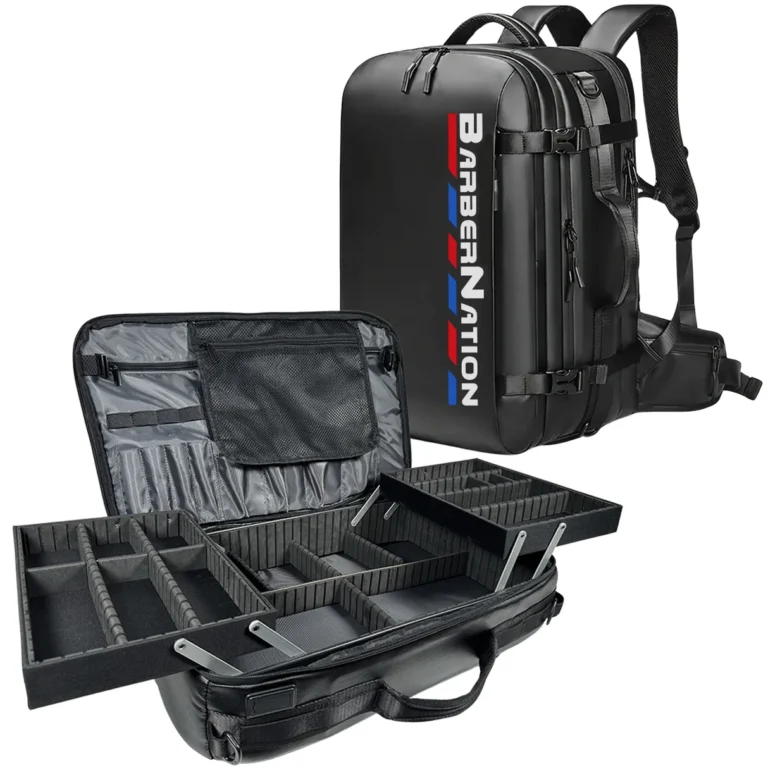 Top Tool Bags for Mobile Contractors: 2026 Buyer Guide
Discover the top tool bags for mobile contractors in 2026. Compare durable totes, backpacks, and multi-pocket organizers to find the best fit for your gear. For…
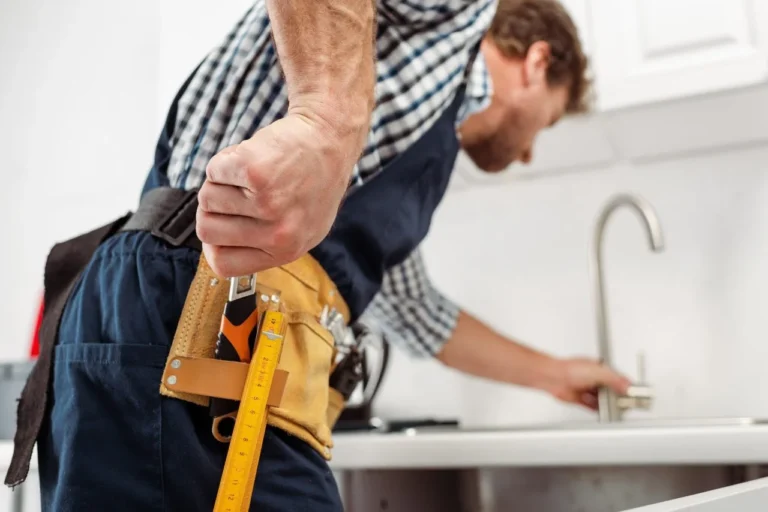 Top Tool Bags for Plumbers: 2026 Selection Guide
Discover the top tool bags for plumbers in 2026. We compare durable, multi-pocket storage solutions to help you organize your gear effectively on the job. Plumbing…
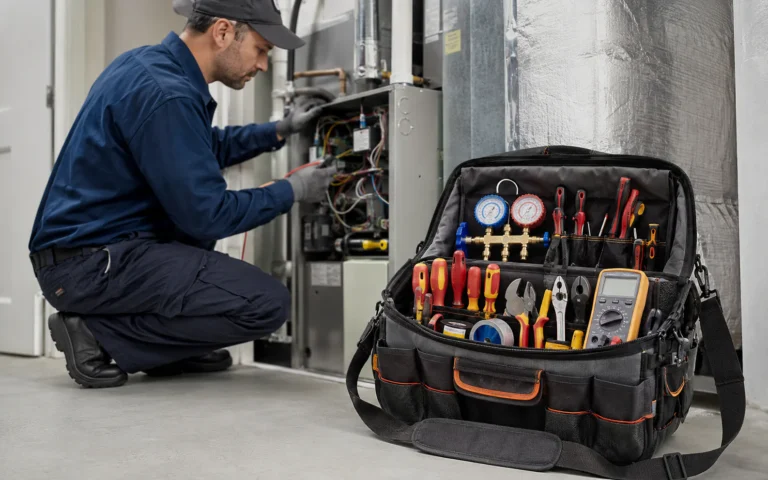 Best Tool Bag for HVAC Technicians in 2026
Find the right tool bag for HVAC technicians with our 2026 guide. Compare top-rated bags, backpacks, and pouches to keep your gear organized and protected. As…