
Should I Buy a Tool Kit or Individual Tools for Home Projects
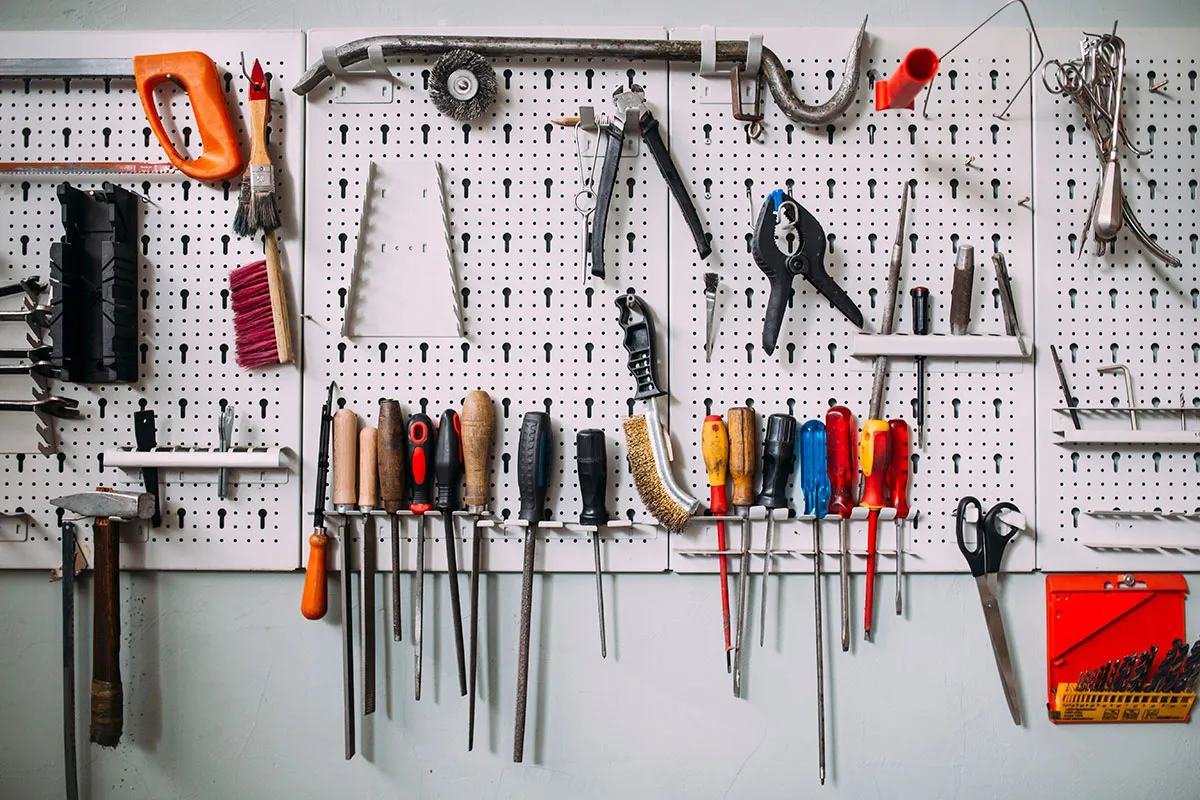
Deciding whether to buy a tool kit or individual tools for your home projects depends on several factors. These include your budget, the types of projects you plan to do, and your desired tool quality.
For beginners or those needing basic tools for occasional, simple tasks, a well-chosen tool kit often offers great value and convenience. It provides a foundational set of tools without much thought.
However, if you plan to tackle specialized projects, require higher quality tools, or already own some items, buying individual tools allows for better customization and durability. This approach ensures you get exactly what you need.
Understanding Your Home Project Needs
Should I Buy a Tool Kit or Individual Tools for Home Projects. Before you spend money on tools, think about the kind of work you’ll be doing around your home. Are you planning simple tasks like hanging pictures or assembling furniture?
Or do you have bigger projects in mind, such as minor repairs, plumbing fixes, or electrical work? Your project scope will guide your tool choices.
- Occasional, Light Tasks: If you only need tools for rare, easy jobs, a basic kit might be enough.
- Regular DIY Projects: For more frequent or varied tasks, you might need a broader range of tools or higher quality items.
- Specialized Repairs: Specific projects, like car maintenance or intricate woodworking, often require specialized tools not found in general kits.
The Case for Tool Kits
Should I Buy a Tool Kit or Individual Tools for Home Projects. Tool kits are pre-packaged sets of various tools, often stored in a single case or bag. They are popular for their convenience and cost-effectiveness.
Pros of Tool Kits
- Cost-Effective: Buying a kit is usually cheaper than buying each tool separately. This is especially true for basic sets.
- Convenience and Organization: Kits come in a dedicated case, keeping all tools organized and easy to find. This saves time and reduces clutter.
- Instant Starter Set: For new homeowners or those just starting DIY, a kit provides a quick way to get essential tools. You don’t have to guess what you need.
- Portability: A single case makes it easy to carry all your tools from one room to another, or even to a friend’s house.
- Good for Basic Tasks: Most kits include common tools like screwdrivers, pliers, a hammer, and a tape measure, which are perfect for everyday fixes.
Cons of Tool Kits
- Lower Quality: Tools in kits, especially cheaper ones, often have lower quality materials. They might not last as long or perform as well as individual, higher-end tools.
- Limited Selection: Kits usually contain a fixed set of tools. You might get tools you don’t need, or miss out on specific tools you do need for certain projects.
- Redundant Tools: If you already own some tools, a kit might force you to buy duplicates. This can be wasteful.
- Poor Ergonomics: Kit tools might not feel as comfortable or balanced in your hand. This can make longer tasks more tiring.
- Lack of Specialization: Kits are general-purpose. They rarely include specialized tools for specific trades like plumbing, electrical work, or woodworking.
Types of Tool Kits
Tool kits come in various forms, each suited for different levels of DIY activity.
- Basic Home Repair Kits: These are small kits with 20-50 pieces, ideal for apartment dwellers or very light tasks. They usually include a hammer, screwdrivers, pliers, and a tape measure.
- General Household Kits: Larger kits with 100-200 pieces, often including wrenches, sockets, and a utility knife. Good for more frequent home maintenance.
- Automotive Kits: Specialized kits focused on car repair, featuring socket sets, wrenches, and specific automotive tools.
- Power Tool Combo Kits: These kits combine several cordless power tools, like a drill, saw, and sander, often sharing the same battery system.
The Case for Individual Tools
Buying individual tools means you select each item one by one. This approach allows for greater control over your tool collection.
Pros of Individual Tools
- Higher Quality and Durability: When buying individually, you can choose top-quality tools from reputable brands. These tools are built to last and perform better.
- Customization: You only buy the tools you truly need for your specific projects. This avoids unnecessary items and allows for specialized purchases.
- Better Ergonomics: You can pick tools that feel comfortable in your hand. This is important for reducing fatigue during long projects.
- Specialization: If you have a hobby or trade, buying individual tools lets you get very specific items. For example, a specific type of chisel or a specialized wrench.
- Replacement and Upgrades: If a tool breaks or wears out, you can replace just that one item. You can also upgrade individual tools as your skills grow.
Cons of Individual Tools
- Higher Upfront Cost: Buying individual, high-quality tools can be much more expensive than a kit, especially when starting from scratch.
- Time-Consuming: Researching and selecting each tool takes more time and effort. You need to know what you’re looking for.
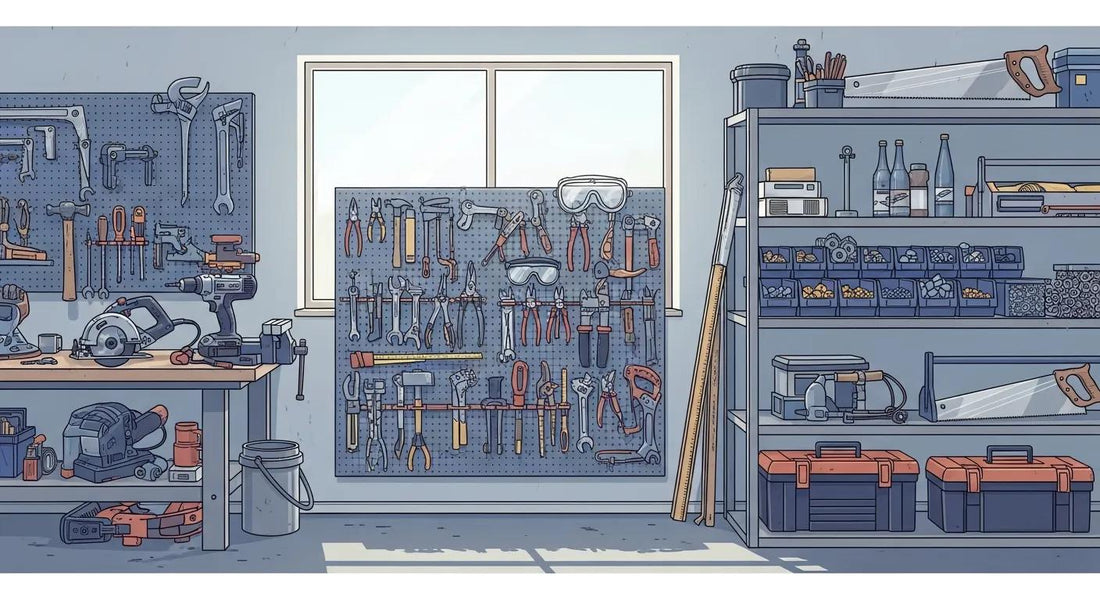
- Storage Challenges: Without a dedicated kit case, you’ll need to find your own storage solutions. This could be a toolbox, pegboard, or drawers.
- Risk of Overspending: It’s easy to get carried away and buy more tools than you actually need, leading to wasted money.
- Missing Essentials: If you’re not careful, you might forget to buy a crucial tool for a common task.
Key Factors to Consider Before Buying
Should I Buy a Tool Kit or Individual Tools for Home Projects. Making the right choice involves weighing several important factors. Think about these points before you make a purchase.
Budget
Your budget plays a big role. Tool kits offer a lower entry cost, making them attractive for those with limited funds.
Individual tools, while more expensive initially, can be a better long-term investment due to their durability and performance. Consider how much you are willing to spend now and over time.
Quality and Durability
High-quality tools perform better and last longer. They are less likely to break or strip screws, which can save you frustration and money in the long run.
If you plan to use tools frequently or for demanding tasks, investing in durable individual tools is wise. For occasional, light use, the quality of a kit might be sufficient.
Project Scope and Frequency
Think about how often you’ll use your tools and for what kind of projects. If you’re a casual DIYer doing small tasks a few times a year, a basic kit is probably fine.
If you’re a serious hobbyist or plan regular, more involved home improvement projects, you’ll benefit from the specialized and robust nature of individual tools.
Storage Space
Tool kits come in their own cases, which can be compact and easy to store. This is great if you have limited space in an apartment or small garage.

Individual tools require you to create your own storage system. This might mean buying a separate toolbox, a rolling cabinet, or installing a pegboard. Consider your available space.
Tool Specialization
Do your projects require specific tools? For example, if you’re doing a lot of electrical work, you’ll need insulated screwdrivers and wire strippers.
Should I Buy a Tool Kit or Individual Tools for Home Projects. General kits rarely include these specialized items. Buying individual tools ensures you get the exact right tool for the job, which can improve safety and efficiency.
When a Tool Kit Makes Sense
A tool kit is an excellent choice in several situations. Consider a kit if any of these apply to you.
- You’re a First-Time Homeowner: A kit provides a solid foundation of essential tools without needing extensive research.
- You Have Limited DIY Experience: It’s a low-risk way to get started with basic home maintenance and repairs.
- You Need Tools for Occasional, Light Tasks: Hanging pictures, assembling flat-pack furniture, or tightening loose screws are perfect for a kit.
- You Have a Tight Budget: Kits offer a good number of tools for a lower overall price.
- You Value Organization and Portability: The included case keeps everything tidy and easy to move around.
When Individual Tools Are the Better Choice
Should I Buy a Tool Kit or Individual Tools for Home Projects. Opt for individual tools when your needs are more specific or demanding. This approach offers greater flexibility.
- You’re an Experienced DIYer: You likely know exactly which tools you prefer and need for your projects.
- You Tackle Specialized Projects: For plumbing, electrical, woodworking, or automotive work, specific high-quality tools are often necessary.
- You Prioritize Quality and Durability: If you want tools that will last a lifetime and perform flawlessly, individual purchases are key.
- You Already Own Some Tools: Buying individual items lets you fill gaps in your existing collection without buying duplicates.
- You Want to Build a Collection Over Time: You can slowly add high-quality tools as your needs and budget allow.
Building Your Tool Collection Over Time
Many people start with a basic tool kit and then add individual tools as their skills and projects grow. This hybrid approach offers the best of both worlds.
You get the initial convenience of a kit, then upgrade or specialize as needed. For example, you might start with a general kit, then buy a high-quality drill or a specific wrench set later on.
Essential Tools for Every Homeowner
Regardless of whether you choose a kit or individual tools, some items are truly essential for any home. Here’s a list of must-have tools.
| Tool Category | Specific Tools | Common Uses |
|---|---|---|
| Measuring & Marking | Tape Measure, Pencil, Level | Measuring dimensions, ensuring straight lines, hanging items evenly. |
| Fastening & Loosening | Screwdriver Set (Phillips & Flathead), Adjustable Wrench, Pliers (Needle-nose & Slip-joint) | Assembling furniture, tightening bolts, gripping small objects, cutting wire. |
| Striking & Prying | Claw Hammer | Driving nails, pulling nails, light demolition. |
| Cutting | Utility Knife, Hand Saw (small), Scissors | Opening boxes, cutting rope, trimming materials, basic wood cuts. |
| Safety | Safety Glasses, Work Gloves | Protecting eyes from debris, protecting hands from cuts and splinters. |
| Power Tools (Optional Starter) | Cordless Drill/Driver | Drilling holes, driving screws quickly. |
This table provides a good starting point for building a functional tool collection. You can expand on these as your projects become more complex.
FAQs
Is it cheaper to buy a tool kit or individual tools?
Generally, buying a tool kit is cheaper upfront, especially for a basic set of common tools. However, if you buy individual, high-quality tools, the total cost can be much higher, but they often last longer.
What is the most important tool for a homeowner?
Many experts agree that a good quality cordless drill/driver is one of the most versatile and important tools for a homeowner. It can drill holes, drive screws, and handle many tasks quickly.
How many tools does a beginner DIYer need?
A beginner DIYer typically needs a basic set of 10-20 essential hand tools, such as a hammer, screwdrivers, pliers, a tape measure, and a utility knife. A small tool kit often covers these needs well.
Should I buy a cheap tool kit to start?
Buying a cheap tool kit can be a good way to start if you have a very limited budget and only plan for very light, occasional use. However, be aware that the tools might not be very durable or comfortable to use for bigger projects.
Can I mix and match?
Yes, mixing and matching is often the best approach. Start with a basic kit for common items, then buy individual, higher-quality tools for specific needs or for items you use very often, like a good drill or a sturdy wrench.
Conclusion
Should I Buy a Tool Kit or Individual Tools for Home Projects. The decision to buy a tool kit or individual tools for home projects truly depends on your personal situation. Tool kits offer convenience and value for beginners and light users, providing a quick start to home maintenance.
Individual tools, while more expensive, provide superior quality, specialization, and comfort for experienced DIYers or those with specific project demands. Many find a hybrid approach works best, starting with a kit and gradually adding high-quality individual tools.
Should I Buy a Tool Kit or Individual Tools for Home Projects. Consider your budget, project types, and how often you’ll use the tools to make the most informed choice for your home.
Related posts
 Top Home Tool Kits for Housewarming Gifts: A Practical Buyer’s Guide
Find the perfect top home tool kits for housewarming gift. Compare versatile sets for daily fixes, DIY projects, and furniture setup, ensuring a thoughtful and practical…
 Top Home Tool Kits for Hanging Pictures and Shelves: Your Buyer’s Guide
Find the top home tool kits for hanging pictures and shelves. Compare features, included hardware, and specialized tools to choose the best kit for your projects.…
 Top Home Tool Kits for Basic Plumbing Repairs: Essential Picks for DIYers
Find top home tool kits for basic plumbing repairs. Compare versatile sets for everyday fixes, DIY projects, and essential household maintenance. Every home faces occasional drips,…