Having a reliable collection of gear at home can save you time and money. Discover what tools are included in a basic home tool kit to help you manage repairs with confidence and ease.
Starting your own collection of hardware is a great way to gain independence. Whether you are moving into a new space or just want to be ready for minor fixes, having the right items makes a huge difference. You do not need to be a professional contractor to handle common household tasks. By focusing on quality over quantity, you can build a set that lasts for years.
Why You Need a Basic Tool Kit
Having a set of essentials means you can fix a wobbly chair, hang a picture frame, or tighten a loose faucet without waiting for help. When you know what tools are included in a basic home tool kit, you avoid buying items you will never use. Many people start with a simple box and slowly add pieces as they encounter specific needs around the house.
“A well-equipped home is a peaceful home, as most small frustrations can be handled with the right equipment nearby.” – Arthur Homeowner
Essential Hand Tools for Your Collection
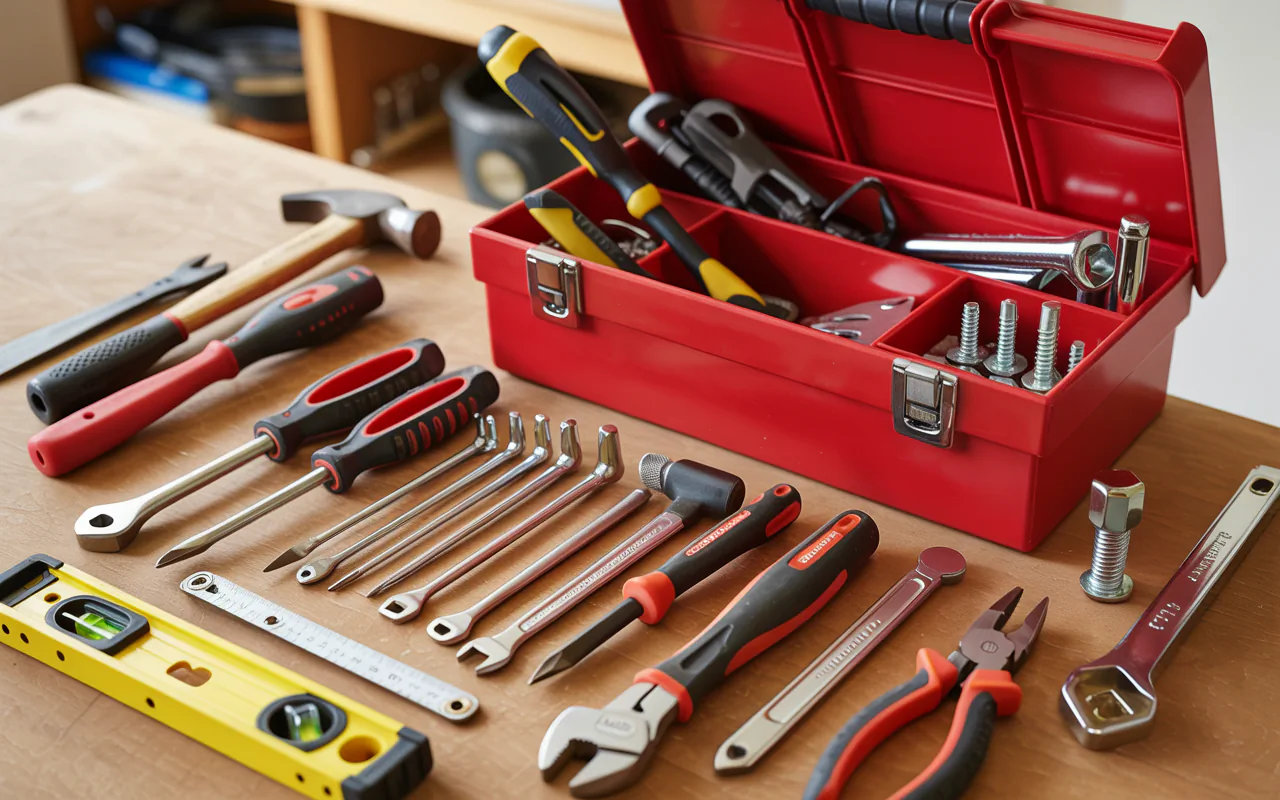
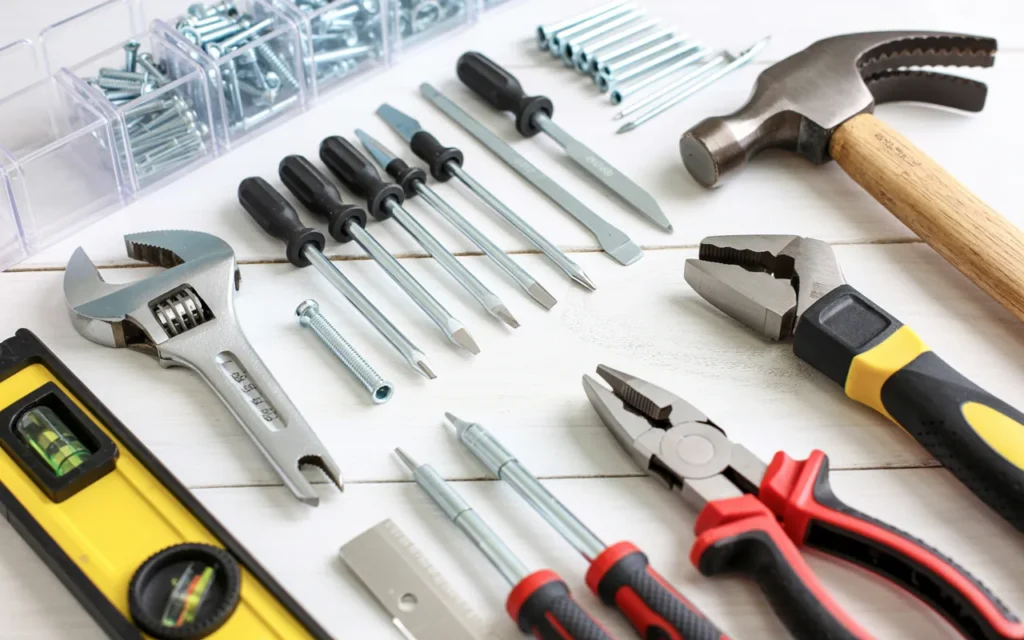
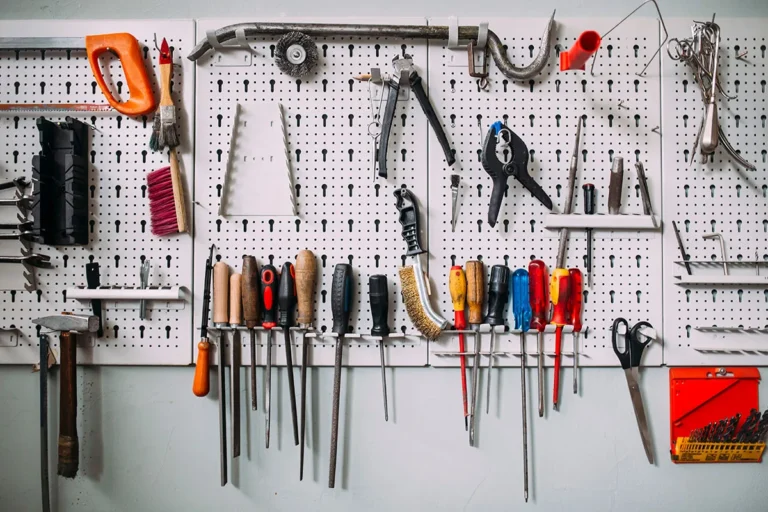
The core of any starter set consists of manual tools. These are reliable, do not need batteries, and are usually very easy to use. A standard hammer is the first item to pick up. You want a claw hammer that feels good in your hand. This tool is perfect for driving nails or pulling them out when you make a mistake.
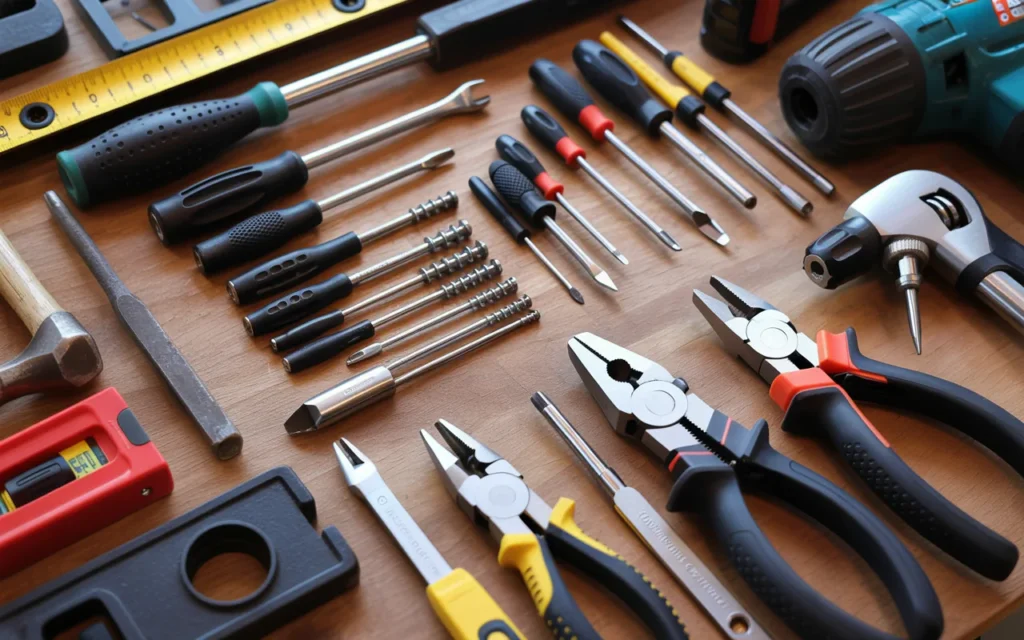
A screwdriver set is the next priority. Screws hold together almost everything in a modern house. Make sure your set has both flathead and Phillips head tips in various sizes. A magnetic tip is a helpful feature because it keeps the screw from falling while you work.
Core Hand Tools Table
Tool
Common Use
Why It Matters
Claw Hammer
Driving and removing nails
Essential for hanging items and repairs
Screwdriver Set
Tightening loose screws
Used for furniture and minor fixes
Adjustable Wrench
Turning nuts and bolts
Fits various sizes of hardware
Tape Measure
Measuring spaces
Prevents mistakes before cutting or drilling
Pliers
Gripping or bending wires
Provides a strong hold for small parts
Measuring and Precision Tools
Accuracy matters when you are working on a project. A tape measure is vital for checking if a new table will fit in your room or if a shelf is centered. A standard length of 16 to 25 feet is enough for most indoor work.
A spirit level is also very helpful. No one likes a crooked shelf or a slanted picture frame. A small torpedo level is easy to store and accurate enough for quick adjustments. If you plan to mount heavy items, a stud finder is a must. It detects the wooden frame behind your walls so you can anchor your shelves safely and securely.
Cutting and Gripping Tools
You will often need to open boxes, cut cord, or trim small pieces of plastic. A sharp utility knife with a retractable blade is the safest way to handle these chores. Always keep a few extra blades in your box so you can swap them out when they get dull.
Pliers are another versatile addition. You should have at least two types: needle-nose pliers for tight corners and slip-joint pliers for general gripping. These will help you twist wires or hold small objects while you work with your other hand.
“Quality manual tools represent an investment in your own capability to maintain and care for the space you live in.” – Sarah Fixit
The Role of Power Tools
While you can do a lot with manual items, a cordless drill is a true helper. It saves you from turning screws by hand for hours. When you consider what tools are included in a basic home tool kit, a drill is often the most appreciated item. Look for a kit that comes with a charger and a basic set of drill bits for wood and metal.
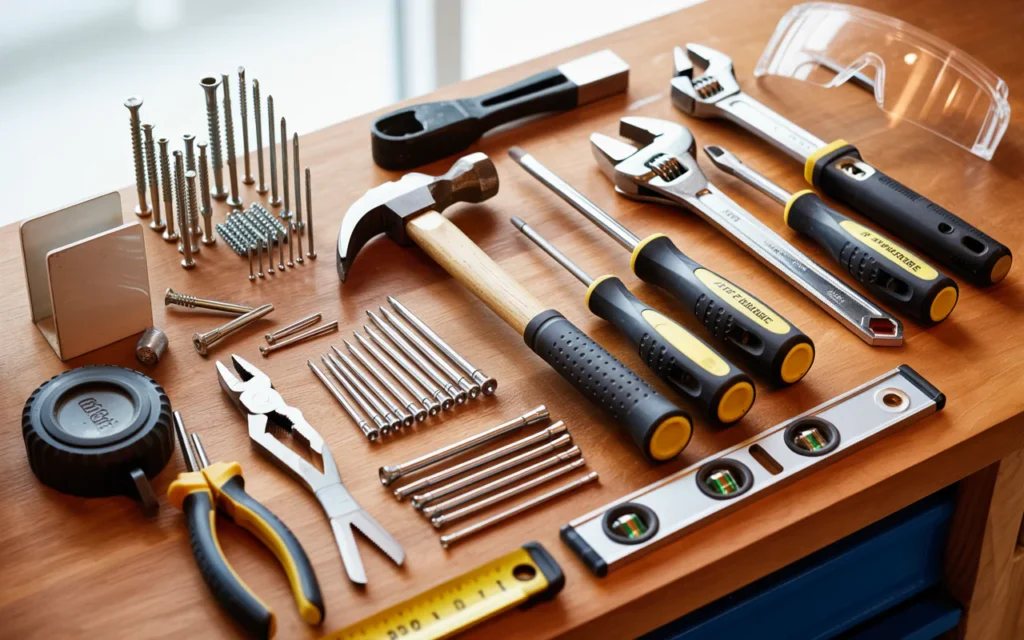
Make sure you also keep a small box of assorted nails, screws, and wall anchors. Having these consumables on hand means you can finish a job the moment you start it. You will find that having a supply of these small parts is just as important as owning the actual devices.
Power and Accessory Table
Item
Best Use
Quick Tip
Cordless Drill
Driving screws and making holes
Keep the battery charged for instant use
Drill Bit Set
Wood, plastic, and metal holes
Use the correct size for the screw
Hardware Assortment
Fixing loose items
Sort by size for quick access
Safety Glasses
Protecting your eyes
Wear them even for quick tasks
Safety Gear and Storage
Never overlook your personal safety. A pair of sturdy safety glasses will protect your eyes from flying dust or small debris. Work gloves are also great for preventing cuts or splinters when you are moving heavy items or handling rough materials.
Finally, keep everything in a dedicated box or bag. If your gear is scattered in drawers, you will never find it when you need it most. A simple plastic or metal box keeps everything dry, organized, and ready for your next project.
Simple Maintenance Habits
Take care of your gear, and it will take care of you. Wipe down your tools after you use them, especially if they are dirty or wet. If a blade becomes dull, replace it immediately to keep your cuts clean and safe. Periodically check your cordless drill to ensure the battery is holding a charge.
“Simple tools are the foundation of great results, provided they are kept in good condition and ready to be used.” – Robert Builder
Frequently Asked Questions
Do I really need a power drill for a basic kit?
While manual tools work for some tasks, a cordless drill is very helpful for assembling furniture or hanging shelves. It is a great addition once you are comfortable with basic repairs.
What is the most important tool for a beginner?
A good claw hammer and a versatile screwdriver set are generally considered the most essential items for any home.
How should I store my tools?
A dedicated toolbox or a sturdy bag is best. It keeps everything in one place, making it easier to transport and protecting your gear from dust or rust.
Can I buy a pre-made kit?
Yes, many stores sell complete sets. Just make sure the quality is decent, as very cheap tools can break easily and be frustrating to use.
Are there any safety items I should buy first?
Yes, definitely start with safety glasses and work gloves. Protecting yourself is the most important part of any home improvement task.
Conclusion
Building your collection does not have to happen in one day. Start with the basics and expand as you learn new skills. Knowing what tools are included in a basic home tool kit helps you stay prepared for everyday life. With a hammer, screwdrivers, tape measure, and a few other items, you can handle almost anything that comes your way. Keep your items organized, stay safe, and enjoy the confidence that comes with being a capable homeowner.
Discover the top home tool kits for seniors in 2026. We compare compact, easy-to-use sets perfect for daily household repairs, furniture assembly, and DIY tasks. Finding…
Discover the top home tool kits for women in 2026. Compare top-rated sets for DIY, furniture assembly, and household repairs to find your perfect match. Finding…
Find the top home tool kits for basic home repairs in 2026. Compare top-rated sets for DIY projects, furniture assembly, and daily household maintenance. Every home…

 Top Home Tool Kits for Seniors: 2026 Practical Guide
 Top Home Tool Kits for Women: 2026 Buyer Guide
 Top Home Tool Kits for Basic Home Repairs 2026