
How To Upgrade A Basic Home Tool Kit
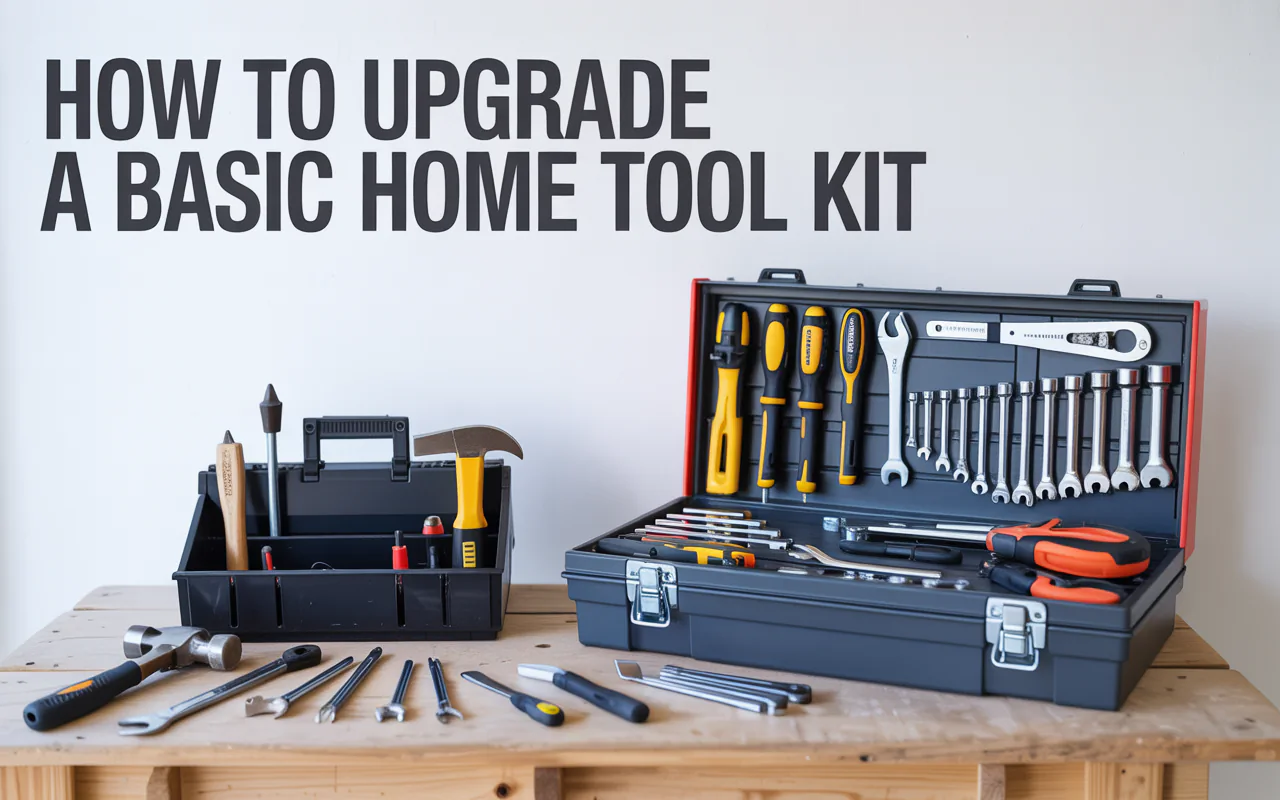
If you want to upgrade a basic home tool kit, you can start by adding a power drill and a set of quality wrenches to your collection. This guide helps you choose the best items to make your home repair tasks much easier and more efficient for years to come.
Owning a home means things will break. A small leak or a loose door can happen at any time. Most people start with a cheap set of tools from a big shop. These sets are fine for small jobs. They help you hang a picture or tighten a chair leg. But as you do more work, those old tools may fail you. A soft metal wrench can slip. A cheap drill can run out of power. This is when you know it is time to move up. You need tools that last a long time. You need tools that feel good in your hand. When you upgrade a basic home tool kit, you save time and stress.
Having better tools makes work fun. You do not have to fight with a screw that will not turn. You do not have to worry about a hammer head flying off. High quality tools are safer to use. They fit the hand well. They do not slip as much. This keeps your skin safe. It also keeps your house safe. A bad tool can ruin a good piece of wood. It can strip a bolt. Then you have a bigger problem to fix. Good tools help you get the job done right the first time. This builds your skills. You feel proud of what you build or fix.
“Good tools are half the work.” – Hungarian Proverb
Most people wait too long to get better gear. They wait until a tool breaks. Or they wait until they are in the middle of a big job. It is better to plan your growth. You can add one or two items each month. This way, the cost does not hit you all at once. You can look for sales. You can read reviews. You can find out what you really need for your specific house. Each house is different. Some need more wood tools. Others need more pipe tools. Your kit should match your life.
Assessing Your Current Tool Collection
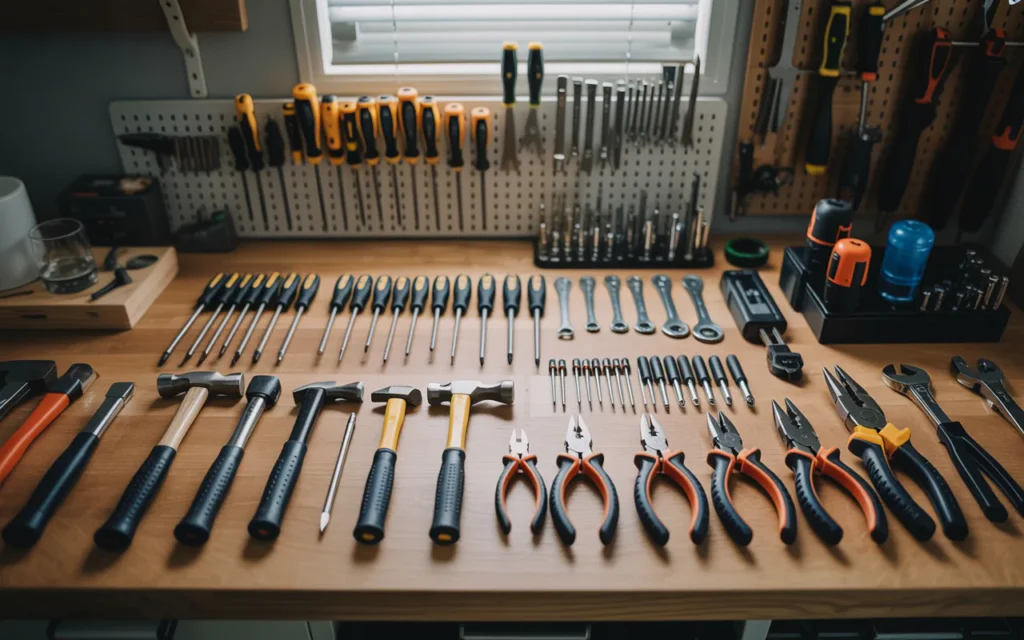
Before you spend money, look at what you have. Open your tool box. Lay everything out on a flat table. See what is bent or rusty. See what you use the most. If you use a screwdriver every week, that should be your first big buy. If you never use your saw, keep the old one for now. You want to spend money where it helps you most. Check the handles. If the plastic is cracking, it is time for a change. If the metal is soft and shows wear, get a new one.
Think about the jobs you want to do. Do you want to build a deck? Do you want to fix a sink? Your goals will tell you what to buy. A big part of the plan to upgrade a basic home tool kit is knowing your limits. You do not need a huge shop full of tools if you live in a small flat. But you do need the right stuff to keep that flat in good shape. Write a list of what you lack. This keeps you on track when you go to the store. It stops you from buying things just because they look cool.
| Tool Category | Basic Level | Upgrade Level |
|---|---|---|
| Screwdriver | Fixed Head | Multi-Bit Ratchet |
| Pliers | Slip Joint | Locking and Needle Nose |
| Hammer | Light Claw | Heavy Steel Rip Claw |
| Measuring | Soft Tape | Rigid Steel Auto-Lock |
Export to Sheets
Moving from Manual to Power Tools
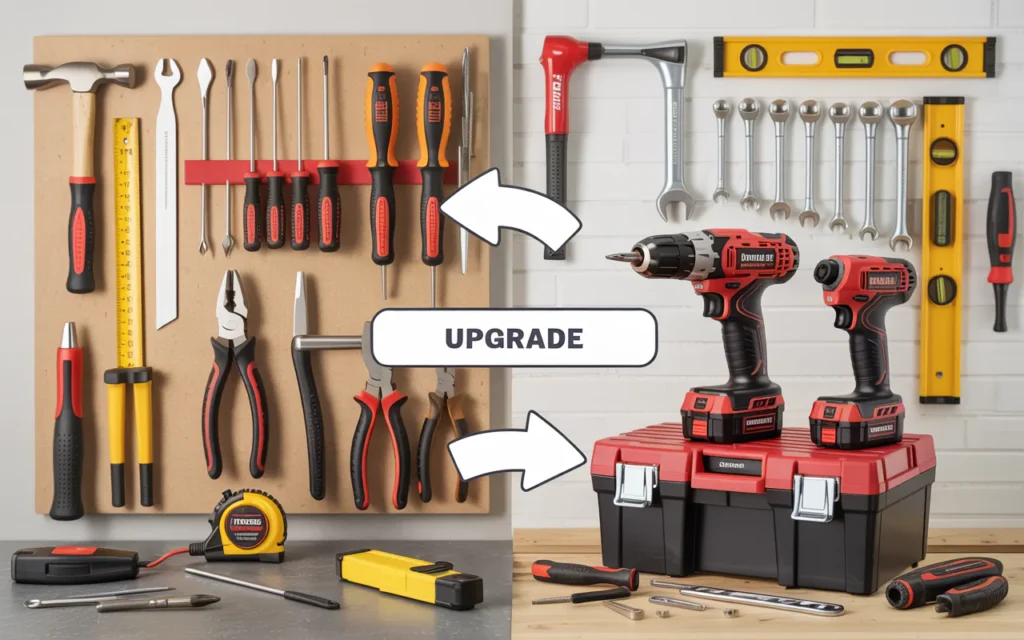
Power tools change the way you work. They take the hard labor out of big tasks. A manual screwdriver is great. But driving twenty long screws by hand is hard on the wrist. A power drill makes it fast. It also makes it more precise. You can control the speed. You can control the depth. This is a key step when you upgrade a basic home tool kit. It moves you from a casual user to a real fixer.
The drill is the king of the home shop. It can make holes. It can drive screws. It can even stir paint or sand wood with the right bits. When you look for a drill, go for a cordless one. Modern batteries are very strong. They last a long time. They charge fast. Look for a brand that has many tools for the same battery. This saves you money later. You only need one or two batteries for ten different tools. This is a smart way to build a set.
The Drill and Impact Driver Combo
Many people start with just a drill. But an impact driver is a great add. A drill is for making holes. An impact driver is for driving big screws into hard wood. It has a special pulse. This pulse stops the bit from slipping out of the screw head. It gives you much more torque. If you plan to build a fence or a shed, you need an impact driver. Using both together is a joy. You use the drill for the pilot hole. Then you use the driver for the screw. You do not have to switch bits back and forth.
Think about the weight too. If a tool is too heavy, you will get tired. If it is too light, it might be weak. Find a middle ground. Look for a grip that is soft and easy to hold. Most good brands have lights on the front. This helps you see in dark corners. It is a small thing that makes a big difference. When you upgrade a basic home tool kit, these small features add up to a better experience.
Essential Hand Tools for Every Project
Even with power tools, hand tools are still vital. You need them for small tweaks. You need them when there is no room for a big drill. A good set of pliers is a must. You should have at least three types. Standard pliers are for gripping. Needle nose pliers are for small gaps. Locking pliers are like a hand that stays shut. They can hold two pieces of metal together. They can also turn a bolt that has a rounded head.
“If the only tool you have is a hammer, you tend to see every problem as a nail.” – Abraham Maslow
Wrenches are another area to look at. Cheap wrenches can bend. They can slip and hurt your knuckles. High quality wrenches are made of strong steel. They fit the bolt perfectly. A ratcheting wrench is a great upgrade. It lets you turn a bolt without taking the wrench off each time. This is very helpful in tight spots. It makes the work go twice as fast. You will feel the quality as soon as you touch them.
Better Wrenches for Better Grip
When you choose to upgrade a basic home tool kit, think about a set of socket wrenches. A socket fits all the way around a nut. This means it cannot slip. You can apply a lot of force. Sockets come in sets. You will need both metric and standard sizes. Most cars use metric. Many old houses use standard. Having both means you are ready for any job. Look for a set with a strong case. This keeps the small parts from getting lost.
Adjustable wrenches are good to have too. They can fit many sizes. But they are not as strong as a fixed wrench. Only use them when you do not have the right size. Or use them to hold one side of a bolt while you turn the other side. A big pipe wrench is also good for plumbing. It has teeth that bite into metal pipes. This is the only way to move a stuck pipe.
| Hand Tool | Best Feature to Look For | Why It Matters |
|---|---|---|
| Socket Set | 72-Tooth Ratchet | Works in small spaces |
| Level | Magnetic Base | Hands-free use on metal |
| Utility Knife | Tool-free blade change | Fast and safe to swap |
| Pliers | Insulated Grips | Safety and comfort |
Export to Sheets
Measuring Your Way to Success
Accuracy is the soul of good work. If you measure wrong, the whole project fails. A basic tape measure can be flimsy. It might bend when you try to measure a long wall. A pro tape is wider. It can stand out ten feet without breaking. This lets you work alone. It also has a better hook at the end. The hook moves just a bit to give you a true zero. This is true for both inside and outside gaps.
Levels are just as important. You want your shelves to be flat. You want your doors to be straight. A small plastic level is okay for a picture. But for a big job, you need a long metal level. A two-foot level is a good size for most home tasks. Look for one with clear vials. Some even have lights. A magnetic side is great for working on metal studs or pipes. It stays in place so you can use both hands for the work.
Precision Tools for Fine Work
Sometimes you need to be very exact. A set of calipers can measure the thickness of a pipe or a board. A square is also vital. A speed square is a triangle of metal. It helps you draw perfect 90 degree lines. It also helps you find angles for roof work or stairs. It is tough and simple. You can use it as a guide for your saw too. It is a cheap tool that does a lot of work.
When you upgrade a basic home tool kit, do not forget a good marking tool. A cheap pencil is fine. But a mechanical carpenter pencil is better. It always has a sharp point. You can also get a chalk line for long straight marks on a floor. These tools ensure your work looks professional. They stop the “close enough” mindset. In home repair, “close enough” often leads to leaks or cracks later.
Staying Organized with New Storage
As your kit grows, you need a place to put it. A small plastic box will overflow. This leads to a mess. You cannot find the tool you need. This wastes time. It also makes you lose tools. A big part of the move to upgrade a basic home tool kit is the storage. You can get a rolling chest if you have a garage. These have many drawers. You can put screwdrivers in one and pliers in another. This keeps everything in its place.
If you do not have a garage, a tool bag is better. Bags are easy to carry. They have pockets on the outside. This lets you grab your most used tools fast. Look for a bag with a hard bottom. This stops water from soaking in if you set it on a wet floor. It also keeps the bag from sagging. A good bag should have a strong strap. Tools are heavy. You do not want the strap to break while you walk.
Wall Storage for Easy Access
If you have a dedicated work space, use the walls. Pegboards are a classic choice. You can see every tool you own. You can reach out and grab what you need. This saves you from digging through a deep drawer. You can paint the board to make it look nice. You can use hooks, bins, and shelves. It makes your work area feel like a pro shop. It also keeps your workbench clear for the actual project.
Shadow boards are another great idea. You draw the shape of each tool on the board. This way, you know if a tool is missing. It reminds you to put things back when you are done. This habit keeps your tools in good shape. It also keeps your mind clear. A clean shop is a safe shop. When you upgrade a basic home tool kit, think about how you will maintain the order.
Safety First for Your Home Work
Better tools are safer, but you still need gear. Your eyes are your most important tools. Always wear safety glasses. Even a small piece of wood can cause big harm. Modern glasses are comfortable. Some look like regular sunglasses. You can wear them all day without pain. This is a must for any kit. Do not skip this step.
Ear protection is also key. Power drills and saws are loud. They can damage your hearing over time. You can use simple foam plugs. Or you can get muffs that also play music. This makes the work more pleasant. Also, think about your lungs. A dust mask is vital when sanding or cutting wood. Some dust is toxic. A good mask keeps your breath clean.
Protection for Your Hands and Feet
Gloves protect you from cuts and splinters. They also give you a better grip. Look for gloves that fit tight. You still want to feel the tool in your hand. Leather is good for heavy work. Synthetic is good for grip and breathability. For your feet, wear boots. Do not work in flip-flops. A dropped hammer can break a toe. A good pair of work boots is a solid investment for any home owner.
“Quality is remembered long after the price is forgotten.” – Henry Royce
Keep a first aid kit near your tools. Even with the best gear, accidents happen. You want bandages and cleaner ready. This stops a small cut from becoming a big deal. Part of the goal to upgrade a basic home tool kit is to be ready for anything. This includes being ready to fix yourself.
Plumbing and Woodwork Tools
As you gain skill, you will face specific tasks. Plumbing is a common one. You may need to fix a sink or a toilet. For this, you need a basin wrench. It has a long neck to reach the nuts behind a sink. You also need a pipe cutter. It makes a clean, square cut on copper or plastic pipes. This is much better than using a saw. A clean cut does not leak.
For woodwork, you might want a chisel set. Chisels let you carve out space for door hinges. They help you clean up a joint. A sharp chisel is a joy to use. A dull one is dangerous. You will also need clamps. Clamps are like extra hands. They hold wood together while glue dries. You can never have too many clamps. They come in many sizes. Start with a few spring clamps and a few bar clamps.
Sawing and Cutting Upgrades
A basic hand saw is okay. But a miter saw is a big step up. It lets you cut perfect angles for trim or frames. It is fast and very accurate. If you do not have space for a big saw, a jigsaw is a good choice. It can cut curves and straight lines. It is small and easy to store. Always buy high quality blades. A cheap blade will wander and give you a rough cut.
A utility knife is a tool you will use every day. Upgrade to one that lets you change blades fast. You do not want to use a dull blade. It makes you push too hard. That is how slips happen. Keep a box of spare blades in your kit. When the knife stops cutting easily, swap the blade. It only takes a second. This is a simple way to keep your work safe and clean.
The Role of Lighting in Your Work
You cannot fix what you cannot see. Most home projects happen in dark corners. Under the sink, in the attic, or in a closet. A good work light is a major part of the plan to upgrade a basic home tool kit. Old lights used bulbs that got very hot. New LED lights are cool to the touch. They are also very bright. They use little power.
A headlamp is a great tool. It puts the light exactly where you are looking. It leaves both of your hands free to work. This is vital for plumbing or electrical work. You can also get magnetic lights. They stick to a car hood or a metal pipe. They stay where you put them. Having good light reduces eye strain. It also helps you see small cracks or leaks that you might miss in the dark.
Portable vs. Plug-in Lights
Plug-in lights are very bright. They never run out of power. But the cord can get in the way. It can be a trip hazard. Cordless LED lights are very handy. You can take them anywhere. Most tool brands sell lights that use the same batteries as your drill. This is very smart. You can set up a light in a crawl space and work for hours. Some even have USB ports to charge your phone while you work.
Think about the spread of light too. A spotlight is good for seeing far away. A floodlight is better for a whole room. Some lights can do both. Look for a light that is tough. It should be able to survive a fall on a concrete floor. Many pro lights have rubber edges for this reason. This is a tool that will last you a lifetime if you buy a good one.
Electrical Tools for Home Safety
You should not do big electrical work without a pro. But you can change a light switch or a plug. To do this safely, you need a tester. A non-contact voltage tester is a small pen. You put it near a wire. It beeps or lights up if there is power. This tells you if the circuit is really off. It is a life-saving tool. Never work on a wire without checking it first.
Wire strippers are also a great add. They have notches for different wire sizes. They cut the plastic off without hurting the metal inside. This makes for a strong, safe connection. A pair of linesman pliers is also good. They are heavy and can cut through thick wire. They have a flat front for pulling wires through a wall.
Fasteners and Small Parts
A good kit is not just tools. It is also the things you use with them. You should have a box of assorted screws. Get different lengths and types. Have some for wood and some for drywall. Also, keep a set of wall anchors. These help you hang heavy things on walls that do not have a stud. Having these on hand saves you a trip to the store in the middle of a job.
Keep some tape too. Electrical tape, duct tape, and painters tape are all useful. They help with different tasks. Wood glue is also a must. It is stronger than the wood itself once it dries. Small things like sandpaper and rags are also vital. They help you clean up and finish the job. When you upgrade a basic home tool kit, you are building a system, not just a pile of metal.
Final Steps in Your Tool Growth
As you reach the end of your list, look at specialty items. Maybe you want a laser level. It throws a perfectly straight line across a whole room. It is great for hanging a row of pictures or a long shelf. Maybe you want a stud finder. It helps you find the wood beams behind your walls. This stops you from making useless holes. These tools make you feel like an expert.
Take care of your tools. Wipe them down after use. A little oil on metal parts stops rust. Store them in a dry place. If a tool breaks, see why it broke. If it was cheap, buy a better one. If you used it wrong, learn the right way. This is how you grow. Your tool kit is a reflection of your care for your home. It grows as you grow.
Frequently Asked Questions
What is the first tool I should upgrade?
The best tool to start with is your power drill. It is used in almost every home project. Moving from a cheap drill to a high-quality cordless one will make a huge difference in how much you enjoy working. Look for a 12V or 18V system from a trusted brand.
How much should I spend on a new kit?
You do not have to spend a lot at once. A good goal is to spend fifty to one hundred dollars a month. This lets you buy one high-quality tool at a time. It is better to have five great tools than twenty bad ones. Focus on the tools you use the most first.
Are cordless tools better than corded ones?
For most home tasks, cordless is better. Modern batteries are very strong. They give you the freedom to move around without a cord. However, for very heavy work like cutting thick stone or wood all day, a corded tool might still be better because it never runs out of power.
How do I stop my tools from rusting?
Keep your tools in a dry place. You can put silica gel packs in your tool box to soak up moisture. Wiping the metal parts with a thin coat of oil or a WD-40 type spray will also protect them. If you see rust, clean it off with a wire brush right away.
Should I buy tools in a set or one by one?
Sets can save you money if you need all the tools in the set. However, some sets include “filler” tools that are not very good. Buying one by one lets you choose the best brand for each specific tool. For example, one brand might make the best drills, while another makes the best pliers.
Conclusion
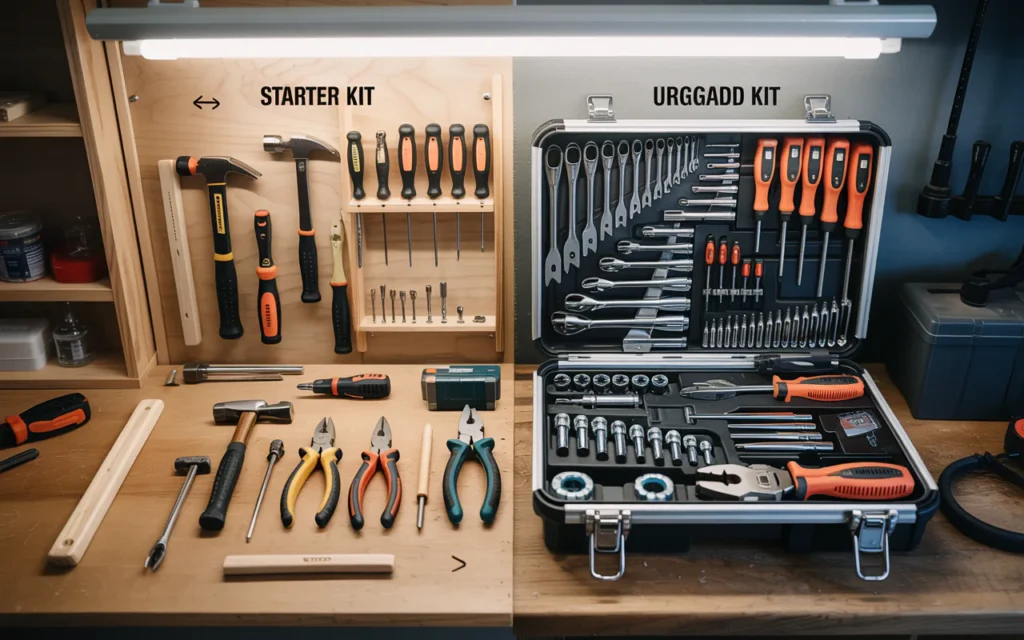
Building a great kit is a slow and steady process. You start with the basics and grow as your needs change. When you upgrade a basic home tool kit, you are investing in your home and your own ability to solve problems. It gives you the confidence to take on bigger tasks. You no longer fear a broken shelf or a loose hinge. Instead, you see them as a chance to use your gear.
Remember to prioritize quality over quantity. A few well-made items will serve you better than a box full of junk. Look for tools that feel comfortable and solid. Take the time to learn how to use each one safely. Keep your work area clean and organized. This makes every project go smoother. With the right tools in your hand, there is very little you cannot fix or build. Your home will be better for it, and you will find a new sense of pride in your manual skills.
Start your journey today by looking at your current tools. Pick one that is worn out and replace it with a pro-grade version. You will feel the difference in the very next task you do. Over time, your kit will become a trusted set of companions that help you keep your living space perfect. Good luck with your home repairs and enjoy the process of building your dream tool collection.
Related posts
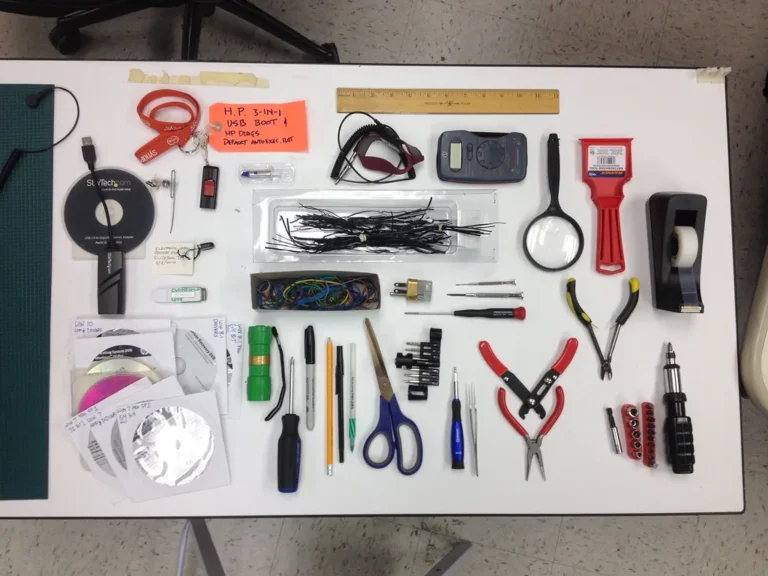 Top Starter Mechanic Tool Kits for Apprentices: Essential Sets for Your Trade
Explore top starter mechanic tool kits for apprentices. Compare sets for mechanics, electricians, and other trades to find your essential tools. Starting an apprenticeship is an…
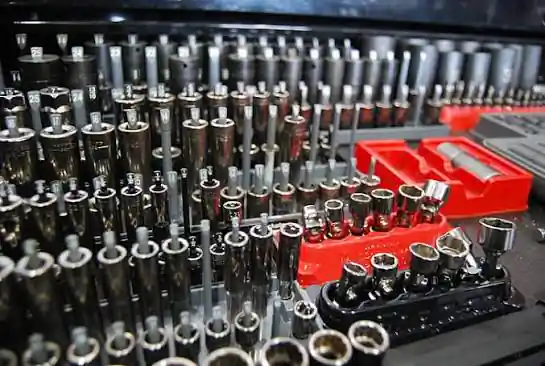 Automotive Tool Kits vs. Mechanic Tool Sets: What’s the Difference?
Understand the key differences between automotive tool kits vs. mechanic tool sets. Learn which is best for your car maintenance needs. When looking for tools to…
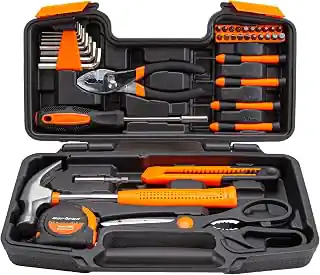 Top Automotive Tool Kits for Garage Workshops: A Buyer’s Guide
Find the top automotive tool kits for garage workshop. Compare versatile sets for car maintenance, home repairs, and DIY projects to choose the best fit. Setting…