
Automotive Tool Kits vs. Mechanic Tool Sets: What’s the Difference?
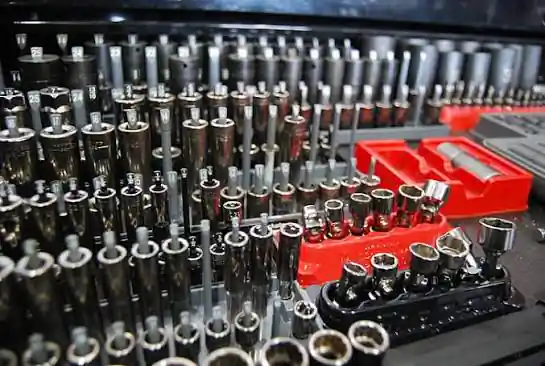
When looking for tools to work on your car, you’ll often see terms like ‘automotive tool kit’ and ‘mechanic tool set.’ While they both involve tools for vehicles, they aren’t always interchangeable and are designed with different needs in mind. Understanding these differences is key to getting the right tools for your garage.
Essentially, an automotive tool kit is typically a more general collection designed for basic maintenance and common repairs, suitable for the average car owner. A mechanic tool set, on the other hand, is usually more specialized and comprehensive, geared towards professional mechanics or serious DIYers tackling more complex engine and mechanical work.
Definition of automotive tool kits
- Automotive tool kits are generally broader, covering basic maintenance and common repairs.
- Mechanic tool sets are typically more specialized, focusing on engine and complex mechanical work.
- Consider the types of repairs you anticipate doing to choose the right kit.
- A mechanic’s set often includes more specialized sockets and wrenches, sometimes in both metric and SAE.
- Automotive kits might include more general-purpose items like tire pressure gauges or basic pliers.
| Topic | When it helps | What to keep in mind |
|---|---|---|
| 1 | DIYers performing routine maintenance like oil changes, tire rotations, battery checks, and minor interior/exterior fixes. | May lack specialized sockets or wrenches needed for more intricate engine work or specific vehicle models. |
| 2 | Serious DIYers, home mechanics, or professionals who regularly perform in-depth repairs and maintenance on vehicles. | Can be more expensive and may contain tools you won’t use if your needs are limited to basic maintenance. |
This article will define both
1. Automotive Tool Kits: The Generalist
These kits are designed for a wide range of common automotive tasks. They aim to provide a good variety of tools for basic maintenance, light repairs, and occasional use. Think of them as a good starting point for anyone who wants to handle simple jobs on their car.
- DIYers performing routine maintenance like oil changes, tire rotations, battery checks, and minor interior/exterior fixes.
- May lack specialized sockets or wrenches needed for more intricate engine work or specific vehicle models.
- If your car needs are mostly routine checks and minor fixes, an automotive tool kit is likely sufficient.

2. Mechanic Tool Sets: The Specialist
These sets are built with more depth and specialization, often catering to professional mechanics or dedicated hobbyists. They focus on the tools most frequently used for engine repair, transmission work, suspension, and other complex mechanical systems. They often include a wider range of socket sizes, ratchets, and specialized wrenches.
- Serious DIYers, home mechanics, or professionals who regularly perform in-depth repairs and maintenance on vehicles.
- Can be more expensive and may contain tools you won’t use if your needs are limited to basic maintenance.
- If you plan on tackling significant engine work, brake jobs, or suspension repairs, a mechanic’s tool set is a better investment.
What is an Automotive Tool Kit?
An automotive tool kit is generally designed to be a versatile collection for the everyday car owner. Its primary goal is to equip you with the most commonly needed tools for routine maintenance and minor repairs. These kits are often curated to cover a broad spectrum of tasks without necessarily delving into highly specialized areas.
You’ll typically find a mix of essential hand tools. This usually includes a range of sockets and ratchets, often in both metric and SAE (standard) sizes to accommodate different vehicles. Screwdrivers, pliers, adjustable wrenches, and sometimes a utility knife or a basic set of hex keys are also common inclusions. The emphasis is on breadth rather than extreme depth in any single category.
An automotive tool kit might include a basic socket set with common metric and SAE sizes, a few screwdrivers, pliers, a tire pressure gauge, and perhaps a small hammer or wire brush. It’s designed to cover tasks like checking fluid levels, changing a flat tire, or tightening loose components.
What is a Mechanic Tool Set?
A mechanic tool set is typically more focused and comprehensive, designed for individuals who perform more in-depth and frequent automotive repairs. These sets are often built with the understanding that users will encounter a wider variety of fasteners and require more specialized tools for complex mechanical tasks.

The contents of a mechanic’s set usually reflect a deeper dive into specific tool categories. This means a more extensive selection of socket sizes, including those less commonly found in general kits. You might also find higher-quality ratchets with more teeth for finer adjustments, a wider array of wrenches, and tools specifically designed for engine components, brakes, or suspension systems. The focus here is on having the right tool for a specific, often more challenging, job.A mechanic’s tool set might feature a more extensive range of socket sizes, including deep sockets and specialized impact sockets. It could also include a variety of ratchets with different head types, torque wrenches, a comprehensive set of combination wrenches, specialized pliers (like hose clamp pliers or snap ring pliers), and possibly even a small breaker bar for stubborn bolts.Key Differences: Scope, Specialization, and Contents
The most significant difference lies in their scope and specialization. Automotive tool kits are generalists, aiming to provide a broad utility for common tasks. Mechanic tool sets are specialists, offering a deeper selection of tools for more specific and demanding mechanical work.
This difference in specialization often translates to the variety and types of tools included. While both might have sockets, a mechanic’s set will likely have a wider range of sizes, including deep sockets and potentially specialized ones like those for oxygen sensors or CV joints. Similarly, wrench selections can vary, with mechanic sets often including more comprehensive metric and SAE combinations.
Imagine needing to remove a spark plug. An automotive kit might have a standard spark plug socket. A mechanic’s set might offer multiple spark plug socket sizes and potentially a magnetic or rubber insert to hold the plug securely, making the job easier and less prone to dropping the plug into the engine bay.
Assuming that a larger number of tools in a kit automatically means it’s better. The quality and relevance of the tools are more important than sheer quantity.
- Breadth vs. Depth: Automotive kits offer breadth (many types of basic tools), while mechanic sets offer depth (more variations of specific tools).
- Target User: Automotive kits are for general car owners; mechanic sets are for serious DIYers or professionals.
- Complexity of Tasks: Automotive kits suit light maintenance; mechanic sets are for complex repairs like engine or transmission work.
- Inclusion of Specialized Tools: Mechanic sets are more likely to include tools for specific automotive systems (e.g., brake tools, fuel line disconnect tools).

| Feature | Automotive Tool Kit | Mechanic Tool Set |
|---|---|---|
| Primary Purpose | General maintenance, light repairs | In-depth repairs, complex mechanical work |
| Tool Variety | Broad, covers common tasks | Deep, specialized for specific jobs |
| Socket Selection | Common metric and SAE sizes | Extensive metric and SAE, deep sockets, specialized types |
| Wrench Selection | Basic combination wrenches | Comprehensive combination and specialized wrenches |
| Typical User | Everyday car owner, beginner DIYer | Serious DIYer, home mechanic, professional |
Choosing the Right Tool Collection for Your Needs
Deciding between an automotive tool kit and a mechanic tool set comes down to your specific needs, your experience level, and the types of tasks you anticipate performing on your vehicle. There’s no single ‘best’ option; it’s about finding the right fit for your situation.
Consider your typical car maintenance. Are you mostly concerned with oil changes, tire rotations, and checking fluid levels? If so, a well-equipped automotive tool kit will likely serve you well. These kits provide the versatility needed for the most common upkeep tasks. They are also often more budget-friendly and less overwhelming for beginners.
However, if you envision yourself tackling more involved projects like replacing brake pads, working on the exhaust system, or even delving into engine components, a mechanic tool set is a more appropriate investment. These sets offer the specialized tools and wider range of sizes that are often essential for these more complex jobs. While they might cost more upfront, they can prevent the need for multiple trips to the store for a single specialized tool.
If you’re a student on a budget who only needs to check tire pressure, top off fluids, and change a wiper blade, a basic automotive tool kit is a sensible choice. If you’re a car enthusiast who plans to rebuild an engine or perform regular brake jobs on multiple vehicles, investing in a robust mechanic’s tool set will save you frustration and time in the long run.
Overspending on a professional mechanic’s set if you only perform occasional basic maintenance, or buying a limited automotive kit if you intend to do significant repairs.
FAQs
Is it better to buy a mechanic tool set or individual tools?
For beginners or those needing a broad range of tools quickly, a mechanic tool set offers good value and convenience. However, if you’re building a specialized collection over time or need very high-quality specific tools, buying them individually might be better.
What are the most common tools found in an automotive tool kit?
Typically, you’ll find a socket set with a ratchet, various screwdrivers, pliers, adjustable wrenches, and sometimes a tire pressure gauge or basic hex keys.
Do mechanic tool sets always include both metric and SAE sizes?
Most comprehensive mechanic tool sets aim to include both metric and SAE sizes, as many vehicles use a mix of both systems. However, it’s always best to check the specific contents of a set before purchasing.
Can I use an automotive tool kit for major car repairs?
While an automotive tool kit can handle some minor repairs, it’s generally not sufficient for major engine, transmission, or suspension work. These tasks often require specialized tools and a wider range of sizes found in a mechanic’s tool set.
Are automotive tool kits good for beginners?
Yes, automotive tool kits are excellent for beginners. They provide a solid foundation of essential tools for common maintenance tasks without being overly complex or expensive.
Conclusion
In summary, the distinction between automotive tool kits and mechanic tool sets boils down to breadth versus depth. Automotive kits offer a generalist approach for everyday maintenance, while mechanic sets provide the specialized tools needed for more complex repairs.
By understanding these differences and considering the types of work you plan to do on your vehicle, you can confidently choose the tool collection that will best serve your needs and help you keep your car running smoothly.
Related posts
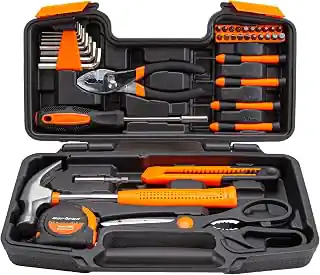 Top Automotive Tool Kits for Garage Workshops: A Buyer’s Guide
Find the top automotive tool kits for garage workshop. Compare versatile sets for car maintenance, home repairs, and DIY projects to choose the best fit. Setting…
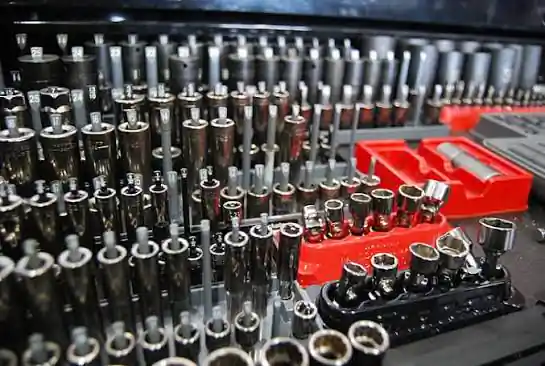 Top Automotive Tool Kits for Every Car Owner
Find top automotive tool kits for every car maintenance, DIY projects, and household repairs. Compare versatile sets and specialized tools for every car owner’s needs. Having…
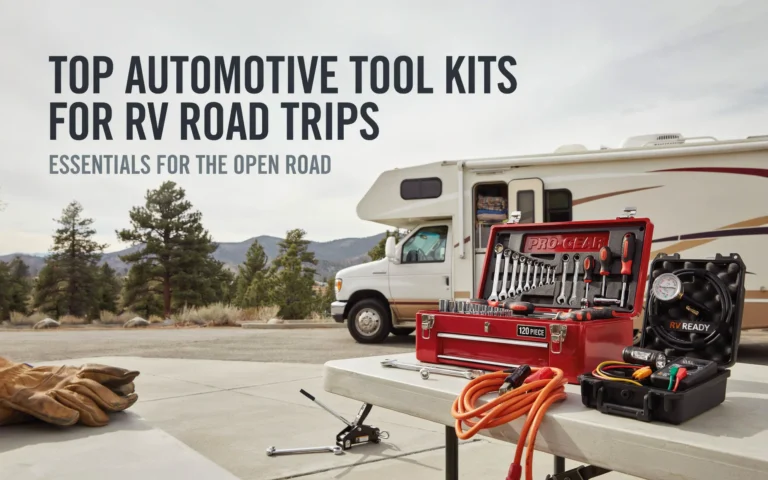 Top Automotive Tool Kits for RV Road Trips
Compare top automotive tool kits for RV road trips. Find versatile sets with essential tools for roadside emergencies and common repairs on your journey. Embarking on…