
What Tools Last The Longest
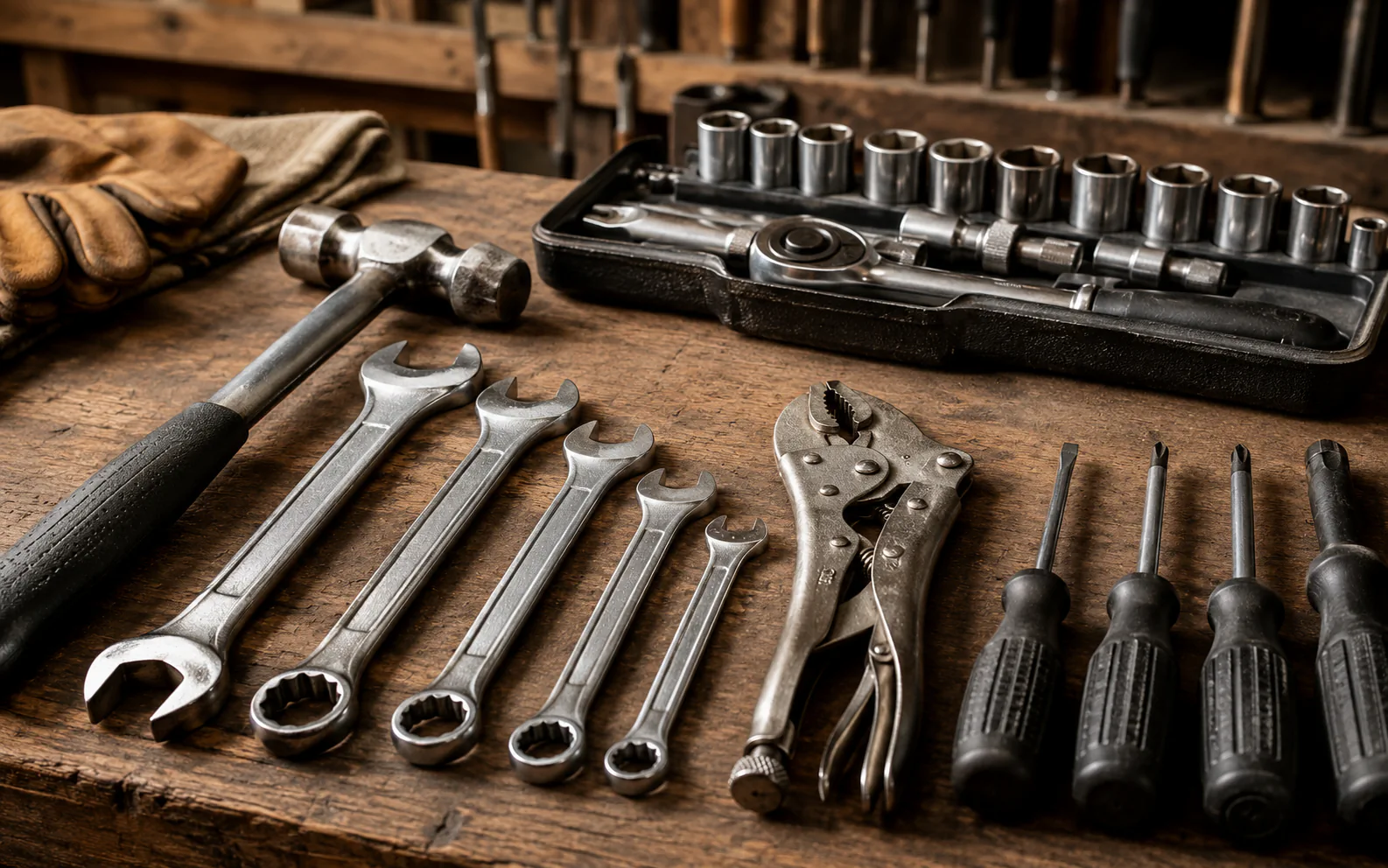
If you have ever asked yourself what tools last the longest, this guide breaks down the most durable hand tools, power tools, and garden gear. We share real brands, materials, and care tips that actually work.
Have you ever bought a tool that broke the first time you really used it? Maybe a wrench that bent or a drill that gave up halfway through a simple job. It is frustrating, and it wastes your money.
The good news is that some tools are built to survive for decades. Some can even outlast you and get passed down to the next generation. So what tools last the longest? The answer depends on the brand, the materials used, and how you treat them.
In this guide, I will share what I have learned from years of using tools around the house, in the garden, and on small renovation projects. I have broken plenty of cheap tools, and I have also owned a few that refuse to die. Let us look at what makes a tool truly long-lasting and which brands you can trust.
What Makes a Tool Last Long?
Before we get into specific brands, it helps to understand why some tools last and others fall apart. Durability comes down to a few key factors.
The Steel Matters More Than You Think
Most durable hand tools are made from high-quality steel alloys. Chrome vanadium steel is a common choice for wrenches, sockets, and pliers. This material blends hardness with toughness, so the tool can handle heavy force without snapping. Tools made from this steel have a long service life and resist bending or cracking under pressure.
Some premium brands use proprietary steel blends. For example, Wright Tool uses their own Wright Alloy steel to make wrenches that are thinner but stronger than many competitors. Better steel costs more to produce, but it makes a huge difference in how long the tool lasts.
Forging vs. Casting
Drop-forged tools are generally stronger than cast tools. Forging shapes the metal under extreme pressure, which aligns the grain structure and removes weak points. Many professional-grade tools are drop-forged from a single piece of steel. Cast tools, on the other hand, can have tiny air bubbles or weak spots that lead to breakage.
Design and Construction
Look at how the tool is put together. A hammer with a full tang (where the metal head extends all the way through the handle) is much stronger than one where the head is just glued on. Garden tools with metal tangs extending into the handle and secured with welded sockets will outlast flimsy stamped alternatives. Good design means fewer weak points.
Warranty as a Signal
Brands that offer lifetime warranties usually stand behind their quality. Craftsman built its reputation on an unconditional lifetime warranty that let people walk into any Sears store and get a broken tool replaced, no questions asked. Husky, Kobalt, and Snap-on also offer lifetime coverage on many hand tools. A strong warranty does not guarantee the tool will never break, but it shows the company trusts its own product.
Hand Tools That Refuse to Die
Let us start with hand tools. These are the wrenches, screwdrivers, pliers, and hammers that you reach for again and again. If you want to know what tools last the longest in this category, here are the brands that keep showing up.
The Old-School Legend: Craftsman
Craftsman used to be the gold standard for American homeowners and DIYers. The old tools were made from chrome vanadium steel and could survive decades of heavy use. Sears never actually made the tools themselves. They acted as a quality gatekeeper, contracting with specialized foundries across the United States to forge the steel to their specifications.
The result was a tool that felt heavy and solid in your hand. Modern big-box store tools often trim weight to save money, which leads to weak steel that breaks. If you find old Craftsman tools at a garage sale or flea market, grab them. They are some of the longest-lasting tools you will ever own.
Professional Favorites: Snap-on, Klein, and Knipex
For professionals who use tools every day, Snap-on is legendary. Their ratchets use Dual 80 technology with an 80-tooth gear that provides a fine swing arc without sacrificing strength. Mechanics trust Snap-on because the tools can handle massive torque in tight spaces.
For electricians, Klein Tools is the name to know. Their lineman pliers have induction-hardened cutting edges that stay sharp through thousands of cuts. When a tool fails in electrical work, it can create safety hazards. Klein’s consistency is why they have remained a family-owned American success story for five generations.
For pliers of any kind, Knipex is widely considered the most reliable pliers manufacturer on the planet. Their Cobra water pump pliers have a self-locking mechanism that bites onto pipes and bolts so firmly that you can actually stand on the tool without it slipping. That kind of grip comes from multiple stages of oil-hardening during production.
The Modern Alternatives: Husky, Kobalt, and GearWrench
If you cannot afford Snap-on prices, you still have good options. Husky and Kobalt are sold at Home Depot and Lowe’s respectively. Both offer lifetime warranties on hand tools. If a Husky wrench breaks, you can take it back to the store and get a new one. No receipt required in many cases.
GearWrench makes tools designed with professionals in mind and manufactured for maximum durability. They were the first company to introduce a 5-degree, 72-tooth ratcheting wrench. Their tools are popular with mechanics and serious DIYers.
Here is a quick comparison of hand tool brands by price and durability:
| Brand | Best For | Warranty | Steel Type |
|---|---|---|---|
| Snap-on | Professional mechanics | Lifetime | Proprietary alloy |
| Klein | Electricians | Lifetime | Induction-hardened steel |
| Knipex | Pliers and grips | Lifetime | Multiple-stage oil-hardened |
| Craftsman (old) | Heirloom quality | Lifetime | Chrome vanadium |
| Husky/Kobalt | Everyday DIY | Lifetime | Chrome vanadium |
| GearWrench | Automotive work | Lifetime | Chrome vanadium |
Power Tools That Keep Going
Power tools are a different story. They have motors, batteries, and electronic components that can fail. So what tools last the longest when it comes to cordless drills, saws, and impact drivers?
DeWalt: The Trust Leader
A 2026 study by Lifestory Research surveyed over 14,000 consumers and found that DeWalt is the most trusted power tool brand in America. This is the fifth year in a row that DeWalt has taken the top spot. People trust DeWalt for reliability, performance, and a wide selection of tools.
DeWalt’s 20V Max cordless platform is extensive, and the brand has consistently expanded its lineup. Professionals and serious DIYers alike appreciate that DeWalt tools can handle daily use without breaking down.
Milwaukee: The Professional’s Choice
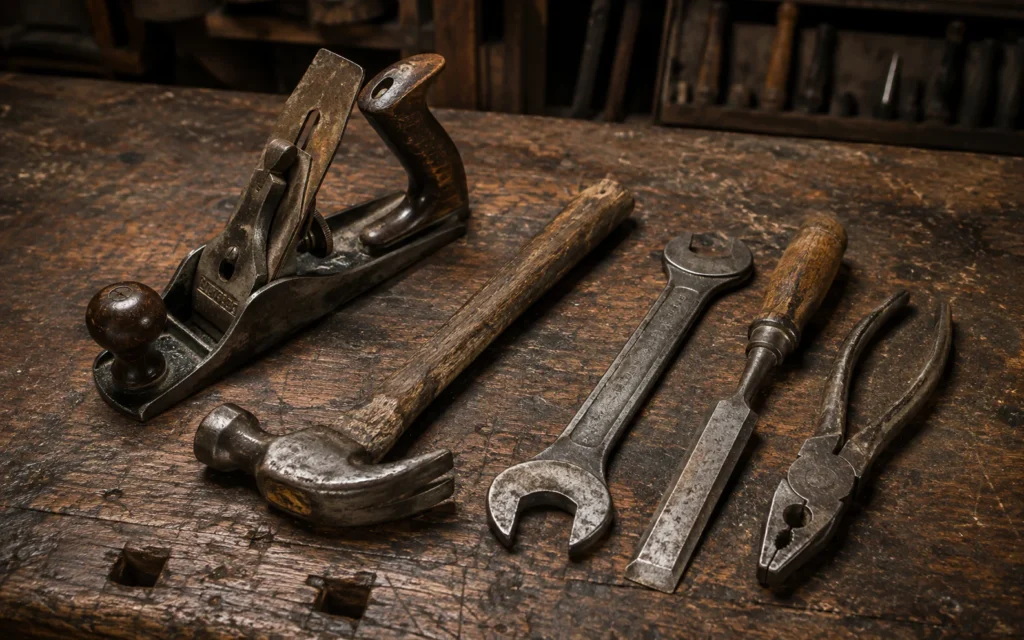
Milwaukee earns high marks for durability and performance, especially among professionals. Their tools are known for powerful motors and long battery life. Milwaukee offers a limited lifetime warranty on most hand tools and a five-year limited warranty on many power tools.
For demanding work like construction and remodeling, Milwaukee is often the go-to brand. Their M18 and M12 cordless systems are widely used on job sites across the country.
Makita: The Quiet Workhorse
Makita has a reputation for reliability that is hard to beat. One contractor reported being on their fifth brand of tools, and Makita was the only one that had not failed in about ten years of use. Makita tools are popular for finish work and remodeling. They may not have the flashiest marketing, but they get the job done and keep running.
Bosch: German Engineering
Bosch consistently ranks in the top three for power tool trust and reliability. Their tools are known for good performance and solid construction. Bosch offers a 20-year warranty on some of their professional hand tool lines, which shows their confidence in long-term durability.
Ryobi: Surprisingly Durable for the Price
If you are on a budget, Ryobi is worth considering. The brand is affordable and surprisingly durable for the price. Ryobi has a huge tool selection, which makes it easy to stay within one battery system. For homeowners who do occasional projects, Ryobi tools can last many years.
Here is a quick look at power tool brands by user type:
| Brand | Best For | Key Strength | Typical Warranty |
|---|---|---|---|
| DeWalt | Overall trust | Wide selection, reliability | 3-5 years |
| Milwaukee | Professionals | Power and battery life | 5 years |
| Makita | Finish work | Dependability | 3 years |
| Bosch | Quality build | German engineering | Varies (up to 20 years) |
| Ryobi | Budget DIY | Value and selection | 3 years |
Garden Tools Built for Generations
Garden tools take a beating. They get plunged into soil, left out in the rain, and used to pry rocks out of the ground. So what tools last the longest in the garden?
DeWit: Hand-Forged in Holland
DeWit makes garden tools that are hand-forged from high-carbon Swedish boron steel. The steel tangs extend into sustainably grown hardwood handles, making them sturdy and ultra-durable. These tools are guaranteed for a lifetime. Yes, a lifetime. That is how confident they are.
Burgon & Ball: Boron Steel with a 25-Year Guarantee
Burgon & Ball has introduced a range of tools made from boron steel, which offers exceptional strength and durability. The handles are made from white ash, selected for its strength and shock-absorbing properties. All tools in this range carry a 25-year guarantee. That is a solid commitment to longevity.
Fiskars: Rust-Resistant and Ergonomic
Fiskars makes garden tools with rust-resistant heads and comfortable grips. Their weeding tools and trowels are lightweight but built to last. The brand is well-known for its ergonomic designs, which reduce strain on your hands and wrists during long gardening sessions.
Materials That Make Tools Last
You do not need to be a metallurgist to choose durable tools. But knowing a few key terms helps.
Chrome Vanadium Steel (Cr-V)
This is the most common alloy for hand tools. It offers a solid blend of hardness and toughness, with good corrosion resistance thanks to its chromium content. Wrenches, sockets, and pliers made from Cr-V steel are affordable, durable, and great for general use.
Chrome Molybdenum Steel (Cr-Mo)
This alloy is often used for impact sockets because it can handle sudden, high-force blows without shattering. It is tougher than chrome vanadium in some ways, though it may not hold an edge as well.
High-Carbon Steel
Used for blades, knives, and cutting tools. High-carbon steel can be made very sharp and holds an edge well. The trade-off is that it can rust if not cared for properly. Garden tools like DeWit’s products use high-carbon boron steel for exceptional edge retention.
S2 Steel
This is a shock-resistant tool steel often used for screwdriver bits and impact drivers. It resists stripping and can handle high torque without breaking.
Induction Hardening
This is a process where the cutting edge of a tool is heated and cooled quickly to make it extremely hard. Klein uses induction hardening on their pliers to keep the cutting edges sharp through thousands of cycles. Induction-hardened saw teeth stay sharp far longer than traditional saws.
How to Make Your Tools Last Even Longer
Buying durable tools is only half the battle. How you care for them matters just as much. Here are simple habits that will help you get the most out of your investment.
Keep Them Clean
Dirt, dust, and grime cause wear. After each use, wipe down your tools with a clean cloth. For garden tools, knock off the soil and rinse with water. Dry them thoroughly to prevent rust.
Oil Moving Parts
Pliers, ratchets, and other tools with moving parts benefit from a drop of oil now and then. Use a light machine oil or a dedicated tool lubricant. This keeps the mechanism smooth and prevents seizing.
Store Them Properly
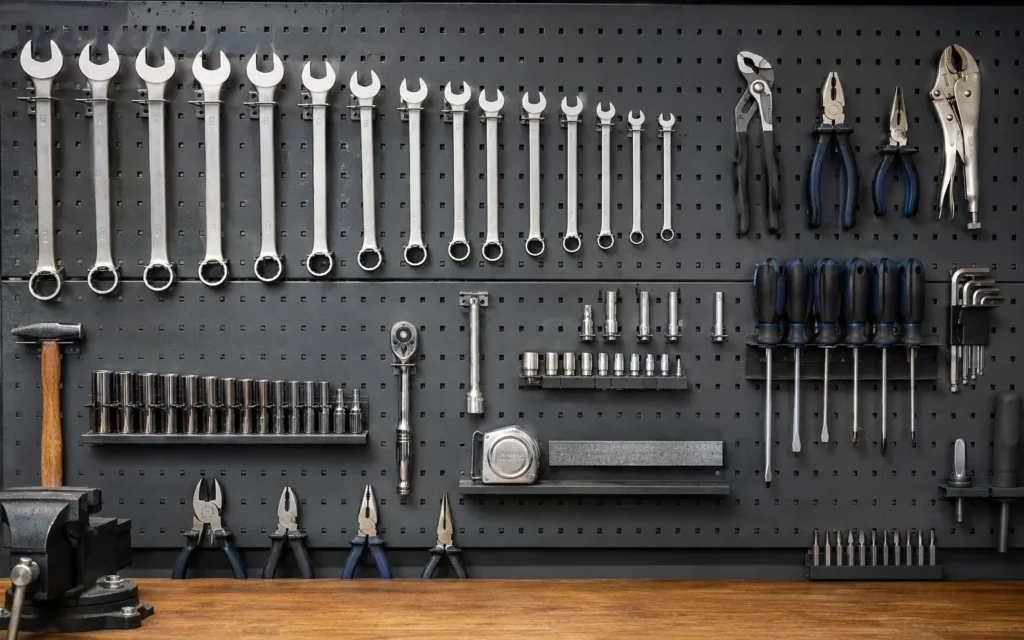
Do not throw your tools in a damp shed or leave them outside. Moisture causes rust. Hang your tools on a pegboard or keep them in a toolbox with a moisture-absorbing packet. For garden tools, consider a bucket of sand mixed with oil to store shovels and trowels. The sand keeps the blades clean and the oil prevents rust.
Sharpen Cutting Edges
Dull blades are not just frustrating. They are also dangerous because you have to push harder. Learn how to sharpen your chisels, plane blades, and garden shears. A sharp tool cuts cleanly and lasts longer.
Use the Right Tool for the Job
This sounds obvious, but it is worth saying. Do not use a screwdriver as a pry bar. Do not use pliers on a bolt that needs a wrench. Using a tool beyond its intended purpose is the fastest way to break it.
Real Stories of Tools That Last
I have a friend who inherited his grandfather’s Craftsman wrench set. The tools are over 50 years old. They are covered in patina and have a few scratches, but they work perfectly. He uses them regularly for car repairs and home projects.
A contractor I know uses a Makita drill that he bought in 2008. He has dropped it from ladders, used it in the rain, and run thousands of screws through it. The battery has been replaced a couple of times, but the drill itself still runs strong.
A gardener told me about her DeWit trowel. She has used it for over a decade to plant bulbs, dig weeds, and break up soil. The handle is worn smooth from her grip, but the blade is still intact and sharp.
These stories are not unusual. When you buy quality tools and take care of them, they can outlast you.
“I have a half inch Black and Decker model number one electric drill and press. It was my great grandfather’s, over a hundred years old. I just used it this weekend.” – Anonymous Reddit user
“In a lot of tests, Gear Wrench came out near the top, particularly 1/4 inch ratchets.” – Ars Technica forum user
“I’m on my 5th brand. Makita is the only one that hasn’t failed so far in maybe 10 years.” – Contractor Talk forum user
The Cost of Cheap Tools
Cheap tools are tempting. They cost less upfront, and if you only need them for one project, they seem like a good deal. But here is the problem. Cheap tools break. When they break, you have to buy another one. Over time, you end up spending more money than if you had bought a quality tool in the first place.
There is also the safety factor. A wrench that slips can strip a bolt or hurt your hand. A drill that seizes can twist your wrist. A hammer with a loose head is dangerous.
Buying durable tools is an investment. You pay more now, but you save money and frustration later. As the saying goes, “Buy once, cry once.”
Which Tools Should You Prioritize?
If you cannot replace all your tools at once, start with the ones you use most often. For most people, that means:
A Good Set of Screwdrivers
Cheap screwdrivers strip screw heads and bend. Buy a set from a reputable brand like Klein, Wera, or Craftsman. Look for hardened tips and comfortable handles.
A Reliable Hammer
An Estwing hammer with a forged steel handle is virtually indestructible. It costs more than a wooden-handled hammer, but it will outlast several of them.
Quality Pliers
Knipex or Klein pliers are worth the investment. They grip firmly, cut cleanly, and do not slip.
A Cordless Drill
DeWalt, Milwaukee, or Makita drills are the most reliable choices. If you are on a budget, Ryobi is a solid alternative.
Garden Tools
DeWit or Burgon & Ball garden tools come with long warranties and are built to last.
Frequently Asked Questions
What tools last the longest overall?
Hand tools made from chrome vanadium steel with lifetime warranties tend to last the longest. Brands like Snap-on, Klein, Knipex, and old Craftsman tools are known for exceptional durability. Among power tools, DeWalt, Milwaukee, and Makita are the most reliable.
Are expensive tools always better?
Not always, but usually yes. Expensive tools use better materials, tighter tolerances, and stronger designs. However, mid-range brands like Husky, Kobalt, and Ryobi offer good durability for the price, especially for home use.
How can I tell if a tool is durable?
Look for these signs: drop-forged construction, chrome vanadium or chrome molybdenum steel, a solid feel in your hand, and a lifetime warranty. Read reviews from other users, especially professionals who use tools every day.
Do lifetime warranties really cover everything?
Most lifetime warranties cover defects in materials and workmanship. They do not cover normal wear and tear, abuse, or modifications. Read the fine print for each brand. Husky and Kobalt are known for hassle-free exchanges at the store.
Is it worth buying old tools?
Yes. Vintage Craftsman, Stanley, and other old American-made tools are often better than modern equivalents. You can find them at garage sales, flea markets, and online auction sites. They may need a little cleaning and oiling, but they will outlast many new tools.
What about battery-powered tools? Do they last?
The tool itself can last many years, but batteries wear out. Plan to replace batteries every 2 to 5 years depending on use. Stick with a brand that has a wide selection of tools so you can keep using the same battery system.
How do I prevent rust on my tools?
Keep them clean and dry. Wipe them down after use. Store them in a dry place. For long-term storage, apply a light coat of oil to metal surfaces. Some people use silicone spray or paste wax.
Are Chinese-made tools durable?
Some are, some are not. Many reputable brands manufacture in China but maintain strict quality control. The brand matters more than the country of origin. Look for trusted names and read reviews.
Conclusion
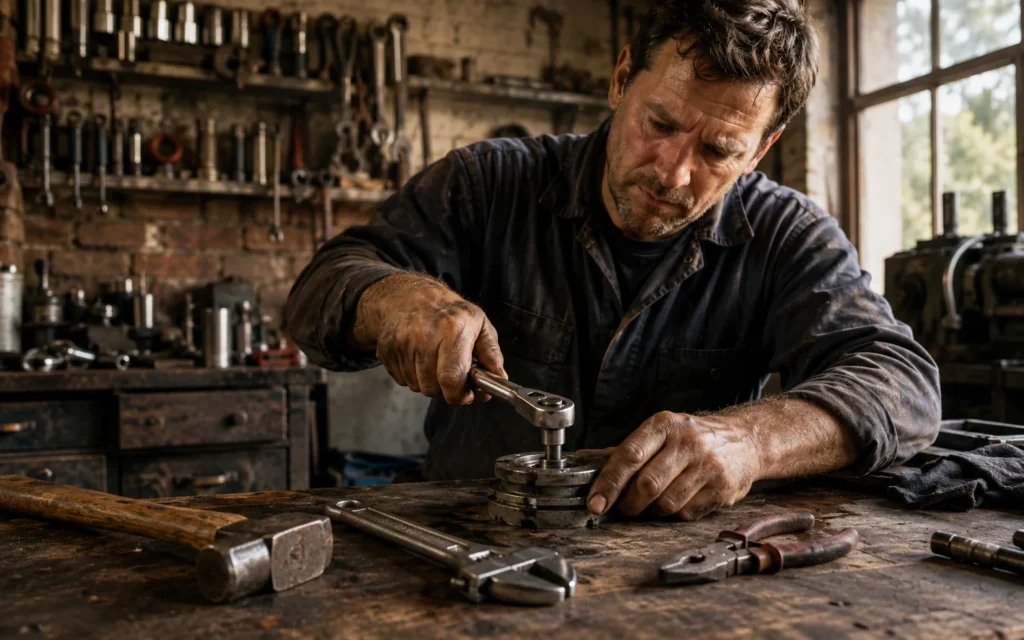
So what tools last the longest? The answer is not a single brand or a single tool. It is a combination of quality materials, smart design, proper care, and a warranty that backs up the product.
If you buy hand tools from brands like Snap-on, Klein, Knipex, or old Craftsman, you are getting steel that can handle decades of use. If you buy power tools from DeWalt, Milwaukee, or Makita, you are getting motors and electronics built to last. If you buy garden tools from DeWit or Burgon & Ball, you are getting boron steel and hardwood handles that survive season after season.
The key is to think long-term. Spend a little more now on tools that are built to last. Take care of them. Clean them, oil them, and store them properly. They will reward you with years of reliable service.
I have learned this the hard way. I have bought cheap tools that broke, and I have bought quality tools that are still going strong after 20 years. The lesson is clear. Quality pays off.
Next time you are at the hardware store, pick up a few tools. Feel the weight. Check the steel. Look at the warranty. Ask yourself, “Will this tool still be working in 20 years?” If the answer is yes, buy it. If the answer is no, put it back and keep looking.
Related posts
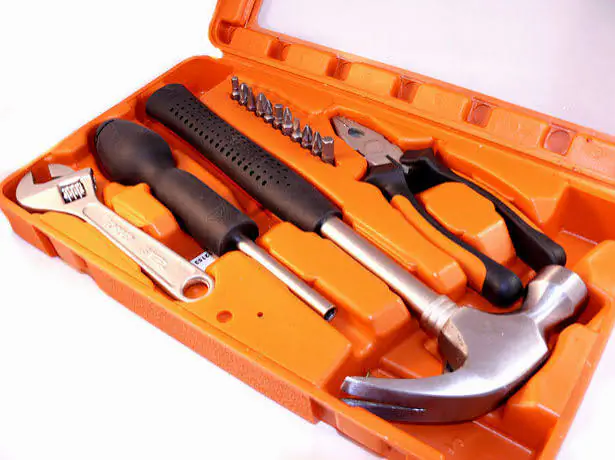 Which Tool Kit Is Worth Buying? How to Choose the Right Set for Your Home
Wondering which tool kit is worth buying? Compare basic household sets, mechanic kits, and power tool combos to find the best tools for your budget and…
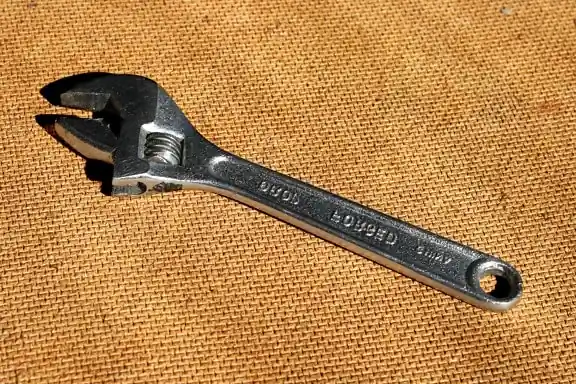 Which Hand Tools Are Made in the USA? Reliable Brands and Buying Rules
Discover which hand tools are still made in the USA. Compare top domestic brands, tool categories, and learn how to verify origin labels before buying. Several…
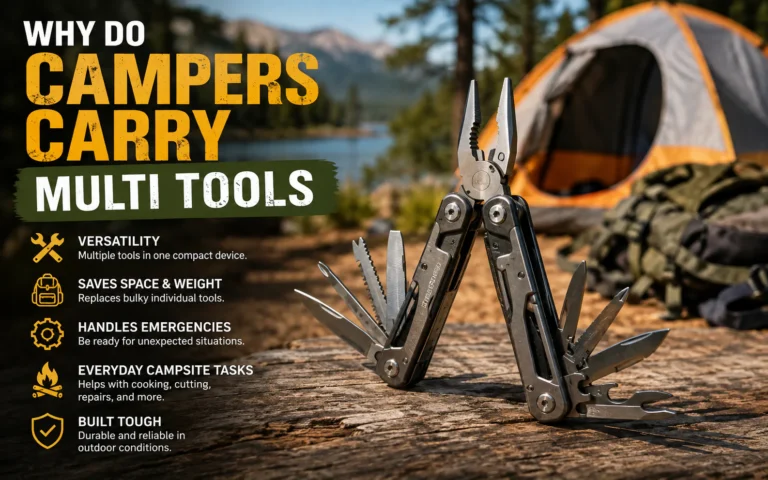 Why Do Campers Carry Multi Tools? Practical Uses in the Field
Why do Campers carry multi tools to handle gear repairs, campsite setup, food prep, and field fixes with minimal weight. Here is why one belongs in…