
How to Store Power Tools Safely and Extend Their Life
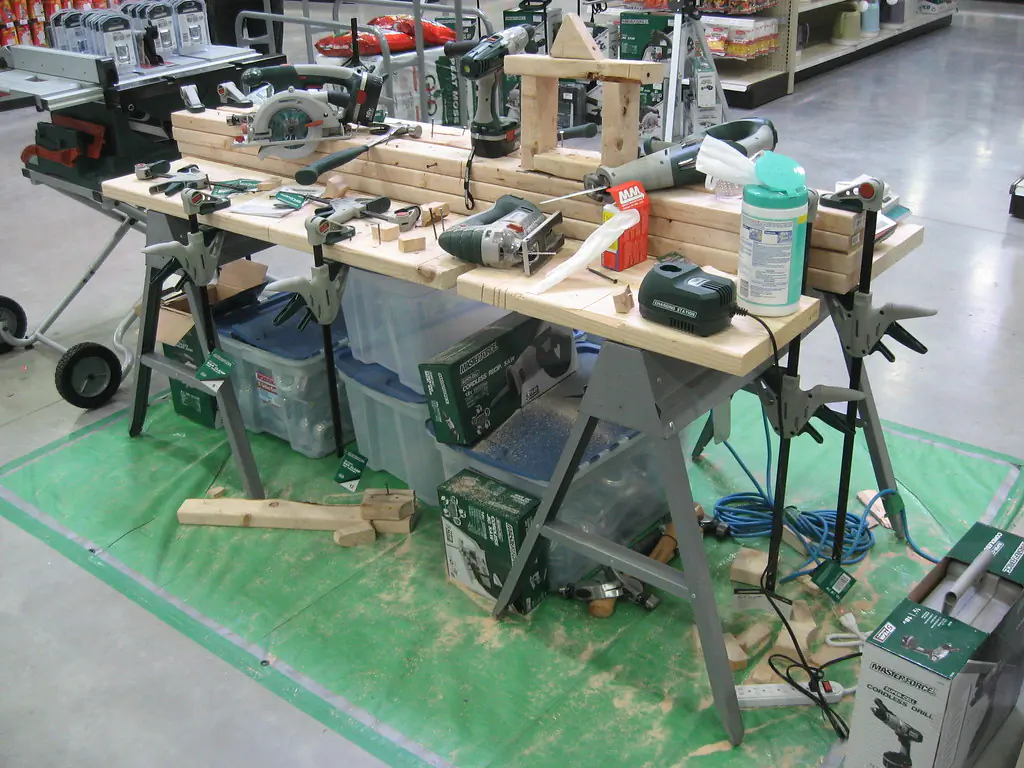
Storing power tools safely involves more than just putting them away; it requires a systematic approach to protect your investment, maintain their performance, and ensure safety for everyone in your home or workshop. The goal is to shield tools from environmental damage, keep them organized, and prevent unauthorized access.
To store power tools safely, begin by cleaning each tool and removing batteries from cordless models. Then, place them in a dry, temperature-controlled environment, ideally in dedicated cases, cabinets, or on secure wall mounts.
Safety checks
- Control temperature and humidity to prevent rust and damage.
- Clean tools thoroughly and remove batteries before storage.
- Use appropriate storage solutions like cases, cabinets, or wall mounts for organization and protection.
- Secure tools to prevent theft and keep them out of reach of children.
| Topic | When it helps | What to keep in mind |
|---|---|---|
| Step 1 | All power tools, regardless of storage duration. | Storing dirty or damaged tools can lead to rust, corrosion, and operational issues over time, potentially shortening their lifespan. |
| Step 2 | All power tools, especially those with sensitive electronics or metal components. | Damp, humid environments lead to rust and corrosion. |
| Step 3 | Organizing and protecting tools from physical impact and dust. | Piling tools haphazardly in a corner can lead to damage, make them hard to find, and create tripping hazards. |
| Step 4 | Cordless power tools and their associated accessories. | Leaving batteries fully charged or fully depleted for long periods can reduce their capacity. |
| Step 5 | All power tools, particularly in shared spaces or garages. | Leaving tools unsecured can lead to theft, accidental injury, or misuse by untrained individuals. |
The article must cover practical
Step 1. Prepare Tools Before Storage
How to Store Power Tools Safely. Before putting any power tool away, take a few moments to clean and inspect it. This simple step prevents dirt and debris from causing long-term damage and ensures the tool is ready for its next use.
- All power tools, regardless of storage duration.
- Storing dirty or damaged tools can lead to rust, corrosion, and operational issues over time, potentially shortening their lifespan.
- Wipe down tools with a dry cloth, remove sawdust or grime, and check for any loose parts or damage.
- Action – Clean and Inspect.
- Benefit – Prevents damage, ensures readiness.
Step 2. Control the Storage Environment
The environment where your tools are stored significantly impacts their condition. Humidity, temperature fluctuations, and direct sunlight can all cause damage, especially to electronic components and metal parts.
- All power tools, especially those with sensitive electronics or metal components.
- Damp, humid environments lead to rust and corrosion.
- Choose a dry, stable environment like a climate-controlled basement, an insulated garage, or a dedicated workshop.
- Environment – Dry, Stable Temperature.
- Risk – Rust, Corrosion, Degradation.

Step 3. Choose the Right Storage Solution
How to Store Power Tools Safely. Selecting appropriate storage solutions keeps tools organized, protected from physical damage, and easily accessible. The best solution depends on the tool type, frequency of use, and available space.
- Organizing and protecting tools from physical impact and dust.
- Piling tools haphazardly in a corner can lead to damage, make them hard to find, and create tripping hazards.
- Invest in sturdy toolboxes, modular storage systems, wall-mounted racks, or dedicated cabinets.
- Solution Types – Cases, Cabinets, Wall Mounts.
- Benefit – Organization, Protection, Accessibility.
Step 4. Manage Batteries and Accessories
Proper care for cordless tool batteries is crucial for their lifespan and safety. Accessories like blades, bits, and guides also need specific storage to prevent damage and maintain sharpness.
- Cordless power tools and their associated accessories.
- Leaving batteries fully charged or fully depleted for long periods can reduce their capacity.
- Remove batteries from cordless tools before storage.
- Battery Care – Partial Charge, Cool/Dry.
- Accessory Storage – Organized, Protected.
Step 5. Ensure Security and Accessibility
Safe storage also means preventing unauthorized access, especially from children, and protecting your valuable tools from theft. At the same time, your storage system should allow you to easily retrieve the tools you need.
- All power tools, particularly in shared spaces or garages.
- Leaving tools unsecured can lead to theft, accidental injury, or misuse by untrained individuals.
- Use lockable cabinets, chests, or secure rooms for valuable or dangerous tools.
- Security – Lockable, Out of Reach.
- Accessibility – Organized, Easy Retrieval.
Why Proper Power Tool Storage is Essential
Power tools represent a significant investment for any DIYer or professional. Beyond their monetary value, they are essential for completing projects efficiently and effectively.
Safe storage practices protect your tools from environmental factors like humidity and extreme temperatures, which can cause rust, corrosion, and degradation of electronic components. It also safeguards against physical damage from accidental drops or impacts.

Imagine a drill that rusts after being left in a damp garage, or a saw with a dull blade from being tossed in a bin.Underestimating the impact of environment and disorganization on tool longevity and safety.Key Practices for Safe and Effective Tool Storage
How to Store Power Tools Safely. Implementing a consistent routine for storing your power tools is the most effective way to ensure their safety and longevity. This involves several key practices, from initial preparation to ongoing environmental control and security measures.
The following practices outline a comprehensive approach to power tool storage, covering everything from immediate post-use actions to long-term considerations. By integrating these habits into your routine, you can significantly improve the condition and readiness of your tools.
For a cordless drill, this means wiping off sawdust, removing the battery, and placing both in the drill’s original hard case, then storing the case on a shelf in a dry closet.
Skipping any of these steps, particularly cleaning or battery removal, can lead to hidden damage or reduced battery life over time.
Optimizing Your Storage Space: Solutions for Every Need
Finding the right storage solution is key to maintaining an organized and safe environment for your power tools. Whether you have a dedicated workshop, a shared garage, or just a small closet, there are options available to suit your needs.
Consider the weight and size of your tools, how often you use them, and any specific protection they might need. Heavy-duty tools, for instance, require more robust support than smaller, lighter items.

If you have a small apartment, a stackable modular toolbox system can keep your cordless drill, impact driver, and charger organized without taking up much floor space.Choosing a storage solution that doesn’t match the tool’s size, weight, or frequency of use, leading to inefficiency or damage.Storage SolutionBest ForKey BenefitsConsiderationsToolboxes/Cases.Individual tools, portability, sensitive items.Impact protection, dust resistance, easy transport.Can take up floor/shelf space, limited capacity.Modular Storage Systems.Cordless tool sets, organizing by type.Stackable, customizable, integrated charging.Initial investment, can be bulky when stacked.Wall-Mounted Racks/Pegboards.Frequently used tools, odd-shaped items, small spaces.Frees up floor space, visible organization, easy access.Requires wall space, tools exposed to dust/humidity.Cabinets/Shelving Units.General tool storage, securing valuable items.Dust protection, security (if lockable), high capacity.Takes up floor space, can be expensive, tools less visible.
Avoiding Common Power Tool Storage Mistakes
How to Store Power Tools Safely. Even with the best intentions, it’s easy to fall into common storage traps that can compromise your tools or create safety risks. Being aware of these mistakes can help you refine your storage habits and ensure your power tools remain in top condition.
Many of these errors stem from convenience or a lack of understanding about how environmental factors and improper handling affect tool components. A little extra effort in avoiding these pitfalls can save you significant repair costs and extend the working life of your equipment.
Leaving a circular saw on a workbench exposed to dust and potential knocks, rather than securing it in its case or on a dedicated wall hook.
Assuming tools are indestructible or that a quick tidy-up is sufficient for long-term preservation and safety.
- Storing in High Humidity or Extreme Temperatures: This is a leading cause of rust, corrosion.
- Leaving Batteries in Tools: For cordless tools, always remove the battery before storage. This prevents.
- Piling Tools Randomly: Tossing tools into a bin or corner can lead to physical damage.
- Neglecting Cleaning: Dust, sawdust, and grime left on tools can attract moisture, clog moving parts.
FAQs
Is it okay to store power tools in an unheated garage?
Storing power tools in an unheated garage can be risky due to temperature fluctuations and humidity. Extreme cold can affect plastics and lubricants, while high humidity leads to rust and corrosion.
How often should I clean my power tools before storing them?
Ideally, you should clean your power tools after every use, especially if they’ve been exposed to dust, dirt, or moisture. A quick wipe-down and removal of debris prevents buildup and ensures the tool is.
What’s the best way to store cordless tool batteries long-term?
For long-term storage (over a month), remove lithium-ion batteries from tools and store them at a partial charge, typically around 40-60% of their capacity. Keep them in a cool, dry place, away from direct.
How can I store power tools if I don’t have a dedicated workshop?
Even without a workshop, you can store tools safely. Consider modular stackable toolboxes, heavy-duty plastic bins, or wall-mounted pegboards/racks in a closet, utility room, or a corner of an insulated garage.
Should I remove accessories like blades or bits before storage?
Yes, it’s generally best practice to remove blades, bits, and other accessories from power tools before storage. This prevents accidental damage to the accessory or the tool, reduces the risk of injury, and allows.
Conclusion
How to Store Power Tools Safely. Properly storing your power tools is a fundamental aspect of tool ownership that impacts their performance, lifespan, and your overall safety. By consistently applying the practices of cleaning, environmental control, smart organization, and diligent battery care, you protect your investment and ensure your tools are.
Remember that safe storage isn’t just about tidiness; it’s about preventing rust, corrosion, physical damage, and accidental misuse. A well-organized and secure storage system contributes to a more efficient and safer working environment for everyone.
Related posts
 How to Build a Home Tool Kit: Essential Tools for Every DIYer
Learn how to build a home tool kit with essential hand tools and basic power tools. Get tips on selecting, organizing, and expanding your DIY arsenal.…
 How to Spot Fake Mechanic Tools: A Practical Guide
Learn how to spot fake mechanic tools by checking for common signs like poor quality, incorrect branding, and missing details. Protect yourself from scams. Identifying fake…
 Why Chrome Vanadium Tools Are a Popular Choice
Discover why chrome vanadium tools are a popular choice for durability, strength, and corrosion resistance. Learn the key benefits of this common tool material. Chrome vanadium…