
How To Buy Tools On A Budget
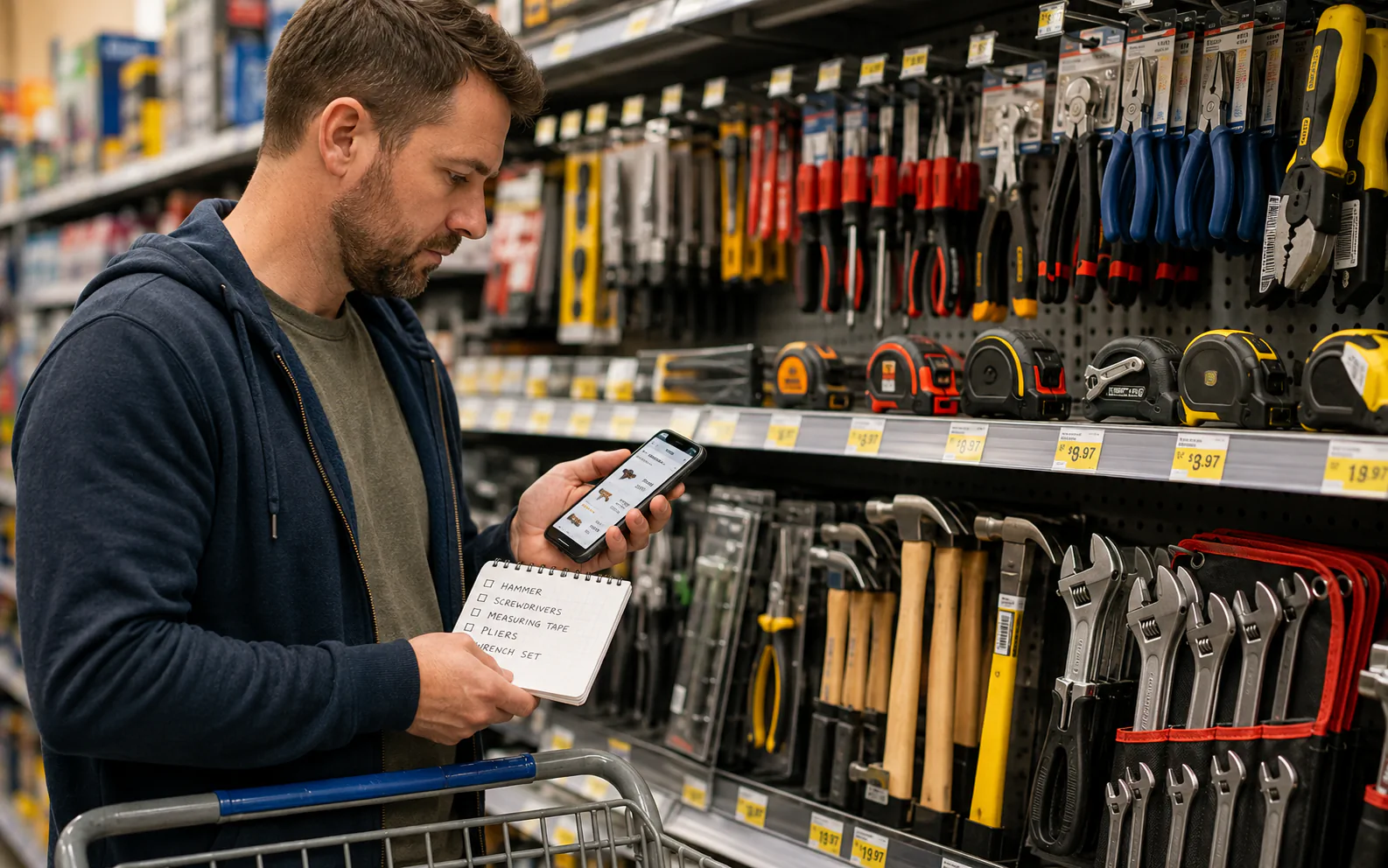
Learn how to buy tools on a budget with smart strategies that save money. This guide covers used tools, sales timing, brand choices, and practical tips for building a great toolkit without overspending.
Building a toolkit can feel expensive. Walk into any hardware store, and you will see shiny tools with big price tags. It is easy to think you need to spend a lot of money to get good tools. But that is not true. You can buy tools on a budget and still get items that work well and last a long time.
Many people have built amazing workshops without spending a fortune. They know the tricks. They know where to look. They know when to buy. And they know what to avoid. This guide will share all of those secrets with you.
Whether you are a weekend DIYer, a new homeowner, or someone who just wants to fix things around the house, this article is for you. You will learn practical ways to buy tools on a budget. You will discover how to find quality used tools. You will know the best times to shop for sales. You will also learn which brands give you the most value for your money.
Let us get started. Your wallet will thank you.
Why You Do Not Need to Spend a Fortune on Tools
Many beginners think they need professional-grade tools right away. That is a common mistake. Professional tools are built for daily heavy use. They cost more because they can handle that kind of work. But most homeowners and DIYers do not use tools every day. You might use a drill once a month. You might use a saw a few times a year.
For this kind of use, you do not need the most expensive tools. Mid-range and even entry-level tools will work just fine. The key is to buy tools on a budget that are still reliable. You want tools that do the job without breaking after a few uses.
“Quality beats flash. Look for tools with proven steel and ergonomic handles; they outperform cheap knockoffs ten times longer.” – Anonymous Woodworker, ToolsRadar
Think about what you really need. A simple screwdriver, a hammer, and a tape measure can handle many small jobs around the house. Add a utility knife and pliers, and you can manage most basic repairs. Start small. Add more tools as you need them for specific projects.
Start with a Clear Plan
Before you spend any money, make a list. Write down the tools you actually need for your projects. This step is very important. It stops you from buying tools you will never use.
Many people get excited and buy big tool sets. They think they are getting a great deal. But these sets often include tools that are not very useful. You might get a mediocre flashlight or a weak vacuum cleaner along with a drill and saw. The quality of each tool in a big set is often lower than if you bought them separately.
Instead, focus on the essentials. For most home projects, you need:
- A good drill or drill/driver
- A set of screwdrivers
- A hammer
- A tape measure
- Pliers
- A utility knife
- A level
These seven tools will cover about 90 percent of your household tasks. Once you have these, you can add more specialized tools for specific projects. This approach helps you buy tools on a budget because you are not wasting money on unnecessary items.
Buy Used Tools to Save Big Money
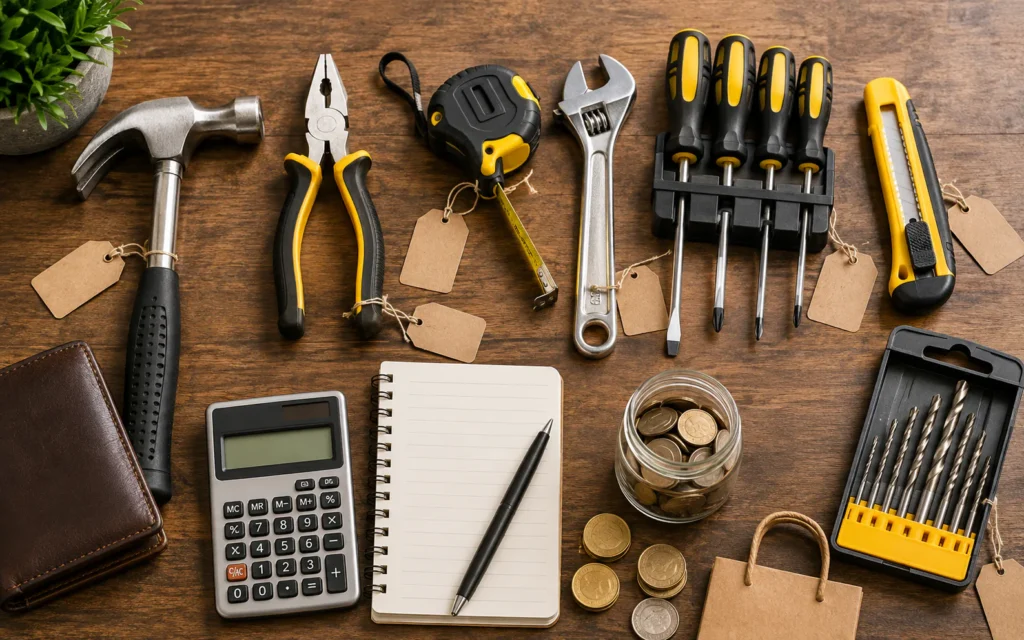
One of the best ways to buy tools on a budget is to buy used tools. Many people upgrade their tools and sell their old ones. These used tools are often in great condition. They work perfectly. And they cost much less than new ones.
You can find used tools in many places:
- Garage sales
- Estate sales
- Pawn shops
- Facebook Marketplace
- Craigslist
- eBay
- Habitat for Humanity ReStore
Estate sales are especially good. When someone passes away, their family often sells their workshop tools. You can find high-quality vintage tools at these sales. Older tools were often built to last. They have better steel and more solid construction than many modern budget tools.
“Vintage hand tools often feature better steel and craftsmanship than modern budget options.” – Journeyman HQ
When you buy used tools, you need to inspect them carefully. Here is what to look for:
Used Tool Inspection Checklist
Always ask the seller why they are selling the tool. Good answers include “I upgraded to a better model” or “I am cleaning out my workshop.” Be careful if the seller cannot give a clear reason.
Test the tool if you can. Plug it in. Turn it on. Listen to the motor. Check all the moving parts. This is the best way to avoid buying a broken tool.
Know When to Buy New Tools
Sometimes buying used is not the best choice. Some tools are better to buy new. Power tools with batteries are a good example. Batteries lose their ability to hold a charge over time. A used cordless tool might work fine, but the battery might be dead. And replacement batteries can cost as much as a new tool.
Safety equipment is another area where you should buy new. Things like safety glasses, ear protection, and dust masks should be new. You do not know how a used safety item was treated. It might have damage you cannot see.
For tools with blades, like circular saws or jigsaws, consider buying new or replacing the blade. A dull or damaged blade can be dangerous. It can also ruin your work.
Choose the Right Brands
The brand you choose matters. Some brands give you great value for your money. Others charge a lot for the name.
Harbor Freight is a popular choice for budget shoppers. Their Warrior brand offers entry-level tools at very low prices. For example, you can buy an 18V cordless drill kit for just $24.99. That is half the price of a similar Ryobi drill.
Ryobi is another good budget brand. Their tools are reliable and widely available at Home Depot. The Ryobi 18V ONE+ system includes over 300 different tools. Once you buy one battery, you can use it with many different tools. This saves you money because you do not need to buy new batteries for each tool.
Husky, a Home Depot brand, offers good hand tools at affordable prices. A Husky socket adapter costs just $7.97 and performs better than some more expensive brands.
Ridgid is another brand that offers good value. Their tools are reliable and come with a lifetime warranty when you register them.
The key is to pick a brand and stick with it. This way, your batteries and accessories will work together. This is a smart way to buy tools on a budget because you save money on batteries and chargers.
Time Your Purchases for the Best Deals
Timing is everything when you want to buy tools on a budget. Retailers have predictable sales cycles. If you know when to shop, you can save a lot of money.
Best Times to Buy Tools
Black Friday and Cyber Monday are the biggest sales events of the year. You can find deep discounts on power tools and kits. Many retailers offer “Buy a Battery Starter Kit, Get a Free Tool” deals during this time.
Father’s Day is another great time to buy tools. Retailers know people buy tools as gifts. They offer good discounts to attract shoppers.
Do not forget about weekly deals. Home Depot and Ryobi release their best prices on Tuesdays. If you are looking for a specific Ryobi tool, check on Tuesday for the best price.
“Tuesday is the magic day for Ryobi tool deals. Home Depot and Ryobi always release the best prices, deals, or discounts on Tuesday.” – Yahoo Shopping
Consider Refurbished Tools
Refurbished tools are another way to save money. These are tools that were returned to the manufacturer. They are repaired, cleaned, and tested. Then they are sold at a discount.
The best part about refurbished tools is that they often come with a warranty. This gives you peace of mind. You know the tool works. And you know you can return it if something goes wrong.
You can find refurbished tools on manufacturer websites, Amazon, and other online retailers. The discounts can be significant. And the tools are often in like-new condition.
Do Not Be Fooled by Rock-Bottom Prices
It is tempting to buy the cheapest tool you can find. But very low prices often mean very low quality. Cheap tools break easily. They do not work well. And they can be dangerous.
Before you buy a deeply discounted tool, do your research. Read customer reviews. Check the warranty. Look at the brand’s reputation. A tool that costs a little more but lasts for years is a better investment than a cheap tool that breaks after one use.
Think about the cost per use. A $50 drill that lasts for five years is cheaper than a $20 drill that breaks after six months. When you buy tools on a budget, you want value, not just the lowest price.
Ask Family and Friends
Do not forget about your family and friends. Older relatives often have extra tools they do not use. They might be happy to give them to you.
Be specific when you ask. Instead of saying “Do you have any tools?” say “Do you have a spare pipe wrench?” or “Do you have an extra set of screwdrivers?” This makes it easier for people to help you.
If someone lends you a tool, take good care of it. Return it clean. If you dull a blade, have it sharpened. This builds trust. People will be more willing to lend you tools in the future.
Rent Tools for One-Time Projects
Some tools are expensive because they are specialized. You might only need them for one project. Renting is a great option for these situations.
Many hardware stores rent tools. You can rent a pressure washer, a floor sander, or a tile cutter for a day or a weekend. The rental cost is much less than buying the tool.
This is a smart way to buy tools on a budget. You save money. You save space in your workshop. And you do not have to maintain a tool you rarely use.
Start with the Essentials and Grow Slowly
Building a toolkit takes time. You do not need to buy everything at once. Start with the basics. Add more tools as you need them.
Many woodworkers start with just a saw, a plane, and a few chisels. They add other tools as they take on new projects. This approach saves money. It also helps you learn each tool properly.
“The real truth is that many woodworkers have built up an impressive collection of equipment without paying full retail prices for anything.” – Woodwork Machinery
Focus on versatility. A multi-tool can do many jobs. A good drill can handle drilling and driving screws. Choose tools that can do multiple tasks.
Take Care of Your Tools
Once you buy tools on a budget, you want them to last. Proper care extends the life of your tools. This saves you money in the long run.
Keep your tools clean. Wipe them down after each use. Remove dust and debris. This prevents rust and keeps moving parts working smoothly.
Sharpen blades regularly. A sharp blade cuts better and safer. It also puts less strain on the tool.
Store your tools properly. Keep them in a dry place. Use a toolbox or a pegboard to organize them. This protects them from damage and makes them easier to find.
Invest in Quality Where It Matters
Some tools are worth spending a little more on. These are tools you use often. They are also tools where quality makes a big difference.
A good set of screwdrivers is worth the investment. Cheap screwdrivers strip screws and damage your work. A quality chisel holds its edge longer and cuts cleaner.
Safety gear is another area where you should not skimp. Good safety glasses, ear protection, and gloves protect you. They are worth the extra cost.
For other tools, you can buy tools on a budget without worry. A hammer is a simple tool. A basic hammer works just as well as an expensive one. The same is true for tape measures, levels, and clamps.
Look for Bundle Deals
Bundle deals can save you money. When you buy a drill, you often get a battery and a charger. Buying these items separately costs more.
Look for combo kits that include the tools you actually need. A two-tool kit with a drill and an impact driver is a great start. These two tools handle most household tasks.
Be careful with big combo kits. They often include tools you do not need. The quality of each tool might be lower than if you bought them separately.
Check Online Marketplaces
Online marketplaces are great places to buy tools on a budget. eBay, Facebook Marketplace, and Craigslist have thousands of used tools for sale.
When shopping online, check the seller’s reputation. Look at their feedback score. Read reviews from other buyers. This helps you avoid scams.
Ask the seller for more photos. Ask for a video of the tool running. This gives you a better idea of the tool’s condition.
For local listings, meet in a public place. Many police stations have designated “Safe Exchange Zones” with video surveillance. This keeps you safe.
Do Not Forget About Warranties
Warranties protect your purchase. When you buy a new tool, check the warranty. Some brands offer lifetime warranties. Others offer one-year or three-year warranties.
Refurbished tools often come with shorter warranties. But a warranty is better than no warranty at all.
When you buy used tools, you usually do not get a warranty. This is one of the trade-offs. But the lower price often makes up for the lack of warranty.
The 70/20/10 Rule
Some experts suggest a 70/20/10 rule for tool budgets. Spend 70 percent of your budget on core tools. These are the tools you use most often. Spend 20 percent on specialized tools. Spend 10 percent on premium accessories like high-quality bits.
This rule helps you prioritize. You put your money where it matters most. You do not overspend on tools you rarely use.
Frequently Asked Questions
Q: What are the best budget tool brands?
A: Ryobi, Harbor Freight (Warrior and Bauer), Husky, and Ridgid are all good budget brands. They offer reliable tools at affordable prices. Ryobi has a large battery ecosystem with over 300 tools. Harbor Freight has some of the lowest prices on the market.
Q: Is it safe to buy used power tools?
A: Yes, if you inspect them carefully. Check for physical damage, frayed cords, and strange motor sounds. Test the tool before you buy it if possible. Avoid used tools that show signs of heavy wear or damage.
Q: When is the best time to buy tools?
A: The best times are Black Friday, Cyber Monday, and Father’s Day. End-of-year clearance sales in December and January also offer deep discounts. For Ryobi tools, check Home Depot on Tuesdays for the best weekly deals.
Q: Should I buy a big combo tool kit?
A: Not usually. Big kits often include tools you do not need. The quality of each tool is often lower than if you bought them separately. Start with a small kit that includes a drill and an impact driver. Add more tools as you need them.
Q: How can I tell if a used tool is good quality?
A: Look for signs of heavy wear or damage. Check for cracks, bends, and rust. Test the motor if it is a power tool. Ask the seller why they are selling it. A good answer is “I upgraded to a better model.”
Q: Are refurbished tools a good deal?
A: Yes. Refurbished tools are repaired and tested by the manufacturer. They often come with a warranty. The discounts can be significant. This is a great way to get a quality tool for less money.
Q: What tools should I always buy new?
A: Buy new safety equipment like safety glasses and ear protection. Buy new batteries for cordless tools. Consider buying new tools with blades, or replace the blade if you buy used. These items are hard to inspect properly when buying used.
Q: How do I avoid buying stolen tools?
A: Buy from reputable sellers. Check the seller’s profile and feedback. Meet in public places. Ask the seller why they are selling. If the price seems too good to be true, it might be stolen.
Q: Can I negotiate the price on used tools?
A: Yes. Most sellers expect you to negotiate. Offer a lower price, especially if the tool has minor damage or wear. Be polite and reasonable. Many sellers will accept a fair offer.
Q: What is the most important tool for a beginner?
A: A good drill is the most important tool for most beginners. A drill can handle many tasks. It can drill holes and drive screws. Add a hammer, screwdrivers, pliers, and a tape measure, and you can handle most home repairs.
Conclusion
You do not need to spend a lot of money to build a good toolkit. You can buy tools on a budget and still get quality items that last. The key is to be smart about your purchases.
Start with a clear plan. Make a list of the tools you actually need. Buy used tools whenever possible. Inspect them carefully before you buy. Time your purchases to take advantage of sales. Choose reliable budget brands. Rent tools for one-time projects. And take good care of the tools you own.
Remember, building a toolkit is a journey. You do not need everything at once. Start with the essentials. Add more tools as you need them. This approach saves you money. It also helps you learn each tool properly.
“Patience pays. I once spent a day restoring a $15 flea-market block plane. Now it’s my daily driver.” – Anonymous Woodworker, ToolsRadar
With these strategies, you can build a workshop that meets your needs without breaking the bank. Happy shopping, and enjoy your new tools.
Related posts
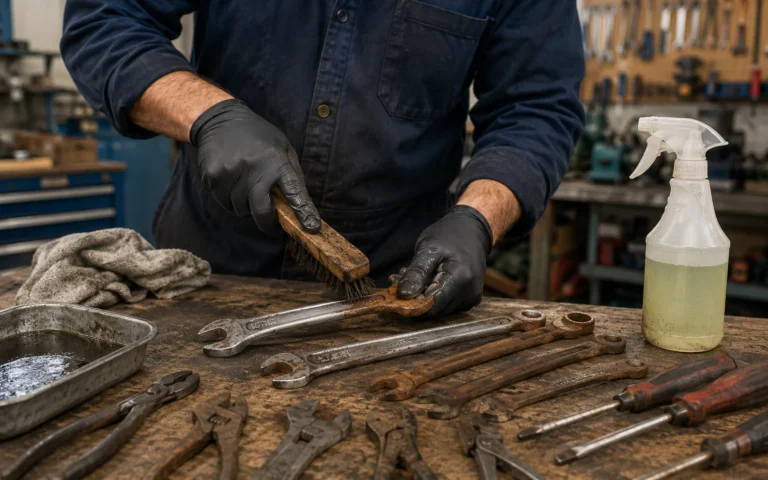 Can Rusty Tools Be Restored
If you have old equipment sitting in the shed, you might wonder can rusty tools be restored to working order. The answer is yes for most…
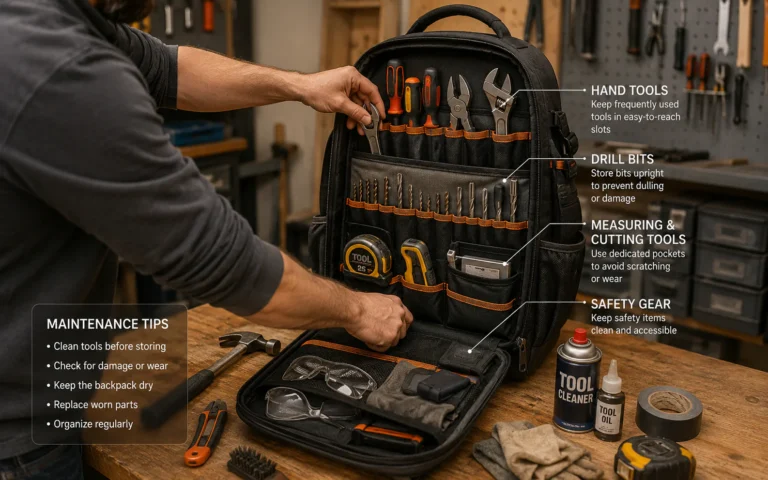 How To Maintain A Tool Backpack
Learn how to maintain a tool backpack with simple cleaning, smart organization, and regular inspections. Keep your gear ready and extend the life of your bag…
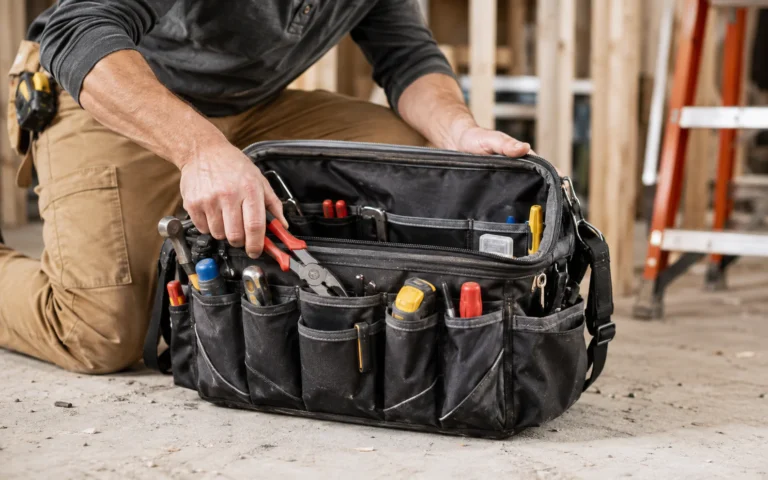 Why Tool Bags Have Multiple Pockets
If you ever wondered why tool bags have multiple pockets, the answer lies in better organization, faster access, and less clutter. This guide breaks down every pocket…