
How Long Do Tool Bags Typically Last
If you are wondering how long do tool bags typically last, the answer depends on material, usage, and care. Good bags can serve you for 2 to 10+ years with proper maintenance. Read on to learn more.
Every worker knows the value of a good tool bag. It carries your livelihood, keeps your gear organized, and saves you from constant trips back to the truck. But one question comes up often: how long do tool bags typically last?
The answer isn’t simple. Some bags fall apart in a year. Others stay strong for decades. The difference comes down to what they are made of, how you use them, and how well you care for them.
I have seen cheap bags tear open after a few months of daily work. I have also seen leather bags that look almost new after 15 years of service. The range is wide, but you can get a clear picture of what to expect.
Let me break it down for you in plain terms. This guide will help you know what to look for, how to extend the life of your bag, and when to finally replace it.
What Affects How Long Tool Bags Last?
Before we get into specific numbers, you need to know the main factors that control the lifespan of any tool bag.
The Material Makes a Big Difference
The fabric of your bag is the single biggest factor in its durability. Different materials handle wear, weather, and weight in very different ways.
Canvas is a classic choice. It is tough, breathable, and stands up to rough treatment. Canvas tool bags are durable and can withstand heavy loads. They work well for general use and hold up against abrasion. However, canvas absorbs water unless it is treated. Wet canvas can become heavy and may grow mold if not dried properly. A good canvas bag can last 5 to 10 years with proper care.
Leather is the gold standard for longevity. Leather tool bags are more durable and provide better protection for tools than bags made from other materials. Full-grain leather is the highest quality and most durable option. Leather resists cuts and punctures and won’t crack like plastic. With basic maintenance, a leather tool bag can last a lifetime. Some professionals have used the same leather bags for over 30 years. The trade-off is cost and weight. Leather bags are expensive and heavy, but they are an investment that pays off over time.
Nylon is a modern favorite. It is lightweight, strong, and resists water well. Nylon naturally repels water better than canvas. It is also softer and more elastic than polyester. High-quality nylon bags with 900D or 1680D fabric can last several years, even with heavy daily use. The downside is that nylon can fade in sunlight and may not handle extreme heat as well as natural fibers.
Polyester is the budget option. A good-quality polyester tool bag can last anywhere from a couple of years to several years. It is affordable and has decent water resistance. But polyester is not as strong as nylon or canvas. The fibers break down faster under heavy loads and frequent use.
How You Use Your Bag Matters
The way you work directly affects how long do tool bags typically last for you.
Daily professional use wears out a bag faster than weekend DIY projects. A bag that gets tossed into a truck bed every morning, carried up ladders, and dragged across concrete will show wear much sooner than one that sits in a home garage.
The weight you carry also matters. Overloading a bag stresses the seams, zippers, and handles. Heavy tools bouncing around inside can puncture the fabric or break the stitching.
Sharp tools cause extra damage. Screwdrivers, chisels, and saw blades can tear the interior lining if they are not stored properly. Over time, these small cuts add up and weaken the bag.
The Environment Takes a Toll
Where you store and use your bag plays a big role in its lifespan.
Sunlight breaks down many materials. UV rays degrade polyester and nylon fibers over time. Colors fade, and the fabric becomes brittle. If you leave your bag in direct sunlight day after day, it will not last as long.
Moisture is another enemy. Rain, humidity, and wet job sites can cause mold, mildew, and rust. Water weakens fabric and damages the metal parts of your tools. Even if your bag is water-resistant, prolonged exposure to moisture will shorten its life.
Extreme temperatures also matter. Heat can melt or warp synthetic materials. Cold can make fabrics stiff and more likely to crack.
Average Lifespan by Material Type
Here is a quick look at what you can expect from different types of tool bags.
| Material | Average Lifespan | Best For |
|---|---|---|
| Polyester | 2 to 4 years | Light use, budget buyers |
| Nylon | 3 to 7 years | Outdoor work, daily use |
| Canvas | 5 to 10 years | General use, heavy loads |
| Leather | 10+ years to lifetime | Professionals, long-term investment |
These are averages. Some bags last longer, and some fail sooner. The key is choosing the right material for your needs and taking care of it.
Signs Your Tool Bag Needs Replacement
Even the best bags eventually wear out. Here are the signs that tell you it is time for a new one.
Visible Fabric Damage
Tears, holes, and frayed edges are clear warnings. Once the fabric starts to break down, the bag loses its strength. Small tears can become large rips that dump your tools on the ground.
Broken Zippers and Fasteners
Zippers are often the first thing to fail. A stuck or broken zipper makes the bag hard to use. If the zipper teeth are missing or the slider is broken, repair may not be worth the cost.
Failing Seams and Stitching
Check the seams where the bag takes the most stress. Handles, straps, and bottom corners are common failure points. Loose threads and split seams mean the bag is losing its structural integrity.
Worn Handles and Straps
Handles that are cracking, stretching, or pulling away from the bag are dangerous. A broken handle while you are carrying heavy tools can cause injury and damage your equipment.
Loss of Shape and Structure
A bag that no longer holds its shape cannot protect your tools properly. Sagging bottoms and collapsed sides mean the internal supports have failed.
If you see any of these issues, it is time to think about replacement. Small problems can sometimes be fixed, but major damage usually means the end of the road.
How to Make Your Tool Bag Last Longer
You can extend the life of your tool bag with some simple habits. Here are practical tips that really work.
Clean It Regularly
Job sites are dirty places. Dust, metal shavings, and sawdust build up inside your bag. This debris damages stitching, tears fabric, and jams zippers.
Empty your bag at least once a month. Shake out the loose dirt. Use a handheld vacuum or a dry paint brush to remove fine dust. Wipe the inside and outside with a damp cloth and mild soapy water. Stay away from harsh chemicals or solvents like WD-40 on vinyl or synthetic materials.
Store Tools the Right Way
Every tool has its place. Use the pockets, sleeves, and loops in your bag to keep things organized. This protects both your tools and the bag itself.
Sharp edges should be covered or placed in designated slots. Heavy tools should sit at the bottom to keep the bag balanced. Distribute the weight evenly to reduce stress on seams and zippers.
Don’t Overload Your Bag
Respect the weight limits of your bag. Overloading strains the stitching, warps the structure, and makes the bag unsafe to carry.
If you have too many tools for one bag, get a second one or upgrade to a larger model. Your back and your bag will thank you.
Protect It from the Elements
Keep your bag in a dry, shaded place when you are not using it. Avoid leaving it in direct sunlight or out in the rain.
If your bag gets wet, empty it out and let it dry completely before the next use. This prevents mildew, fabric breakdown, and rust on your tools.
Fix Small Problems Early
Do not ignore loose threads, stuck zippers, or worn handles. These small issues can become big failures if you leave them alone.
Fix fraying threads by carefully sealing them with a light flame. Lubricate zippers with a product made for that purpose. A little preventive care goes a long way.
Choose Quality from the Start
The best way to get a long-lasting bag is to buy a good one in the first place. Cheap bags save money upfront but cost more in the long run when they fail and need replacement.
Look for reinforced seams, heavy-duty zippers, and strong fabric. Check the warranty. Some brands offer 5-year or even lifetime warranties on their products.
What Professionals Say About Tool Bag Lifespan
Real workers have real experience with tool bags. Here is what some of them have to say.
A quality tool bag is an investment. With a few smart habits, you can help your bag go the distance and maintain its durability for years.”
— Tuff Tool Bags Team
This is true for everyone from weekend warriors to full-time tradespeople. The investment in a good bag pays off when it lasts for years instead of months.
“I have been using the same bags for over 30 years. Granted, the last 10-12 years I only wear them for framing.”
— Garage Journal Forum Member
This shows what is possible with quality materials and proper care. A leather or high-end canvas bag can serve you for decades.
“Occidental is the standard for tool belts for ironworkers and millwrights. That Occidental bag could last for decades.”
— Ecotec, Garage Journal
Brands that build their reputation on durability often deliver exactly that. Paying for quality is worth it when you consider the long-term value.
Tool Bag vs Tool Box: Which Lasts Longer?
Some people wonder if a tool box is a better choice for longevity. The answer depends on what you need.
Steel tool boxes are known for their high durability and can last a lifetime. They protect tools from crushing and weather better than most bags. However, they are heavy and not as easy to carry around.
Canvas and leather tool bags are quite long-lasting. They offer flexibility and portability that tool boxes cannot match. Synthetic material bags may not last as long, but they are easier to maintain and lighter to carry.
The choice between bag and box comes down to your work style. If you move around a lot, a bag is more practical. If you stay in one place and need maximum protection, a box might be better.
Here is a quick comparison.
| Feature | Tool Bag | Tool Box |
|---|---|---|
| Portability | Excellent | Poor to fair |
| Durability | Good to excellent | Excellent |
| Weight | Light to medium | Heavy |
| Tool Protection | Good | Excellent |
| Lifespan | 2 to 30+ years | 10 to 50+ years |
Frequently Asked Questions
How long do tool bags typically last for daily professional use?
For daily professional use, a good-quality nylon or canvas bag lasts 3 to 7 years. Leather bags can last 10 years or more with proper care. Polyester bags usually last 2 to 4 years under daily use.
Can a tool bag last 20 years?
Yes, a high-quality leather tool bag can last 20 years or more. Some professionals have used the same leather bags for over 30 years. Canvas bags can also last 10 to 15 years if they are well-made and properly maintained.
What is the most durable material for a tool bag?
Full-grain leather is the most durable material for tool bags. It resists cuts, punctures, and weather better than any other common material. Canvas and high-denier nylon are also very durable options.
How often should I clean my tool bag?
Clean your tool bag at least once a month. If you work in especially dirty conditions, clean it more often. Regular cleaning removes debris that can damage the fabric and zippers.
Can I repair a torn tool bag?
Small tears and loose stitching can often be repaired. Use a strong thread and a patch kit for minor damage. For major tears or broken zippers, replacement is usually the better option.
Does a warranty guarantee how long a tool bag will last?
A warranty covers defects in materials and workmanship, not normal wear and tear. Some brands offer 2-year, 5-year, or lifetime warranties. A good warranty is a sign of quality, but it does not guarantee the bag will last forever.
Is it worth spending more on a tool bag?
Yes, spending more on a quality tool bag is usually worth it. A $150 leather bag that lasts 15 years costs less per year than a $50 polyester bag that needs replacement every 2 years. The better bag also protects your tools more effectively.
Conclusion
So, how long do tool bags typically last? The honest answer is that it depends on you. A cheap polyester bag with poor care might last 2 years. A quality leather bag with good maintenance can last 30 years or more.
The material matters most. Leather is the longest-lasting option. Canvas and high-quality nylon are also excellent choices. Polyester works for light use but does not hold up to heavy work.
Your habits matter just as much as the material. Clean your bag regularly. Store your tools properly. Do not overload it. Protect it from sun and rain. Fix small problems before they become big ones.
Think of your tool bag as an investment in your work. A good bag saves you time, protects your tools, and makes your job easier. Choose wisely, take care of it, and it will serve you well for many years.
The next time you pick up your tool bag, ask yourself: am I doing everything I can to make this last? With the right choices, your bag can be with you for a long, long time.
Related posts
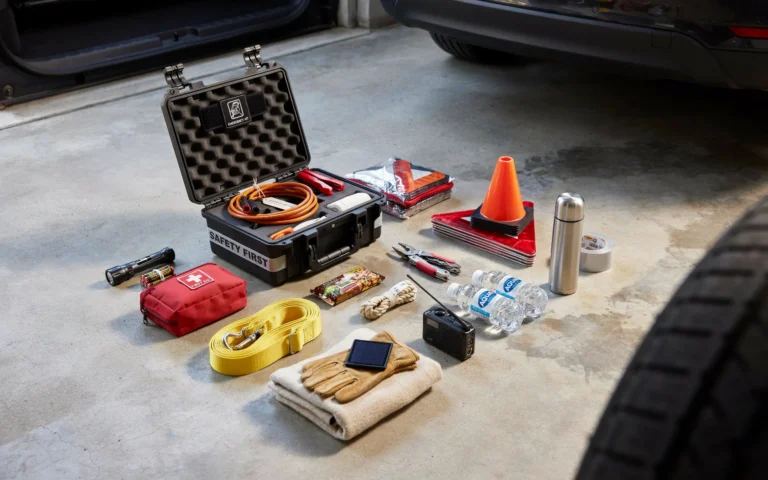 What Should Be In A Vehicle Emergency Kit
Wondering what should be in a vehicle emergency kit? This complete guide lists every essential item for safety, from first aid to food, so you are…
 Which Multi Tool Brand Is The Most Reliable
Wondering which multi tool brand is the most reliable for everyday carry and tough jobs? We compare Leatherman, Gerber, Victorinox, and SOG based on durability, warranty,…
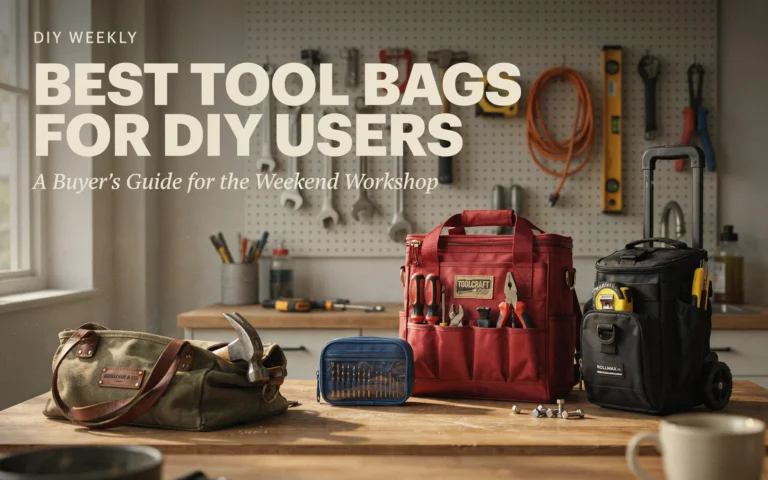 What Are The Best Tool Bags For DIY Users
Finding the best tool bags for DIY users can be tricky with so many options. This guide reviews top-rated bags, from backpacks to totes, helping you choose the…