
What Should Be In A Vehicle Emergency Kit
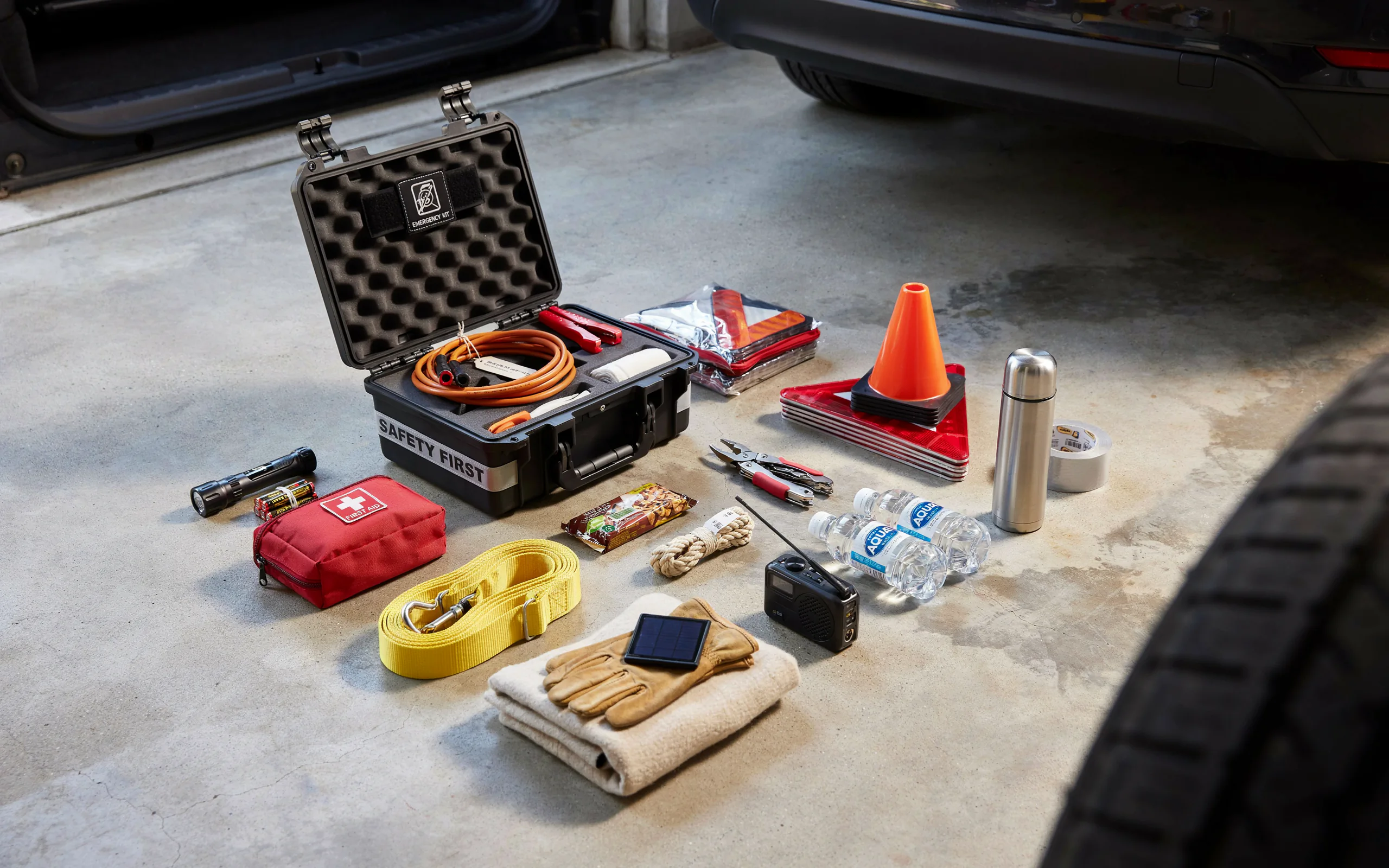
Wondering what should be in a vehicle emergency kit? This complete guide lists every essential item for safety, from first aid to food, so you are ready for any roadside problem.
Have you ever been driving down the road, maybe on a long trip or just running a quick errand, and something unexpected happens? Maybe you hear a strange noise from the engine, or you feel the car start to pull to one side. Or perhaps the weather takes a sudden turn for the worse, and you find yourself in a situation you did not plan for. These moments can be scary, but they do not have to be disastrous. The secret to staying calm and safe is being prepared. And the best way to do that is to know what should be in a vehicle emergency kit. Having the right supplies can turn a stressful breakdown into a manageable waiting period. It can keep you warm, fed, and visible until help arrives.
Many people think they are prepared, but they might only have a few random items rolling around in their trunk. A real emergency kit is thoughtful, organized, and contains everything you might need to handle a variety of situations. It is not just about having a spare tire; it is about having water, food, warmth, and the tools to communicate or fix minor problems. In this guide, we will look at every category of item you need. We will cover safety gear, medical supplies, tools, food and water, and even seasonal extras. By the end, you will have a clear checklist to build your own kit. Let us get started on making sure you are ready for whatever the road throws your way.
Why You Need a Proper Emergency Kit
It is easy to think that nothing bad will happen to you. We all drive every day, and most of the time, everything goes smoothly. But emergencies do happen. Cars break down. Tires go flat. Batteries die. And sometimes, severe weather can trap you on the road for hours. In these situations, what should be in a vehicle emergency kit becomes a matter of safety, not just convenience.
A good kit gives you control. Instead of feeling helpless and waiting for someone else to save you, you can take action. You can change a tire, jump-start your battery, or at least stay warm and hydrated while you wait for a tow truck. It provides peace of mind for you and your passengers. Knowing you have supplies in the back of your car makes driving less stressful, especially on long trips or in remote areas.
Moreover, being prepared helps you stay safe after an accident. If your car is disabled on the side of a busy highway, you need to make yourself visible to other drivers. Items like reflective vests and warning triangles are crucial for preventing further accidents. According to road safety experts, many secondary collisions happen because other drivers do not see a stopped vehicle in time. So, your emergency kit is not just about fixing your car; it is about protecting your life.
The Core Safety and Visibility Items
When you are stuck on the side of the road, the first priority is safety. You need to let other drivers know you are there. You also need to protect yourself from the elements. Let us look at the most important safety items that should be in a vehicle emergency kit.
Warning Triangles and Road Flares
These are non-negotiable items. If your car breaks down, you must warn oncoming traffic. Warning triangles are bright, reflective, and fold flat for easy storage. You should place them behind your vehicle to give other drivers plenty of time to see you and slow down. Road flares are another option. They burn with a bright red flame and are very visible, even in fog or at night. Both are excellent choices for alerting others to your presence.
High-Visibility Reflective Vest
This is a simple piece of gear that can save your life. A reflective vest makes you highly visible to other drivers, especially in low light. If you have to get out of your car to change a tire or inspect damage, wearing this vest is essential. It should be kept in the cabin of your car, not in the trunk, so you can put it on before you step outside. Many experts recommend keeping one for every passenger in your vehicle.
Flashlight and Extra Batteries
A flashlight is a must-have for any emergency. You might need it to see under the hood, check for damage, or signal for help in the dark. Make sure you have a reliable, weather-resistant flashlight. Do not rely solely on your phone’s flashlight, as it drains your battery quickly. Carry extra batteries, or choose a hand-crank or rechargeable model. A headlamp is also a great option because it keeps your hands free for working.
Fire Extinguisher
Car fires are rare, but they do happen. A small fire extinguisher can prevent a small fire from becoming a major disaster. Look for a Class B and C extinguisher, which is designed for flammable liquids and electrical fires. Make sure it is securely mounted in your vehicle so it does not become a projectile in a crash.
Emergency Tools and Vehicle Repair Supplies
A breakdown often involves a flat tire, a dead battery, or some other mechanical issue. Having the right tools can get you back on the road or at least make the situation easier to handle. Here is what should be in a vehicle emergency kit for repairs.
Spare Tire, Jack, and Lug Wrench
This is the classic trio for changing a flat tire. Make sure you know where your spare tire is located and that it is properly inflated. Check its pressure regularly, just like you check your other tires. The jack and lug wrench should be specific to your vehicle. If you have a newer car without a spare, you might have a tire repair kit and inflator instead.
Jumper Cables or a Portable Jump Starter
A dead battery is one of the most common roadside problems. Jumper cables allow you to get a jump from another vehicle. However, you are not always guaranteed to have another car around. A portable jump starter is a brilliant solution. It is a battery pack that can jump-start your car without needing another vehicle. Many of these also have USB ports to charge your phone, making them a versatile tool.
Basic Tool Kit and Multi-Tool
You do not need a full mechanic’s workshop, but a few basic tools are very useful. A multi-tool with pliers, a knife, and screwdrivers can handle many small repairs. You should also consider packing a small socket set, an adjustable wrench, and some screwdrivers. Duct tape and electrical tape are also great for temporary fixes. They can hold a loose part in place or tape up a cracked hose until you can get to a mechanic.
Tire Pressure Gauge and Inflator
Proper tire pressure is important for safety and fuel economy. If you hit a pothole or have a slow leak, a tire pressure gauge helps you check the problem. A portable 12-volt tire inflator can then pump your tire back up so you can drive to a repair shop. Some inflators even come with a sealant that can temporarily fix a small puncture.
First Aid and Medical Supplies
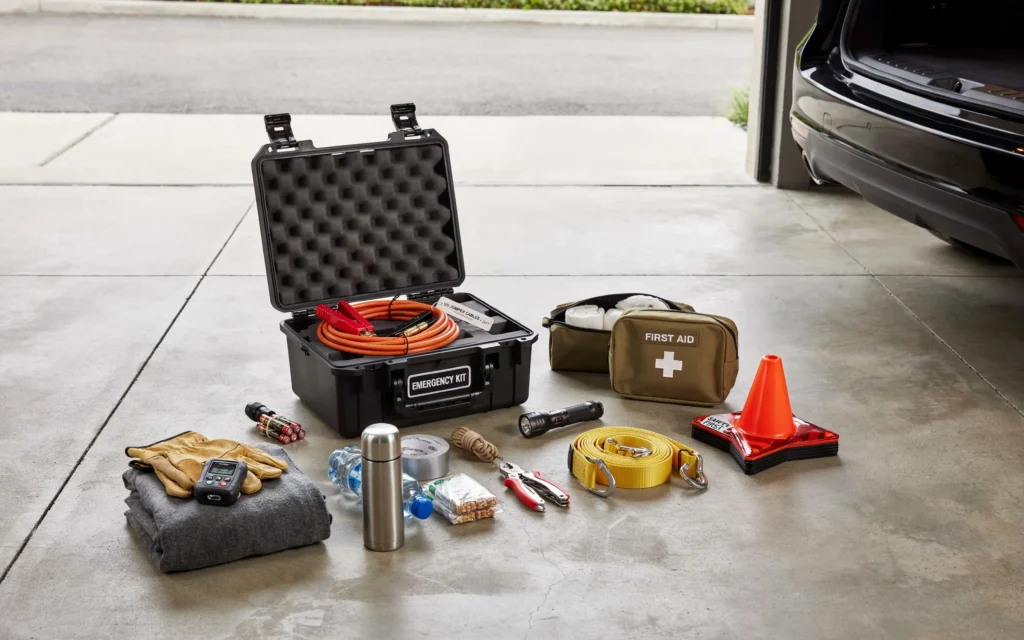
Injuries can happen in an accident or even while you are trying to fix your car. A first aid kit is an absolute essential. It does not need to be a massive hospital kit, but it should cover the basics. Let us look at what should be in a vehicle emergency kit for medical needs.
Comprehensive First Aid Kit
Your kit should include adhesive bandages of various sizes, sterile gauze pads, and medical tape. Antiseptic wipes are important for cleaning wounds to prevent infection. You should also have antibiotic ointment, scissors, and tweezers. Tweezers are handy for removing splinters or debris from a cut. It is also a good idea to include a CPR face shield or mask for emergencies.
Personal Medications
If you or your family members take prescription medication, you should keep a small supply in your emergency kit. You might also want to include over-the-counter pain relievers like ibuprofen or acetaminophen. Antihistamines for allergies and anti-diarrheal medication can also be useful in a prolonged situation. Always check expiration dates and rotate these items regularly.
First Aid Instruction Booklet
Having the supplies is one thing. Knowing how to use them is another. Keep a small first aid instruction booklet in your kit. It can guide you through treating injuries correctly if you are not trained in first aid. In an emergency, it is easy to panic and forget basic steps. Having written instructions can be a lifesaver.
Food, Water, and Warmth
If you are stranded for several hours or even overnight, you will need to stay hydrated, fed, and warm. These items provide comfort and can prevent serious health issues like dehydration or hypothermia.
Water and Non-Perishable Food
Water is the most critical supply. You can survive for weeks without food, but only days without water. Store at least one gallon of water per person for each day you might be stranded. Use sealed containers and replace the water every six months to keep it fresh. For food, choose high-energy, non-perishable items. Granola bars, nuts, dried fruit, and peanut butter crackers are excellent choices. They provide energy and do not spoil quickly. Avoid anything that requires cooking or that might melt in the heat.
Blankets and Warm Clothing
If you break down in cold weather, staying warm is your top priority. A thermal or wool blanket can trap body heat and keep you comfortable. Consider packing an emergency Mylar blanket. These are lightweight, compact, and reflect up to 90% of your body heat back to you. You should also keep extra warm clothing in your car, such as hats, gloves, and thick socks. These items take up little space but make a huge difference.
Hand Warmers and Rain Poncho
Disposable hand warmers are a great addition to your kit. They provide instant heat and can help warm your hands or feet. A rain poncho is also valuable. It keeps you dry, which is important because wet clothing makes you lose body heat much faster.
Sturdy Shoes and Extra Socks
If you have to leave your vehicle to walk for help, you do not want to do it in flip-flops or dress shoes. Keep a pair of sturdy, comfortable walking shoes in your car. Also, pack a change of socks. Wet or cold feet can quickly become a serious problem.
Communication and Navigation
In a modern emergency, your phone is your best friend. But what happens if you have no signal or your battery dies? You need backup plans for communication and navigation.
Cell Phone Charger and Power Bank
Your phone is your lifeline. You use it to call for help, check weather updates, or find your location. Keep a car charger in your vehicle at all times. Even better, have a portable power bank. This is a battery pack that can recharge your phone multiple times without needing the car’s electrical system. If your car battery dies, you will still be able to use your phone.
Physical Road Maps
GPS is great, but it is not always reliable. You might be in an area with no cell service, or your phone might die. A paper map of your state or region is a reliable backup. It does not need batteries and never loses signal. Take a moment to learn how to read it before you need it.
Emergency Radio
A battery-powered or hand-crank emergency radio can keep you informed about weather conditions and emergency broadcasts. This is especially important if you are stranded during a severe storm. Many of these radios also have a built-in flashlight and USB charging port, making them a very useful multi-tool.
Seasonal and Weather-Specific Items
What should be in a vehicle emergency kit changes with the seasons. You need different supplies for summer heat than for winter snow. Let us break it down.
Winter Essentials
Winter driving is particularly dangerous. Cold temperatures, snow, and ice create many hazards. In addition to the items already mentioned, you should add:
- Ice scraper and snow brush: To clear your windows and mirrors.
- Small shovel: To dig your tires out of snow.
- Traction material: A bag of sand, kitty litter, or rock salt to give your tires grip on ice.
- Winter-rated washer fluid: To keep your windshield clear in freezing temperatures.
Summer Essentials
Summer heat brings its own challenges. Dehydration and sunburn are real risks. Consider these additions:
- Extra water: Heat makes you sweat, so you will need more water than usual.
- Sunscreen and a hat: To protect yourself from the sun if you are outside for a long time.
- Cooling towels: These can help lower your body temperature in extreme heat.
All-Season Additions
Some items are useful no matter the weather. A pair of work gloves protects your hands when changing a tire or handling hot or dirty parts. A roll of paper towels or a reusable cloth is handy for cleaning up spills or checking oil. A small notepad and pen are useful for leaving notes or writing down information after an accident.
How to Organize and Maintain Your Kit
Knowing what should be in a vehicle emergency kit is only half the battle. You also need to organize it properly and keep it in good condition.
Choose the Right Container
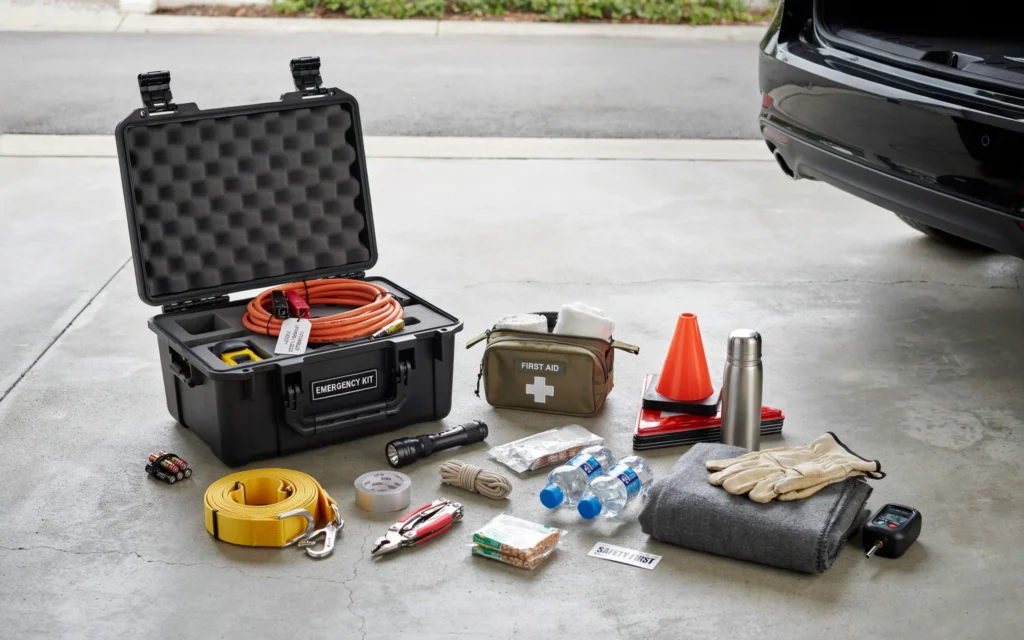
Your kit should be stored in a sturdy, waterproof container. A heavy-duty plastic tote or a duffel bag works well. Make sure it is secured in your trunk so it does not slide around. If you have a smaller car, you might need to use a backpack that can fit in a corner. The goal is to keep everything together so you can find it quickly.
Regular Maintenance
An emergency kit is not a “set it and forget it” item. You need to check it regularly. At least twice a year, go through your kit and check for expired items. Replace old food, water, and batteries. Check that your spare tire is inflated. Make sure your jumper cables or jump starter are in good working order. Also, consider the seasons. Swap out summer items for winter items as the weather changes.
Know How to Use Your Gear
Having the tools is useless if you do not know how to use them. Take some time to practice changing a tire in your driveway. Learn how to use your jumper cables or jump starter safely. Read the instructions for your first aid kit. A little practice now can save you a lot of stress later. As Aldo Vazquez, a AAA spokesperson, puts it, “Stay ready and safe by anticipating the unexpected”.
Quick Checklist of Essential Items
| Category | Essential Items |
|---|---|
| Safety & Visibility | Reflective vest, warning triangles/flares, flashlight, fire extinguisher |
| Tools & Repair | Spare tire, jack, lug wrench, jumper cables, multi-tool, duct tape, tire gauge |
| First Aid | Bandages, gauze, antiseptic wipes, tape, scissors, tweezers, medications |
| Food & Water | Bottled water (1 gallon/person/day), non-perishable snacks (granola bars, nuts) |
| Warmth & Comfort | Thermal blanket, warm clothes, hat, gloves, rain poncho, hand warmers |
| Communication | Cell phone charger, power bank, paper maps, emergency radio |
Vehicle-Specific Considerations
Not every vehicle is the same. What should be in a vehicle emergency kit for a large SUV might differ from what you need in a small sports car. Consider your specific vehicle and your typical driving habits.
Space Limitations
If you drive a compact car, space is at a premium. You might not be able to carry a full-sized spare tire or a large tool kit. In this case, focus on the essentials. A tire repair kit and inflator take up less space than a spare tire. Choose compact versions of tools and multi-purpose items to save room.
Type of Driving
Do you drive mostly in the city or on long rural roads? City driving means help is usually nearby, but you still face risks like traffic accidents. Rural driving means you might be stranded for longer periods. If you often drive in remote areas, you should carry extra food, water, and warm clothing. A tow strap or rope can also be useful if you need someone to pull you out.
Passengers
Always consider who is traveling with you. Do you have children, elderly passengers, or pets? You might need extra supplies for them. For children, pack some toys or books to keep them calm. For pets, include a small bag of food and a bowl. If anyone in your family has specific medical needs, make sure you have the necessary supplies in your kit.
Seasonal Add-Ons
| Season | Additional Items |
|---|---|
| Winter | Ice scraper, snow brush, small shovel, sand/kitty litter, warm gloves, winter boots |
| Summer | Extra water, sunscreen, hat, cooling towels, electrolyte drinks |
What to Do After a Breakdown
Having a great kit is only part of the equation. You also need to know what to do when an emergency actually happens. Here is a simple plan to follow.
Stay Calm and Assess the Situation
The first thing to do is stay calm. Panic will not help you. Take a deep breath. Turn on your hazard lights to alert other drivers. If you can, safely pull your vehicle off the road and away from traffic. Once you are stopped, assess the problem. Is it a flat tire? Is the engine overheating? Do you smell smoke?
Stay in Your Vehicle
Unless your car is on fire or in immediate danger, it is usually safest to stay inside your vehicle. Your car provides shelter from the weather and keeps you protected from traffic. Put on your reflective vest and set out your warning triangles to alert other drivers.
Call for Help
Use your phone to call for roadside assistance or emergency services. If you do not have a signal, you might need to walk to the nearest phone or wait for someone to stop. If you decide to walk, make sure you are wearing bright clothing and stay far away from the road.
Conserve Resources
If you are stuck for a long time, conserve your resources. Run the engine for only 10 minutes every hour to stay warm, but make sure the exhaust pipe is clear of snow. Drink water regularly, but ration your food. Do not leave the vehicle unless absolutely necessary.
Frequently Asked Questions
1. How often should I check my vehicle emergency kit?
You should check your kit at least twice a year. It is a good idea to do it when you change your clocks for daylight saving time. This ensures your food, water, and batteries are fresh. Also, check your kit before any long road trips.
2. Can I just buy a pre-made emergency kit?
Yes, you can. Many stores sell pre-assembled kits that contain the basics. They are a good starting point. However, you should still add items specific to your needs, like prescription medications or extra warm clothing. A pre-made kit might not have everything you need for your climate or family.
3. Where should I store my emergency kit in the car?
Most of your kit should be stored in the trunk. This keeps it out of the way and secures it in a crash. However, some items should be kept in the cabin. Your reflective vest, a small flashlight, and your phone charger should be within easy reach.
4. What should I do if I get stranded in extreme cold?
Your main goal is to stay warm. Put on all your extra clothing and blankets. Run the engine for 10 minutes every hour to generate heat. Keep the exhaust pipe clear of snow to prevent carbon monoxide poisoning. Stay in your vehicle and wait for help. As Chris Hohnbaum, a field operations manager, advises, “During cold winter months, consider including additional blankets as well as thick socks, gloves, boots, and a warm hat”.
5. Is it necessary to have a fire extinguisher in my car?
While not mandatory in most places, it is highly recommended. A small fire extinguisher can prevent a minor electrical fire from becoming a major disaster. It is a small investment that can save your vehicle and your life.
Conclusion
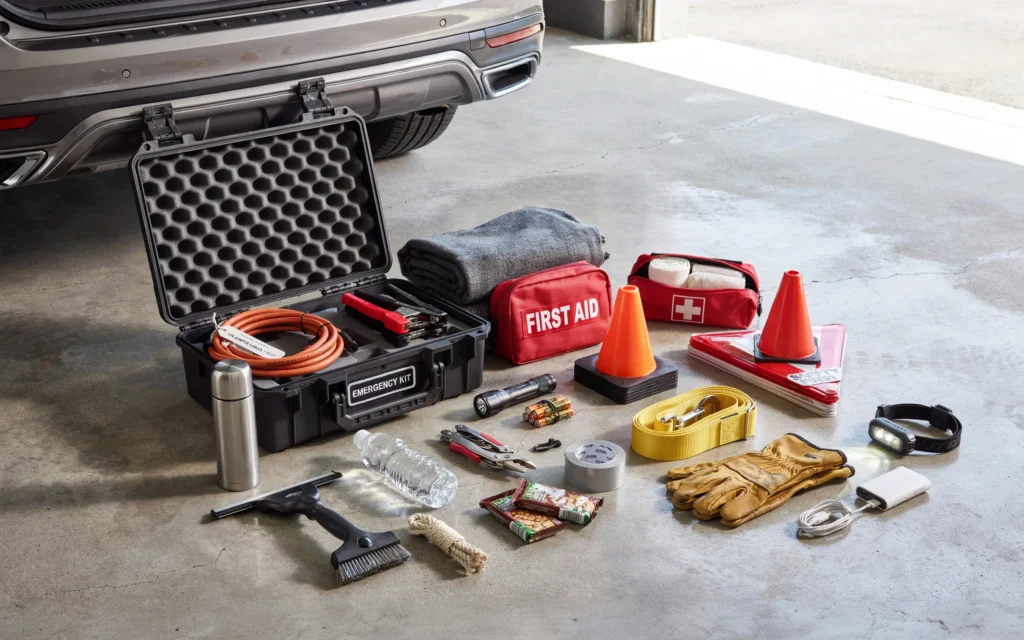
Taking the time to prepare an emergency kit is one of the smartest things you can do as a driver. It transforms a potentially terrifying experience into a manageable inconvenience. By now, you have a clear idea of what should be in a vehicle emergency kit. From safety vests and warning triangles to food, water, and first aid supplies, each item serves a specific purpose. Remember, an emergency does not announce itself. It happens when you least expect it. Being prepared is the best way to protect yourself and your passengers.
So, take action today. Gather the items on this list and build your kit. Check it regularly and make sure everyone in your family knows where it is and how to use the tools inside. As motoring experts often say, preparedness is about more than just keeping your vehicle in good shape. It is about being ready for the unexpected. Drive safely, and know that you are ready for anything the road throws your way.
Related posts
 Which Tool Kit Is Worth Buying? How to Choose the Right Set for Your Home
Wondering which tool kit is worth buying? Compare basic household sets, mechanic kits, and power tool combos to find the best tools for your budget and…
 Which Hand Tools Are Made in the USA? Reliable Brands and Buying Rules
Discover which hand tools are still made in the USA. Compare top domestic brands, tool categories, and learn how to verify origin labels before buying. Several…
 Why Do Campers Carry Multi Tools? Practical Uses in the Field
Why do Campers carry multi tools to handle gear repairs, campsite setup, food prep, and field fixes with minimal weight. Here is why one belongs in…