
How Long Do Automotive Tools Last
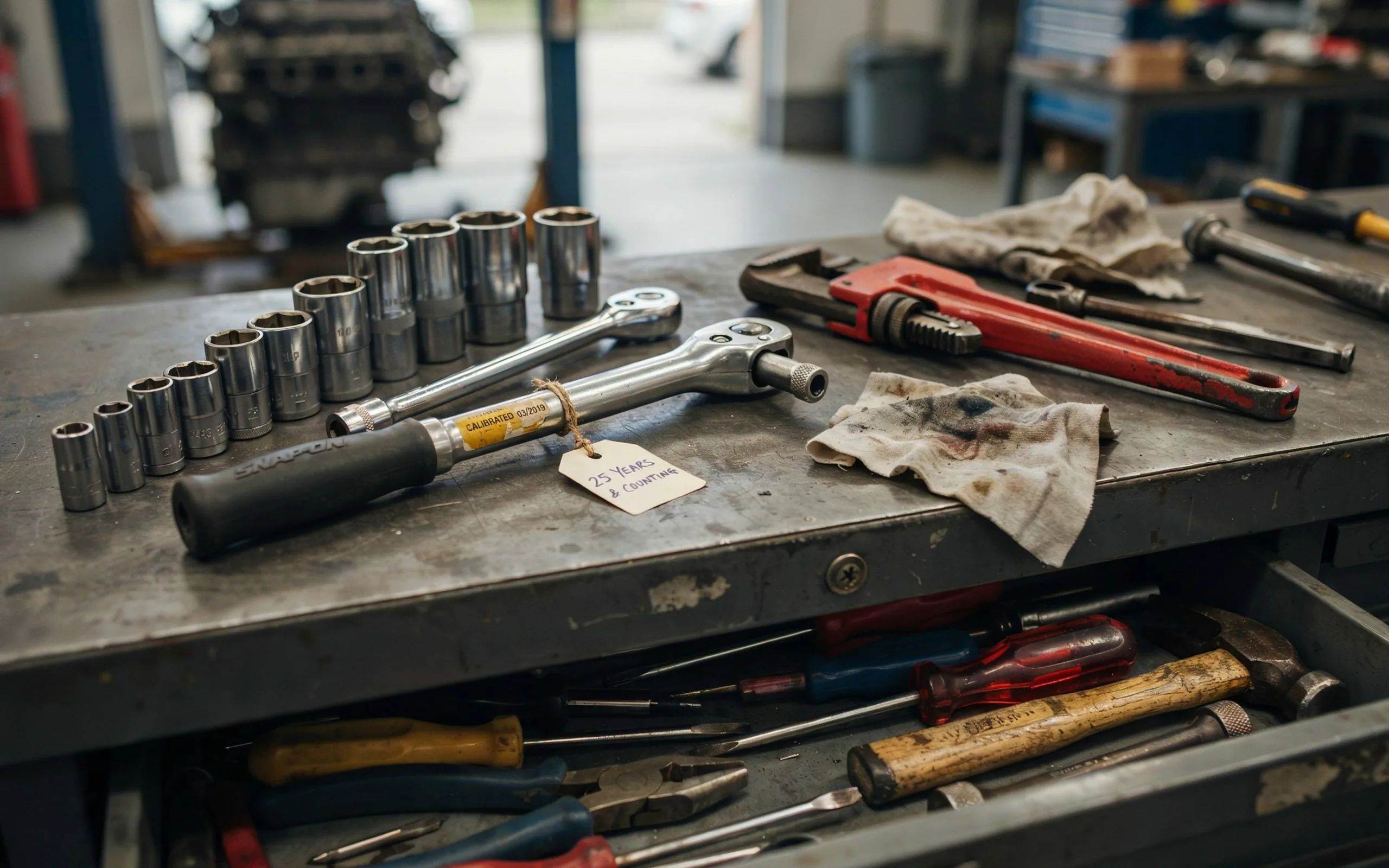
The average automotive tool lasts between 5 to 20 years depending on usage and care. How long do automotive tools last is a question many DIYers and professionals ask before making purchases. Learn factors, tips, and realistic expectations for every type of garage tool.
Every mechanic, DIY car enthusiast, or weekend hobbyist has wondered at some point about their tool collection. You invest good money in wrenches, sockets, jacks, and power tools. Naturally you want them to serve you well for many years.
The truth about tool lifespan is not a simple number. Some tools last a lifetime while others wear out in a few years. The question of how long do automotive tools last depends on many factors that we will explore together.
I have spent years working on cars, from simple oil changes to engine rebuilds. I have seen tools that outlast their owners and tools that break on the first job. Through this experience, I want to share practical knowledge about tool longevity that helps you make smart decisions.
Whether you are a professional mechanic or a home garage tinkerer, knowing about tool lifespan saves you money and frustration. Let us explore this topic in detail so you can get the most value from your tool investments.
Factors That Determine How Long Do Automotive Tools Last
Before we look at specific tools, we need to understand what affects their lifespan. Several key factors come into play.
Quality of Materials
The steel quality in hand tools makes a huge difference. Chrome-vanadium steel and chrome-molybdenum steel are common in good tools. These materials resist bending, breaking, and corrosion better than cheap metals.
Heat treatment processes also affect durability. A properly hardened tool maintains its shape and strength under pressure. Poor heat treatment leads to soft metal that wears quickly or brittle metal that cracks easily.
Frequency of Use
Professional mechanics use their tools daily. A home user might use the same tool once a month. This usage gap significantly changes how long do automotive tools last in practical terms.
A socket used 1000 times per year will show wear faster than one used 50 times. But a rarely used tool might rust from sitting idle in a damp garage. Both extremes present problems.
Maintenance and Care
Clean tools last longer. Grease, dirt, and moisture cause damage over time. Taking a few seconds to wipe down tools after use prevents many issues.
Storage conditions matter greatly. Tools kept in a dry, organized space last much longer than those tossed in a pile on a concrete floor. Climate control in your garage helps protect your investment.
Type of Work Performed
Heavy-duty work puts more stress on tools. Removing rusted bolts, breaking lug nuts loose, and working on suspension components all test tool strength.
Light maintenance work causes less wear. Routine oil changes, filter replacements, and basic adjustments are gentler on tools.
Brand and Manufacturing Standards
Reputable brands often offer lifetime warranties. This tells you something about expected durability. But even budget tools can last a reasonable time with proper care.
The manufacturing process matters too. Forged tools generally outperform cast tools. Precision machining creates better fits between moving parts.
Average Lifespan by Tool Category
| Tool Category | Average Lifespan | Best Conditions |
|---|---|---|
| Hand Wrenches and Sockets | 15-25 years | Quality steel, regular cleaning, dry storage |
| Power Tools (Electric) | 8-12 years | Brushed motors last shorter, brushless last longer |
| Pneumatic Tools | 10-15 years | Regular oiling, clean air supply, proper storage |
| Floor Jacks and Stands | 10-20 years | Regular seal replacement, avoiding overloads |
| Tool Boxes and Storage | 20+ years | Rust protection, proper weight distribution |
| Diagnostic Equipment | 5-8 years | Software updates, careful handling, clean connections |
Hand Tools: The Longest Lasting Category
Hand tools often become family heirlooms. I have used wrenches from my grandfather that still work perfectly. This speaks to the potential longevity of simple steel tools.
Wrenches and Sockets
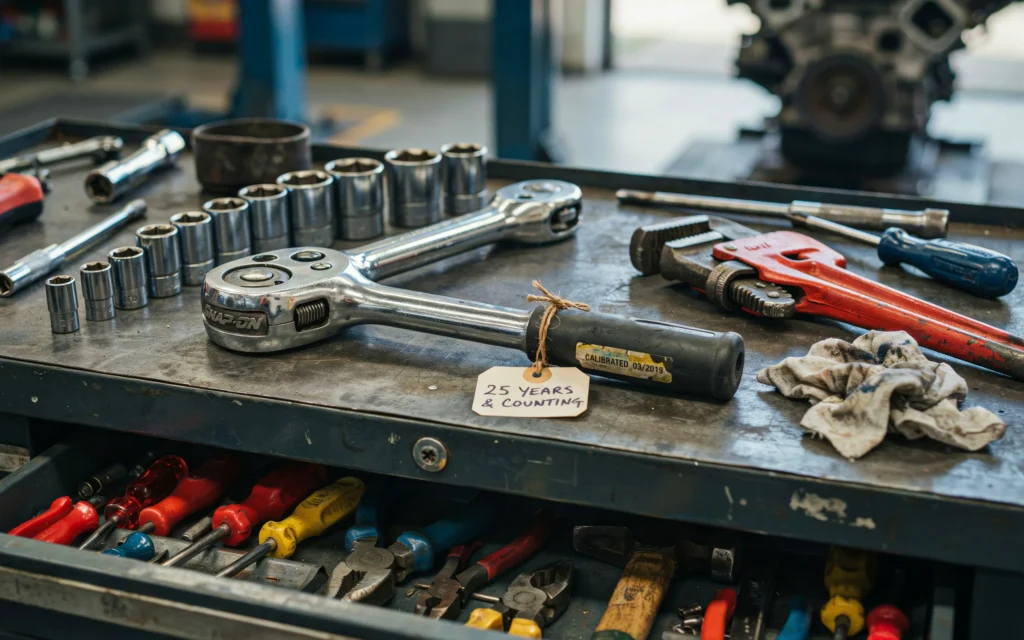
How long do automotive tools like wrenches and sockets last? With quality brands and proper care, these can last multiple decades. The open end of a wrench may spread slightly over time if you use it on extremely tight bolts. Sockets wear at the drive end where the ratchet attaches.
The finish on these tools also matters. Chrome plating protects against rust. Scratches and chips in the chrome expose the steel underneath to moisture. Once rust starts, it accelerates the deterioration.
Using the right tool for the job matters too. A six-point socket grips bolts better than a twelve-point and reduces wear on both the fastener and the tool. Using a wrench that properly fits the bolt head prevents rounding and extends tool life.
Ratchets
The ratcheting mechanism is the weak point in these tools. Internal gears and pawls wear with use. A good ratchet from a quality brand can last 10-15 years of regular use.
Lubrication inside the ratchet head keeps it working smoothly. Some ratchets are sealed and require no maintenance. Others allow you to open and clean the mechanism occasionally.
The direction selector lever can break if forced. Always ensure the ratchet is fully engaged in the desired direction before applying force. This simple habit prevents many failures.
Screwdrivers
Screwdrivers wear at the tip. The specially shaped end that engages with screw heads gradually rounds off. This makes them slip and damage both the tool and the fastener.
Good screwdriver bits can be replaced in many modern systems. This extends the life of the handle indefinitely. For fixed screwdrivers, expect 5-10 years of moderate use before the tip shows significant wear.
Using the correct size screwdriver is essential. A screwdriver that is too small will damage both the screw and the tool. Having a good selection of sizes prevents this problem.
“The cheapest tools are often the most expensive in the long run. Buy quality and take care of it, and your grandchildren will use those same tools.” – Richard Greene, Master Mechanic with 40 years of experience
Power Tools: Electric and Battery Options
Power tools have a different lifespan than hand tools. The electric motor, batteries, and other components wear out eventually.
Corded Electric Tools
Corded tools like grinders, drills, and impact wrenches can last 10-15 years with good care. The motor brushes wear down and need replacement. This is a simple maintenance task for most tools.
Bearings in the motor and gearbox also wear. When they start making noise or feeling rough, replacement is needed. Many people discard the tool instead of replacing bearings, but this is often more economical.
The power cord is vulnerable to damage. Cuts, kinks, and fraying create safety hazards. Replacing a damaged cord is straightforward for someone with basic electrical knowledge.
Cordless Tools
Battery technology changes rapidly. The question of how long do automotive tools last becomes more complex with cordless options. The tool itself may last a decade, but the batteries typically fail after 2-4 years.
Modern lithium-ion batteries have a limited number of charge cycles. Each charge and discharge reduces capacity slightly. After 300-500 cycles, you will notice significantly shorter run time.
Replacement batteries are expensive. Sometimes it makes more sense to buy a new tool kit than to replace batteries alone. This is frustrating but reflects the reality of current battery technology.
Impact Wrenches
These powerful tools take a beating. The impact mechanism experiences tremendous force with every use. Quality impact wrenches can last 8-12 years before the mechanism wears out.
Regular oiling for pneumatic impacts extends life. For cordless electric impacts, keep the tool clean and avoid overheating. Allowing the tool to cool between heavy uses prevents motor damage.
Anvil and drive end wear occurs from socket changes. Using a friction ring or pin detent properly reduces wear. Always ensure the socket is fully seated before operation.
Pneumatic Tools: Air-Powered Options
Air tools remain popular in professional shops. Their design is simpler than electric tools, which often means longer life.
Air Impact Wrenches
These tools can last 10-15 years or more. The motor in a quality air impact wrench is simple and durable. Regular oiling through the air inlet is the most important maintenance task.
Water and debris in the air supply are the biggest enemies. An air dryer and filter at the compressor protect your tools. Without these, moisture causes rust inside the tool.
The hammer mechanism in air impacts wears gradually. After many years of hard use, the impact power decreases. Rebuilding the hammer assembly can restore performance.
Air Ratchets
Air ratchets experience similar wear patterns to manual ratchets but with the added stress of pneumatic power. Expect 8-12 years from a quality air ratchet.
The gear train and clutch mechanism are the main wear points. Keeping the tool well-lubricated extends the life of these components significantly.
Forward/reverse mechanisms can fail if forced. Always allow the tool to stop completely before changing direction. This simple practice prevents damage.
Air Die Grinders and Cut-off Tools
These high-speed tools have bearings that wear out. With regular maintenance, expect 8-10 years of service. The small size of these tools means less metal to absorb heat, which can be a problem.
Collet wear is another issue. The part that holds the bit or wheel gradually loses grip. Replacing collets is inexpensive and restores performance.
“Your air tools are only as good as your air supply. Dry, clean air with the right oil content will make your tools last twice as long.” – Patricia Williamson, Pneumatic Systems Specialist
Lifting Equipment: Jacks and Stands
Safety equipment deserves special attention. How long do automotive tools like floor jacks and jack stands last is critical for safety.
Floor Jacks
Quality floor jacks last 10-20 years. The hydraulic seals degrade over time. When seals fail, the jack slowly drops. This is dangerous and requires immediate repair.
Keeping the jack clean and storing it with the handle in the up position helps extend seal life. Moisture in the hydraulic oil causes rust and seal damage. Regular oil changes every 2-3 years prevent this.
Avoiding overloads is essential. Each jack has a rated capacity that should never be exceeded. Even momentarily overloading the jack causes seal damage.
Jack Stands
Jack stands last virtually forever if they remain in good condition. The only real failure points are the pawl mechanism and the locking pin.
These tools are simple. A chunk of steel will support weight indefinitely. But rust and damage reduce their strength. Inspect stands regularly for bent metal, cracked welds, or heavy rust.
Never use jack stands with visible damage. Replacing a questionable stand is far cheaper than treating injuries from a failure.
Engine Hoists and Engine Stands
These heavy-duty items can last 15-25 years. The hydraulic cylinder in an engine hoist needs similar care to a floor jack. The frame and legs of both tools are essentially permanent unless damaged.
Bolts and locking pins may need replacement over time. These are standard hardware items available at any good hardware store.
Diagnostic Tools and Electronics
Modern automotive work requires diagnostic equipment. This category has the shortest lifespan of any tools in your garage.
Scan Tools and Code Readers
Electronic diagnostic tools become obsolete quickly. How long do automotive tools in this category last? Expect 3-5 years before you need software updates or a new device.
Vehicle technology changes rapidly. New diagnostic protocols appear with each model year. A scanner that works on older vehicles may not communicate with newer cars.
Hardware reliability is generally good. The main issues are software compatibility and connector wear. The OBD-II connector pins can wear out with frequent use.
Multimeters and Test Lights
These basic diagnostic tools last 10-20 years. The movement in analog meters can be damaged by drops. Digital multimeters are more durable but can have display issues over time.
Leads and probes wear out and need replacement. This is normal and expected. Replacing leads is much cheaper than buying a new meter.
Battery Testers
Simple resistive load testers last essentially forever. Electronic battery testers have a lifespan of 5-8 years before components age.
Clamps and cables wear from repeated connection to battery terminals. Keeping connections clean extends the life of these parts.
Tool Storage and Organization
Your tool storage system impacts tool lifespan significantly. How you store your tools matters as much as how you use them.
Tool Boxes and Cabinets
A quality tool box lasts 20-30 years or more. The slides on drawers wear out eventually. Replacing slides is possible for many brands.
Moisture inside the box causes tools to rust. Some tool boxes have built-in moisture control systems. Silica gel packets or desiccant bags are cheap and effective alternatives.
Weight distribution matters. Heavier tools should go in lower drawers. This prevents tipping and reduces wear on drawer slides.
Wall Organizers and Pegboards
These storage solutions last nearly forever. Pegboard hooks and holders may need replacement when they become loose or rusted.
Plastic organizers crack over time. The UV light in direct sunlight makes plastics brittle. Metal organizers are more durable in well-lit garages.
Tool Bags and Rollers
Portable storage experiences more wear than stationary boxes. Zippers fail, seams tear, and handles break. Expect 3-5 years from a frequently used tool bag.
Quality materials extend this lifespan. Heavy canvas or ballistic nylon lasts longer than cheap polyester. Good stitching and reinforced stress points make a difference.
Environmental Factors Affecting Tool Longevity
The environment in your garage or shop plays a huge role in tool lifespan. Consider these factors carefully.
Temperature
Extreme temperatures affect tools in different ways. Heat causes oils to thin and evaporate. Cold makes metal brittle and oils thick.
Storage in a climate-controlled space is ideal. If your garage is attached to your house, it will generally maintain a moderate temperature. Detached garages experience more extreme conditions.
Humidity
Moisture is the enemy of metal tools. Rust forms quickly in humid environments. This is especially problematic for air tools that already have moisture from the air supply.
Dehumidifiers help in damp climates. Desiccant packs in tool drawers and boxes absorb moisture. Even a small fan circulating air helps prevent condensation.
Dust and Contaminants
Dust gets into moving parts and acts as an abrasive. This accelerates wear in ratchets, power tools, and air tools.
Keeping tools covered when not in use helps. Tool box drawers should be closed. Using a clean workbench area reduces exposure to contaminants.
Chemicals
Automotive fluids are harsh on tools. Brake fluid, transmission fluid, and solvents all damage finishes. Wipe tools immediately if they contact these chemicals.
Grease and oil actually protect tools in many ways. A light film of oil prevents rust. Too much grease attracts dirt, so balance is important.
Maintenance Practices That Extend Tool Life
Good maintenance significantly extends how long do automotive tools last. These practices take little time but pay big dividends.
Cleaning
Wipe tools after each use. A rag with a bit of oil removes dirt and provides rust protection. For stubborn dirt, use a brush and mild solvent.
Air tools need internal cleaning occasionally. Disassemble, clean with solvent, and relubricate. This is easier than it sounds for most pneumatic tools.
Lubrication
Moving parts need proper lubrication. Oil ratchets through the oil port. Grease drawer slides. Oil air tools before and after each use.
Use the right lubricant for the job. Air tool oil is specifically designed to work with pneumatic mechanisms. General-purpose oil may not provide adequate protection.
Inspection
Check tools regularly for damage. A crack in a socket could fail catastrophically. A frayed power cord is a fire hazard. Bent wrenches lose their accuracy.
Repair or replace damaged tools immediately. Continuing to use damaged tools often leads to injury or damage to your vehicle.
Proper Use
Using the right tool for the job prevents damage. A screwdriver is not a pry bar. A ratchet is not a hammer. Chrome sockets should not be used with impact tools.
Apply force correctly. Pull a wrench toward you so you can control it. Use the proper stance for stability. These habits prevent tool damage and personal injury.
“Most tool failures I see are from misuse, not wear. People use the wrong tool, break it, and blame the tool manufacturer. Learn to use tools properly and they will last.” – Marcus Johnson, Tool Design Engineer
Investment Strategy: Quality Versus Quantity
Balancing your tool budget requires thinking about long-term value. Here are some guidelines.
Tools to Spend Money On
Quality matters most for frequently used tools. Your favorite ratchet, the sockets you use daily, and your go-to impact wrench deserve investment. Spending more on these tools is wise.
Safety equipment is another area where quality matters. Jack stands, lifting equipment, and eye protection should never be compromised. There is no replacement for safety.
Tools to Save Money On
Rarely used tools can be lower quality. That special socket you use once a year doesn’t need professional grade. A basic multimeter works fine for occasional use.
Specialty tools for one-time jobs are often better rented or borrowed. Buying cheap specialty tools that fail frustrates you. Buying expensive ones wastes money on tools you rarely use.
Replacement Strategy
Replace tools when they affect your work quality. A worn socket that rounds bolt heads needs replacement. A ratchet that slips should be fixed or replaced.
Consider the cost of replacement versus repair. Many tools have rebuild kits available. Rebuilding is often cheaper and more environmentally friendly.
Signs Your Tools Need Replacement
Recognizing when to replace tools prevents frustration and injury. Watch for these signs.
Hand Tool Warning Signs
Bent wrenches or breaker bars indicate damage. The tool has lost strength and may fail suddenly. Replace these tools.
Worn open ends on wrenches will round bolts. If the wrench slips on a bolt head, it’s time for replacement. This slippage damages the fastener too.
Cracked sockets are dangerous. The crack could propagate under load, causing the socket to shatter. Discard cracked tools immediately.
Rounded drive ends on sockets and extensions slip in the ratchet. This damages both the socket and the ratchet. Replace worn drive ends.
Power Tool Warning Signs
Excessive sparking from the brushes indicates they are nearly worn out. If you can service the tool, replace the brushes. If not, consider replacement.
Overheating during normal use suggests internal wear. Bearings may be failing or the motor may be drawing too much current.
Unusual noises like grinding or squealing indicate mechanical problems. These sounds mean internal damage is occurring.
Diagnostic Tool Warning Signs
Inconsistent readings suggest calibration issues or internal problems. Compare readings with a known good tool to verify accuracy.
Display problems make the tool difficult to use. Fading screens or missing segments indicate display failure.
Frequently Asked Questions
What is the average lifespan of mechanic’s tools?
Quality hand tools like wrenches and sockets can last 15-25 years with proper care. Power tools average 8-12 years. Battery-powered tools have the shortest lifespan due to battery degradation, typically 2-4 years for batteries and 8-10 years for the tool itself.
How often should I replace my automotive tools?
Replace tools when they show signs of wear that affect performance. Wrenches that slip on bolt heads need replacement. Ratchets that skip or fail to engage properly need service or replacement. Power tools should be replaced when repairs cost more than replacement value.
Do expensive tools last longer than cheap ones?
Generally yes. Premium brands use better steel, better heat treatment, and better manufacturing processes. But how long do automotive tools last also depends on care and usage. A quality tool abused daily may fail sooner than a basic tool used gently.
Can tools be repaired instead of replaced?
Yes. Many tools have rebuild kits available. Ratchets, impact wrenches, and air tools are often rebuildable. Hand tools with broken handles can sometimes be replaced. The economics of repair versus replacement depend on tool value and part availability.
How does rust affect automotive tool lifespan?
Rust damages tool surfaces and reduces strength. Surface rust on a wrench doesn’t significantly affect function but looks bad. Pitting from rust creates weak points that can fail. Regular maintenance prevents rust from becoming a problem.
Should I buy tools with lifetime warranties?
Lifetime warranties provide peace of mind. But read the fine print carefully. Some warranties only cover manufacturing defects. Others cover wear and tear. Brand reputation matters as much as warranty terms.
How do I know if a socket is worn out?
A worn socket will slip on bolt heads or round them. You may notice the socket fitting loosely. The interior surfaces may show visible wear, especially the points that contact the bolt. Worn sockets damage fasteners and should be replaced.
Conclusion
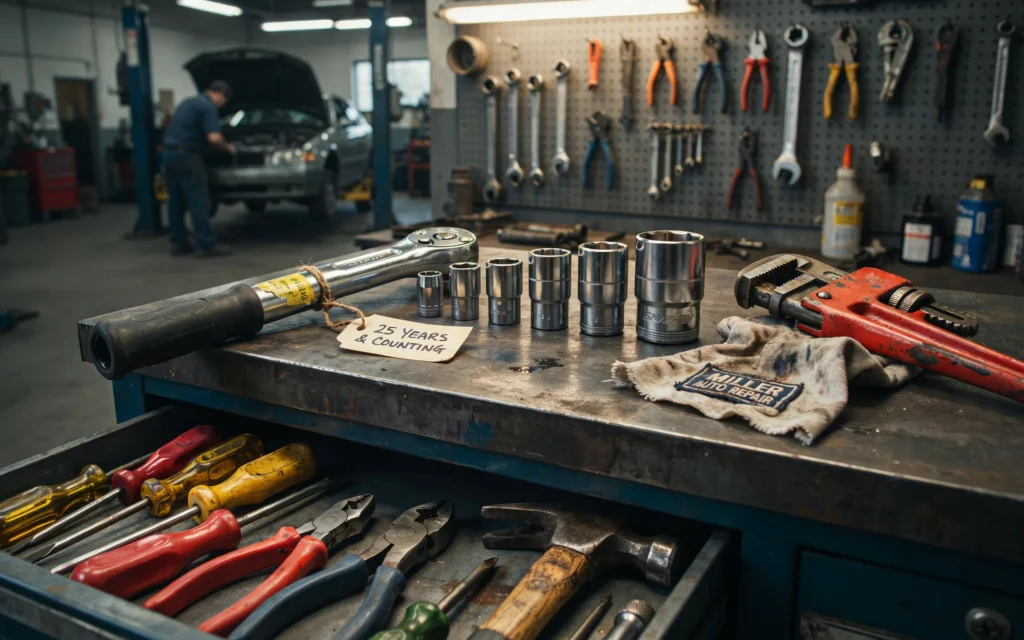
How long do automotive tools last truly depends on the quality of the tool, how often you use it, and how well you care for it. Quality hand tools from reputable brands can serve multiple generations if properly maintained. Power tools offer many years of service but eventually need repair or replacement. Electronic diagnostic tools have the shortest practical lifespan due to technological change.
The key to maximizing tool lifespan is thoughtful care. Clean your tools after each use. Store them properly in a dry environment. Use the right tool for each job. Inspect tools regularly and address issues promptly.
Invest in quality for tools you use frequently. A good ratchet may cost twice as much as a budget one but last five times longer. The long-term savings are substantial.
Professional mechanics rely on their tools daily. Knowing how long do automotive tools last helps with planning. Budgeting for replacements, scheduling maintenance, and knowing when to repair versus replace are all valuable skills.
Your garage is an investment. Treat your tools with respect and they will reward you with reliable service for many years. Whether you are a weekend DIYer or a full-time professional, your tools deserve proper care.
Take the time now to evaluate your tool collection. Clean anything that’s dirty. Lubricate moving parts. Replace damaged items. Your future self will thank you when you reach for a tool and it works perfectly.
The journey of tool ownership is continuous. Learn from each tool you own. Share your knowledge with others. Help new mechanics understand the value of proper tool care. Together we can make our tools last longer and our work easier.
Quick Reference Table: Maintenance Frequency
| Tool Category | Cleaning Frequency | Lubrication Frequency | Inspection Frequency |
|---|---|---|---|
| Hand Wrenches | After each use | N/A | Monthly |
| Sockets | After each use | N/A | Monthly |
| Ratchets | After each use | Every 3 months | Monthly |
| Electric Tools | After each use | N/A | Every 3 months |
| Air Tools | After each use | Daily, before and after use | Monthly |
| Floor Jacks | Monthly | Every 2 years | Before each use |
| Jack Stands | Monthly | N/A | Before each use |
| Diagnostic Tools | As needed | N/A | Annually |
Final Thoughts
Your tools are essential partners in every automotive project. They deserve your attention and care. By understanding how long do automotive tools last and what affects their lifespan, you can make better purchasing decisions and extend the life of your current tools.
Start with quality tools for your most common tasks. Add specialty tools as needed. Maintain everything properly. Replace items when they no longer perform well.
The satisfaction of using a good tool that fits right and works correctly is hard to describe. That satisfaction makes every automotive project more enjoyable and successful.
I hope this guide helps you get the most from your tool collection. Every mechanic, from beginner to expert, benefits from tools that work reliably when needed. Happy wrenching and may your tools serve you well for many years to come.
Related posts
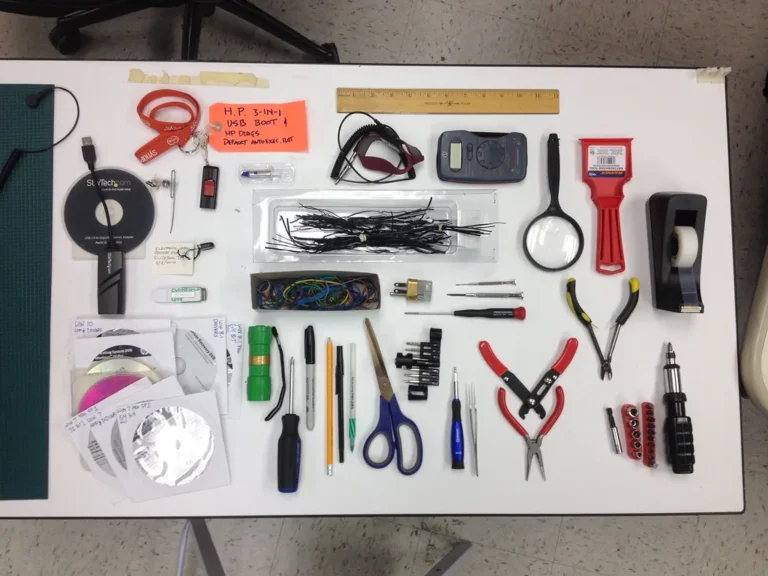 Top Starter Mechanic Tool Kits for Apprentices: Essential Sets for Your Trade
Explore top starter mechanic tool kits for apprentices. Compare sets for mechanics, electricians, and other trades to find your essential tools. Starting an apprenticeship is an…
 Automotive Tool Kits vs. Mechanic Tool Sets: What’s the Difference?
Understand the key differences between automotive tool kits vs. mechanic tool sets. Learn which is best for your car maintenance needs. When looking for tools to…
 Top Automotive Tool Kits for Garage Workshops: A Buyer’s Guide
Find the top automotive tool kits for garage workshop. Compare versatile sets for car maintenance, home repairs, and DIY projects to choose the best fit. Setting…