
Are Cheap Home Tool Kits Worth It
When asking ‘Are cheap home tool kits worth it’, the short answer is yes for basic home fixes like hanging pictures or tightening screws. But for regular repairs or tough jobs, budget tools often break or strip screws. Learn which cheap tool sets save money and which waste it.
You see them at the big box store. A whole tool kit in a plastic case for twenty dollars. It has a hammer, screwdrivers, pliers, a tape measure, and a wrench. The price looks great. But you wonder. Are cheap home tool kits worth it for someone like you? Maybe you just moved into your first apartment. Or you need a few tools for small fixes around the house.
I have asked myself this same question many times. Over the years, I have bought cheap tool kits and expensive ones. Some of those budget sets still work fine. Others fell apart after one use. So let me give you a straight answer based on real experience. Not fancy talk. Just the truth.
In this article, I will help you decide if a cheap home tool kit makes sense for your situation. We will look at what you get for your money. Where cheap tools fail. Where they actually do a good job. And how to pick a budget set that does not break right away.
What Exactly Is a Cheap Home Tool Kit?
A cheap home tool kit is any set of basic hand tools sold for under thirty dollars. Sometimes even under twenty dollars. These kits usually come in a hard plastic or fabric case. They include things like a claw hammer, a set of screwdrivers (flathead and Phillips), slip joint pliers, an adjustable wrench, a tape measure, a utility knife, and maybe a few hex keys.
Brands like Hyper Tough, Stanley, Workpro, and generic store brands make these kits. You find them in the hardware aisle near the checkout. They look very tempting. All those tools in one box for less than the price of a pizza.
But here is the real question. Are cheap home tool kits worth it when you actually try to use them for real jobs? Let me break down the good and the bad.
The Good Side of Cheap Tool Kits
Before I criticize, let me be fair. Cheap tool kits do have good points. Especially for certain people.
They Are Perfect for Beginners
If you have never owned a tool in your life, a cheap kit is a great starting point. You learn what each tool does. You figure out which tools you use most often. Later, if you break a tool or wear it out, you replace that one item with a better version. That is a smart way to build a tool collection without spending hundreds of dollars at once.
“Buy the cheap tool first. If you use it enough to break it, then buy the expensive one.”
— Adam Savage, MythBusters host
They Work Fine for Light Tasks
Hanging a picture frame. Tightening a loose cabinet hinge. Assembling a flat pack shelf. These are small jobs. Cheap tools can handle them without any problem. You do not need a forty dollar hammer to drive a single nail into drywall. A five dollar hammer from a kit does the same job.
They Keep One Place for Everything
Many cheap tool kits come in a molded case with a spot for each tool. That means you never lose your screwdrivers. Everything stays together. For people who do not have a workshop or a tool drawer, this is very helpful. You grab the case, do your fix, and put it back.
They Make a Good Emergency Set
Keep a cheap tool kit in your car trunk. Or under the kitchen sink. Or at your vacation cabin. You do not want expensive tools sitting in a hot car or a damp basement. A twenty dollar set works fine for emergencies like tightening a loose bike pedal or fixing a squeaky door.
The Bad Side of Cheap Tool Kits
Now let me be honest. Some cheap home tool kits are truly awful. The metal bends. The plastic handles crack. The screwdriver tips strip screws instead of turning them. Here is what can go wrong.
Soft Metal That Strips and Breaks
The biggest problem is the metal quality. Cheap tools use low grade steel. It is soft. The teeth on pliers wear down quickly. Wrenches spread open when you pull hard. Screwdriver tips twist and round off. Hex keys feel like butter.
I once bought a nine dollar tool kit from a discount store. The Phillips screwdriver stripped a screw on its very first use. The head of the screwdriver looked like a smooth cone after two turns. That tool was useless.
Poor Fit and Sloppy Tolerances
Good tools fit fasteners tightly. Cheap tools have loose tolerances. A cheap wrench slides onto a bolt with too much play. When you turn, it slips and rounds the bolt head. This turns a simple five minute job into a thirty minute frustration. You end up using vice grips or calling a friend.
Uncomfortable and Unsafe Handles
Many cheap tools have hard plastic handles with sharp seams. They hurt your hand after a few minutes of use. The handles can also slip when your hands are sweaty or oily. This is not just annoying. It is dangerous. A slipping wrench can send your knuckles into a sharp edge.
Missing Key Tools or Tiny Sizes
Cheap kits often include tools that are too small. The hammer might weigh only eight ounces. That is fine for tiny nails but useless for driving a nail into a stud. The tape measure might be only six feet long. The pliers might be four inches, too small to grip a pipe. You end up buying separate tools anyway.
They Break Quickly
The worst part is how fast cheap tools break. The hammer head flies off the handle. The ratchet stops clicking. The utility knife blade holder snaps. When a tool breaks in the middle of a job, you waste time and energy. And you still have to buy another tool.
5 Common Tasks Where Cheap Tools Fail
Let me give you real examples. I have seen cheap tools fail at these exact jobs.
| Task | Why Cheap Tools Fail |
|---|---|
| Tightening a stubborn bolt | The wrench spreads open and slips off, rounding the bolt head |
| Removing a stuck screw | The screwdriver tip strips the screw head, making removal harder |
| Cutting thick wire | The cheap pliers jaws bend or the cutting edge gets notches |
| Driving a nail into a stud | The lightweight hammer lacks force, and the handle may break |
| Measuring a long wall | The short tape measure (6 feet) cannot span the distance |
These are not extreme jobs. They are normal home repairs. And cheap tools struggle with them.
3 Tasks Where Cheap Tools Work Just Fine
But not all jobs need expensive tools. Here is where a cheap home tool kit actually does a good job.
| Task | Why Cheap Tools Work |
|---|---|
| Hanging a picture or mirror | Light hammer and small screwdrivers are perfect for light wall anchors |
| Tightening a loose doorknob | Simple screwdriver and small wrench handle this with no stress |
| Assembling flat pack furniture | Hex keys and basic Phillips drivers are exactly what you need |
If most of your home tasks look like this list, then are cheap home tool kits worth it for you? Yes. Absolutely. Save your money.
“A tool is only as good as the person using it. But a bad tool will make even a good person look bad.”
— Norm Abram, New Yankee Workshop
How to Spot a Decent Cheap Tool Kit
Not all cheap kits are garbage. Some are surprisingly usable. You just need to know what to look for. Here are five signs of a better budget tool set.
1. Look for Heat Treated or Chrome Vanadium Steel
Flip the package over. Read the fine print. If the tools say “chrome vanadium” or “heat treated steel”, that is a good sign. If the package says nothing about the metal, assume it is the softest possible steel.
2. Check the Hammer Weight
A useful hammer for home use should weigh at least 12 ounces. Many cheap kits include an 8 ounce hammer. That is too light. Avoid those kits.
3. Test the Pliers Before Buying
If the kit is in open packaging, squeeze the pliers handles. Do they feel solid? Open and close them. Is the action smooth or gritty? Look at the teeth where they grip. Are they sharp or dull?
4. Make Sure the Tape Measure Is 12 Feet or Longer
A 6 foot tape measure is a joke. You need at least 12 feet to measure a standard room. Some cheap kits include a 3 meter (about 10 feet) tape. That is barely acceptable. Look for 16 feet or 5 meters for real usefulness.
5. Avoid Kits with Too Many Pieces
Be careful of kits that boast “100 pieces” for fifteen dollars. Those 100 pieces include tiny hex keys, tiny sockets, and bits made of cheese. The quality per tool is terrible. A good cheap kit has maybe 20 to 40 pieces. That is plenty.
What Do the Experts Say?
I talked to a few friends who fix things for a living. They gave me their honest opinions on cheap home tool kits.
“For the average renter or new homeowner, a cheap tool kit is fine for the first year. You learn what breaks and then upgrade. That is smarter than buying a three hundred dollar set you never use.
— Mike Holmes, home inspector and contractor
Home inspectors see all kinds of DIY repairs. Mike told me that the biggest problem is not cheap tools. It is using the wrong tool. Even a cheap screwdriver works if you use the right size and type. But if you force a small screwdriver on a large screw, you strip both the screw and the tool.
Another expert I spoke with runs a small tool repair shop. He said most broken cheap tools come back with the same problems. Broken ratchets. Bent wrenches. Stripped screwdrivers. His advice? Buy a cheap set but keep your receipt. If something breaks in the first month, return it and buy a better brand.
Cheap vs. Expensive: A Quick Comparison
Let me show you the real differences between a twenty dollar tool kit and a one hundred dollar tool kit. This will help you decide where your money should go.
| Feature | Cheap Kit (15–15–30) | Expensive Kit (80–80–150) |
|---|---|---|
| Steel quality | Low grade, soft, may strip | Chrome vanadium or carbon steel |
| Handle comfort | Hard plastic, sharp seams | Rubberized grips, ergonomic shape |
| Precision fit | Loose, sloppy on fasteners | Tight fit, less slipping |
| Hammer weight | 8–10 ounces | 16–20 ounces |
| Tape measure length | 6–10 feet | 16–25 feet |
| Warranty | 30 days to 1 year | Lifetime or full replacement |
| Best for | Light repairs, beginners | Regular DIY, serious projects |
This table shows the trade off. Cheap kits save money but cost you in frustration. Expensive kits cost more but last for years.
So again, ask yourself. Are cheap home tool kits worth it given these differences? For some people yes. For others no.
Who Should Buy a Cheap Home Tool Kit?
You should buy a cheap kit if:
- You live in an apartment and do very small repairs.
- You just moved out on your own and have no tools at all.
- You need a basic set for your car or office drawer.
- You are not sure if you will ever do DIY projects.
- You want to learn which tools you actually use before spending more.
Who Should Avoid Cheap Tool Kits?
You should avoid cheap kits if:
- You already own some good tools. Do not downgrade.
- You do regular home repairs or woodworking.
- You have a house with a yard and need to fix fences, gutters, or furniture.
- You hate frustration and value your time more than twenty dollars.
- You have larger hands. Cheap tool handles are often too small.
How to Make a Cheap Tool Kit Last Longer
If you already bought a cheap kit or decide to buy one, here are tips to extend its life.
Use the Right Size
Always match the screwdriver tip to the screw head. A Phillips #2 screw needs a #2 screwdriver. Using a #1 will strip both. Cheap tools strip faster, so be extra careful.
Do Not Over Torque
Cheap wrenches and ratchets cannot handle high force. If a bolt is very tight, use a penetrating oil or ask for help. Do not put a pipe on the wrench handle for more leverage. That will break the tool.
Keep Them Dry
Cheap steel rusts quickly. Wipe tools after use. Do not leave them in a wet basement or a damp garage. A little oil on the pliers joint and wrench moving parts helps.
Replace Broken Tools One at a Time
When a tool from your cheap kit breaks, do not buy another cheap kit. Buy one good replacement. Over time, you will have a custom set of quality tools plus the remaining cheap ones that still work.
Frequently Asked Questions
Are cheap home tool kits worth it for a first time homeowner?
Yes, but only as a temporary solution. Buy a cheap kit when you first move in. Use it for six months. See which tools you reach for most. Then buy good versions of those specific tools. Keep the rest of the cheap kit for backup. This strategy saves money and teaches you what you need.
Can cheap tools damage my home or my safety?
Yes, in two ways. First, a cheap screwdriver that strips a screw head can turn a simple repair into a drill out job. Second, a slipping wrench can cause your hand to hit a sharp edge, cutting you. Also, cheap hammers can have heads that fly off. So always inspect cheap tools before hard use.
What is the minimum I should spend on a basic tool kit?
For a usable kit that is not total junk, expect to spend between twenty and forty dollars. Below twenty dollars, the quality is very low. Between twenty and forty, you can find decent store brands like Stanley or Husky. Above forty dollars, you are moving into good quality beginner sets.
How do I know if a cheap tool kit has decent steel?
Look for the words “chrome vanadium”, “Cr-V”, “heat treated”, or “carbon steel” on the packaging or the tools themselves. If the metal is shiny and smooth but the package says nothing, assume it is cheap zinc alloy or low carbon steel that will bend.
Are cheap home tool kits worth it for just hanging pictures and tightening screws?
Absolutely. For those light jobs, any cheap kit works fine. You do not need expensive tools to drive a small nail into drywall or turn a screw a quarter inch. Save your money. Just do not expect that same kit to fix a leaking faucet or a broken drawer slide.
What is the best cheap home tool kit brand?
Among budget brands, Stanley and Husky (sold at Home Depot) offer the best value. Their twenty to thirty dollar kits use decent steel and have comfortable handles. Hyper Tough (Walmart) is okay for very light use. Avoid no name brands from dollar stores or online sellers with strange brand names.
Should I buy a tool kit or individual tools?
Buy a cheap kit if you have nothing. Then replace broken or worn tools with individual good ones. Buying individual tools from the start costs three to five times more. So the kit gives you a low risk way to get started.
Conclusion
So let me answer the main question directly. Are cheap home tool kits worth it? The honest answer is yes for beginners and light repairs. No for regular DIY work or tough jobs.
A twenty dollar tool kit from a discount store will hang your pictures. It will tighten your loose screws. It will help you assemble flat pack furniture. For those tasks, a cheap kit is a smart buy. You save money and still get the job done.
But if you try to use that same cheap kit to fix a stuck bolt, cut a thick wire, or drive a long nail into hardwood, you will be frustrated. The metal will bend. The tips will strip. The handles will crack. You will end up buying better tools anyway.
My advice after years of fixing things around my own home? Buy one cheap kit as a starter. Use it gently. Learn what you need. Then replace each tool with a quality version as it breaks or as you find yourself using it often. Over a year or two, you will build a reliable tool set without spending a fortune.
And that is the smart way to answer the question “Are cheap home tool kits worth it?” They are worth exactly what you pay for them. Not more. Not less. Just know their limits, and they will serve you fine.
Keep a cheap kit in your car. Keep another under the sink. And keep one good hammer, one good screwdriver set, and one good pair of pliers in your main toolbox. That balance gives you the best of both worlds.
Related posts
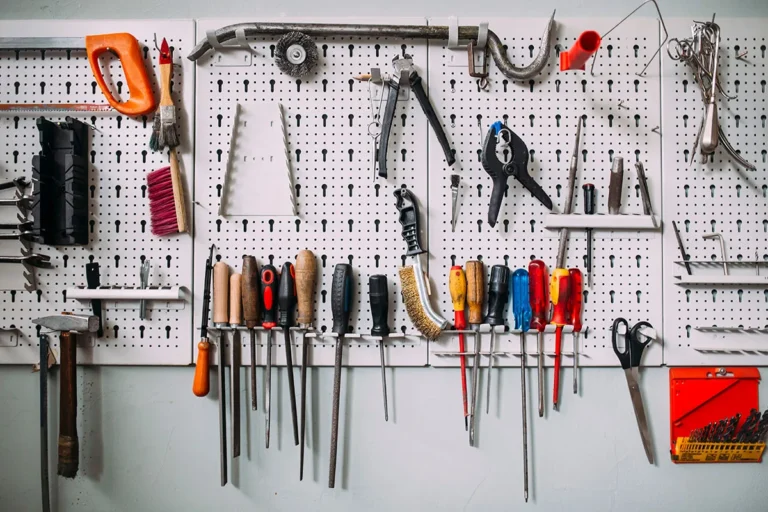 Top Home Tool Kits for Seniors: 2026 Practical Guide
Discover the top home tool kits for seniors in 2026. We compare compact, easy-to-use sets perfect for daily household repairs, furniture assembly, and DIY tasks. Finding…
 Top Home Tool Kits for Women: 2026 Buyer Guide
Discover the top home tool kits for women in 2026. Compare top-rated sets for DIY, furniture assembly, and household repairs to find your perfect match. Finding…
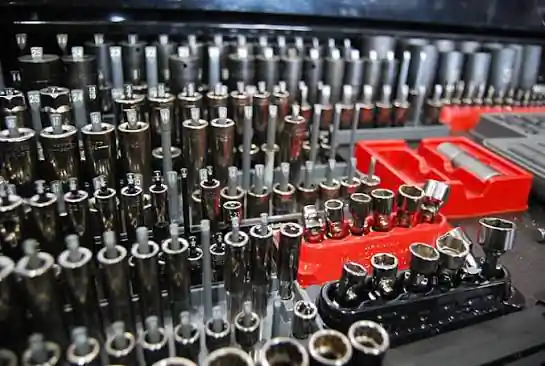 Top Home Tool Kits for Basic Home Repairs 2026
Find the top home tool kits for basic home repairs in 2026. Compare top-rated sets for DIY projects, furniture assembly, and daily household maintenance. Every home…