
Why Tool Organization Matters: How Smart Storage Saves Time and Money

Tool organization is far more than a matter of visual neatness. At its core, keeping your tools structured directly impacts your safety, your wallet, and the amount of time you spend actually completing a project. When every wrench, screwdriver, and power tool has a designated home, you eliminate the friction of searching through cluttered drawers or piles of loose gear.
For anyone working in a garage, workshop, or professional job site, a disorganized space acts as a constant drain on productivity. Finding a specific socket shouldn’t require a ten-minute search. By establishing a clear organization system, you protect your tools from premature wear, create a safer working environment, and keep your projects moving forward without unnecessary interruptions.
Safety checks
- Misplaced tools waste valuable project time and cause unnecessary frustration.
- Cluttered workspaces are a primary source of easily preventable workshop injuries.
- Proper storage protects sensitive tools from moisture, dust, and impact damage.
- An organized system prevents you from buying duplicate tools you already own.
| Topic | When it helps | What to keep in mind |
|---|---|---|
| Time Efficiency | Busy DIYers and professionals working on tight schedules. | Avoid overly complex sorting systems that take too much effort to maintain daily. |
| Financial Protection | Budget-conscious homeowners and workshop managers. | Do not buy storage containers before sorting your tools; you might buy the wrong sizes. |
| Tool Longevity | Owners of expensive power tools and precision hand tools. | Moisture trapped in sealed plastic bins can accelerate rust if tools are put away damp. |
The Hidden Costs of a Messy Workspace
A disorganized workspace is a quiet drain on your resources. Every minute spent searching for a misplaced tool is a minute lost on your project. Over a year, those lost minutes easily add up to hours of wasted labor. For professionals, this directly translates to lost revenue and delayed jobs. For hobbyists, it turns a relaxing weekend project into a frustrating chore.
Furthermore, clutter leads to premature tool replacement. When tools are piled on top of one another, cords get pinched, plastic casings crack, and small accessories disappear. Keeping your tools organized ensures you know exactly what you own and what condition it is in.
Imagine needing to hang a picture frame but spending twenty minutes looking for a stud finder, only to give up and buy a new one at the local hardware store.
Assuming that organizing tools is a waste of working time, when it actually pays back that time during the very next project.

- Wasted time searching for common items like pencils, tape measures, and utility knives.
- Money spent on duplicate tools that were merely buried under clutter.
- Project delays caused by missing specialized parts or bits.
- Frustration and loss of creative momentum during builds.
| Workspace Condition | Average Search Time | Tool Lifespan | Risk of Duplication |
|---|---|---|---|
| Highly Organized | Under 10 seconds | Maximum (protected from impact/moisture) | Very Low |
| Moderately Organized | 1 to 2 minutes | Average (some wear from loose storage) | Low to Moderate |
| Cluttered / Unorganized | 5+ minutes | Shortened (frequent drops, scratches, rust) | High |
Safety First: How Clutter Causes Accidents
Safety is perhaps the most critical reason why tool organization matters. A cluttered workbench or floor is an accident waiting to happen. Tripping over extension cords, slipping on loose sockets, or dropping heavy power tools because they were balanced precariously on a shelf are all common workshop hazards.
When tools are organized, sharp edges are shielded, heavy items are stored securely at waist level, and walkways remain clear. This simple discipline drastically reduces the risk of cuts, puncture wounds, and fall injuries.
Reaching blindly into a deep, unorganized drawer filled with loose utility knives, chisels, and screwdrivers, resulting in a painful cut.
Storing sharp tools pointing upward in open bins where hands can easily make contact with blades.
- Keep sharp tools like chisels, saws, and knives in dedicated slots or sheaths.
- Store heavy power tools on lower shelves to prevent them from falling on your head or feet.
- Ensure power cords are coiled and stored away from high-traffic walking paths.
- Avoid stacking items too high on open shelves where they can easily tip over.
Extending the Lifespan of Your Gear
Tools are an investment, and proper storage is a form of preventative maintenance. Environmental factors like humidity, dust, and extreme temperature swings can ruin sensitive electronics and corrode metal surfaces. When tools are left exposed on a workbench, they collect sawdust and moisture, which accelerates rust.

By using closed toolboxes, drawer liners, and climate-controlled storage areas, you shield your gear from these elements. Precision tools, in particular, require stable storage to maintain their accuracy over time.
Leaving a high-end cordless drill on a damp concrete floor, leading to battery degradation and internal rust, compared to storing it in a dry, molded plastic case.
Storing precision measuring tools like calipers or torque wrenches loose in a drawer with heavy hammers and pry bars.
- Use foam drawer inserts to keep precision tools from shifting and colliding.
- Wipe down hand tools with a light coat of oil before storing them in humid environments.
- Keep batteries for cordless tools in a dry, temperature-controlled space rather than a freezing garage.
- Store delicate diagnostic equipment in padded, hard-shell cases.
Practical Systems to Start Organizing Today
You do not need an expensive, custom-built workshop to achieve excellent tool organization. The best systems are simple, intuitive, and easy to maintain. Start by grouping your tools by category: hand tools, power tools, fasteners, and safety gear. Once grouped, decide on the best storage medium for each type.
Vertical storage is highly efficient for small spaces. Pegboards and wall-mounted slats keep tools off your workbench while keeping them within arm’s reach. For mobile needs, a rolling tool cart allows you to bring your most common tools directly to your work area.
Using a simple pegboard with outlined shapes (shadow boarding) so you instantly know if a tool is missing at the end of the day.

Trying to organize the entire workshop in one day instead of tackling one drawer or category at a time.
- Pegboards: Ideal for hanging frequently used hand tools like hammers, pliers, and wrenches.
- Clear Plastic Bins: Perfect for sorting fasteners, tape, and specialty cleaning supplies so you can see the contents at a glance.
- Drawer Organizers: Use shallow trays to keep screwdrivers and sockets from rolling around.
- Labeling: Label drawers and bins clearly so anyone using the space knows exactly where tools belong.
Focus on the direct benefits
Time Efficiency. Drastically Reduced Search Time
An organized workspace ensures that every tool is visible and accessible. Instead of rummaging through a deep toolbox, you can grab the exact tool you need in seconds, keeping your momentum high.
- Busy DIYers and professionals working on tight schedules.
- Avoid overly complex sorting systems that take too much effort to maintain daily.
- Use open storage like pegboards for your most frequently used hand tools.
- Time Saved – High
- Setup Effort – Moderate
Financial Protection. Prevention of Duplicate Purchases
When tools are buried, it is easy to assume they are lost. Many people end up buying duplicate tape measures, screwdrivers, or specialty drill bits simply because they cannot find the ones they already own.
- Budget-conscious homeowners and workshop managers.
- Do not buy storage containers before sorting your tools; you might buy the wrong sizes.
- Group similar items together before purchasing any bins or drawer organizers.
- Cost Savings – Immediate
- Setup Effort – Low
Tool Longevity. Protection from Wear and Environmental Damage
Tools thrown loosely into a drawer scrape against each other, dulling sharp edges and damaging delicate calibration. Proper storage protects tools from impact, dust, and moisture.
- Owners of expensive power tools and precision hand tools.
- Moisture trapped in sealed plastic bins can accelerate rust if tools are put away damp.
- Use silica gel packets in closed toolboxes to absorb excess moisture.
- Tool Lifespan – Extended
- Setup Effort – Moderate
FAQs
Why is proper tool storage important?
Proper tool storage protects your tools from environmental damage like rust and dust, prevents accidental injuries from exposed blades, and saves you time by keeping your workspace clear and predictable.
How does organizing tools save money?
It prevents you from buying duplicate tools when you cannot find the originals. It also extends the lifespan of your current tools by protecting them from drops, moisture, and impact damage.
What is the easiest way to start organizing a messy workshop?
Start small. Choose one drawer, shelf, or tool category (like screwdrivers) to sort and organize. Group similar items together, discard broken tools, and assign a permanent home to the remaining items before moving on to the next section.
How does tool organization improve safety?
It keeps sharp blades shielded, removes tripping hazards like loose cords or sockets from the floor, and ensures heavy power tools are stored securely where they cannot fall and cause injury.
Conclusion
Taking the time to organize your tools is an investment that pays immediate dividends. By transforming a chaotic workspace into a structured environment, you protect your physical safety, preserve the life of your valuable gear, and eliminate the daily frustration of searching for misplaced items.
You do not need to tackle your entire workshop at once. Start by organizing your most frequently used hand tools on a simple pegboard or in a single drawer. Once you experience the ease of working in an organized space, maintaining the system will become a natural, rewarding habit.
Related posts
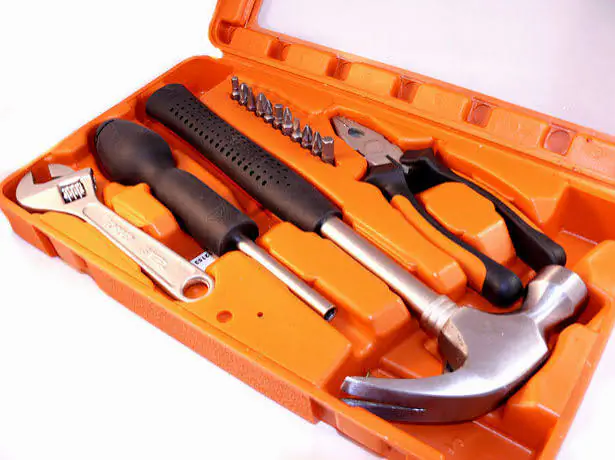 Which Tool Kit Is Worth Buying? How to Choose the Right Set for Your Home
Wondering which tool kit is worth buying? Compare basic household sets, mechanic kits, and power tool combos to find the best tools for your budget and…
 Which Hand Tools Are Made in the USA? Reliable Brands and Buying Rules
Discover which hand tools are still made in the USA. Compare top domestic brands, tool categories, and learn how to verify origin labels before buying. Several…
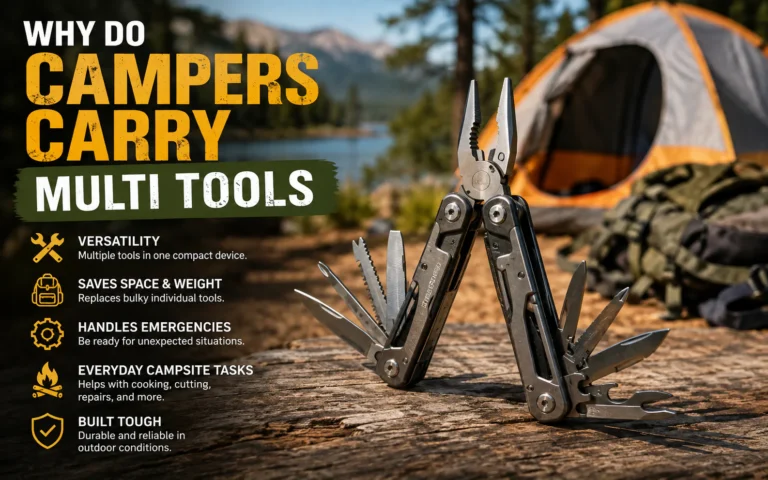 Why Do Campers Carry Multi Tools? Practical Uses in the Field
Why do Campers carry multi tools to handle gear repairs, campsite setup, food prep, and field fixes with minimal weight. Here is why one belongs in…