
How to Keep a Multi Tool Sharp: Practical Care and Sharpening Steps

Keeping a multi-tool sharp requires a mix of preventative cleaning, proper cutting technique, and regular touch-ups with the right sharpening tools. Whether you are dealing with a pocket multi-tool or an oscillating power multi-tool, blades dull quickly when subjected to dirt, excessive heat, and improper force.
To keep your multi-tool in peak cutting condition, clean off sap and debris immediately after use, apply a light coat of protective oil, and use a diamond file or sharpening stone to hone the edge at the first sign of resistance. Taking five minutes for basic maintenance prevents the metal from wearing down prematurely and saves you from buying expensive replacement blades.
Difference between pocket multi-tools and
- Clean your blades immediately after cutting sappy wood or adhesive materials.
- Never force a dull blade through material; let the tool do the work to avoid rolling the edge.
- Use a diamond file or pocket stone at a consistent 20-degree angle for pocket multi-tools.
- Oscillating blades can be resharpened multiple times using a small triangular file or specialized drill attachment.
| Topic | When it helps | What to keep in mind |
|---|---|---|
| Step 1 | All pocket multi-tools and power tool blades. | Avoid leaving water or harsh solvents on the joints of pocket tools, which can cause stiff folding action. |
| Step 2 | Preventing chipped teeth and rolled edges. | Pushing too hard on oscillating blades generates extreme heat, which ruins the steel’s heat treatment and makes it permanently soft. |
| Step 3 | Pocket knives, scissors, and wire cutters. | Do not use heavy-duty bench grinders, as they remove too much metal and can easily ruin a small multi-tool blade. |
| Step 4 | Long-term edge retention. | Leather sheaths can hold moisture; do not store your tool in them long-term if they have been exposed to rain. |
Covers preventative maintenance cleaning correct
Step 1. Clean and Lubricate the Blades After Every Use
Sap, adhesive residue, moisture, and pocket lint cling to multi-tool blades. Over time, these contaminants trap moisture against the steel, causing microscopic rust that eats away at the sharp cutting edge.
- All pocket multi-tools and power tool blades.
- Avoid leaving water or harsh solvents on the joints of pocket tools, which can cause stiff folding action.
- Wipe the blade down with a microfiber cloth and a drop of mineral oil or specialized tool lubricant before putting it away.
- Frequency – After every use
- Time Required – 1 minute
- Key Material – Mineral oil
Step 2. Match Your Cutting Speed and Pressure
Forcing a blade through hard material rolls the delicate edge of the steel. For pocket tools, use slow, controlled slices. For oscillating multi-tools, let the speed of the motor do the work instead of leaning your body weight into the tool.
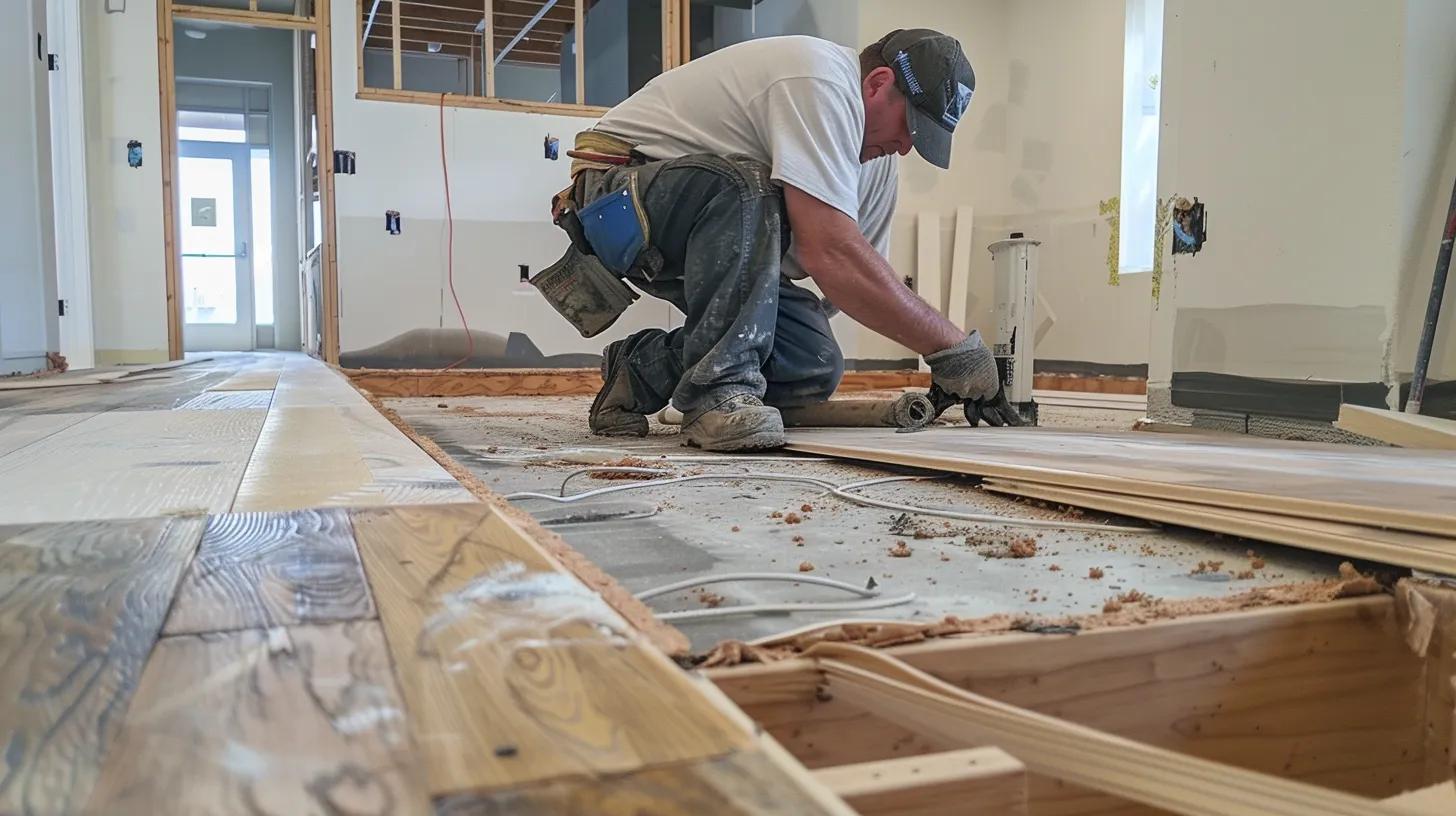
- Preventing chipped teeth and rolled edges.
- Pushing too hard on oscillating blades generates extreme heat, which ruins the steel’s heat treatment and makes it permanently soft.
- If the tool stops cutting smoothly with light pressure, stop and inspect the edge rather than pushing harder.
- Frequency – During every task
- Time Required – Ongoing
- Key Material – Patience
Step 3. Hone the Edge with a Diamond File
Do not wait until your blade is completely blunt to sharpen it. A quick touch-up with a fine-grit diamond file or pocket sharpening stone keeps the edge aligned and razor-sharp with minimal metal removal.
- Pocket knives, scissors, and wire cutters.
- Do not use heavy-duty bench grinders, as they remove too much metal and can easily ruin a small multi-tool blade.
- Hold the file at a consistent 15 to 20-degree angle and stroke away from your body along the factory bevel.
- Frequency – Weekly or after heavy use
- Time Required – 3 to 5 minutes
- Key Material – Diamond file
Step 4. Store the Tool in a Dry Environment
Humidity is the silent enemy of sharp steel. Storing your multi-tool in a damp toolbox, a wet leather sheath, or a humid basement encourages oxidation that dulls the cutting edge without you ever using it.
- Long-term edge retention.
- Leather sheaths can hold moisture; do not store your tool in them long-term if they have been exposed to rain.
- Keep your tool in a synthetic pouch with a silica gel packet if you live in a high-humidity area.
- Frequency – Continuous
- Time Required – N/A
- Key Material – Silica packet
Daily Habits That Prevent Dullness
Many people assume that blades only get dull from cutting. In reality, corrosion, dirt buildup, and improper storage do just as much damage to a fine edge. When microscopic rust forms on the apex of a blade, it crumbles away during the next cut, leaving you with a blunt tool.
Keeping your tool clean is the easiest way to preserve its edge. A quick spray of a residue-free cleaner followed by a light application of protective oil keeps the steel sealed against oxygen and moisture. This is especially true for pocket multi-tools that collect pocket lint, which acts like a sponge for humidity.

If you cut through drywall or plaster with a pocket knife, the gypsum acts like sandpaper on the steel. Wiping the blade immediately prevents the abrasive dust from grinding down the edge inside your pocket.
Do not store a dirty, wet multi-tool in its sheath. The trapped moisture will dull the edge overnight.
- Wipe away adhesive residues from tape or packaging immediately.
- Avoid cutting materials containing dirt, sand, or cement dust whenever possible.
- Keep the pivot points of folding tools clean to ensure the blade closes fully without rubbing against the frame.
- Use a dedicated scraper tool for scraping tasks instead of the knife blade.
| Tool Type | Primary Dulling Threat | Best Preventative Action |
|---|---|---|
| Pocket Multi-Tool | Pocket lint, moisture, adhesive residue | Wipe with mineral oil, store dry |
| Oscillating Multi-Tool | Friction heat, hitting nails, forcing cuts | Use light pressure, match blade to material |
How to Sharpen Pocket Multi-Tool Blades
Pocket multi-tools feature smaller, thinner blades than dedicated pocket knives. Because the steel is thinner, you must use a gentle touch when sharpening. A fine-grit diamond stone or a ceramic honing rod is ideal for these compact edges.
To sharpen the main blade, find the factory bevel angle, which is usually around 20 degrees. Hold the blade at this angle against your stone and sweep it from the heel to the tip. Repeat this process on both sides until a tiny metal ridge, called a burr, forms. Then, make light alternating strokes to remove the burr and polish the edge.
When sharpening a small multi-tool knife, place a piece of tape on the spine of the blade. This acts as a guide to help you maintain a consistent 20-degree angle against your sharpening stone.

Avoid pulling the blade backward and forward in a sawing motion on the stone. Always stroke in one direction to maintain a clean bevel.
- Use a small, triangular ceramic file for serrated blades, sharpening only the beveled side of each tooth.
- For built-in scissors, sharpen only the beveled edge of the blades; never flatten the mating surfaces.
- Use a narrow diamond rod to touch up the curved cutting surfaces of integrated wire cutters.
How to Sharpen Oscillating Multi-Tool Blades
Oscillating multi-tool blades are often treated as disposable, but they can easily be sharpened up to twenty times before they need to be discarded. Because these blades cut using hundreds of tiny teeth, sharpening them requires a slightly different approach than a standard knife blade.
The most reliable manual method is using a small triangular file. By placing the file in the valleys between the teeth and pushing forward, you can quickly restore the sharp points. Alternatively, you can use a specialized drill-mounted sharpening attachment designed specifically to align with the tooth spacing of standard oscillating blades.
If your wood-cutting oscillating blade starts burning the wood and producing smoke, stop immediately. Take a small triangular file and run it through each tooth groove three times to restore the cutting points.
Do not use a high-speed rotary tool without water cooling, as you will overheat the tiny teeth and ruin the metal’s hardness.
- Secure the blade in a bench vise before attempting to file the teeth.
- File only on the forward stroke; lifting the file on the return stroke preserves the file’s life.
- Keep the filing uniform across all teeth to ensure the blade cuts evenly.
- If several teeth are completely missing, discard the blade, as it will vibrate excessively and damage your tool’s motor.
FAQs
Can you sharpen oscillating multi-tool blades?
Yes. You can easily sharpen oscillating multi-tool blades using a small triangular file or a specialized drill-powered sharpening tool. This can be done up to 20 times per blade, saving significant money on replacements.
Is WD-40 good for sharpening multi-tool knives?
No. WD-40 is a water displacer and solvent, not a dedicated lubricant. For sharpening, use a proper honing oil, mineral oil, or water (depending on your sharpening stone) to float away metal shavings and keep the stone clean.
What is the best oil for maintaining a pocket multi-tool?
Light mineral oil, sewing machine oil, or specialized multi-tool lubricants like Ballistol are best. They protect the steel from rust and keep the folding joints moving smoothly without attracting excessive dirt.
How do I know when my multi-tool blade needs sharpening?
Your blade needs sharpening if it slips off smooth surfaces, requires heavy downward pressure to cut, tears paper instead of slicing it cleanly, or leaves burn marks on wood when using an oscillating tool.
Conclusion
Keeping your multi-tool sharp is a matter of simple, consistent habits. By cleaning away debris after every job, storing the tool in a dry place, and letting the blade do the cutting without forced pressure, you can prevent the steel from dulling prematurely.
When the edge eventually loses its bite, a few minutes with a diamond file or a triangular file will quickly restore its performance. Take a moment today to inspect your multi-tool, clean off any built-up residue, and apply a light coat of oil to keep it ready for your next project.
Related posts
 Which Tool Kit Is Worth Buying? How to Choose the Right Set for Your Home
Wondering which tool kit is worth buying? Compare basic household sets, mechanic kits, and power tool combos to find the best tools for your budget and…
 Which Hand Tools Are Made in the USA? Reliable Brands and Buying Rules
Discover which hand tools are still made in the USA. Compare top domestic brands, tool categories, and learn how to verify origin labels before buying. Several…
 Why Do Campers Carry Multi Tools? Practical Uses in the Field
Why do Campers carry multi tools to handle gear repairs, campsite setup, food prep, and field fixes with minimal weight. Here is why one belongs in…