
What Causes Drill Bits to Wear Out? How to Prevent Dull and Broken Bits
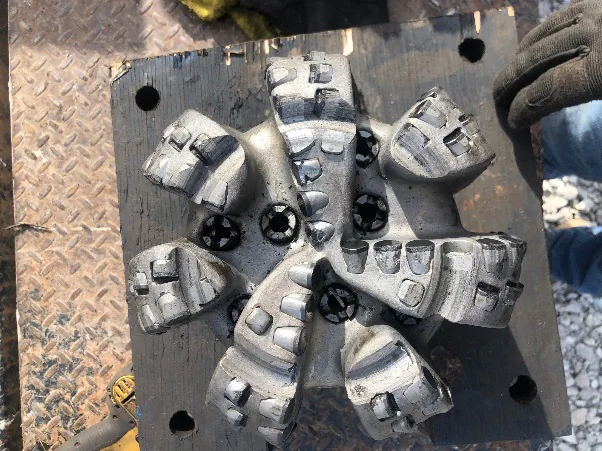
Drill bits wear out primarily due to extreme heat and friction generated during the drilling process. When a metal bit spins against a hard surface, the resistance creates intense thermal energy.
Beyond basic friction, drill bits wear out prematurely due to user errors. These include running the drill at an incorrect speed (RPM), applying too much downward pressure, using the wrong type of bit for the material, and failing to use lubrication.
To stop wasting money on replacement bits, you need to understand how these factors interact. By adjusting your drilling speed, applying the right amount of force, and using simple cooling techniques, you can dramatically extend the lifespan of your tools.
| Topic | When it helps | What to keep in mind |
|---|---|---|
| 1 | Touch the workpiece (carefully) or the bit after drilling; if it is scorching hot, you need to slow down and use cooling fluid. | Watch for smoke or a burning smell, which indicate the bit is getting far too hot. |
| 2 | Check your drill’s speed settings and dial it down to the low-speed range (usually setting 1) for metals and hard plastics. | Avoid pulling the drill trigger all the way down by default when working with metal. |
| 3 | Apply firm, steady pressure. | Leaning your entire body weight onto the drill is a major safety hazard and ruins bits. |
| 4 | Match your bit to the material: use carbide-tipped bits for masonry, cobalt for stainless steel, and HSS for wood or mild steel. | Do not use wood-boring bits or standard metal bits on masonry or stone. |
| 5 | If the drill is spinning but making zero progress and producing fine powder instead of chips, check the rotation direction. | Always double-check the direction switch before starting to drill. |
How to Diagnose a Worn-Out Drill Bit
Before you throw away a drill bit, it helps to look closely at the damage. The physical state of the bit can tell you exactly what went wrong during your project.
Use the diagnostic table below to identify the symptoms of a worn-out drill bit and learn what caused the damage so you can prevent it next time.

If you notice your drill bit has turned a dark blue or black color near the tip, it has suffered thermal damage from extreme heat and has lost its temper, making it too soft to cut effectively.
Do not continue using a discolored or chipped bit, as this strains the drill motor and increases the risk of the bit binding and snapping in the hole.
| Symptom | Likely Cause | What It Means |
|---|---|---|
| Blue or black discoloration at the tip. | Extreme heat. | The metal has lost its temper and softened. |
| Rounded or flattened cutting edges. | Friction / Wrong material. | The bit rubbed against a harder material without cutting. |
| Chipped outer corners of the flute. | Too much speed (RPM). | The outer edges spun too fast, generating localized heat. |
| Snapped bit near the shank. | Excessive pressure / Binding. | Too much force was applied, or the bit caught in the hole. |
Practical Steps to Prevent Drill Bit Wear
Preventing drill bit wear is mostly about managing heat and friction. By making a few small adjustments to your technique, you can make even budget-friendly bits last significantly longer.
Here are the most effective ways to protect your drill bits during use:.
Avoid drilling dry into thick metal plates; always use a lubricant to keep the temperature down.

When drilling a 1/2-inch hole in a steel plate, start with a 1/8-inch pilot hole first, apply a few drops of motor oil, and set your drill to its lowest speed setting.
- Use a lubricant: When drilling into metal, always apply a few drops of cutting fluid, motor oil, or.
- Control your speed: Slow down. Harder materials require slower rotational speeds.
- Drill pilot holes: For holes larger than 1/4 inch in metal or hard wood, drill a smaller pilot.
- Let the bit cool: Do not rush. If you are drilling multiple holes, pause between them to let.
- Clear the debris: Pull the bit out of the hole periodically while drilling to clear out wood chips.
Safety checks
- Friction and the resulting extreme heat are the primary causes of drill bit wear.
- Using the wrong speed (RPM) or too much pressure accelerates wear and causes immediate dulling.
- Matching the drill bit material to the workpiece is essential for tool longevity.
- Lubrication and pilot holes are simple, highly effective ways to extend bit life.
Focus strictly on the physical
1. Extreme Heat and Friction
High-speed spinning against tough materials creates intense friction, which quickly turns into heat. This heat tempers and softens the steel of the bit, destroying its hardened cutting edge and leaving it blunt.
- Watch for smoke or a burning smell, which indicate the bit is getting far too hot.
- Touch the workpiece (carefully) or the bit after drilling; if it is scorching hot, you need to slow down and use cooling fluid.
- Primary Cause – High RPM / No Lube.
- Result – Softened metal, dull edge.
2. Incorrect Drill Speed (RPM)
Running the drill too fast for the material being cut is a common mistake. Harder materials like steel require slower speeds, while softer materials like wood can handle higher speeds.
- Avoid pulling the drill trigger all the way down by default when working with metal.
- Check your drill’s speed settings and dial it down to the low-speed range (usually setting 1) for metals and hard plastics.
- Primary Cause – User error / Wrong setting.
- Result – Rapid burning and dulling.

3. Excessive Downward Pressure
Forcing the drill down too hard bends the bit, increases friction, and generates massive heat. Let the tool do the cutting.
- Leaning your entire body weight onto the drill is a major safety hazard and ruins bits.
- Apply firm, steady pressure.
- Primary Cause – Improper technique.
- Result – Snapped or chipped bits.
4. Material and Bit Mismatch
Using a standard high-speed steel (HSS) bit on hardened steel, concrete, or ceramic will ruin the bit. The material being drilled must be softer than the drill bit itself, or the bit’s cutting edges will flatten immediately.
- Do not use wood-boring bits or standard metal bits on masonry or stone.
- Match your bit to the material: use carbide-tipped bits for masonry, cobalt for stainless steel, and HSS for wood or mild steel.
- Primary Cause – Wrong tool selection.
- Result – Immediate flattening of the tip.
5. Running the Drill in Reverse
Accidentally setting the drill to reverse while trying to cut a hole is surprisingly common. The back of the cutting edge rubs against the material without cutting, generating massive friction and instantly dulling the bit.
- Always double-check the direction switch before starting to drill.
- If the drill is spinning but making zero progress and producing fine powder instead of chips, check the rotation direction.
- Primary Cause – Accidental switch setting.
- Result – Polished, useless cutting edge.
FAQs
Is WD-40 good for drill bits?
Yes, WD-40 can act as a temporary lubricant and coolant when drilling into metal. However, dedicated cutting oil or multi-purpose motor oil is better for heavy-duty drilling because it clings to the metal and resists high temperatures more effectively.
How long should a drill bit last?
A quality drill bit can last for hundreds of holes in soft wood or plastic. When drilling metal or masonry, a bit might only last for 10 to 20 holes before needing to be sharpened or replaced, depending on how well you.
Can you sharpen a worn-out drill bit?
High-speed steel (HSS) and cobalt drill bits can be sharpened using a bench grinder, a specialized drill sharpening tool, or a hand file. Carbide-tipped masonry bits can also be sharpened with a diamond wheel.
Why did my masonry bit dull after only three holes?
This usually happens because the drill was run at too high a speed, or the hammer action was not engaged. Masonry bits require slow speeds and high impact (hammer mode) to pulverize concrete or brick rather than scraping it.
Conclusion
Drill bits wear out because of physical forces that are entirely within your control. Extreme heat, excessive speed, and improper pressure are the silent killers of cutting edges.
Before starting your next project, take a moment to check your drill’s speed settings and keep a small bottle of cutting fluid or motor oil nearby. A little preparation and patience will save your tools and your budget.
Related posts
 Which Tool Kit Is Worth Buying? How to Choose the Right Set for Your Home
Wondering which tool kit is worth buying? Compare basic household sets, mechanic kits, and power tool combos to find the best tools for your budget and…
 Which Hand Tools Are Made in the USA? Reliable Brands and Buying Rules
Discover which hand tools are still made in the USA. Compare top domestic brands, tool categories, and learn how to verify origin labels before buying. Several…
 Why Do Campers Carry Multi Tools? Practical Uses in the Field
Why do Campers carry multi tools to handle gear repairs, campsite setup, food prep, and field fixes with minimal weight. Here is why one belongs in…