
How Should I Organize An Electrician’s Tool Bag For Maximum Efficiency
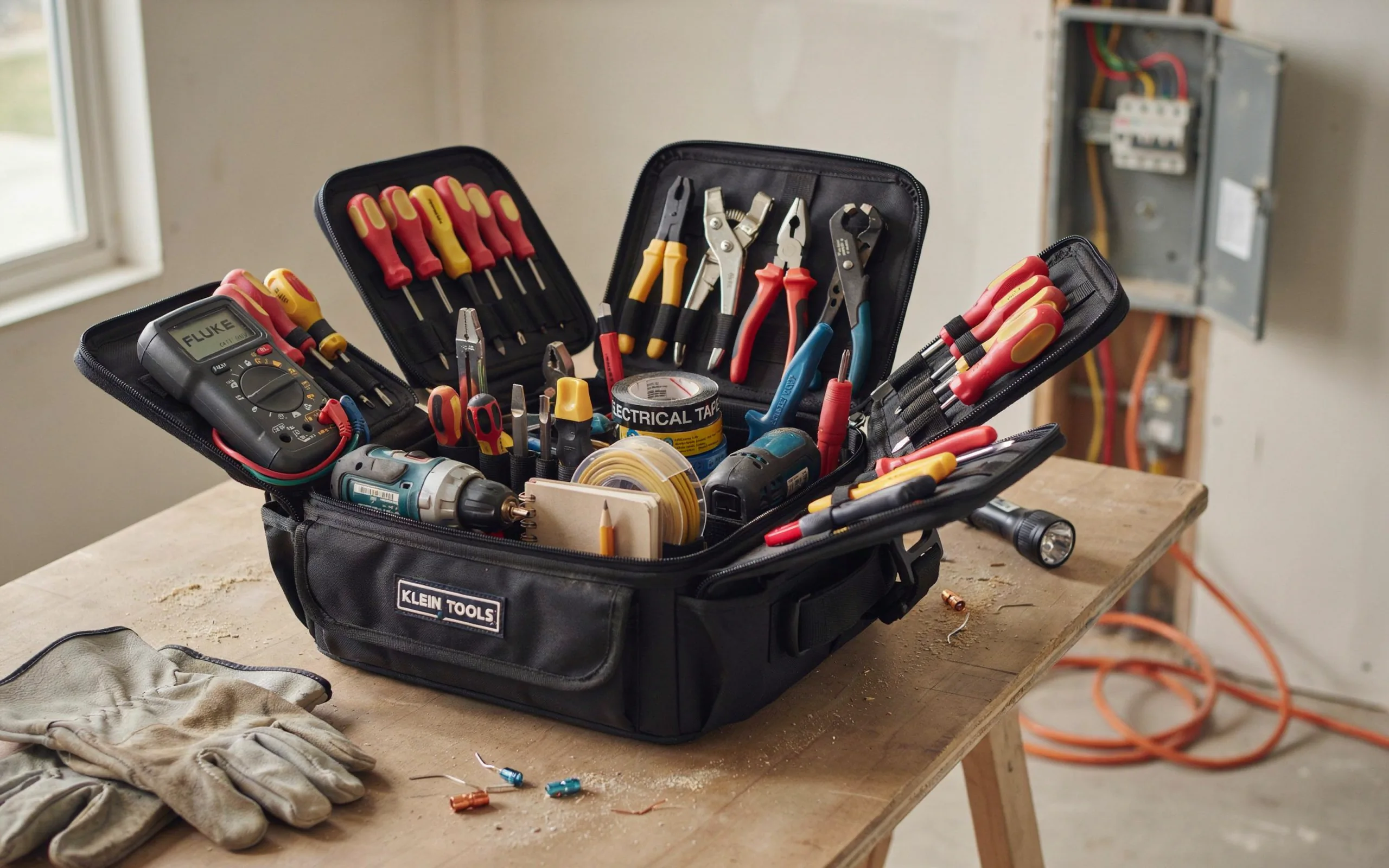
Learn exactly how to organize an electrician’s tool bag for maximum efficiency with practical steps, tool placement strategies, and maintenance tips that save you time and reduce physical strain every day.
Every electrician knows the frustration of digging through a messy bag for a simple screwdriver. You waste time, you get frustrated, and your back starts to ache from carrying unnecessary weight. The solution is simple. You need to organize an electrician’s tool bag for maximum efficiency.
When your tools have a proper home, you work faster, you feel less stressed, and you actually enjoy your day more. A well-organized bag means you spend less time searching and more time doing what you do best. This guide covers everything from choosing the right bag to placing every tool in its ideal spot. You will learn practical strategies that work on real job sites.
Let us get started.
Why You Need to Organize Your Electrician Tool Bag for Maximum Efficiency
Time is money in this trade. Every minute you spend looking for your pliers or wire strippers is a minute you are not billing. A messy tool bag costs you far more than you might think.
Consider this. If you spend just five minutes each hour searching for tools, that adds up to forty minutes of lost time in an eight-hour day. Over a week, that is more than three hours of wasted time. Multiply that over a month, and you have lost days of productive work.
An organized bag also protects your tools. When tools bang against each other, they get damaged. Screwdriver tips break, plier jaws get misaligned, and delicate testing equipment stops working properly. Your tools are expensive. Keeping them organized helps them last longer.
There is also a safety angle. A cluttered bag can hide sharp objects. You might reach in and cut yourself on a loose utility knife or a stray piece of wire. When you organize an electrician’s tool bag for maximum efficiency, you reduce these risks significantly.
Your body will thank you too. Carrying a poorly organized bag puts uneven stress on your shoulders and back. Over time, this leads to pain and fatigue. A balanced, well-organized bag distributes weight properly, so you stay comfortable throughout the day.
Step 1: Pick the Right Bag for Your Work
Before you can organize an electrician’s tool bag for maximum efficiency, you need the right foundation. Not all tool bags work for electricians. You need something that matches your specific work style.
Backpack Style Bags
These are excellent for electricians who move around a lot. If you do commercial service calls or work in large buildings, a backpack keeps your hands free while you climb ladders or carry other materials. The weight sits evenly on both shoulders, which reduces back strain. Many electricians prefer backpacks because they open fully, so you can see everything inside.
Tool Belts and Pouches
For new construction jobs, a tool belt keeps your most-used tools right at your waist. You do not need to put the bag down or open anything. You just reach and grab. Tool belts work best for jobs where you move constantly and need the same few tools repeatedly.
Molded Base Technician Bags
These bags have a hard plastic bottom that stands up on its own. They keep your tools dry and protected from wet surfaces. Technician bags usually have dozens of pockets and loops designed specifically for organizing electrical tools. They are ideal for service work where you set your bag down in one spot and work from there.
Soft Tote Bags
These are simple, lightweight bags for carrying basic tools. They work well as secondary bags for specialty tools or for jobs that require just a few items. However, they offer less organization, so they are not the best choice for your main bag.
Important Features to Look For
When you choose your bag, look for these features:
- Many pockets and compartments. More pockets mean better organization. Some bags have 80 pockets. You need enough spaces for all your tools.
- Strong materials. Ballistic nylon or heavy canvas lasts longer and protects your tools from weather.
- Padded straps. Comfort matters. You carry this bag every day. Good padding saves your shoulders.
- A sturdy base. A hard bottom stops your bag from tipping over. It also protects your tools from moisture.
- Tape measure clip. This small feature keeps your tape measure handy and secure.
| Bag Type | Best For | Key Feature |
|---|---|---|
| Backpack | Service calls, mobility | Hands-free carrying, full opening |
| Tool Belt | New construction | Instant access at waist level |
| Molded Base Tech Bag | Service work, wet sites | Stands upright, protects tools |
| Soft Tote | Light jobs, secondary bag | Lightweight, simple design |
Step 2: Know Your Bag’s Layout
Every bag has different compartments. To organize an electrician’s tool bag for maximum efficiency, you must understand how your specific bag works.
The Main Compartment
This is the largest space in your bag. It holds heavy items like your drill, hammer, and larger tools. Put your heaviest tools at the bottom center. This keeps the bag stable and prevents it from tipping over. Place your drill upright in the middle so it does not roll around.
Exterior Pockets
These pockets sit on the outside of your bag. Use them for tools you grab constantly. Your tape measure, a screwdriver, and your wire strippers belong here. You should access these tools without opening the main compartment.
Internal Slots and Loops
Most bags have elastic loops or fabric slots inside. These secure long, slender tools like pliers, screwdrivers, and hex keys. Slide each tool into its own loop so they stay upright and easy to grab. This prevents them from tangling together at the bottom of your bag.
Zippered Mesh Pouches
Small parts can disappear in a big bag. Mesh pouches keep your bits, wire nuts, and connectors organized. You can see what is inside without opening the pouch. Label these pouches if you have several of them.
Hard Bottom Base
A hard base does more than protect your bag. It keeps delicate tools like levels and laser measures safe from impact. Place your fragile tools on the bottom where the base provides extra protection.
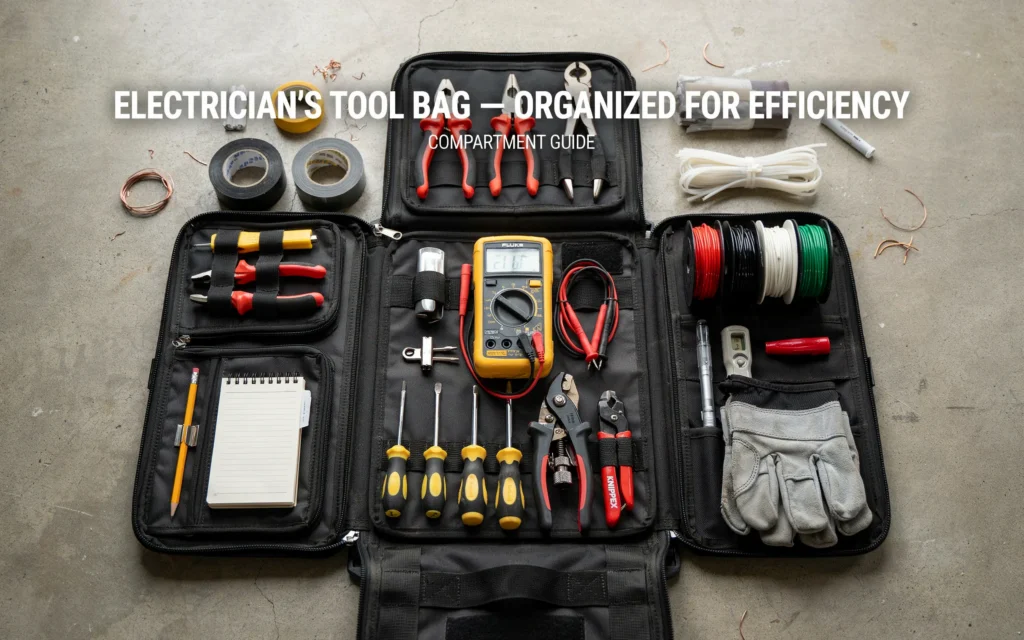
Step 3: Categorize Tools by How Often You Use Them
This is the most important rule for any electrician. To organize an electrician’s tool bag for maximum efficiency, group your tools by frequency of use.
High-Use Tools
These are the tools you reach for on almost every job. Your screwdrivers, wire strippers, tape measure, voltage tester, and pliers fall into this category. Keep these tools in exterior pockets or the top compartments of your bag. They should be the easiest tools to access.
Mid-Use Tools
These tools get used regularly but not every single day. Wrenches, additional pliers, and specialty screwdrivers belong here. Store them in internal loops or mid-layer slots. They are not your first reach, but you should still find them quickly.
Low-Use Tools
These are tools you only need for specific jobs. Specialty bits, spare parts, and tools for unique situations fit this category. Tuck them into zippered pouches or the bottom compartment of your bag. You do not need instant access to these tools.
| Tool Category | Examples | Storage Location |
|---|---|---|
| High-Use | Screwdrivers, wire strippers, tape measure, voltage tester | Exterior pockets, top compartments |
| Mid-Use | Wrenches, extra pliers, specialty drivers | Internal loops, mid-layer slots |
| Low-Use | Specialty bits, spare parts, unique tools | Zippered pouches, bottom compartment |
Step 4: Place Tools for Easy Access
Tool placement matters more than most electricians realize. The position of each tool affects how quickly you can grab it and how tired you get during the day.
Dominant Side Placement
Put your most-used tools on your dominant side. If you are right-handed, keep your wire strippers, main screwdriver, and needle-nose pliers on your right side. This reduces the motion needed to grab these tools. You can reach them without crossing your body.
Heavy tools need to be spread around your belt or bag. Do not put all your heavy items on one side. This makes you lean to one side, which hurts your back over time. Balance the weight evenly.
Nondominant Side Storage
Your nondominant side works well for tools you use less often or that require two hands to operate. Keep your voltage tester, multimeter, and hardware pouches on this side. You can still reach them easily, but they do not get in the way of your primary tools.
Easy Reach Tools
Some tools belong in the front of your bag or on a dedicated clip. Flashlights, markers, and tape measures are examples. These are tools you grab without thinking. Put them where your hand naturally falls.
Tool Belt Setup Tips
If you use a tool belt, follow these specific placement rules:
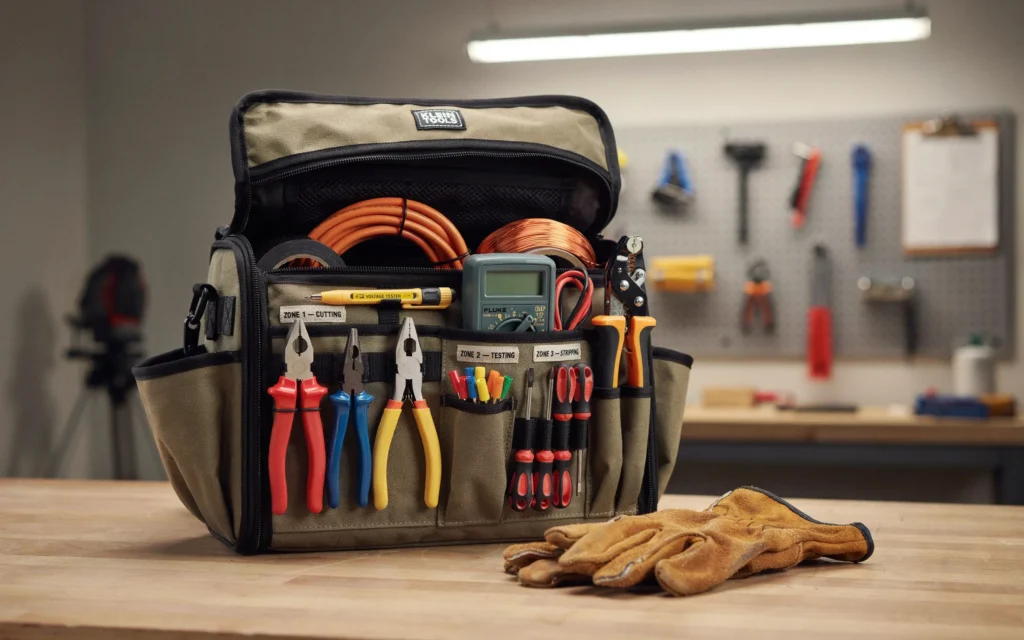
- Cutting and stripping tools go on your dominant side
- Gripping tools like pliers also go on your dominant side
- Screwdrivers sit in the center or on the opposite side
- Testing equipment stays secure on the opposite side
- Hardware like wire nuts and screws go in small pouches on both sides
Step 5: Use Labels and Color Coding
When you organize an electrician’s tool bag for maximum efficiency, visual cues help you find tools faster. Labels and color coding save precious seconds.
Labels
Put waterproof labels on your pockets and pouches. Write what belongs in each space. For example, label one pouch “Wire Nuts” and another “Drill Bits.” This helps you return tools to the right place. It also helps anyone else who uses your bag.
Color Coding
Use colored tape or stickers to mark your tools and their designated compartments. For example, put red tape on all your screwdrivers and red tape on the pocket where they belong. This makes it obvious where each tool goes. You can quickly see if something is out of place.
Customize for Your Needs
Your bag should work for you. If a pocket does not fit your needs, change it. Some bags have removable dividers so you can create custom spaces. Use these features to make your bag fit your tools perfectly.
Step 6: Adopt a Clean-as-You-Go Routine
Organization is not a one-time task. To maintain maximum efficiency, you need daily habits.
Wipe Down Tools
Before you put a tool back in your bag, wipe it clean. Dust and dirt build up over time. This dirt gets into pockets and damages the fabric. It also transfers to your other tools. A quick wipe takes seconds and keeps everything clean.
Return Tools to Their Spot
This sounds simple, but many electricians drop tools into the nearest pocket. That small habit destroys your organization. Always put each tool back in its assigned spot. This keeps your system working.
Weekly Reset
Set aside time each week for a bag reset. Empty your entire bag. Inspect every tool for damage. Check your bag for wear and tear. Then put everything back in its proper place. This weekly reset catches problems early and keeps your organization system intact.
Monthly Deep Clean
Once a month, do a deeper clean. Shake out all debris from your bag. Wipe the interior with a damp cloth. Check zippers and seams for loose threads. Fix small problems before they become big ones. Store your bag in a dry place away from direct sunlight.
Step 7: Avoid Common Organization Mistakes
Many electricians make the same mistakes. Learn from them so you do not repeat them.
Overloading Your Bag
Stuffing too many tools into your bag damages the bag and hurts your body. Straps tear. Zippers break. Your shoulders and back suffer. Check the weight rating of your bag before you buy it. Distribute weight evenly with heavy tools at the bottom. If you carry heavy loads often, consider a wheeled bag.
Ignoring Designated Pockets
Throwing tools in randomly might seem faster, but it costs you time later. Sharp edges damage other tools and the bag’s lining. Small parts get lost in the bottom of the bag. Assign tools to specific pockets and use dividers for loose items.
Bringing the Wrong Bag to the Job
A fabric bag on a wet job site gets ruined. Water damages the bag and your tools. Sharp objects puncture thin materials. Dust and chemicals degrade fabric over time. For wet conditions, use waterproof bags with sealed seams. For rough sites, choose heavy-duty canvas or reinforced bags.
Neglecting Maintenance
Never cleaning your tool bag shortens its life. Dirt and debris accelerate wear on fabric and zippers. Moisture causes rust on metal tools. Small rips turn into major tears if you ignore them. Regular cleaning and inspection prevent these problems.
Step 8: Consider Multifunctional Tools
One smart way to organize an electrician’s tool bag for maximum efficiency is to reduce the number of tools you carry. Multifunctional tools replace several single-purpose tools.
Pliers Wrench
A pliers wrench replaces a full set of spanners. It combines pliers and wrench functionality in one tool. The smooth, parallel jaws grip without damaging fittings. You can work directly on chrome without leaving marks. Push-button adjustment makes sizing quick and accurate.
Water Pump Pliers Set
Instead of carrying three loose pairs of pliers, use a tool roll. Tool rolls keep each size protected and easy to grab. You can find sets with multiple sizes in one organized roll.
Impact Driver vs. Drill
Many electricians use a 12V impact driver for everyday tasks. It fits in a tool bag more easily and provides enough power for most jobs. You do not always need the power of an 18V drill. Choosing the right tool for your daily work reduces the weight you carry.
Step 9: Organize Your Van or Truck
Your tool bag does not exist in isolation. To organize an electrician’s tool bag for maximum efficiency, you also need an organized vehicle.
Tool Placement in the Van
Keep your most-used tools within arm’s reach of your van doors. Store testers, strippers, drill bits, and personal protective equipment at waist to shoulder height. This makes loading and unloading faster.
Shelving Systems
Adjustable shelves help you customize space for power tools, testing equipment, and cable reels. Group tools by functionality and frequency of use. Use organizers for small tools and shelves for large ones.
Drawer Systems
Drawer systems keep tools protected and organized. You can see everything at a glance. Drawers also prevent tools from shifting during transport, which reduces damage.
Securing Your Bag in Transit
Tossing your bag loosely in a truck bed leads to damage. Tools shift and get damaged. The bag can fall out or get stolen. Use vehicle mounts or straps to secure your bag. This simple step protects your investment.
Step 10: Establish a Daily Routine
Efficiency comes from consistency. A daily routine helps you organize an electrician’s tool bag for maximum efficiency without thinking about it.
Morning Checklist
Start each day with a quick check. Do you have all your high-use tools? Are your batteries charged? Is your tape measure in its clip? This thirty-second check prevents mid-day trips to the truck.
End-of-Day Reset
At the end of the day, return every tool to its proper place. Wipe down any dirty tools. Check for missing items. This routine makes your morning easier and keeps your organization system intact.
Weekly Review
Every Friday, do a more thorough review. Check for tools that need replacement. Clean your bag if it looks dirty. Reorganize any pockets that have become messy during the week.
Seasonal Clear-Out
Electricians build their kits over years. Before you know it, you are carrying tools you never use. Do a seasonal clear-out. Remove worn tools, duplicated tools, and tools that just take up space. A leaner kit is a more efficient kit.
Frequently Asked Questions
How many pockets should an electrician tool bag have?
Look for a bag with at least 10 to 15 pockets. Some professional bags have 40 or even 80 pockets. More pockets mean better organization, but only if you use them properly. A bag with many pockets allows you to assign a specific spot for each tool, which reduces searching time.
What tools should I keep in my primary tool bag?
Keep your most-used tools in your primary bag. This includes screwdrivers, wire strippers, pliers, a voltage tester, a tape measure, and a utility knife. Specialty tools and tools you rarely use can stay in a secondary bag or in your van. Carrying only what you need reduces weight and improves efficiency.
How often should I clean my tool bag?
Clean your tool bag monthly. Shake out debris and wipe it down with a damp cloth. Check zippers and seams for wear. Store your bag in a dry place. Regular cleaning extends the life of your bag and protects your tools.
Should I use a backpack or a tool belt?
This depends on your work. Backpacks work best for service calls and jobs where you move around a lot. Tool belts work best for new construction and jobs where you need instant access to tools at waist level. Many electricians use both, choosing the right bag for each job.
How do I stop my tools from getting damaged in my bag?
Assign each tool to a specific pocket. Use dividers and small pouches for loose items. Keep sharp tools separated from delicate ones. Put heavy tools at the bottom and lighter tools on top. A hard-bottom bag provides extra protection.
What is the best way to organize small parts like wire nuts and screws?
Use zippered mesh pouches. These pouches keep small parts contained and visible. Label each pouch so you know what is inside. Keep these pouches in an easy-to-reach spot so you do not have to dig for them.
How much does a good electrician tool bag cost?
Quality tool bags range from $100 to over $300. Professional bags from brands like Veto Pro Pac and Klein Tools cost more but last longer. A good bag saves you money because you do not need to replace it often. Consider it an investment in your daily productivity.
Conclusion
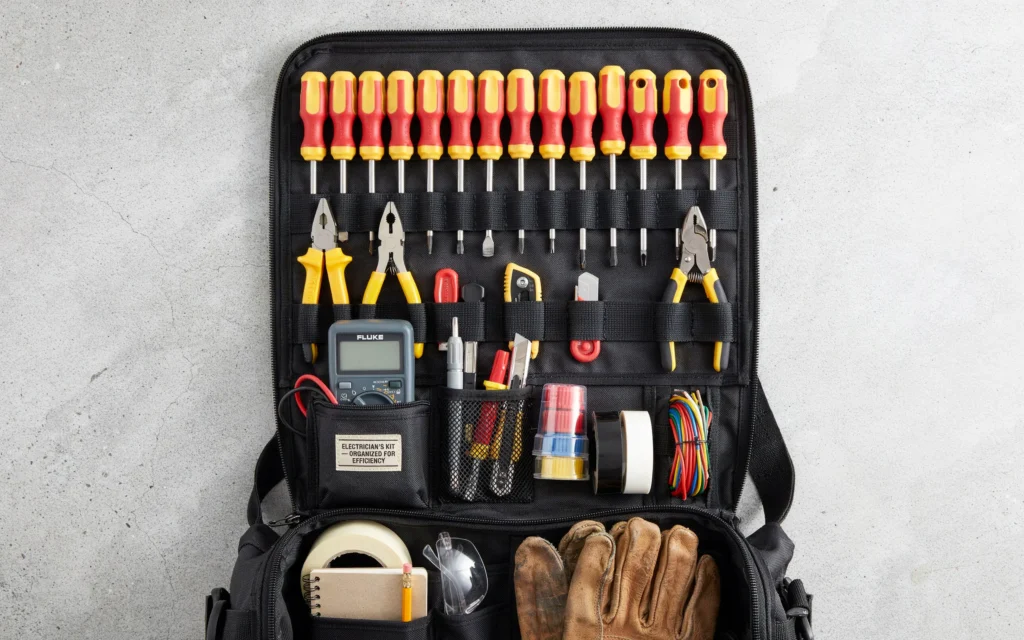
Learning to organize an electrician’s tool bag for maximum efficiency transforms your workday. You save time, you protect your tools, and you reduce physical strain on your body. The strategies in this guide work for every electrician, whether you do residential service calls or commercial new construction.
Start with the right bag for your work style. Understand its layout. Categorize your tools by how often you use them. Place your most-used tools on your dominant side. Use labels and color coding to reinforce your system. Clean your bag regularly and avoid common mistakes like overloading and ignoring designated pockets.
Consider multifunctional tools to reduce the number of items you carry. Organize your van to support your bag system. Establish a daily routine that keeps your organization intact. Perform a seasonal clear-out to remove tools you never use.
The best electricians work efficiently because their tools are always where they expect them to be. “Organization is the key to a successful electrical business,” says Tom Talbot, a veteran in the electrical industry. Your tool bag is your daily productivity system. When it works well, everything else becomes easier.
Dustin Stelzer, an experienced electrician, notes that “being an electrician involves more than just skill and knowledge; it requires the right tools and the right bag to carry them”. Your bag is not just a container. It is a tool that affects your speed, your comfort, and your professionalism.
Jason Cunningham from KNIPEX adds that many tradespeople build their kits over years and “before you know it, you’re lugging around a metal box that weighs as much as a small generator and still doesn’t have what you need”. Do not let that happen to you. Take control of your bag today.
Organize an electrician’s tool bag for maximum efficiency, and you will notice the difference immediately. You will move faster. You will feel better at the end of the day. Your tools will last longer. And you will wonder why you did not do this sooner.
Start with one simple change today. Pick one pocket and assign it a specific tool. Then do another pocket tomorrow. Before you know it, your entire bag will be organized and working for you instead of against you.
Your tools are your livelihood. Treat them with respect by giving them a proper home. A well-organized tool bag is not just convenient. It is essential for any electrician who takes their work seriously.
Related posts
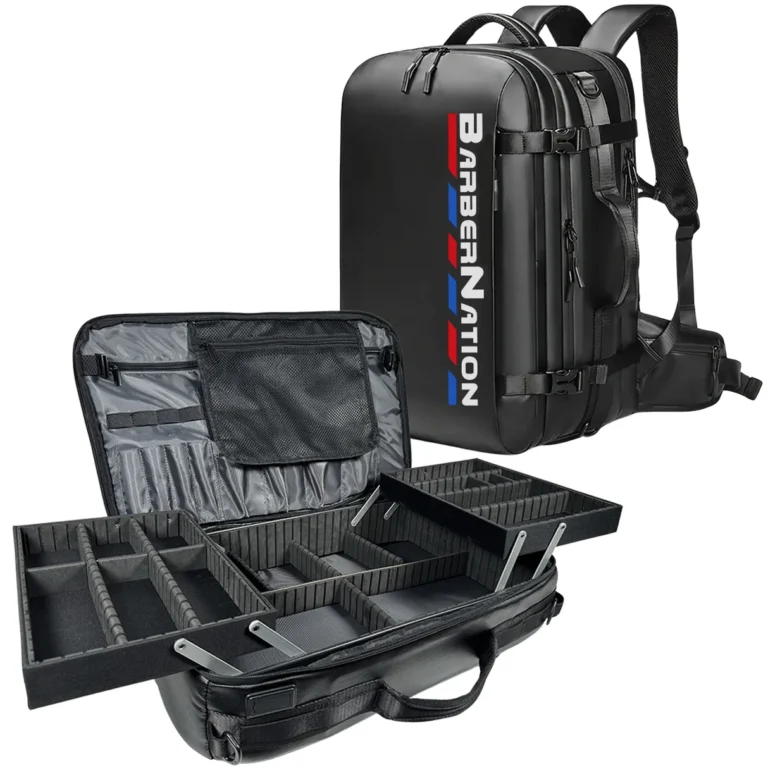 Top Tool Bags for Mobile Contractors: 2026 Buyer Guide
Discover the top tool bags for mobile contractors in 2026. Compare durable totes, backpacks, and multi-pocket organizers to find the best fit for your gear. For…
 Top Tool Bags for Plumbers: 2026 Selection Guide
Discover the top tool bags for plumbers in 2026. We compare durable, multi-pocket storage solutions to help you organize your gear effectively on the job. Plumbing…
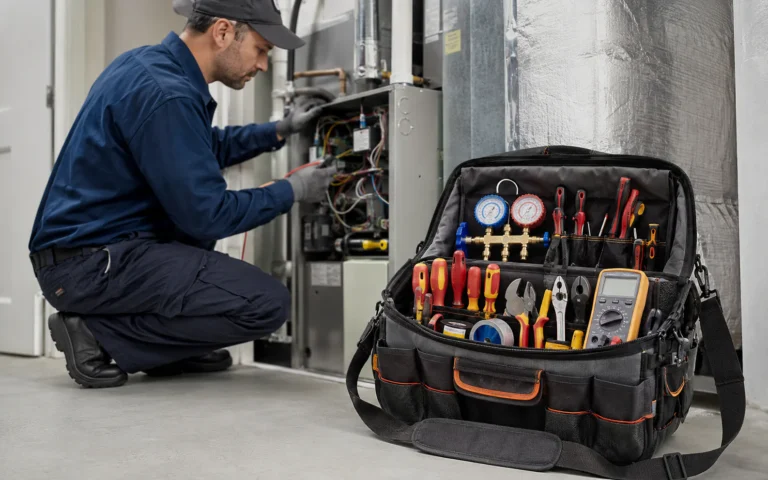 Best Tool Bag for HVAC Technicians in 2026
Find the right tool bag for HVAC technicians with our 2026 guide. Compare top-rated bags, backpacks, and pouches to keep your gear organized and protected. As…