
How Much Should I Spend On A Quality Tool Bag
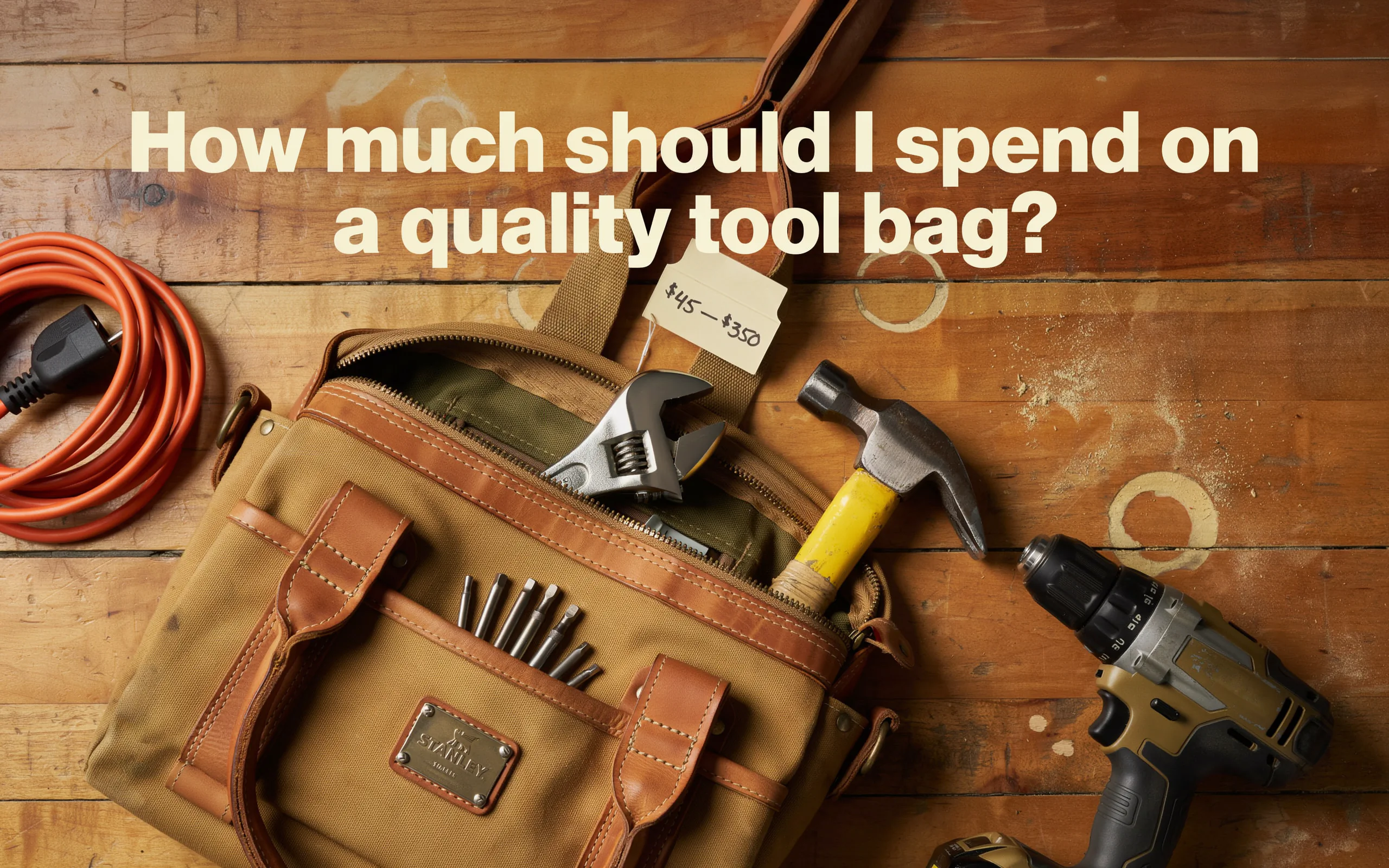
If you are a DIYer or a pro, the question “How much should I spend on a quality tool bag” is a great place to start. For most people, $40 to $70 gets a durable medium-sized bag. Spending under $30 works for light home use, while over $100 is for heavy daily pro work.
Every person who works with tools knows the struggle. You are in the middle of a project, and you need a specific wrench or screwdriver. But your tools are scattered everywhere. Maybe they are in an old cardboard box, or they are piled up in a cheap bag that is already falling apart. Finding the right tool becomes a frustrating treasure hunt. A good tool bag fixes this problem. It keeps your gear organized, protected, and easy to carry. But a common question stops many people from buying one: How much should I spend on a quality tool bag?
The answer is not a single number. It depends on what you do, how often you work, and what tools you carry. A weekend hobbyist has different needs than an electrician who uses their bag every single day. But do not worry. This guide will break down the costs, features, and value of different tool bags. By the end, you will know exactly what price range fits your situation. You will also learn how to avoid wasting money on a bag that is too cheap or overpaying for features you do not need.
Why Price Matters in a Tool Bag
Price is often the first thing people look at. It is natural to want a bargain. But with tool bags, you usually get what you pay for. A very cheap bag might save you money today. But it could fall apart in a few months. The zippers might break. The fabric might tear. The handles might rip under the weight of your tools. Then you have to buy another bag. This costs you more money and time in the long run.
On the other hand, the most expensive bag is not always the best choice for everyone. Some premium brands cost over $300. These bags are built like tanks. They last for years. But if you only use your tools a few times a month, you probably do not need that level of durability. Spending that much would be unnecessary.
So, how much should I spend on a quality tool bag? The sweet spot for most people is between $40 and $70. This range gives you a well-made bag with good materials, strong zippers, and smart organization. It will last for years with proper care. It will protect your tools. And it will make your work easier.
What You Get at Different Price Points
Tool bags come in a wide range of prices. You can find basic bags for under $20. You can also find professional-grade bags for over $200. Understanding what each price tier offers helps you make a smart choice.
Under $30: The Budget Option
Bags in this range are good for very light use. They work well for storing a few hand tools at home. They are also fine for keeping emergency supplies in your car. These bags usually use thinner polyester fabric. The zippers are often smaller and less durable. The stitching might not be as strong.
A good example is the Husky 12-inch tool bag that sells for around $10 at Home Depot. It has a simple design with a few pockets. It works fine for basic tasks. But if you load it with heavy tools every day, it will not last long. The Amazon Basics Tool Storage Bag is another option at about $10. These bags are great for beginners or for people who only need to carry a few items occasionally.
However, if you are asking yourself how much should I spend on a quality tool bag, and you plan to use it regularly, you should probably spend more than $30. The low price often means lower quality. The bag may not have a reinforced bottom. The handles might not be padded. The pockets might not be deep enough for larger tools.
$40 to $70: The Best Value Range
This is where you find the best balance of quality and price. Bags in this range use better materials like 600-denier or 1680-denier ballistic nylon. They have reinforced bases that protect your tools from moisture and dirt. The zippers are heavier and more reliable. The stitching is stronger. The handles are padded for comfort.
According to testing done by experts, quality tool bags typically range from $40 to $70 for medium-sized options. This price point gives you a bag that can handle regular use. It offers good organization with multiple pockets and slots. It will protect your tools and last for several years.
For example, the DEWALT 33-Pocket Tool Bag is a popular choice in this range. It offers rugged construction and smart organization. The Carhartt Legacy Tool Bag is another great option with a good layout and durable polyester fabric. These bags are trusted by both DIYers and professionals.
So, if you are still wondering how much should I spend on a quality tool bag, the $40 to $70 range is a safe and smart answer. It gives you a reliable bag without breaking the bank. It is the sweet spot for most people.
$80 to $150: The Premium Choice
Bags in this range are built for heavy daily use. They use the toughest materials available. They have more pockets and better organization. They often include features like padded shoulder straps, rigid plastic bases, and weather-resistant coatings.
The Klein Tools Tradesman Pro Tool Backpack is a great example. It has 27 pockets and a large interior volume. It is designed for demanding professionals. The Veto Pro Pac Tech Pac is another high-end option, selling for around $340 on Amazon. It has a near-perfect rating from users.
These bags are an investment. They cost more upfront. But they save you money over time because you will not need to replace them. If you use your tools every day for work, spending $100 or more on a quality tool bag is a wise decision.
Over $150: Professional-Grade Gear
At this level, you are buying a tool bag that is built to last for many years. These bags often have lifetime warranties. They use the best materials, hardware, and construction methods. They are designed for tradespeople who rely on their tools for their livelihood.
Veto Pro Pac is a leading brand in this category. Their bags are expensive, but they are known for exceptional durability and organization. The Veto Pro Pac Tech-MCT is a solid choice for professionals. These bags have heavy-duty zippers, strong handles, and smart pocket layouts.
For most homeowners and casual DIYers, spending over $150 is probably too much. But for a professional electrician, plumber, or contractor, it is money well spent. It is a tool that helps them earn a living.
Factors That Affect the Cost of a Tool Bag
Several factors influence the price of a tool bag. Understanding these factors helps you decide how much to spend.
Material Quality
The material is one of the biggest factors in cost. Cheap bags use thin polyester that tears easily. Better bags use thicker fabrics like canvas or ballistic nylon. The durability of fabric is measured by its denier rating. A higher denier number means stronger fabric. For example, 1680-denier ballistic nylon offers superior resistance to abrasion and tearing.
Canvas is a durable and breathable option. It works well for lighter tools. Nylon is lightweight and water-resistant. It is ideal for bags that face frequent handling and moisture. Leather is the most durable but also the heaviest and most expensive.
If you are asking how much should I spend on a quality tool bag, consider the material. A bag made of 600-denier nylon will cost less than one made of 1680-denier ballistic nylon. But the more expensive material will last longer.
Hardware and Zippers
Zippers are a common point of failure in cheap bags. Low-quality zippers break or get stuck. Premium bags use heavy-duty metal zippers, often from brands like YKK. These zippers are reliable and resist seizing. They cost more to make, but they last much longer.
The handles and straps also affect the price. Padded handles and shoulder straps add comfort. They also add to the cost. A bag with a simple handle will be cheaper. But if you carry heavy tools, a padded handle is worth the extra money.
Base Construction
The bottom of the bag takes a lot of abuse. It sits on wet or dirty ground. It gets scraped and bumped. Cheap bags have a soft fabric bottom that wears out quickly. Better bags have a reinforced or molded plastic base. This base protects the contents from moisture and sharp debris. It also helps the bag stand up on its own.
A bag with a hard plastic base costs more. But it is a feature worth paying for. It protects your tools and extends the life of the bag.
Organization Features
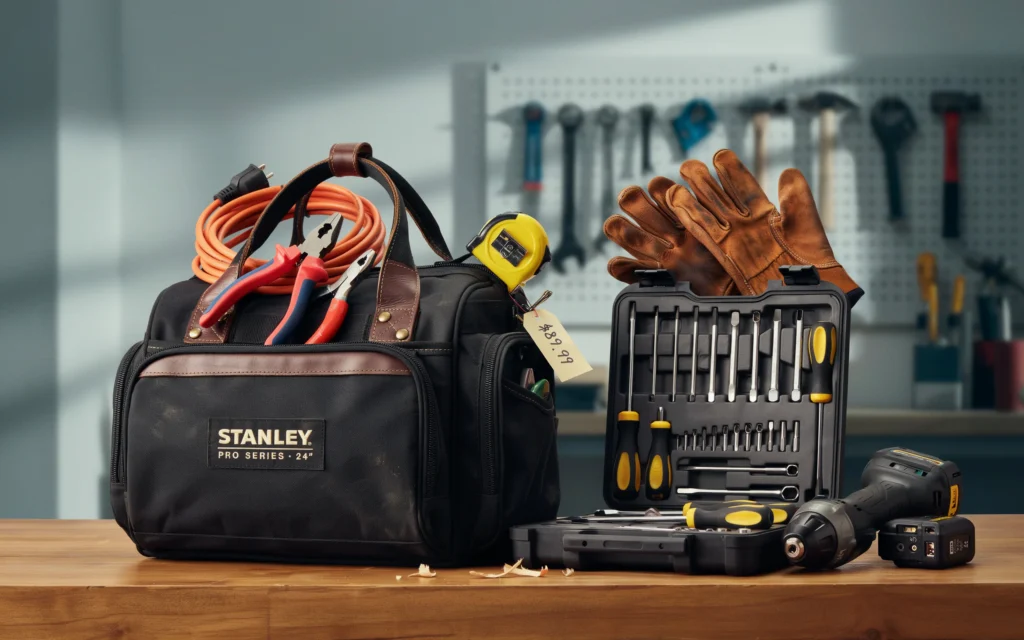
More pockets and compartments mean higher cost. A basic bag with one main compartment and a few outer pockets is cheaper. A bag with 30 or 40 pockets costs more. But the extra organization saves you time. You can find your tools faster. You do not have to dig through a pile of items.
For professionals, time is money. A well-organized bag pays for itself quickly. For a DIYer, the extra pockets might be nice but not essential.
Brand Reputation
Well-known brands often charge more for their bags. Brands like DEWALT, Klein Tools, and Veto Pro Pac have built a reputation for quality. They use better materials and have stricter quality control. They also offer warranties. You pay a premium for this trust.
Lesser-known brands can offer good value. But you need to do your research. Read reviews from other users. Look for feedback on durability and quality.
Table: Price Tiers and What You Get
| Price Range | Typical Materials | Key Features | Best For |
|---|---|---|---|
| Under $30 | Thin polyester, basic zippers | Simple design, few pockets | Light home use, emergency car kits |
| $40 – $70 | 600D to 1680D nylon, better zippers | Reinforced base, padded handles, good organization | Regular DIY use, most homeowners |
| $80 – $150 | Heavy-duty nylon or canvas, metal zippers | Rigid base, many pockets, padded straps | Daily professional use |
| Over $150 | Premium ballistic nylon, leather, YKK zippers | Exceptional durability, lifetime warranties, advanced organization | Full-time tradespeople |
Table: Material Comparison
| Material | Durability | Weight | Water Resistance | Cost |
|---|---|---|---|---|
| Polyester | Low to Medium | Light | Low | Low |
| Canvas | Medium | Medium | Medium | Medium |
| Nylon (600D) | Medium | Light | Medium | Medium |
| Nylon (1680D) | High | Medium | High | High |
| Leather | Very High | Heavy | High | Very High |
How to Choose the Right Bag for Your Needs
Now that you know the price ranges, how do you pick the right bag? Start by thinking about your tools and your work habits.
Consider Your Tool Collection
Look at the tools you own. Do you have mostly hand tools like screwdrivers, pliers, and wrenches? Or do you carry power tools like drills and impact drivers? Hand tools are smaller and lighter. A medium-sized bag with good pockets works well. Power tools are bigger and heavier. You need a larger bag with a strong base and comfortable handles.
Also, think about the number of tools. A small collection fits in a basic bag. A large collection needs more space and more pockets.
Think About Your Work Environment
Where do you use your tools? If you work indoors on dry surfaces, you have more flexibility. If you work outside or on construction sites, you need a tougher bag. Look for water-resistant materials and a reinforced base. These features protect your tools from moisture and dirt.
If you move around a lot, consider a backpack style. It keeps your hands free. It also distributes the weight evenly across your shoulders. This is much more comfortable than carrying a heavy bag by one handle.
Evaluate Your Frequency of Use
How often do you use your tools? If you work on projects every weekend, you need a durable bag. Spend in the $40 to $70 range. If you use your tools every day for work, spend more. A $100 to $150 bag will hold up to daily abuse.
If you only use your tools a few times a year, a cheaper bag might be fine. You do not need to invest in a high-end bag for occasional use.
Read Reviews and Get Recommendations
Before you buy, read reviews from other users. Look for feedback on durability, zipper quality, and comfort. Pay attention to complaints about broken handles or torn fabric. These are signs of poor quality.
Also, ask friends or coworkers what they use. Real-world experience is valuable. “A good tool bag is like a trusted workshop companion,” says the team at This Old House. They emphasize that the right bag makes a big difference in your work.
Common Mistakes to Avoid When Buying a Tool Bag
Many people make mistakes when buying a tool bag. Avoid these common pitfalls.
Buying Based Only on Price
The cheapest bag is not always the best deal. It might fall apart quickly. Then you have to buy another one. You end up spending more in the long run. Focus on value, not just price. Ask yourself: how much should I spend on a quality tool bag to get a good balance of cost and durability?
Ignoring the Weight of the Empty Bag
Some bags are heavy even when empty. This adds to the load you carry. Look for a bag that is strong but not too heavy. Check the weight before you buy. A 3-pound bag is reasonable. A 6-pound bag might be too heavy for everyday use.
Overlooking Zipper Quality
Zippers are a common failure point. Cheap zippers break or get stuck. Look for bags with heavy-duty zippers. Metal zippers are better than plastic ones. YKK zippers are a sign of quality.
Not Checking the Base
A soft fabric bottom wears out quickly. Look for a bag with a reinforced or plastic base. This protects your tools and helps the bag stand up.
Buying a Bag That Is Too Large or Too Small
A bag that is too large wastes space and is harder to carry. A bag that is too small forces you to leave tools behind. Choose a bag that fits your typical tool load. If you are between sizes, go slightly larger.
Real User Experiences and Expert Advice
Real-world feedback is helpful when deciding how much to spend. Many users report that spending a bit more pays off.
One reviewer shared their experience with a ToughBuilt tool tote: “I love this thing! It’s rugged and well made and holds all my tools with room to clip on pouches and organize everything”. This shows that a well-made bag improves organization and saves time.
Another user praised a Rothco canvas bag: “These are VERY useful tool bags. The OD color canvas material is thick and the metal zipper is rugged”. They noted that it was a great value. This highlights the importance of material quality.
According to the team at Auto Express, who tested 10 tool bags, price was the final consideration. They found that a reasonably priced bag could still perform well. The Forge Steel 18-inch Tool Bag cost around £15 and earned a 5-star rating. This shows that you do not always need to spend a lot to get a good bag.
However, for professional use, higher prices often mean better performance. The Veto Pro Pac Tech Pac costs over $300 and has a 4.8-star rating. Professionals are willing to pay for durability and organization.
When to Spend More and When to Save
Knowing when to spend more helps you make a wise choice.
Spend More If:
- You use your tools every day for work.
- You carry expensive or delicate tools.
- You work in tough conditions like construction sites.
- You want a bag that will last for many years.
- You need excellent organization to save time.
Save Money If:
- You only use your tools occasionally.
- You carry a small number of light tools.
- You work in a clean, dry environment.
- You are on a tight budget.
- You are just starting out and not sure what you need.
Frequently Asked Questions
1. How much should I spend on a quality tool bag for home use?
For home use, you can spend between $40 and $70. This gets you a durable bag with good organization. It will last for years with occasional use. If you only have a few tools and use them rarely, a bag under $30 might work.
2. Is a $100 tool bag worth it?
Yes, if you use your tools regularly or professionally. A $100 bag uses better materials and has stronger construction. It will hold up to daily use. It also offers better organization, which saves you time.
3. What is the best material for a tool bag?
1680-denier ballistic nylon is one of the best materials. It is strong, abrasion-resistant, and lightweight. Canvas is also good for general use. Leather is very durable but heavy and expensive.
4. How long should a quality tool bag last?
A good tool bag should last 3 to 5 years with regular use. A premium bag can last 10 years or more. The lifespan depends on the materials, construction, and how you use it.
5. Can I use a cheap tool bag for professional work?
You can, but it might not last long. Cheap bags have weaker materials and hardware. They may not handle the weight and daily abuse of professional work. It is better to invest in a quality bag.
6. How much should I spend on a quality tool bag for a beginner?
As a beginner, spend around $40. This gives you a reliable bag without a big investment. As you grow your tool collection, you can upgrade to a better bag.
7. What features add the most value to a tool bag?
A reinforced base, heavy-duty zippers, padded handles, and good pocket organization add the most value. These features improve durability and comfort.
8. Are expensive tool bags worth the extra cost?
For professionals, yes. For occasional users, maybe not. Expensive bags offer better materials, stronger construction, and longer warranties. They are an investment in your work.
9. How do I know if a tool bag is well-made?
Check the stitching, zippers, and materials. Look for reinforced stress points. Read reviews from other users. A well-made bag feels sturdy and has a solid base.
10. Should I buy a tool bag online or in a store?
Both options work. Buying in a store lets you see and feel the bag. You can check the quality firsthand. Buying online gives you more choices and often better prices. Read reviews carefully when buying online.
Conclusion
So, how much should I spend on a quality tool bag? The answer depends on your needs. For most people, spending between $40 and $70 is the best choice. This range gives you a durable, well-organized bag that will last for years. It is a smart investment that protects your tools and makes your work easier.
If you use your tools every day for work, consider spending $100 or more. A premium bag will handle daily abuse and save you time with better organization. If you only use tools occasionally, a bag under $30 might work. But remember, a very cheap bag may not last long.
Think about your tools, your work environment, and how often you work. Choose a bag that fits your specific situation. Read reviews and learn from other users. Avoid common mistakes like buying based only on price or ignoring zipper quality.
A good tool bag is more than just a carrying case. It is a tool that helps you work better and faster. “A reliable tool bag functions as a mobile workstation, protecting valuable investments and streamlining efficiency,” says the team at Engineer Fix. This is a great way to think about your purchase. It is not just a bag. It is a key part of your workflow.
Take your time and make a choice that fits your needs and budget. You will be glad you did every time you reach for a tool and find it right where it belongs.
Related posts
 Top Tool Bags for Mobile Contractors: 2026 Buyer Guide
Discover the top tool bags for mobile contractors in 2026. Compare durable totes, backpacks, and multi-pocket organizers to find the best fit for your gear. For…
 Top Tool Bags for Plumbers: 2026 Selection Guide
Discover the top tool bags for plumbers in 2026. We compare durable, multi-pocket storage solutions to help you organize your gear effectively on the job. Plumbing…
 Best Tool Bag for HVAC Technicians in 2026
Find the right tool bag for HVAC technicians with our 2026 guide. Compare top-rated bags, backpacks, and pouches to keep your gear organized and protected. As…