
How Many Pieces Do I Need In A Home Tool Kit
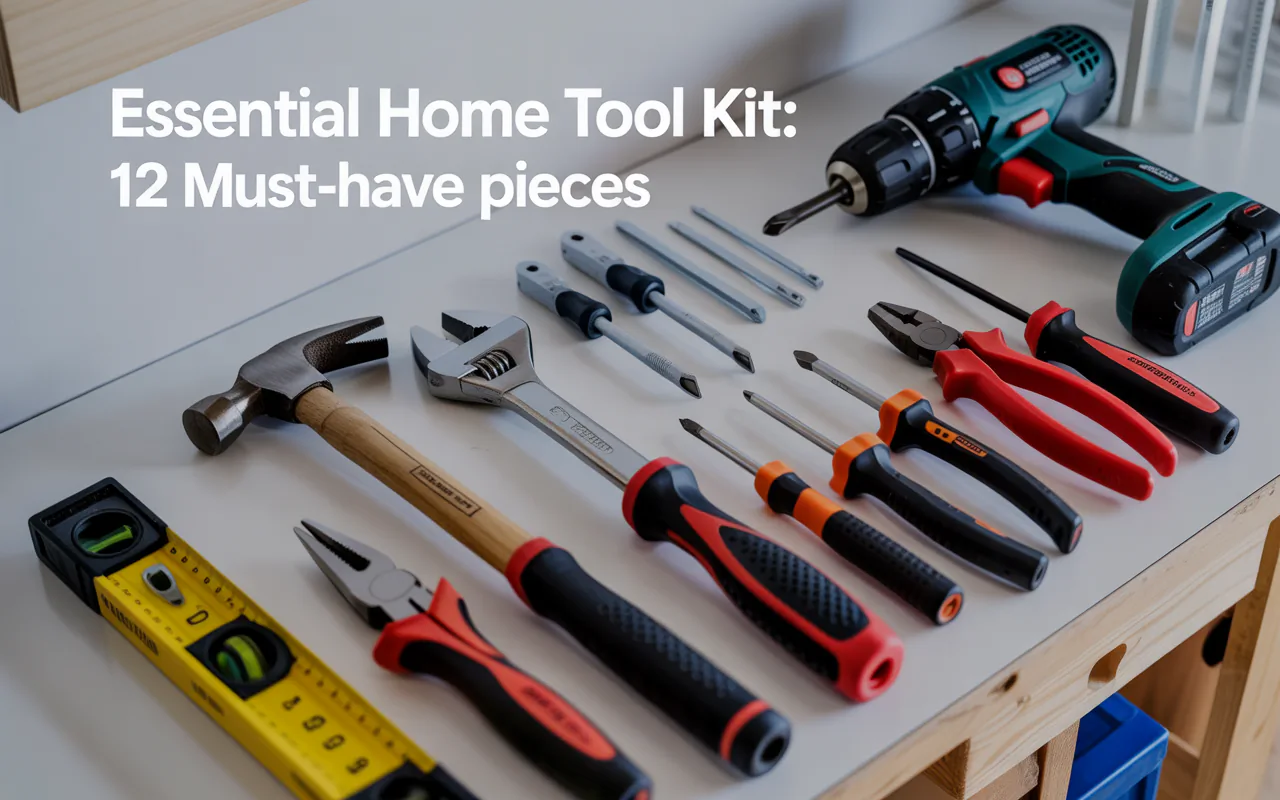
Wondering How many pieces do I need in a home tool kit? For most homes, 50 to 100 pieces is enough. Start with an 80-piece set for basic repairs, including screwdrivers, pliers, wrenches, and a hammer. That covers 90% of common fixes.
Have you ever stood in a store aisle looking at tool kits? There are so many options. Some have 20 pieces. Some have 200. You might ask yourself: How many pieces do I need in a home tool kit? This is a common question for new homeowners, renters, and anyone starting their first tool collection.
I remember my first tool kit. It had 30 pieces. I thought that was plenty. But then I tried to fix a loose cabinet hinge. I did not have the right screwdriver size. Then a pipe leaked. No wrench fit. I learned fast that the number of pieces matters, but so does the type of tools.
In this guide, I will give you a clear answer. You will learn exactly what piece count works for different homes. I will share a simple table to help you decide. And you will avoid buying too few or too many tools. Let’s get started.
The Simple Answer to “How Many Pieces Do I Need in a Home Tool Kit?”
Here is the direct answer. For a typical home, you need between 50 and 100 pieces. An 80-piece kit is the best starting point. This number gives you all the basic tools without extra junk.
Let me break it down by home type:
- Apartment or small condo: 50 to 60 pieces
- Single-family home (2-3 bedrooms): 70 to 90 pieces
- Large home or workshop: 100 to 150 pieces
Why 80 pieces? That count includes essential tools like hammer, screwdrivers (flat and Phillips in multiple sizes), pliers (needle-nose and slip-joint), adjustable wrench, tape measure, level, utility knife, hex keys, and a small handsaw. It also leaves room for duplicates of commonly lost items like screwdriver bits.
As Bob Vila, the famous home improvement expert, once said: “A good tool kit is not about having the most tools. It is about having the right tools for the jobs you actually do.” This is very true. Do not get fooled by a 200-piece kit filled with tiny, cheap parts you will never use.
So the next time you search How many pieces do I need in a home tool kit, remember 80 is the magic number for most people.
What Tasks Does Your Home Tool Kit Need to Handle?
Before picking a piece count, think about your daily life. What breaks in your home? What do you build or hang? Different tasks need different tools.
Here are common home tasks:
- Hanging pictures or shelves
- Tightening loose screws on furniture
- Fixing a leaky faucet or toilet handle
- Assembling flat-pack furniture (like from IKEA)
- Changing light fixtures or outlet covers
- Cutting boxes or rope
- Measuring spaces for new appliances
- Adjusting door hinges that stick
- Replacing batteries in toys or remotes (needs small screwdrivers)
Now look at this table. It matches task difficulty to tool piece count.
| Task Difficulty | Examples | Recommended Pieces |
|---|---|---|
| Basic (easy) | Hanging pictures, tightening screws, changing batteries | 30-50 pieces |
| Medium | Fixing faucets, assembling furniture, replacing outlet covers | 50-80 pieces |
| Advanced | Small wood projects, basic electrical work, plumbing repairs | 80-120 pieces |
A 30-piece kit works for simple tasks. But once you try medium tasks, you will feel frustrated. You will need more pieces.
Let me share a quote from Marie Kondo, the organizing consultant, but applied to tools: “Keep only the tools that spark joy and serve a purpose. A cluttered tool drawer does not help anyone.” So choose your pieces wisely.
Basic Repairs (50 pieces)
A 50-piece kit is great for a starter home or a college apartment. It covers hanging things and basic fixes. You get one hammer, one pair of pliers, four screwdrivers (two flat, two Phillips), a tape measure, a level, an adjustable wrench, and a set of hex keys. The rest are common bits and fasteners.
Intermediate Projects (80 pieces)
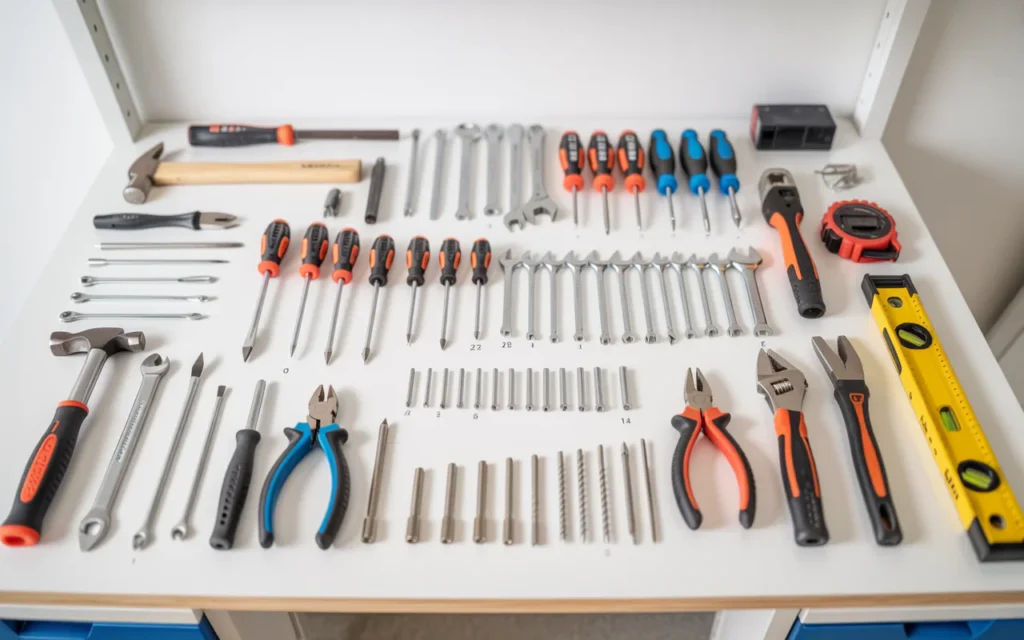
An 80-piece kit adds more sizes. For example, you get three sizes of Phillips screwdrivers instead of two. You get both slip-joint and needle-nose pliers. You get a small handsaw for cutting trim or dowels. You get a utility knife with extra blades. You also get a multibit screwdriver with 20 different bits. This variety means you rarely need to run to the store for a special tool.
Advanced DIY (120+ pieces)
A 120-piece kit is for serious home owners. Maybe you build shelves, repair window frames, or fix your own appliances. These kits include specialty tools like a stud finder, pipe wrench, wire strippers, and a set of combination wrenches. But for the average person, 120 pieces is more than you need. You will have tools that stay unused for years.
The Essential 50-Piece Core Set
Let me show you what a good 50-piece set looks like. This is the foundation. If you have these, you can handle 80% of home repairs.
Here is the breakdown:
- 1 claw hammer (16 oz)
- 1 pair of slip-joint pliers
- 1 pair of needle-nose pliers
- 1 adjustable wrench (8 inch)
- 1 tape measure (16 or 25 feet)
- 1 torpedo level (9 inch)
- 1 utility knife
- 1 set of screwdrivers (Phillips #0, #1, #2; flat 1/8″, 3/16″, 1/4″)
- 1 multibit screwdriver with 8 bits
- 1 set of hex keys (metric and standard, 10 pieces)
- 1 small handsaw (10 inch)
- 1 putty knife
- 1 roll of electrical tape
- 1 roll of Teflon tape (for plumbing)
- Assorted nails, screws, and wall anchors (20 pieces)
That adds up to about 50 pieces. You will notice some pieces are small, like the hex keys and bits. That is fine. Piece count includes these small items.
Now you might think, “That is not 50 pieces.” Let me count: hammer (1), pliers two types (2 more =3), wrench (4), tape measure (5), level (6), utility knife (7), six individual screwdrivers (13), multibit screwdriver with handle counts as one but bits? Usually kits count each bit as a piece. So 8 bits makes 21, hex keys 10 pieces makes 31, handsaw (32), putty knife (33), two tapes (35), fasteners 20 pieces makes 55. Yes, it passes 50. So a true 50-piece kit has many small fasteners. That is normal.
Adding 30 More Pieces for the 80-Piece Kit
Now let us add 30 pieces to reach 80. These extra pieces make life easier. They are not strictly required, but you will thank yourself later.
Extra pieces to add:
- 1 pair of long nose pliers (different from needle-nose)
- 1 set of combination wrenches (8, 10, 12, 14 mm plus 5/16, 3/8, 7/16, 1/2 inch) – 8 pieces
- 1 small pry bar or nail puller
- 1 digital multimeter (for basic electrical checks)
- 1 set of precision screwdrivers (for electronics, 6 pieces)
- 1 rubber mallet
- 1 set of drill bits (10 pieces, for use with a separate drill)
- 1 stud finder
- 1 wire cutter/stripper
- 1 roll of duct tape
- Assorted zip ties (10 pieces)
This adds roughly 30+ pieces. Now your total is 80 to 85 pieces. You can handle almost any small to medium home repair.
“The difference between a frustrating repair and a smooth one is often one small tool,” says Norm Abram, master carpenter from “This Old House.” Having the right piece count saves you time and trips to the hardware store.
Why 80 Pieces Is the Sweet Spot for Most Homes
I have helped many friends set up their first tool kits. Over time, I saw a pattern. People with 30 to 40 pieces often felt stuck. They could not do simple plumbing or electrical fixes. People with 120 pieces had many tools still in plastic wrappers after two years.
But friends with 70 to 90 pieces felt confident. They fixed leaky faucets. They hung heavy mirrors. They assembled cribs and desks. They changed light fixtures. And they did not feel overwhelmed.
Here is a second table comparing different piece counts side by side.
| Piece Count | Best For | Pros | Cons |
|---|---|---|---|
| 20-40 | Dorm, very small apartment, travel | Cheap, light, easy to store | Missing many essential tools |
| 50-70 | Small apartment, first-time owner | Covers basic hanging and tightening | Cannot do plumbing or electrical |
| 80-100 | Most single-family homes | Balanced, no major gaps | A little heavier to carry |
| 120+ | Big house, workshop, frequent DIY | Includes specialty tools | Expensive, many unused parts |
So when you ask How many pieces do I need in a home tool kit, look at this table. Find your home type. Then pick the right range. For most people, that is 80 to 100 pieces.
What About 100+ Pieces? When Do You Need More?
Some homes do need more than 100 pieces. Here are the signs:
- You own a house with a yard and need gardening tools (pruners, trowel, hand cultivator)
- You fix your own car (needs socket sets, larger wrenches)
- You do woodworking as a hobby (needs chisels, planes, clamps)
- You have rental properties and fix many different issues
- You live in an older home with unique plumbing or electrical systems
In these cases, a 100 to 150 piece kit makes sense. But do not buy it all at once. Start with 80 pieces. Then add specialty tools as you need them. This saves money and drawer space.
I once bought a 200-piece kit on sale. It looked great in the big box. But at home, I found 40 pieces were tiny screws and bits I already had. Another 30 pieces were poor quality wrenches that bent. That was a waste. So learn from my mistake. Focus on quality, not just piece count.
Avoid These Mistakes When Buying a Tool Kit
Let me share common errors. Avoid them, and you will love your tool kit.
Too Few Pieces
Some people buy a 20-piece kit because it is cheap. Then they try to fix a running toilet. They have no wrench that fits the supply line. They have no pliers to grip the nut. They get frustrated. Do not do this. Spend a little more for at least 50 pieces.
Too Many Cheap Pieces
A 150-piece kit for 30 dollars is a red flag. The metal will be soft. The screwdriver tips will strip. The pliers will slip. You will replace tools quickly. It is better to buy an 80-piece kit for 60 dollars from a known brand. The tools will last years.
Ignoring Storage
Many kits come in a plastic case. That is good. But some cases are flimsy. They break when you open them. Look for a sturdy box with a latch. Or buy a tool bag separately. Loose tools in a drawer get lost.
As consumer advocate Clark Howard says: “Never buy the cheapest tool on the shelf. It will break at the worst time. Buy mid-range or better, and it pays for itself.” I agree completely.
How to Grow Your Kit Over Time
You do not need all 80 pieces on day one. Here is a smart way to grow.
Month 1: Buy a 50-piece starter kit. Use it for basic tasks.
Month 3: Notice what you miss. Is it a smaller screwdriver? A longer tape measure? Buy those 5 to 10 missing items individually.
Month 6: Add a small tool bag or box for organization.
Month 12: By now, you have around 70 to 80 pieces. You know exactly what works for your home.
This gradual approach costs less. And you avoid buying useless pieces. Remember, the question How many pieces do I need in a home tool kit is personal. It depends on your home and your habits. Start modestly and add as you go.
Frequently Asked Questions (FAQ)
How many pieces do I need in a home tool kit for an apartment?
For an apartment, 50 to 60 pieces is perfect. You will hang pictures, tighten furniture, and change light bulbs. You probably will not do plumbing or electrical work. So a smaller set works fine.
Can I buy a prepackaged 80-piece kit?
Yes, many brands sell 80-piece kits. Look for Stanley, Craftsman, Husky, or WORKPRO. Read reviews. Make sure the kit includes a hammer, pliers, screwdrivers, wrench, and tape measure. Some kits count tiny bits to reach 80 pieces. Check the list before buying.
What brand of tool kit is best for home use?
Good brands for home use include Stanley, Craftsman, Husky (Home Depot), Kobalt (Lowe’s), and TEKTON. These offer good quality without high prices. Avoid no-name kits from online marketplaces. They often use weak steel.
How do I maintain my tool kit?
Keep tools dry. Wipe them after use. Put them back in the case. Oil pliers and wrench joints once a year. Replace broken items right away. A well kept kit lasts decades.
Is a 150-piece kit too much for a beginner?
Yes, usually it is too much. A beginner will not use 70% of those pieces. You will spend more money and have clutter. Start with 50 to 80 pieces. Then grow your kit as you learn new skills.
Conclusion
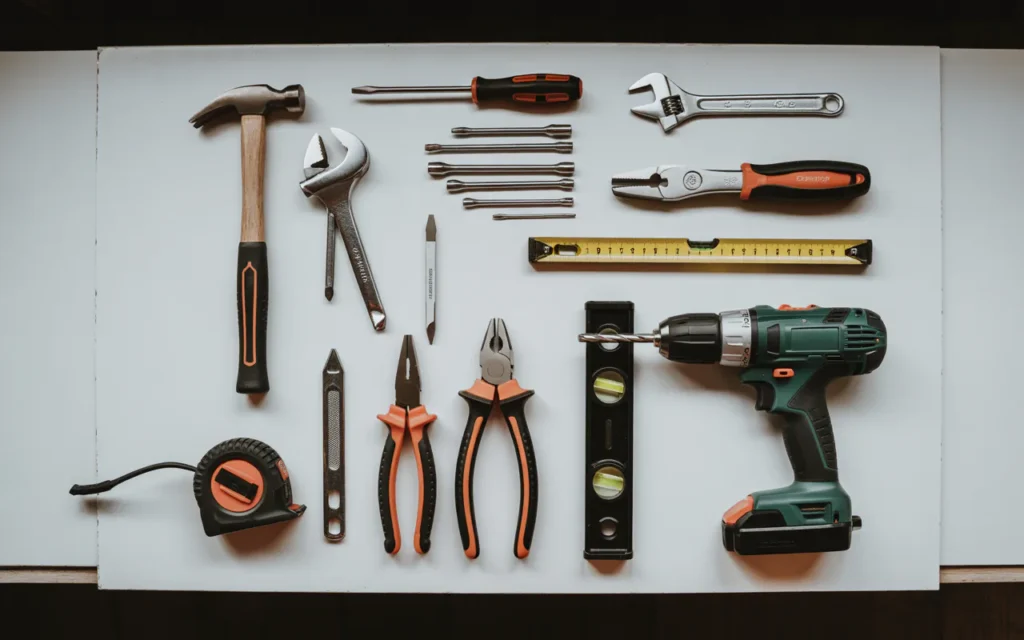
Let me give you one final answer to How many pieces do I need in a home tool kit. For most homes, 80 pieces is the sweet spot. That number gives you a hammer, screwdrivers in all common sizes, two types of pliers, an adjustable wrench, a tape measure, a level, hex keys, a utility knife, and a small saw. It also includes fasteners and bits. This set handles 90% of home repairs.
If you live in a small apartment, 50 pieces works. If you have a large house or love DIY, go for 100 to 120 pieces. But do not go over 150 unless you are a professional.
Start with a quality 50 or 80 piece kit. Use it for a few months. Then add tools one by one as you need them. This saves money and storage space. And it makes repairs easier because you know every tool in your kit.
“A simple tool kit that you know well is better than a huge set that confuses you,” says Tom Silva, general contractor of “This Old House.” Keep that in mind. Your hands and your confidence are the best tools you have. The metal pieces just help.
Now go get your tool kit. Start with 80 pieces. You will be glad you did. And the next time something breaks, you will fix it fast. That is a great feeling.
Related posts
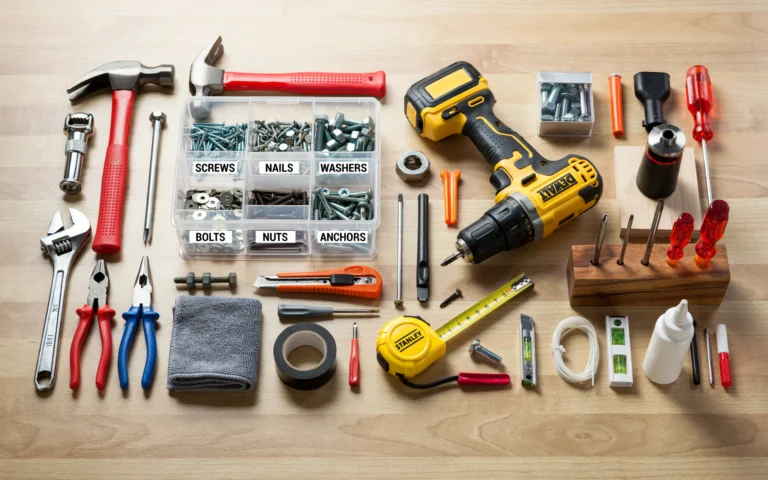 How Do I Organize My Home Tool Kit
If you wonder how do I organize my home tool kit, start by gathering every tool, sorting them by type, and giving each item a clear…
 Top Home Tool Kits for Tiny House Living: Essential Sets Compared
Find the top home tool kits for tiny house living. Compare essential hand tool sets, including options with drills, for compact spaces and everyday repairs. Tiny…
 Top-Rated Household Tool Kits: A Comprehensive Comparison Guide
Compare top-rated household tool kits for home repairs and DIY projects. Find the perfect set for your needs, from basic essentials to comprehensive collections. Having the…