
Tool Bag VS Tool Bucket
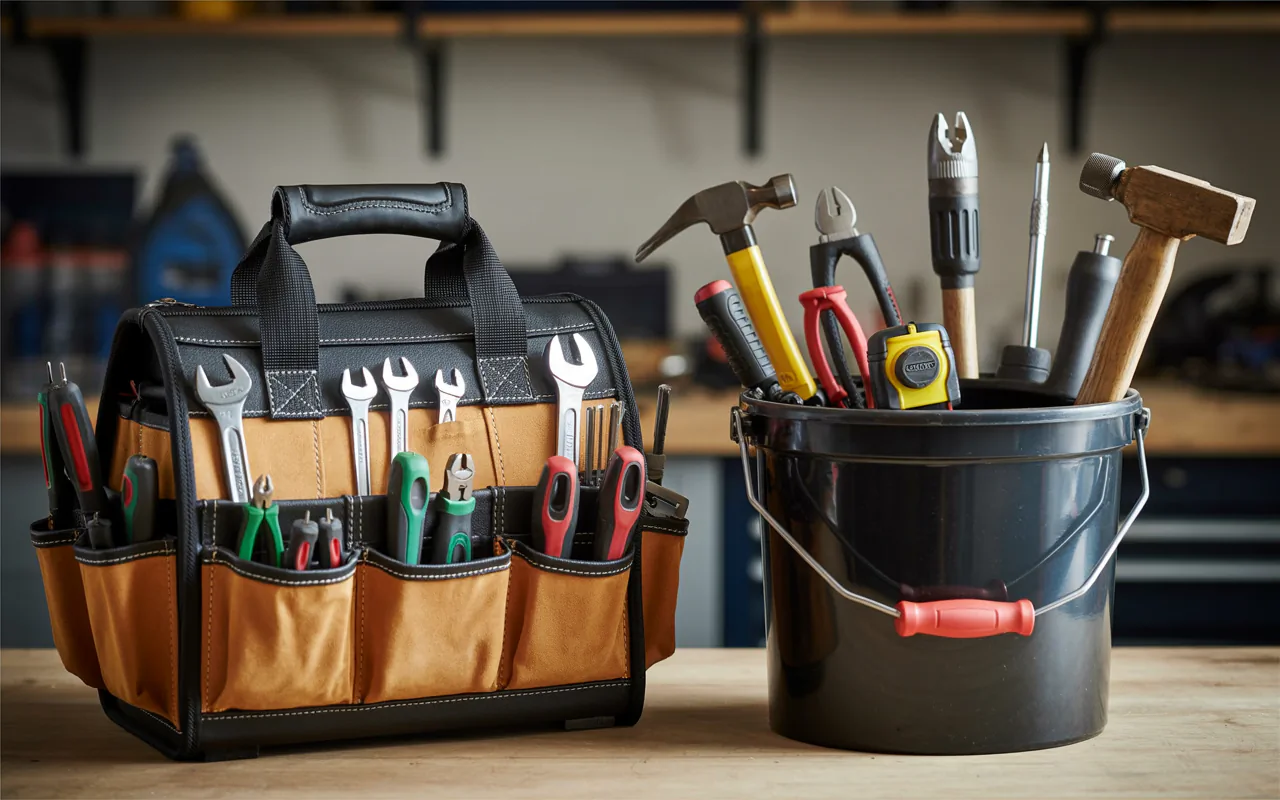
The debate between a tool bag vs tool bucket is common for many workers. This guide helps you choose the right storage option based on your daily tasks, durability needs, and organization preferences to keep your gear safe and accessible.
Picking the right way to carry your equipment changes how your work day feels. If you choose the wrong container, you spend too much time looking for a screwdriver or dealing with heavy, awkward gear. Professional tradespeople often swap between these two options depending on their specific site needs. A tool bag vs tool bucket decision involves looking at weight, access, and how you travel to your job.
Some people prefer the structured pockets found in bags. Others love the open, deep space of a bucket. Both items help you do your job, but they do it in very different ways. You want a setup that keeps you fast and efficient. When you have the right gear, your work flows better. You stop worrying about where your tools are and focus on the task at hand.
Efficiency is doing things right; effectiveness is doing the right things. – Peter Drucker
Benefits of Using a Tool Bag
Tool bags offer clear organization. Most bags have many pockets inside and outside. You can put your pliers in one slot and your testers in another. This keeps items from bumping into each other. If you have many small items, bags are excellent. They often come with shoulder straps, which makes carrying them over long distances much easier on your body.
The fabric used is often strong nylon or canvas. This makes them light but tough. Many bags have a zipper top. This keeps your gear dry if you work outside in the rain. Because they have a defined shape, you can stack them neatly in your van or truck. They look professional and keep everything in its place.
| Feature | Why It Helps |
| Many Pockets | Keeps small items separated and easy to grab. |
| Shoulder Strap | Takes the weight off your hands and wrists. |
| Zipper Closure | Protects tools from dust and light rain. |
Why a Tool Bucket Might Be Your Best Choice
A bucket is simple and very tough. It is just a deep, open container. You can toss your heavy tools inside without worrying about tight pockets or zippers. For tasks that require many large or odd-shaped items, a bucket is hard to beat. You can fit a drill, a hammer, a level, and extra parts all in one place.
Some people add a tool bucket organizer around the rim. This adds pockets while keeping the deep center open. This creates a hybrid of sorts. It is a great way to use the space if you have a wide range of tool sizes. Buckets are also very easy to clean. If they get muddy or oily, you just wipe them down or hose them off.
The most important thing is to keep the most important thing the most important thing. – Stephen Covey
Tool bag vs tool bucket for Daily Efficiency
When you look at the tool bag vs tool bucket comparison, think about your movement. If you move around a large construction site all day, a bag with a strap is great. It stays close to your hip and keeps your hands free. If you stay in one area, like a basement or a garage, a bucket is often more convenient. You can set it down and have all your gear visible at once.
Consider how you store things when you get home. Bags can be squeezed into tight shelves. Buckets need more floor space. If your shop is small, bags might save you room. If you work on jobs that are very messy, a bucket might be better because it is less likely to absorb dirt.
Organizing Your Gear for Success
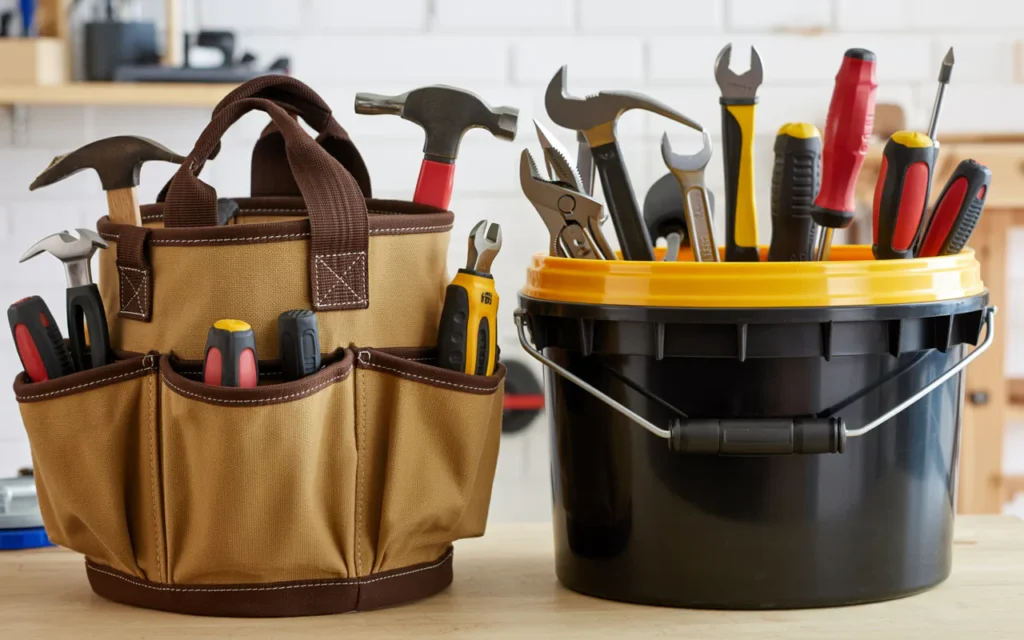
Organization is about speed. If you know exactly where your wrench is, you finish faster. Bags force you to be organized because every item has a specific home. This is great for beginners who might lose track of small parts. You learn where things belong quickly.
Buckets are more flexible. You can throw things in, but you might spend time digging for that one specific bit. To make a bucket work, you must be careful not to bury your important tools at the bottom. Use a clear system if you choose a bucket. Put heavy items low and light items high.
| Feature | Why It Helps |
| Deep Space | Holds large or bulky tools that do not fit in pockets. |
| Durability | Hard plastic resists sharp edges and heavy impact. |
| Easy Cleaning | Simple to wash away grime after a long day. |
Durability and Long-Term Value
A high-quality tool bag will last for years, but the zipper can eventually fail. If you carry very heavy metal tools, the bottom might wear out over time. You should check the stitching and the material thickness before you buy. A good bag is a great investment for someone who needs to keep tools clean and dry.
Buckets are almost impossible to break. They are made from thick plastic that can handle drops, scrapes, and heavy loads. If you are rough on your equipment, a bucket is the safer choice. They do not have moving parts like zippers or buckles. This means they rarely break or need repairs. You can use the same bucket for years without any issues.
Factors to Consider Before You Buy
First, count how many tools you carry. If you have ten items, a bag is perfect. If you have fifty, you might need a large bucket or even two bags. Think about the weight. A bag that is too heavy can hurt your back if the strap is not wide or padded. A bucket can be heavy too, but the handle is usually solid and easy to grip.
Think about the weather. If you work in a dry shop, a bucket is great. If you work in the rain, a bag with a good cover is better. Ask yourself if you need to protect your tools from rust. Bags usually provide better coverage to keep moisture away from metal surfaces.
Quality is not an act, it is a habit. – Aristotle
Finding the Right Balance
You do not have to pick just one. Many professionals use a tool bag vs tool bucket setup that mixes both. They keep their main hand tools in a bag and their fasteners or power tools in a bucket. This allows them to stay light while keeping everything they need nearby. This method is often the most successful for people who handle diverse projects.
Do not be afraid to try different setups. If you feel that your current bag is too small, look at a larger bucket. If your bucket is too messy, try a bag with more internal slots. Your needs will change as you gain more experience and get more tools. Stay open to new ways of carrying your gear.
Safety and Comfort on the Job
Your health matters. Carrying tools the wrong way leads to pain. A bag should always have a padded strap to spread the weight. A bucket handle should be thick and easy to hold without cutting into your palm. Never try to carry more than you can handle safely. If a load is too heavy, split it into two trips.
Safety also means keeping your workspace clear. If your bag or bucket is sitting in a walkway, it is a hazard. Always place your storage container in a corner or under your workbench. Keeping your tools tucked away keeps everyone on the site safe from trips and falls.
Keeping Your Tools in Good Shape
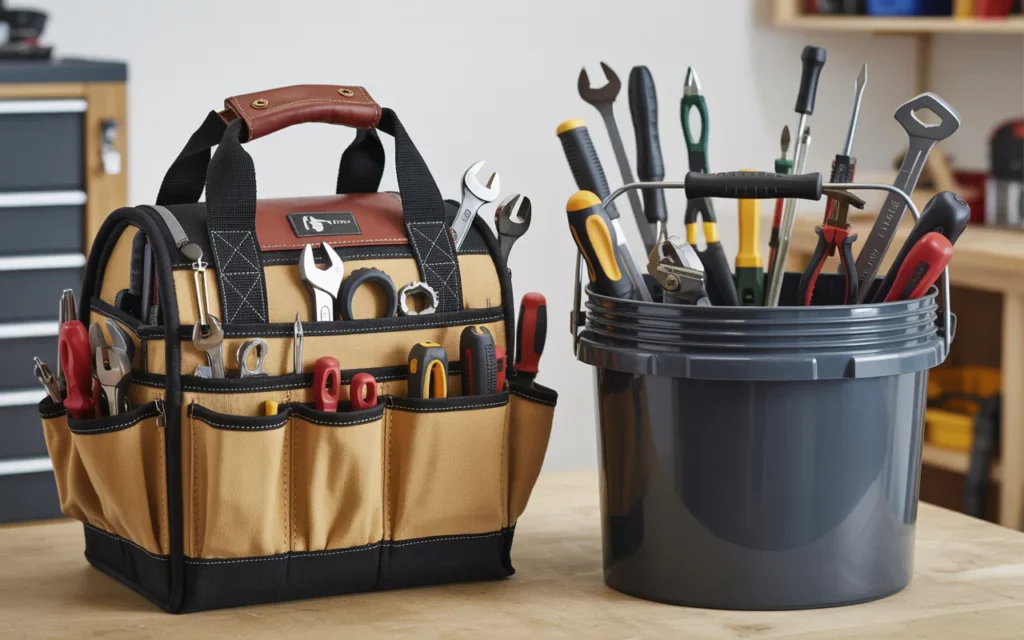
Tools are expensive. You want them to last a long time. A bag with individual pockets stops tools from clanging against each other. This prevents chips and scratches. It keeps your blades sharp and your handles clean. If you have expensive precision tools, a bag is much better than a bucket.
A bucket can lead to more wear because tools shift around. If you put a heavy hammer on top of a delicate meter, you might cause damage. If you use a bucket, consider adding a thin layer of foam at the bottom or wrapping your sensitive tools in rags. This little extra effort keeps your gear working well for a long time.
Frequently Asked Questions
Which one is better for heavy tools?
A bucket is usually better for heavy tools because it has a strong structure and no fragile zippers. It can handle the weight of metal tools without tearing.
Is a tool bag easier to carry?
Yes, a bag with a padded shoulder strap is easier to carry over long distances. It keeps your hands free and balances the weight across your body.
Can I use both at the same time?
Many people do. You can use a bag for small hand tools and a bucket for power tools or supplies. This is often the most efficient way to work.
How do I clean my storage?
Buckets are easy to hose off. Bags usually need a damp cloth and mild soap. Let them dry fully before you put your tools back in to prevent rust.
Which lasts longer?
Buckets generally last longer because they have no parts that can break, like zippers. They are made of solid plastic that stands up to rough treatment.
Conclusion
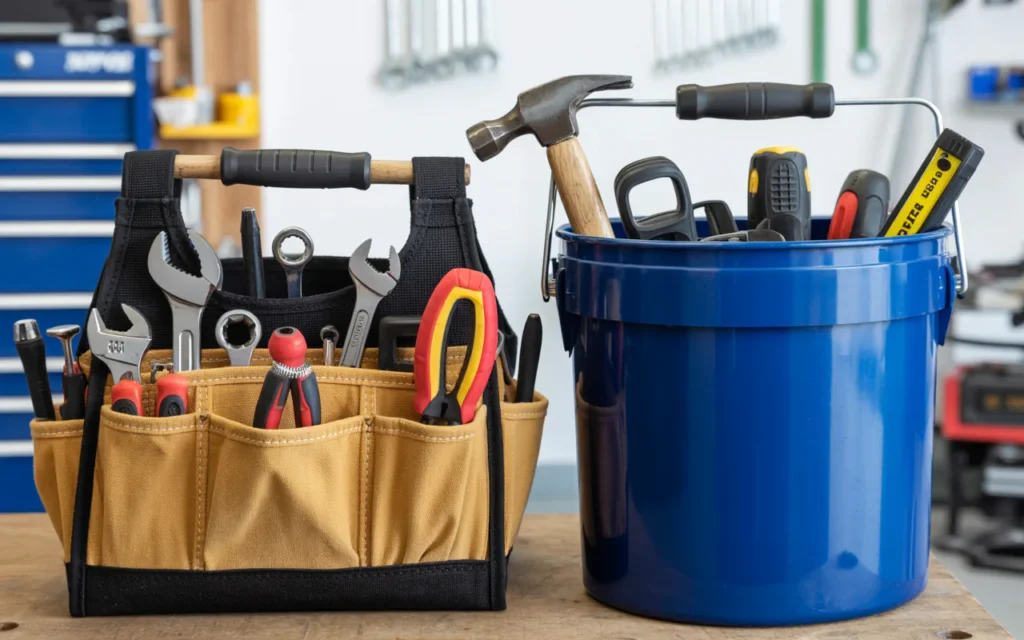
The choice between a tool bag vs tool bucket depends on what you value most. If you want organization, protection, and comfort while moving, go for a tool bag. If you need a rugged, simple container that holds a lot of gear and stands up to harsh conditions, a tool bucket is the clear winner. Consider your own work style and the types of projects you take on most often.
Most people start with one and eventually find that a combination works best. Focus on keeping your tools safe and accessible so you can do your best work every day. Whether you use a bag or a bucket, keep your gear organized and treat it well. This simple habit will save you time and money over the years.
Related posts
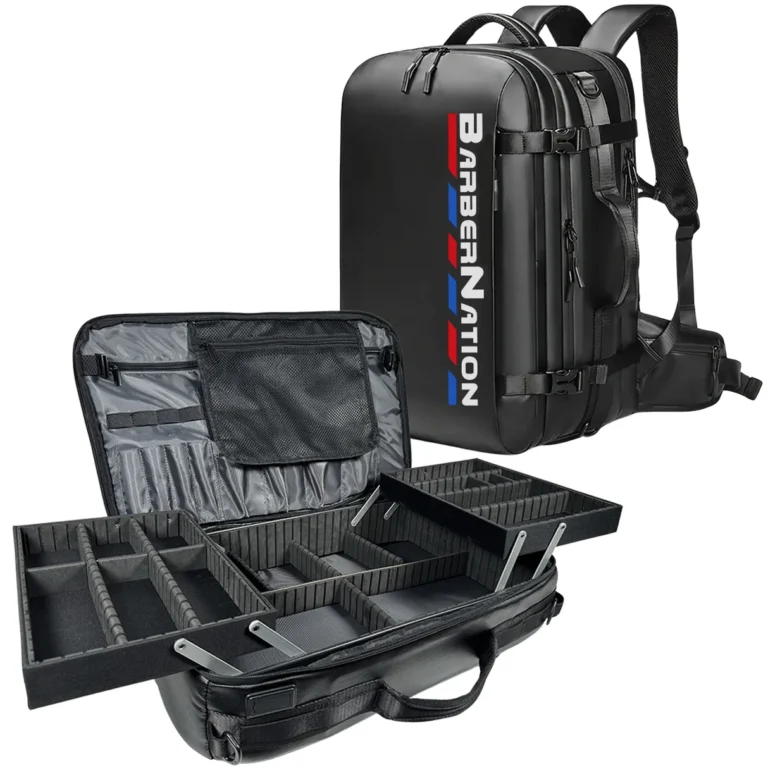 Top Tool Bags for Mobile Contractors: 2026 Buyer Guide
Discover the top tool bags for mobile contractors in 2026. Compare durable totes, backpacks, and multi-pocket organizers to find the best fit for your gear. For…
 Top Tool Bags for Plumbers: 2026 Selection Guide
Discover the top tool bags for plumbers in 2026. We compare durable, multi-pocket storage solutions to help you organize your gear effectively on the job. Plumbing…
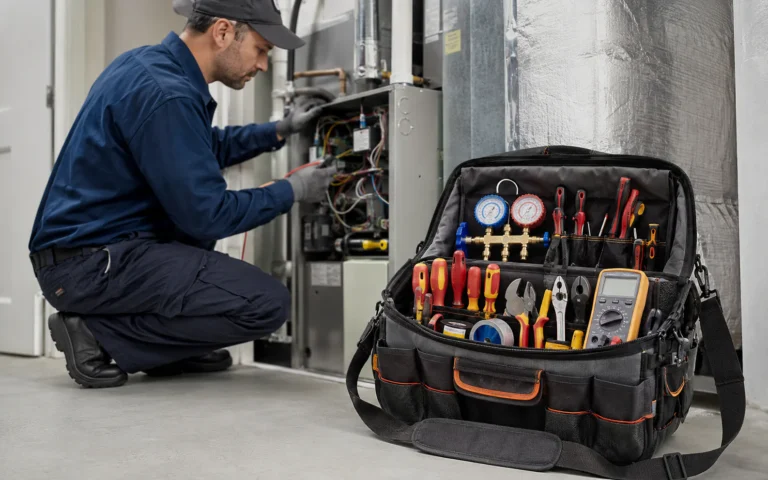 Best Tool Bag for HVAC Technicians in 2026
Find the right tool bag for HVAC technicians with our 2026 guide. Compare top-rated bags, backpacks, and pouches to keep your gear organized and protected. As…