
Why Insulated Tools Are Important: Essential Safety for Electrical Work
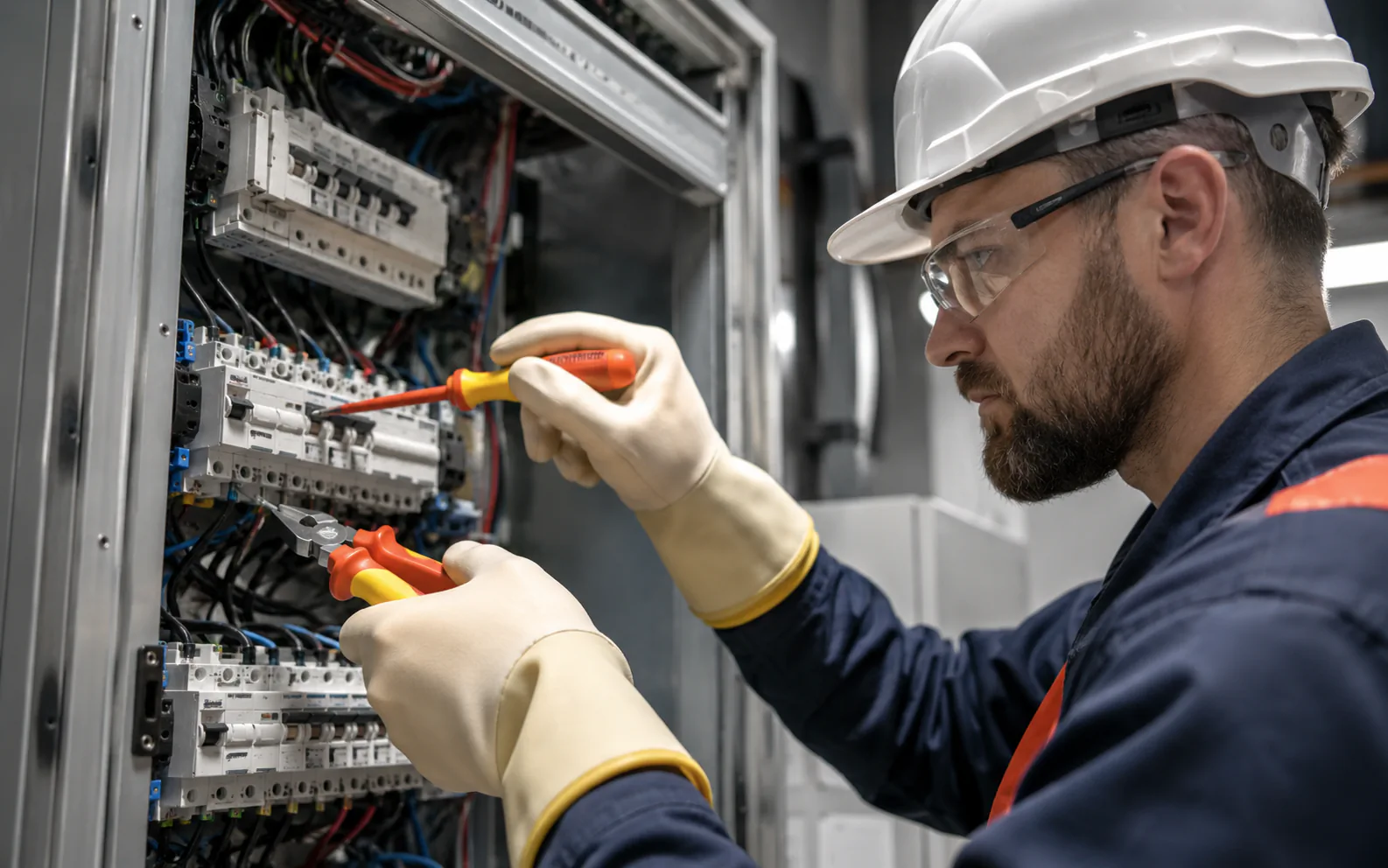
Insulated tools are important because they provide a critical layer of protection against accidental electrical shock when working on or near energized circuits. Unlike standard hand tools, these are coated with specialized dielectric materials designed to withstand high voltages, typically up to 1000V.
Beyond protecting you from injury, these tools prevent short circuits that can damage sensitive equipment or trigger dangerous arc flashes. Using them is a standard safety practice that ensures you have a reliable barrier between your body and an electrical current.
Safety checks
- Insulated tools provide a dielectric barrier against accidental contact with live parts.
- They help prevent short circuits that can cause dangerous arc flashes.
- Regular visual inspection is required to ensure the insulation layer is intact.
- Always treat circuits as live even when using insulated tools.
| Topic | When it helps | What to keep in mind |
|---|---|---|
| 1 | Anyone working in electrical panels or near exposed wiring. | Insulation does not make a tool ‘invincible’; it is a secondary safety measure. |
| 2 | Tight spaces where tools might slip. | Even a small arc can cause severe burns or eye damage. |
| 3 | Sensitive electronics and control systems. | A short circuit can destroy expensive equipment instantly. |
Why Standard Tools Are Not Enough
Standard hand tools are made of conductive metal, which is excellent for durability but dangerous in electrical environments. When you use a standard tool, you are essentially creating a path for electricity to follow if you make contact with a live component.
Insulated tools undergo rigorous testing to ensure the coating maintains its dielectric properties under specific voltage conditions. This is not just about the thickness of the handle; it is about the material’s ability to resist electrical breakdown.
A standard screwdriver shaft is conductive; if it slips and touches a busbar, the current travels directly through the metal to your hand.
Do not attempt to ‘insulate’ standard tools with electrical tape; this does not provide the necessary dielectric rating or safety certification.
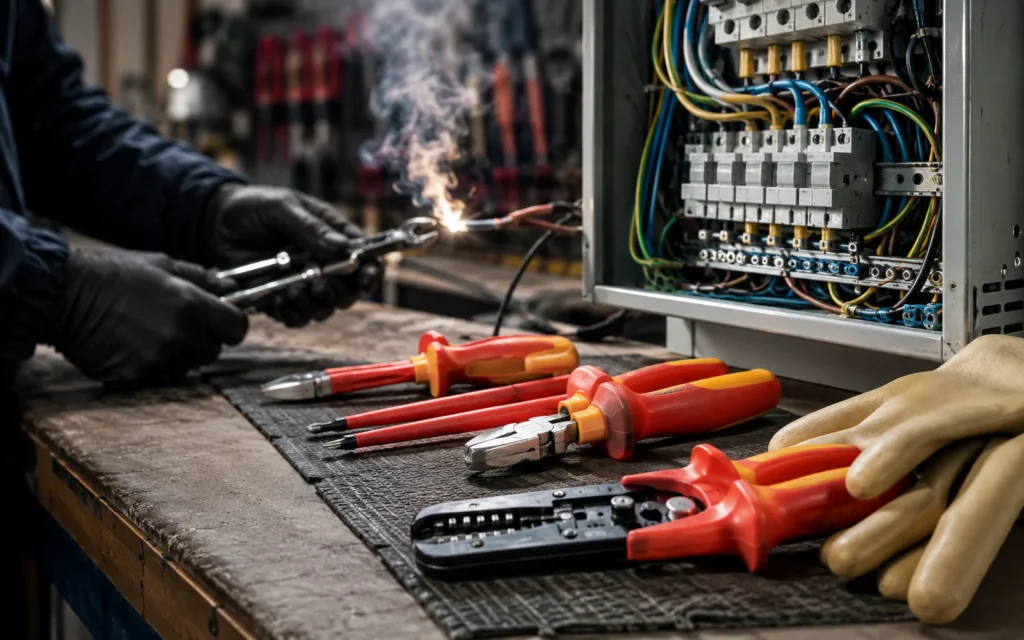
| Feature | Standard Tool | Insulated Tool |
|---|---|---|
| Conductivity | High (Metal) | Low (Dielectric Coating) |
| Safety Rating | None | 1000V Rated |
| Primary Use | General construction | Electrical work |
| Inspection | None required | Mandatory before use |
Maintaining Your Safety Barrier
Even the best-insulated tools are only safe if the insulation layer is intact. Over time, drops, scrapes, and exposure to chemicals can degrade the protective coating. A regular inspection routine is just as important as using the tool itself.
Before every use, perform a quick visual check. Look for cuts, abrasions, or discoloration. If the tool has been dropped from a significant height, inspect it for hidden fractures in the insulation. If you have any doubt about the integrity of the coating, replace the tool.
If you see a crack, nick, or deep scratch in the orange insulation coating, the tool must be retired immediately.
Ignoring minor damage to the insulation layer; even a small breach can compromise the tool’s safety rating.
- Check for cracks or deep gouges in the handle.
- Ensure the insulation is not peeling or bubbling.
- Keep tools clean and free of conductive dust or grease.
- Store tools in a dedicated case to prevent damage from other metal objects.
Focus on electrical shock prevention
1. Personal Shock Protection
The primary purpose is to prevent current from passing through your body if you accidentally touch a live wire.
- Anyone working in electrical panels or near exposed wiring.
- Insulation does not make a tool ‘invincible’; it is a secondary safety measure.
- Always verify the tool has the 1000V rating symbol (a double triangle) before use.
- Protection – High
- Primary Use – Live circuit proximity
2. Arc Flash Mitigation
Insulated tools prevent metal shafts from bridging two points of different potential, which causes short circuits and arc flashes.
- Tight spaces where tools might slip.
- Even a small arc can cause severe burns or eye damage.
- Use insulated tools even when you believe the power is off as a precaution.
- Risk Reduction – High
- Application – Panel maintenance
3. Equipment Integrity
By preventing accidental shorts, you protect the circuit boards and components you are working on from sudden surges.
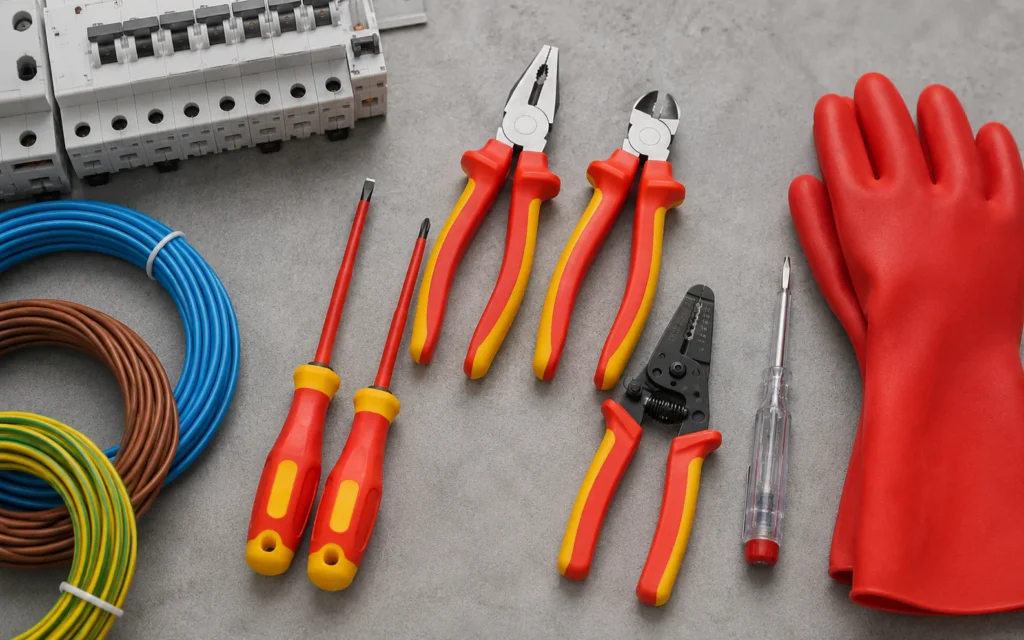
- Sensitive electronics and control systems.
- A short circuit can destroy expensive equipment instantly.
- Keep tools clean to prevent conductive buildup on the insulation.
- Benefit – Equipment longevity
- Risk – Component damage
FAQs
Can I use insulated tools on live wires?
While insulated tools are designed for use near live circuits, you should always de-energize the circuit whenever possible. They are a safety precaution, not a license to work on live wires without proper training and PPE.
How do I know if my tool is truly insulated?
Look for the 1000V rating symbol, which is a double triangle icon, and the VDE or similar certification mark stamped on the tool. If it lacks these markings, it is not a certified insulated tool.
Why do electricians keep one hand in their pocket?
This is a safety practice to prevent a ‘hand-to-hand’ current path. If you touch a live wire with one hand and a ground with the other, the current can pass through your heart. Keeping one hand away reduces this risk.
Do I need insulated tools for home DIY projects?
If you are working on anything involving electrical outlets, switches, or panels, yes. Even for simple tasks, the risk of accidental contact makes insulated tools a smart, low-cost investment for your safety.
Conclusion
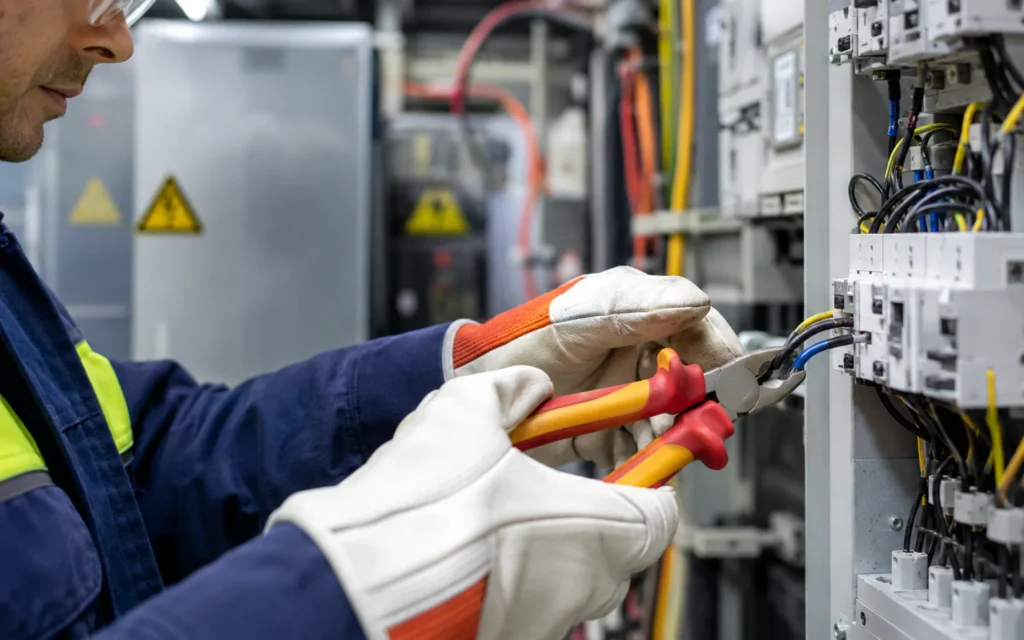
Insulated tools are a fundamental component of electrical safety, acting as a vital barrier between you and potential hazards. By choosing tools with the correct 1000V rating and maintaining them through regular inspections, you significantly reduce the risk of injury and equipment damage.
Remember that these tools are your last line of defense. Always prioritize de-energizing circuits first, and use your insulated tools as a necessary safeguard for those moments when accidental contact is a possibility.
Related posts
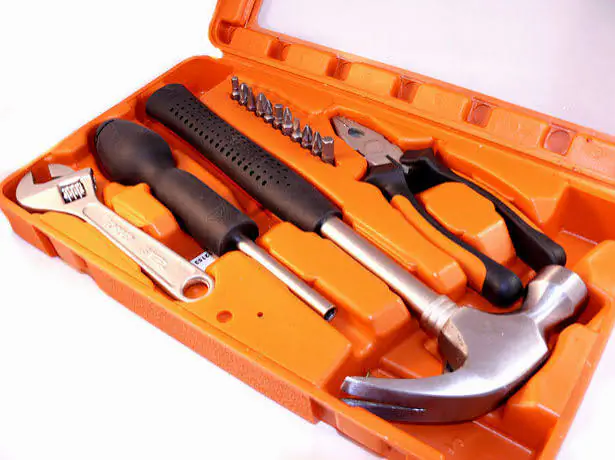 Which Tool Kit Is Worth Buying? How to Choose the Right Set for Your Home
Wondering which tool kit is worth buying? Compare basic household sets, mechanic kits, and power tool combos to find the best tools for your budget and…
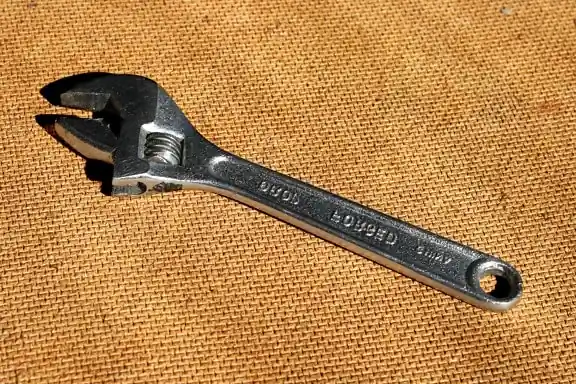 Which Hand Tools Are Made in the USA? Reliable Brands and Buying Rules
Discover which hand tools are still made in the USA. Compare top domestic brands, tool categories, and learn how to verify origin labels before buying. Several…
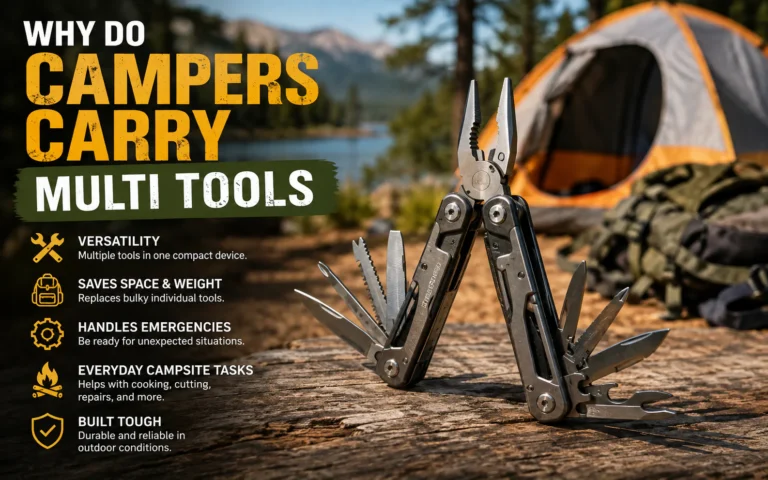 Why Do Campers Carry Multi Tools? Practical Uses in the Field
Why do Campers carry multi tools to handle gear repairs, campsite setup, food prep, and field fixes with minimal weight. Here is why one belongs in…