
Why Do Screw Heads Become Damaged? 5 Common Causes
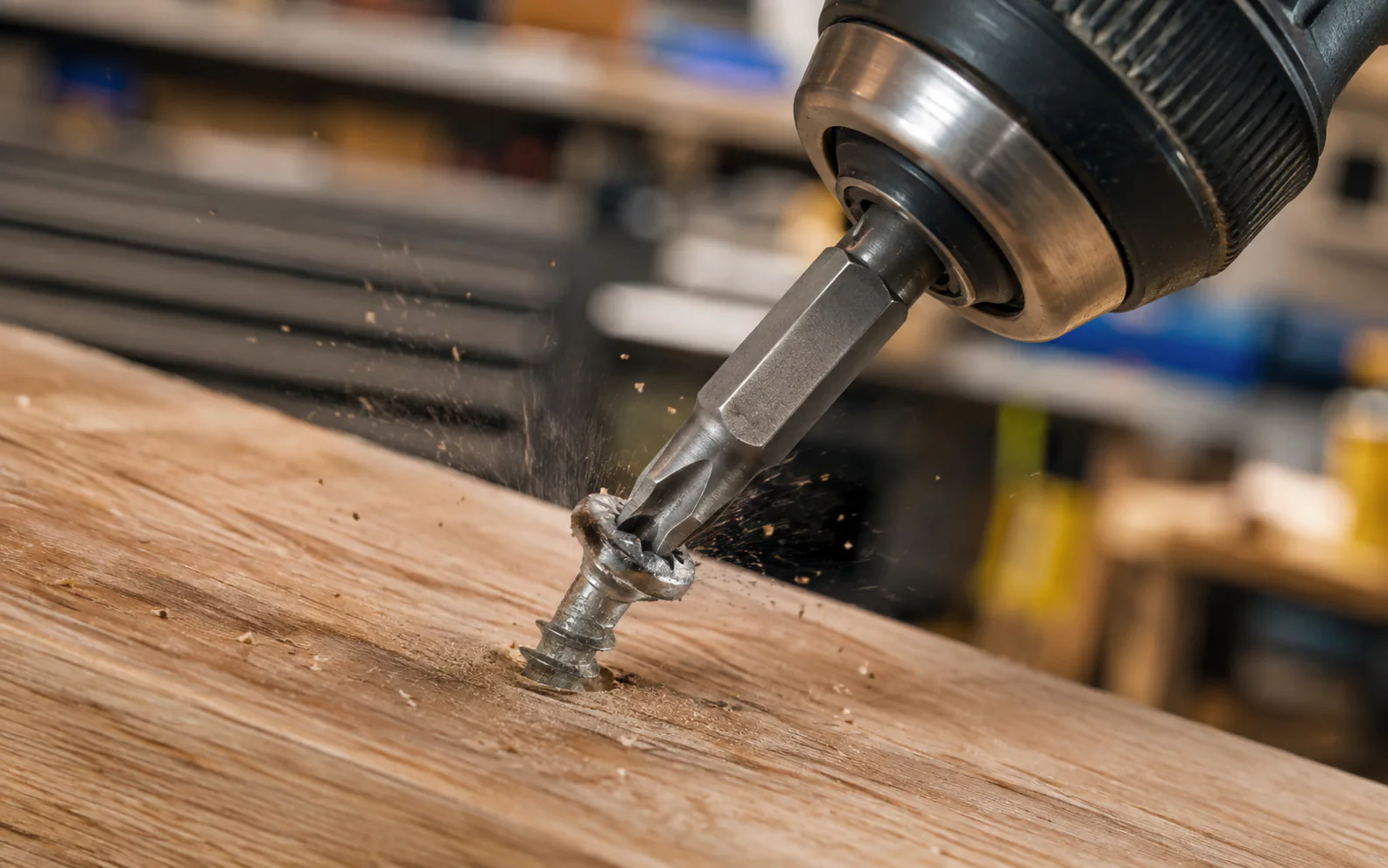
Screw heads become damaged primarily due to a mechanical mismatch between the driver bit and the screw recess, excessive rotational force, or poor driving technique. When the tool does not fit perfectly inside the screw head, it slips under pressure.
Another common form of damage is shearing, where the entire head of the screw snaps off from the shaft. This happens when the rotational force (torque) applied to the head exceeds the physical strength of the metal, often because the screw met too much resistance in the material or was driven in without a pilot hole.
To stop damaging your fasteners, you must identify whether the issue stems from your tool selection, your power settings, or the quality of the screws themselves. Adjusting these variables will immediately save your projects from the frustration of stripped and broken hardware.
| Topic | When it helps | What to keep in mind |
|---|---|---|
| 1 | Test the fit by hand before driving. | Never assume all cross-shaped screw heads are standard Phillips. |
| 2 | Set your drill clutch to a lower number. | Avoid using high-speed drilling modes for driving screws. |
| 3 | Position your body directly behind the drill. | Awkward angles are common in tight corners or when working overhead. |
| 4 | Inspect your driver bits regularly. | Cheap multi-bit sets often use low-grade steel that deforms under moderate pressure. |
| 5 | Always drill a pilot hole that matches the inner shaft diameter of the screw (excluding the threads) when working with hardwoods or metal. | Drywall screws are highly brittle and should never be driven into hardwood without a pilot hole. |
How to Match Symptoms to the Cause
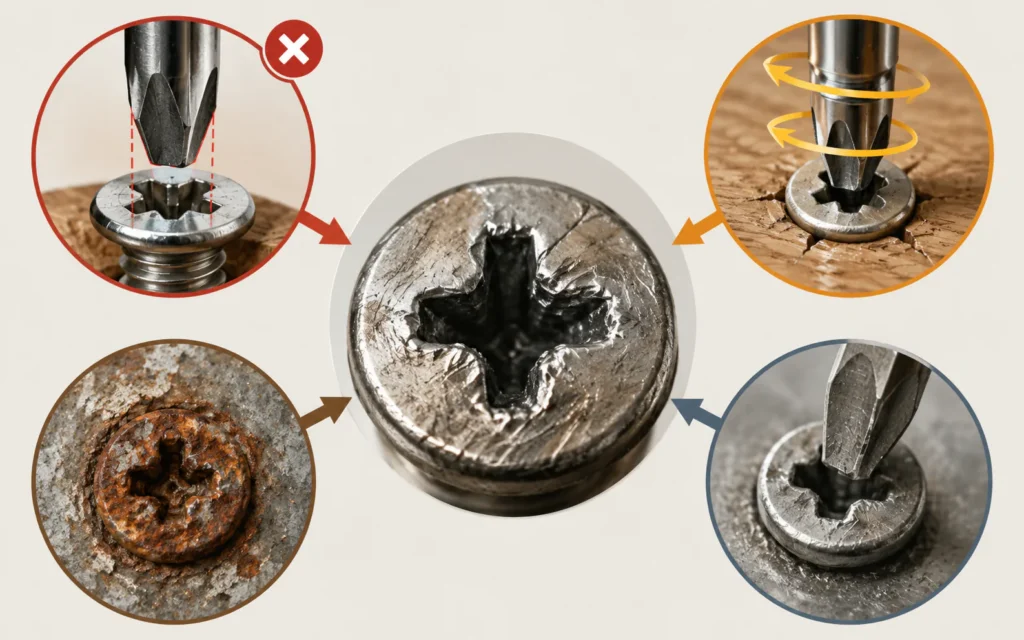
Not all damaged screw heads look the same. By closely examining the pattern of the damage, you can pinpoint the exact mechanical failure.
For instance, a clean break where the head is completely missing usually points to a structural failure from over-tightening or material resistance. On the other hand, a perfectly circular, smooth depression where a cross-shape used to be is a classic sign of high-speed tool slippage.
If you look at a screw head and see that only one side of the cross is completely ground flat while the other side is intact, you were driving the screw at a sharp angle rather than straight on.
Do not keep trying to drive a screw once you notice the first sign of slipping.
- Rounded center recess: Caused by high-speed spinning of a mismatched or worn driver bit.
- Snapped neck (head gone): Caused by excessive torque, lack of a pilot hole, or brittle screw material.
- Asymmetrical wear: Caused by holding the drill or screwdriver at an angle.
- Chipped drive corners: Caused by using a bit that was too small for the screw head.
| Visual Symptom | Most Likely Cause | Immediate Correction |
|---|---|---|
| Smooth, circular crater in the head. | High-speed spinning of a mismatched bit. | Switch to the correct bit size and slow down. |
| Screw head snaps off completely. | Excessive torque or no pilot hole. | Drill a pilot hole and lower the drill clutch. |
| One side of the drive recess is gouged. | Driving the screw at an angle. | Align the drill perfectly straight with the screw. |
| Metal shavings inside the recess. | Worn-out driver bit slipping. | Replace the worn driver bit with a new one. |
The Impact of Material Quality and Corrosion
The quality of the metal used to manufacture the screw plays a massive role in how well it resists damage. Cheap, bulk-bin screws are often made from soft steel alloys that deform under minimal pressure.
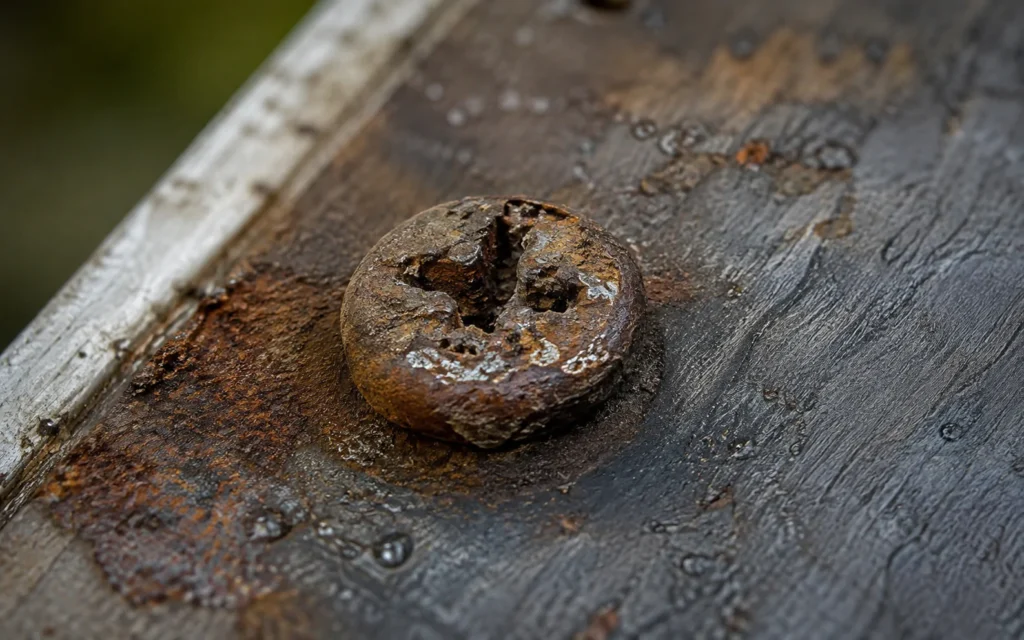
Environmental exposure also degrades fasteners over time. When moisture penetrates the wood or metal surrounding a screw, rust begins to form.
Do not use cheap drywall screws for structural woodworking.
Using cheap zinc-plated utility screws for an outdoor deck project.
- Brass screws: Extremely soft and decorative; always require a pilot hole and manual screwdriver.
- Stainless steel screws: Highly corrosion-resistant but softer than hardened steel; prone to stripping if driven too fast.
- Zinc-plated screws: Good for indoor use, but the thin plating wears off outdoors, leading to rust and head.
- Hot-dip galvanized screws: Excellent for outdoor use, though the thick coating can sometimes clog the drive recess, requiring.
Practical Techniques to Prevent Damaged Screw Heads
Preventing damaged screw heads is largely a matter of technique and preparation. The most important physical principle to remember is the ratio of downward pressure to rotational force.
Additionally, preparing the material makes a massive difference. Drilling a pilot hole removes the excess material that would otherwise compress against the screw threads, reducing the overall friction.
When driving a screw into a tough piece of oak, lean your body weight directly over the back of the drill.
Do not rely solely on the speed of your drill to get the job done.
- Apply heavy downward pressure: Keep your body weight behind the tool to lock the bit in place.
- Use the correct speed: Slow down as the screw head nears the surface of the material.
- Lubricate the threads: Use wax or soap to reduce friction in hard materials.
- Keep spare bits handy: Replace your driver bits at the first sign of wear to protect your fasteners.
The concept of cam-out and
- Using the wrong size or type of driver bit is the leading cause of stripped screw heads.
- Cam-out occurs when the driver bit slips out of the screw recess under rotational force, grinding down the metal.
- Excessive speed and torque from impact drivers or drills can easily shear brittle screws or round out soft metals.
- Failing to drill a pilot hole increases resistance, forcing the screw head to bear more stress than it can handle.
- Corrosion weakens the structural integrity of the screw head, making it prone to snapping during removal.
Focus strictly on the causes
1. Using the Wrong Driver Bit Size or Type
The most frequent culprit is using a driver bit that looks close enough but does not actually match the screw head. For example, inserting a Phillips bit into a Pozidriv screw, or using a #1 Phillips bit on a #2 screw.
- Never assume all cross-shaped screw heads are standard Phillips.
- Test the fit by hand before driving.
- Primary Risk – Immediate stripping of the recess.
- Prevention Difficulty – Very Easy.
2. Excessive Torque and High Drill Speeds
Modern power drills and impact drivers deliver immense rotational force. If you drive a screw at maximum speed, the bit can easily slip out of the recess.
- Avoid using high-speed drilling modes for driving screws.
- Set your drill clutch to a lower number.
- Primary Risk – Sheared heads or rounded recesses.
- Prevention Difficulty – Easy.
3. Driving at an Angle
To transfer rotational force efficiently, the driver bit must be perfectly aligned with the shaft of the screw. If you hold the drill at even a slight angle, the bit will only make contact with one side of the screw recess.
- Awkward angles are common in tight corners or when working overhead.
- Position your body directly behind the drill.
- Primary Risk – One-sided stripping and crooked installation.
- Prevention Difficulty – Medium.
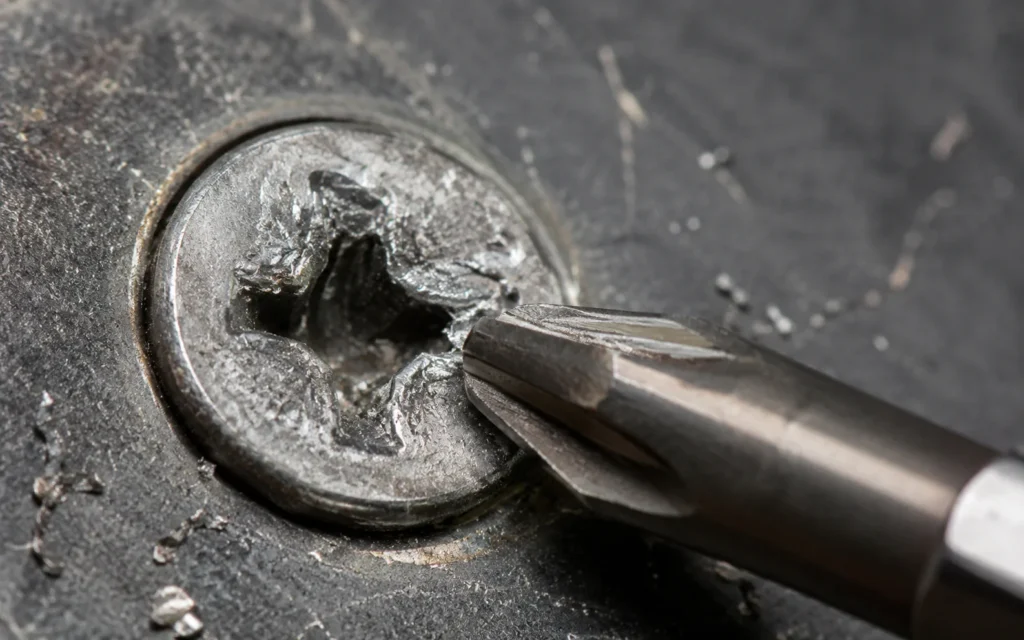
4. Worn-Out or Cheap Driver Bits
Driver bits are consumable tools that wear down over time. The sharp edges of a new bit gradually become rounded with use.
- Cheap multi-bit sets often use low-grade steel that deforms under moderate pressure.
- Inspect your driver bits regularly.
- Primary Risk – Repetitive cam-out on multiple screws.
- Prevention Difficulty – Very Easy.
5. Skipping the Pilot Hole in Hard Materials
When driving a screw into hardwood, dense plastic, or metal, the threads encounter massive resistance. If you do not drill a pilot hole first, the friction and resistance build up rapidly.
- Drywall screws are highly brittle and should never be driven into hardwood without a pilot hole.
- Always drill a pilot hole that matches the inner shaft diameter of the screw (excluding the threads) when working with hardwoods or metal.
- Primary Risk – Snapped screw heads.
- Prevention Difficulty – Medium.
FAQs
What is it called when a screw head is ruined?
When the drive recess of a screw head is rounded out so that a screwdriver can no longer grip it, the screw is referred to as ‘stripped.’ If the head breaks off from the shaft entirely, it is called a ‘sheared’ or.
Why do my screw heads keep breaking off?
Screw heads break off when the rotational force exceeds the strength of the metal. This is usually caused by driving brittle screws (like drywall screws) into hard materials without drilling a pilot hole first, or by using excessive torque settings on an.
How do I remove a screw with a damaged head?
You can remove a stripped screw by placing a wide rubber band over the head to give the driver bit extra grip. If that fails, use a dedicated screw extractor tool, or grab the exposed head firmly with locking pliers to back.
Can a worn-out driver bit damage a new screw?
A worn-out driver bit has rounded edges that cannot seat properly in the screw recess. Even with a brand-new screw, a worn bit will slip easily under pressure, quickly grinding down and ruining the new screw head.
Why do Phillips head screws strip so much easier than Star or Torx screws?
Phillips screws were actually designed to cam out (slip) intentionally to prevent factory workers from over-tightening them and damaging assembly parts. Star (Torx) and square (Robertson) drives are designed to maximize grip and transfer torque efficiently without slipping.
Conclusion
Damaged screw heads are a frustrating but entirely preventable part of DIY and construction work. In almost every case, the damage is caused by a simple mechanical mismatch, such as using a worn-out bit, the wrong drive size, or too much speed and torque.
Before you start your next project, inspect your driver bits and replace any that show signs of wear. Investing in high-quality, impact-rated bits and taking your time during installation will keep your fasteners intact and your projects structurally sound.
Related posts
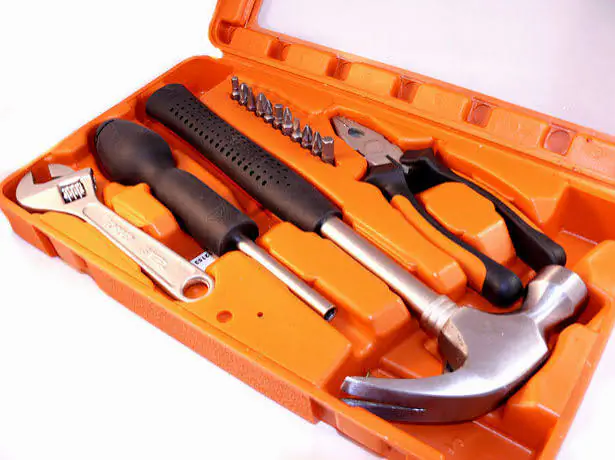 Which Tool Kit Is Worth Buying? How to Choose the Right Set for Your Home
Wondering which tool kit is worth buying? Compare basic household sets, mechanic kits, and power tool combos to find the best tools for your budget and…
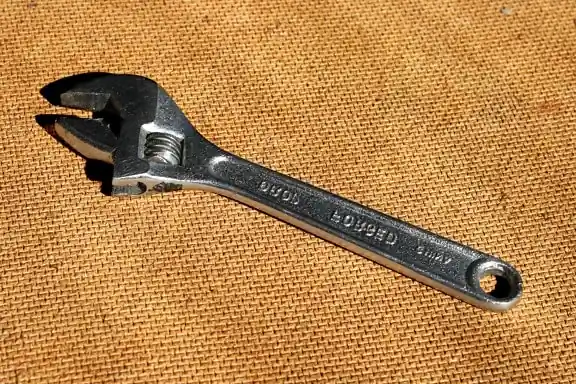 Which Hand Tools Are Made in the USA? Reliable Brands and Buying Rules
Discover which hand tools are still made in the USA. Compare top domestic brands, tool categories, and learn how to verify origin labels before buying. Several…
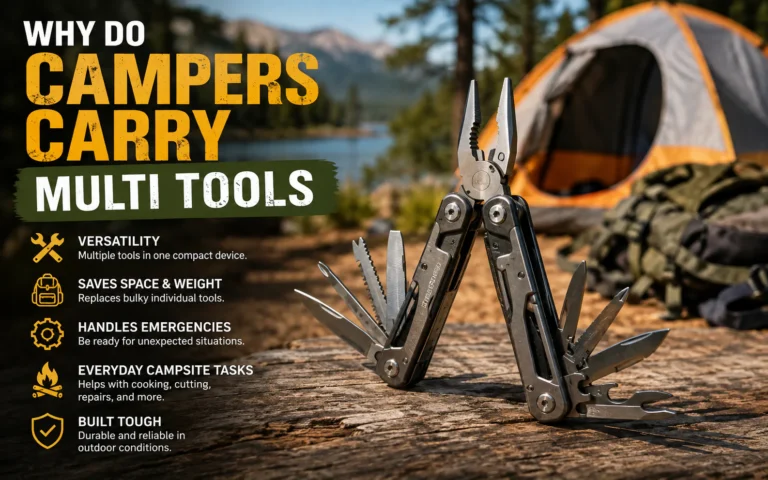 Why Do Campers Carry Multi Tools? Practical Uses in the Field
Why do Campers carry multi tools to handle gear repairs, campsite setup, food prep, and field fixes with minimal weight. Here is why one belongs in…