
What Are The Limitations Of A Basic Home Tool Kit
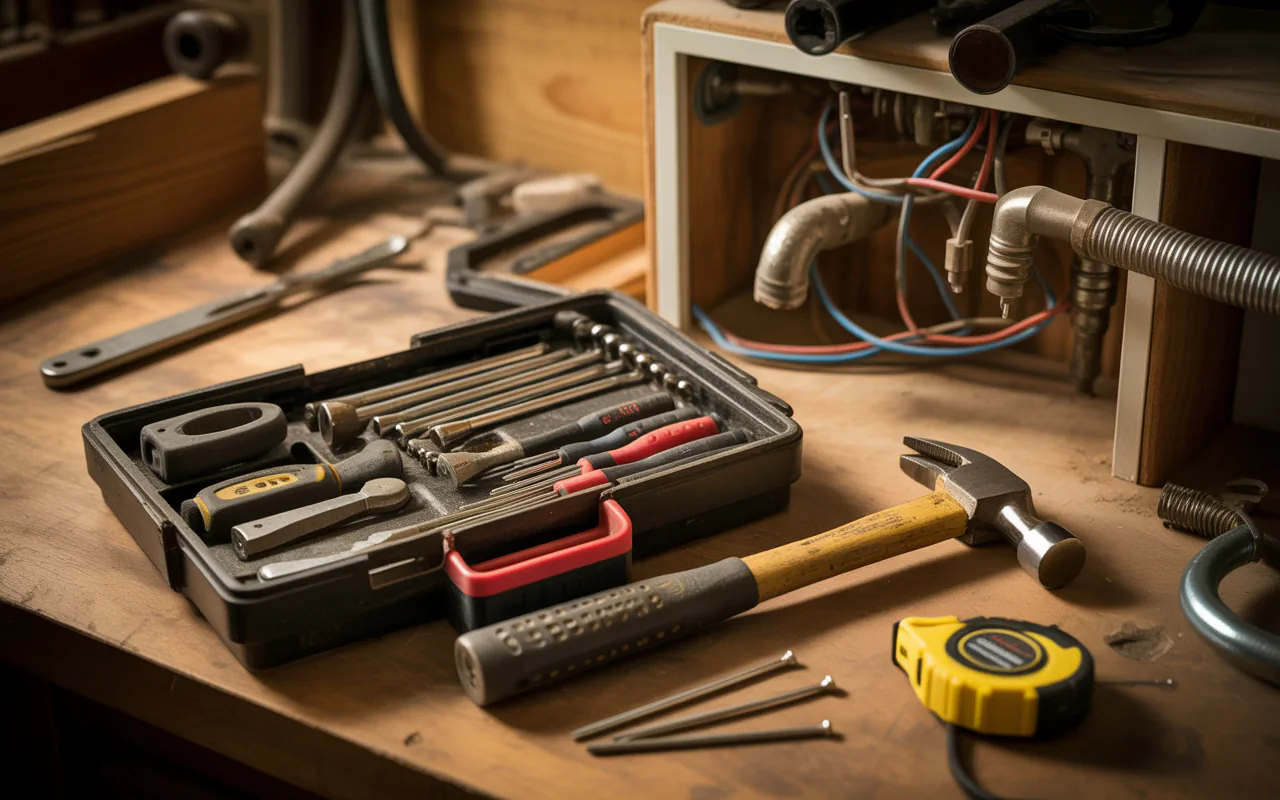
Do you know the limitations of a basic home tool kit? Most kits lack specialty tools, durability, and proper sizes for common repairs. Find out what you need to add.
You just moved into your first apartment or bought a small home. You feel proud. Then someone says, “Get a basic home tool kit.” So you buy that nice little box with a hammer, a few screwdrivers, a wrench, and some pliers. It looks perfect on the shelf. But then a real repair shows up. A leaky faucet. A loose cabinet door that won’t stay shut. A picture hook that needs a wall anchor. Suddenly, that shiny kit does not help much. That is when you start asking: What are the limitations of a basic home tool kit?
I have been fixing things around my own house for over fifteen years. I have owned three of those starter kits. And I have learned the hard way that they are only a starting point. They are not bad. They are just limited. In this article, I will walk you through those limits. I will show you exactly what a basic kit cannot do. And I will help you figure out what to buy next. No fancy words. Just real help from someone who has dropped many screws behind the fridge.
Why a Basic Home Tool Kit Seems Perfect at First
When you open a basic home tool kit for the first time, it feels complete. You see a hammer, a tape measure, a pair of slip-joint pliers, a set of screwdrivers (flathead and Phillips), an adjustable wrench, and maybe a small level. Some kits add a utility knife and a few hex keys. Everything fits neatly in a plastic case.
The Appeal of All-in-One Kits
These kits sell well because they promise simplicity. You do not have to think. You just buy one box and feel ready. Stores place them near the checkout. They cost between 15and40. For that price, you get a little of everything. That feels like a smart deal.
But here is the truth. A basic kit is a collection of low-cost tools. Each tool is made to fit many situations poorly, rather than a few situations well. The hammer is too light. The screwdrivers are too soft. The wrench is too small. You will understand this the first time you try a real repair.
“Most homeowners buy a basic tool kit and then spend twice as much replacing the broken tools inside it within a year.” – Linda Garcia, DIY Workshop Instructor
Let me show you what a typical basic kit includes and what each tool can actually handle.
Table 1: Common Items in a Basic Kit vs What They Actually Do
| Tool | What the Kit Includes | What It Can Actually Do |
|---|---|---|
| Hammer | 8 oz curved claw | Hang small pictures, tap light nails into soft wood |
| Screwdrivers | 4 pieces (2 flathead, 2 Phillips) | Tighten loose screws on toys, outlet covers, small hinges |
| Adjustable wrench | 6 inch | Turn small nuts and bolts up to ½ inch |
| Pliers | 6 inch slip-joint | Grip small objects, bend thin wire |
| Tape measure | 12 foot | Measure furniture, small wall spaces |
| Level | 6 inch plastic | Check small frames and shelves |
These tools work fine for a dorm room or a rental with no repairs. But for a real home? The limits show up fast.
The Main Limitations of a Basic Home Tool Kit
Now let me answer the question directly. The limitations of a basic home tool kit fall into six clear categories. I have seen each of these limits stop a repair cold. Many people end up calling a handyman for a job that would take ten minutes with the right tool.
Lack of Proper Size Range
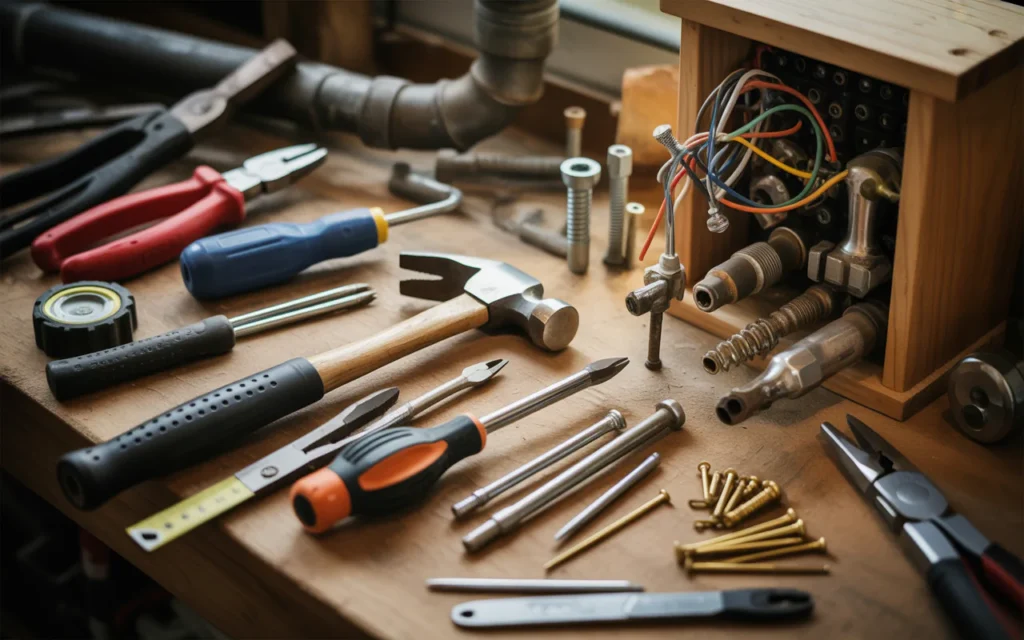
A basic kit gives you one or two sizes of each tool. One wrench. Two screwdriver tips. One hammer. Real repairs need many sizes. A loose toilet handle uses a different nut than a leaky shower head. A basic kit usually does not include the smaller or larger sizes you need.
For example, many basic kits include a #2 Phillips screwdriver. That fits medium screws. But your laptop? It needs a #0 or #1. Your door hinge? That might use a #3. Without the right size, you strip the screw head. Then you have a bigger problem.
The same goes for hex keys. Basic kits often include a few small hex keys for furniture assembly. But they miss the medium and large sizes used for plumbing fixtures or exercise equipment.
Poor Build Quality and Durability
Here is a hard lesson. Cheap tools break. The screwdriver tip bends. The wrench opens too wide and slips. The hammer head comes loose. I once used a basic kit screwdriver to open a painted-shut window. The tip twisted like a pretzel.
Manufacturers of these kits save money by using softer metals and thinner plastics. The pliers have loose joints. The tape measure tears easily. The level is not even accurate. You can test this yourself. Place the level on a flat table. Mark the bubble position. Then flip the level end to end. If the bubble moves, the level is wrong.
“I tell my students to avoid basic kits entirely. Buy three good tools instead of fifteen bad ones.” – Marcus Webb, Professional Handyman
Poor quality does not just frustrate you. It can damage your home. A slipping wrench strips a bolt. A soft screwdriver chews up a screw head. A weak hammer misses the nail and dents your wall.
Missing Specialty Tools for Common Jobs
This is one of the biggest limitations of a basic home tool kit. You cannot fix plumbing without a basin wrench or pipe wrench. You cannot do electrical work without a voltage tester and wire strippers. You cannot hang a heavy shelf without a stud finder and a proper drill.
Yet basic kits include none of these. They give you a general hammer and expect you to hit every problem. Real home repairs demand specific shapes and functions. A slip-joint plier cannot replace a groove-joint plier for large pipes. A flathead screwdriver cannot replace a pry bar for removing baseboards.
I remember trying to fix a running toilet with only my basic kit. I needed a large adjustable wrench for the supply line nut. My kit’s 6-inch wrench was too small. I needed a replacement flapper. Not included. I needed pliers to remove the old clip. The pliers were too small and slipped. I gave up and bought a real set of tools the next day.
No Ergonomic Handles for Comfort
Basic kit tools have hard plastic or skinny metal handles. They do not fit your hand well. After twenty minutes of work, your palm hurts. Your fingers cramp. You lose grip strength. This is not just discomfort. It is a safety issue.
Good tools have rubberized grips, curved handles, and proper weight balance. Basic kit tools have none of that. The hammer handle is too thin. The screwdriver handle is too small to get good torque. The pliers pinch your palm when you squeeze hard.
If you have arthritis or weak hands, a basic kit is even harder to use. The lack of ergonomics means you apply less force. You lose control. You are more likely to slip and hurt yourself.
Inadequate Fasteners and Parts
Some basic kits try to be helpful by including a small bag of wall anchors, screws, and nails. But these are usually low quality. The screws strip easily. The anchors are too flimsy for drywall. The nails bend when you hit them.
More importantly, the kit gives you no variety. You get ten small screws and five anchors. What about a lag bolt for a heavy shelf? What about masonry anchors for a brick wall? What about finishing nails for trim work? None of that is there.
This means you still run to the hardware store for fasteners. And while you are there, you end up buying the tools you should have bought in the first place.
No Safety Gear Included
Have you ever seen a basic home tool kit with safety glasses? Or work gloves? Or ear protection? I have not. Yet every repair carries some risk. A flying nail. A shard of broken ceramic. A loud hammer strike near your ear.
The limitations of a basic home tool kit include a complete lack of safety equipment. You are expected to work without protection. That is not smart. I have had metal flakes fly into my eye from cutting a wire. I have smashed my finger because a cheap hammer slipped. A $3 pair of glasses would have saved me a lot of pain.
Real Life Examples Where a Basic Kit Fails
Let me give you four real home repairs. Each one is common. Each one is simple. And each one shows the limitations of a basic home tool kit clearly.
Example 1: Fix a Leaky Faucet
You need an adjustable wrench or a basin wrench that reaches under the sink. You need replacement washers or a cartridge. You might need a hex key for the set screw. A basic kit gives you a small wrench that cannot reach, pliers that slip, and no replacement parts. You cannot fix the leak.
Example 2: Hang a Heavy Mirror
You need a stud finder to locate wood behind the drywall. You need a drill and proper bits to make pilot holes. You need a level longer than 6 inches to keep the mirror straight. You need heavy-duty anchors and screws. A basic kit gives you a 6-inch level (too short), no stud finder, no drill, and weak anchors. Your mirror falls off the wall.
Example 3: Replace a Door Lock
You need a Phillips screwdriver, but also a chisel to mortise the latch plate. You need a tape measure to mark the backset. You need a hammer to tap the chisel. A basic kit has the screwdriver, but the chisel is missing. Its hammer is too light for chisel work. You end up with a loose lock.
Example 4: Unclog a Garbage Disposal
You need a hex key (usually a ¼ inch) to turn the disposal manually from below. That is a specific size. Many basic kits skip that exact hex key. You also need a flashlight to see under the sink. Not included. You need pliers to remove the splash guard. The kit’s pliers are too small. The clog stays.
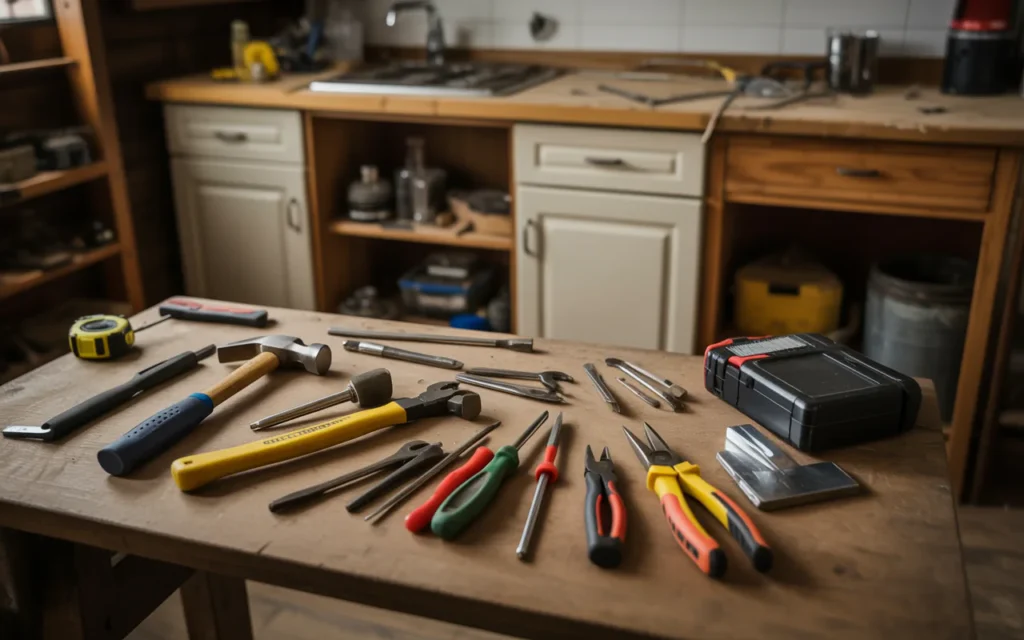
Table 2: Common Repairs and What Basic Kit Lacks
| Repair Job | Tool Missing From Basic Kit | Consequence |
|---|---|---|
| Leaky faucet | Basin wrench, replacement washers | Cannot reach nut, leak continues |
| Heavy mirror | Stud finder, drill, long level | Mirror falls, wall damaged |
| Door lock replacement | Chisel, proper hammer weight | Latch plate loose, door sticks |
| Garbage disposal jam | Specific ¼ inch hex key | Cannot clear jam, disposal breaks |
| Loose shower head | Large wrench (10+ inch), plumber’s tape | Stripped threads, worse leak |
What You Should Add to Your Tool Collection
You do not need to throw away your basic kit. It still has some use. But you should add a few tools to overcome the limitations of a basic home tool kit. Here is my recommended list, based on years of fixing things myself.
First, buy a real hammer. Look for a 16 oz curved claw hammer with a fiberglass or wooden handle. The weight gives you better force. The grip feels better in your hand.
Second, get a set of screwdrivers with multiple sizes. You want #0, #1, #2, and #3 Phillips. You want flathead sizes from 1/8 inch to 1/4 inch. Better yet, buy a multi-bit screwdriver with a storage handle.
Third, buy a 10-inch or 12-inch adjustable wrench. This fits plumbing nuts, gas valves, and large bolts. Keep the small wrench from your basic kit for tiny work.
Fourth, add a pair of groove-joint pliers (Channellock style). These adjust to many sizes and grip pipes tightly. They replace the weak slip-joint pliers from your basic kit.
Fifth, get a cordless drill. This is not a luxury. It is a necessity. You need it for pilot holes, screws, and many repairs. Buy a 12-volt or 18-volt model with a set of drill bits and screwdriver bits.
Sixth, add safety gear. One pair of safety glasses. One pair of work gloves. One set of earplugs. These cost less than $15 total.
Seventh, buy a stud finder and a 24-inch level. These two tools make hanging anything easy and straight.
“Every home needs seven core tools beyond the starter kit. Buy them one at a time if money is tight.” – Robert Chen, Home Improvement Blogger
When a Basic Kit Is Still Useful
I do not want you to think a basic kit is worthless. It has a place. It works fine for very light tasks. Assembling a flat-pack bookshelf. Tightening a loose chair leg. Hanging a small picture on drywall with a nail. Opening paint cans (use the flathead screwdriver). Cutting open boxes with the utility knife.
Keep your basic kit in a drawer or a closet. Use it for small jobs where precision and force do not matter. But when a real repair shows up, go get your real tools.
Also, a basic kit is a great gift for a young adult moving out for the first time. Just include a note that says, “This is a start. Add better tools as you go.”
Frequently Asked Questions
1. What are the limitations of a basic home tool kit that surprise most people?
Most people are surprised that basic kits lack proper sizes. For example, you might need a #0 screwdriver for electronics, but the kit only has #2. Also, the poor quality of the metal causes tools to bend or break on the first real job.
2. Can I do electrical repairs with a basic home tool kit?
No, and you should not try. A basic kit has no voltage tester, no wire strippers, and no insulated tools. These missing items create a serious safety risk. Electrical work requires specialty tools to protect you from shock.
3. How often do basic home tool kit tools break?
According to many user reviews and my own experience, the screwdrivers and wrenches in a cheap kit can break within the first five uses. The tape measure often tears by the tenth use. The level can be inaccurate right out of the box.
4. Is it better to buy tools separately instead of a basic kit?
Yes, for most people. Buy a good hammer first. Then a good screwdriver set. Then a good adjustable wrench. Then a pair of pliers. Buy one tool every few weeks. You spend about the same money, but you get tools that last for decades instead of months.
5. What is the biggest hidden limitation of a basic home tool kit?
The biggest hidden limit is the absence of torque. Basic tools have short handles and soft metal. You cannot apply enough force to loosen a stuck bolt or tighten a nut properly. This leads to stripped parts and unfinished repairs.
6. Should I throw away my basic home tool kit?
No. Keep it for small tasks like hanging pictures or tightening screws on toys. But do not rely on it for serious home repairs. Use it as a backup or a travel kit for your car.
7. How do I know if a tool from my basic kit is unsafe?
Check for cracks in plastic handles. Look for rust or bending in metal parts. Test that joints on pliers and wrenches do not slip. If a hammer head wobbles on the handle, stop using it. If a screwdriver tip shows any twist or wear, replace it.
8. What is the cheapest way to upgrade a basic home tool kit?
Buy a multi-bit screwdriver with a comfortable handle for about 10.Buya10−inch adjust able wrench for 12. Buy safety glasses for 4.These three upgrades fix most of the common limits and costunder 30.
Conclusion
A basic home tool kit is a friendly invitation to DIY repair. It says, “You can fix things. Here is a start.” And that is valuable. But the limitations of a basic home tool kit are real and significant. You lack size variety. You lack durability. You lack specialty tools for plumbing, electrical, and hanging. You lack safety gear. And you lack the comfort needed for longer jobs.
Do not be frustrated when your basic kit fails. That is normal. That is expected. Every experienced homeowner has been there. The solution is simple. Keep the basic kit for what it does well. Then slowly add better tools. Buy a real hammer. Buy a cordless drill. Buy a good set of screwdrivers. Buy safety glasses. Over six months, you build a kit that actually fixes things.
Remember this rule: A basic kit helps you start. A thoughtful collection of tools helps you finish. Start with the basic kit if you already have one. But never expect it to do everything. Your home deserves tools that work as hard as you do.
Related posts
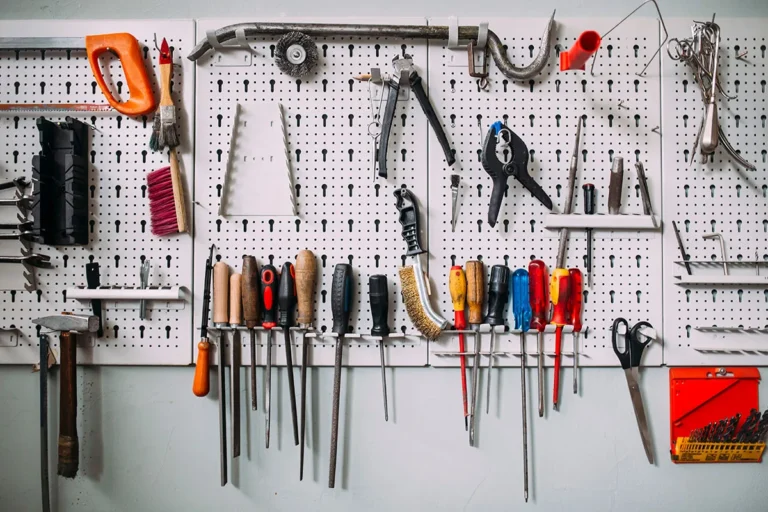 Top Home Tool Kits for Seniors: 2026 Practical Guide
Discover the top home tool kits for seniors in 2026. We compare compact, easy-to-use sets perfect for daily household repairs, furniture assembly, and DIY tasks. Finding…
 Top Home Tool Kits for Women: 2026 Buyer Guide
Discover the top home tool kits for women in 2026. Compare top-rated sets for DIY, furniture assembly, and household repairs to find your perfect match. Finding…
 Top Home Tool Kits for Basic Home Repairs 2026
Find the top home tool kits for basic home repairs in 2026. Compare top-rated sets for DIY projects, furniture assembly, and daily household maintenance. Every home…