
What Tools Are in a Multi-Tool Kit? Essential Components Explained
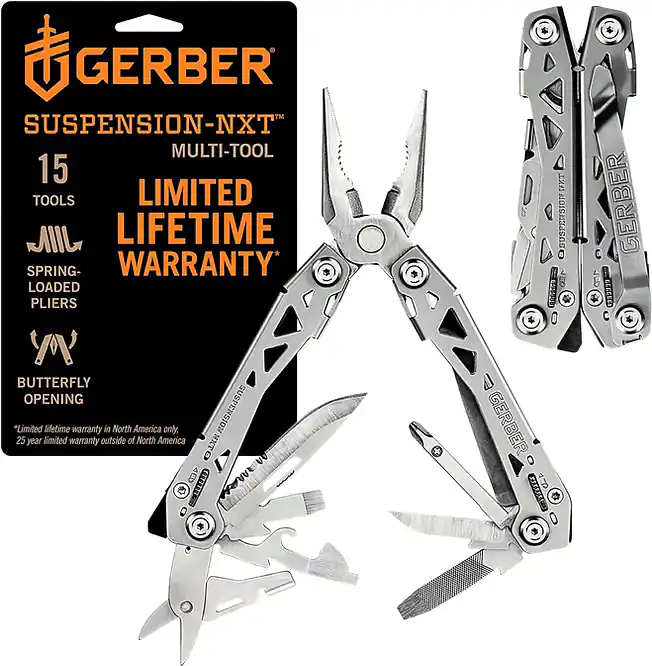
A multi-tool kit is a compact device that combines several individual tools into one portable unit. These handy devices typically include a core set of functions designed for everyday tasks, minor repairs, and outdoor activities. The most common tools found in a multi-tool are pliers, a knife blade, various screwdrivers, and often a bottle opener. Their purpose is to provide immediate access to essential functions without needing a full toolbox.
The specific tools can vary widely depending on the multi-tool’s size, brand, and intended use. Some are designed for general utility, while others cater to specific needs like camping, cycling, or electrical work. Understanding the typical components helps you select the best multi-tool for your personal or professional requirements.
Understanding the Core Multi-Tool Components
Most multi-tools share a foundational set of implements. These are the tools you will likely find in almost any multi-tool kit, forming its primary functionality.
The Pliers: A Versatile Grip
Pliers are often the central feature of a multi-tool. They are usually spring-loaded for easy one-handed operation.
The plier head typically includes several functions:
- Needle-nose pliers: For gripping small objects or working in tight spaces.
- Regular pliers: For general gripping and turning tasks.
- Wire cutters: Located at the base of the plier jaws, useful for snipping wires or small cables.
This combination makes the pliers highly adaptable for various situations, from tightening a loose nut to bending a piece of wire.
The Knife Blade: Sharp and Ready
A knife blade is another essential component. Multi-tools often feature one or more blades.
Common types include:
- Plain edge blade: Ideal for clean cuts, slicing, and general utility.
- Serrated edge blade: Better for cutting through fibrous materials like rope or seatbelts.
These blades are usually made from stainless steel, offering a good balance of sharpness and corrosion resistance. They are crucial for opening packages, preparing food, or cutting materials.
Screwdrivers: For Fastening Tasks
Multi-tools almost always include a selection of screwdrivers to handle common fasteners. This makes them invaluable for quick adjustments or repairs.
You can expect to find:
- Phillips head screwdrivers: In various sizes, for cross-head screws.
- Flathead screwdrivers: Also in different sizes, for slotted screws.
- Small precision screwdrivers: Sometimes included for eyeglasses or electronics.
Some multi-tools feature a bit driver, allowing you to swap in different screwdriver bits for even greater versatility.
Saws and Files: Cutting and Shaping
For tasks requiring more than a knife, multi-tools often incorporate a saw or a file.
- Saw blade: Typically a wood saw, useful for cutting small branches or pieces of wood.
- Metal/wood file: Used for smoothing rough edges, shaping materials, or even sharpening other tools.
These tools extend the multi-tool’s capability beyond simple cutting and fastening, making it suitable for light DIY projects or outdoor survival.

Bottle and Can Openers: Everyday Convenience
While not strictly repair tools, bottle and can openers are frequently included for their everyday utility. They are simple yet highly appreciated features.
These tools provide convenience for:
- Opening beverages.
- Accessing canned goods in outdoor settings.
Their presence highlights the multi-tool’s role as a general-purpose utility device, not just a repair kit.
Specialized Tools You Might Find
Beyond the core components, many multi-tools offer a range of specialized implements. These additions cater to specific hobbies, professions, or more niche tasks.
Scissors: Precision Cutting
Small, spring-action scissors are a common and very useful addition. They are perfect for tasks where a knife blade might be too large or imprecise.
Scissors are great for:
- Cutting paper or fabric.
- Trimming loose threads.
- Opening blister packaging.
Their inclusion significantly boosts the multi-tool’s utility for detailed work.
Awls and Punches: Piercing and Marking
An awl is a pointed tool used for piercing materials like leather, canvas, or wood. Some multi-tools include an awl with a sewing eye.
Uses for an awl include:
- Creating pilot holes.
- Punching new holes in belts.
- Repairing heavy fabrics.
This tool adds a layer of craftsmanship and repair capability.
Wire Strippers and Crimpers: Electrical Work
For those who work with electronics or perform minor electrical repairs, some multi-tools integrate wire strippers and crimpers. These are usually found near the plier pivot.
They are designed for:
- Removing insulation from electrical wires.
- Securing connectors onto wires.
These specialized functions make certain multi-tools highly valuable for electricians or hobbyists.
Rulers and Lanyards: Measurement and Portability

Small rulers, often etched onto the handle or a blade, provide quick measurement capabilities. Lanyard rings or clips enhance portability.
- Ruler: For quick measurements in inches or centimeters.
- Lanyard ring: Allows attachment to a keychain, backpack, or belt loop for secure carrying.
These features improve the tool’s practicality and ease of use in various situations.
Bit Drivers and Interchangeable Bits: Enhanced Versatility
Some advanced multi-tools feature a dedicated bit driver, often magnetic, that accepts standard ¼-inch hex bits. This greatly expands the range of fasteners you can handle.
Benefits of a bit driver system:
- Access to a wide variety of screwdriver types (Torx, Hex, Square).
- Allows for specialized bits not typically found on a multi-tool.
- Reduces the need for multiple fixed screwdrivers.
This feature transforms a multi-tool into a more comprehensive fastening solution.
Common Multi-Tool Components and Their Uses
Here is a summary of common tools found in multi-tool kits and their primary applications.
| Tool Component | Primary Use | Common Variations |
|---|---|---|
| Pliers | Gripping, bending, twisting, cutting wire | Needle-nose, regular, blunt-nose, wire cutters |
| Knife Blade | Cutting, slicing, opening packages | Plain edge, serrated edge, gut hook |
| Screwdrivers | Tightening or loosening screws | Phillips (various sizes), Flathead (various sizes), precision drivers |
| Saw | Cutting wood, plastic, or bone | Wood saw, metal saw |
| File | Smoothing, shaping, deburring, sharpening | Wood/metal file, diamond-coated file |
| Scissors | Precision cutting of paper, fabric, thread | Small spring-action scissors |
| Bottle/Can Opener | Opening bottles and cans | Standard bottle opener, can opener blade |
| Awl | Piercing materials, reaming holes | Awl with sewing eye |
| Ruler | Quick measurements | Etched on handle or blade |
| Bit Driver | Using interchangeable screwdriver bits | Magnetic hex driver |
Choosing the Right Multi-Tool Kit
Selecting the best multi-tool depends on your individual needs and how you plan to use it. Consider these factors before making a choice.
Consider Your Primary Use
Think about the main activities for which you need a multi-tool. Are you an outdoor enthusiast, a DIY hobbyist, or do you simply need something for everyday emergencies?
- Outdoor/Camping: Look for a strong knife, saw, and possibly a fire starter.
- Everyday Carry (EDC): Prioritize compact size, basic pliers, knife, and screwdrivers.
- Home/DIY: A wider range of screwdrivers, a file, and robust pliers are beneficial.
- Specialized Trades: Electricians might need wire strippers; cyclists might need hex wrenches.
Matching the toolset to your tasks ensures you get the most value from your multi-tool.
Size and Weight
Multi-tools come in various sizes, from tiny keychain models to large, heavy-duty versions. A smaller tool is easier to carry but may have fewer functions or less robust components.
- Keychain multi-tools: Very light, minimal tools, good for emergencies.
- Pocket-sized multi-tools: Balanced for EDC, good range of tools.
- Heavy-duty multi-tools: Larger, more robust, often for specific tasks or demanding use.
Consider how you will carry the tool and how much weight you are willing to add to your pocket or bag.
Material Quality
The materials used affect the tool’s durability and performance. Most multi-tools use stainless steel for the tools and handles.
- Stainless Steel: Common, offers good corrosion resistance and strength.
- High-Carbon Steel: Can hold a sharper edge but may require more maintenance to prevent rust.
- Aluminum/Nylon Handles: Lighter weight, but may not be as durable as steel handles.
Higher quality materials generally mean a longer-lasting and more reliable tool.
Locking Mechanisms
Safety is important when using any tool. A good multi-tool will have locking mechanisms for its blades and other implements.
- Individual tool locks: Each tool locks securely into place when open, preventing accidental closure.
- Frame locks or liner locks: Common for knife blades, ensuring safety during use.
Locking tools prevent injuries and allow you to apply force with confidence.
Budget Considerations
Multi-tools are available at a wide range of price points. More expensive models often feature better materials, more precise manufacturing, and a wider array of specialized tools.
- Entry-level: Basic functions, suitable for light use or occasional needs.
- Mid-range: Good balance of features, quality, and price for most users.
- Premium: Top-tier materials, advanced features, often designed for specific demanding uses.
Determine your budget and look for the best quality and features within that range.
FAQs
Are all multi-tools the same?
No, multi-tools vary greatly in size, the number of tools included, material quality, and intended purpose. Some are basic for everyday carry, while others are specialized for specific activities like cycling, fishing, or tactical use.
What is the most common tool in a multi-tool?
Pliers are often considered the central and most common tool in a multi-tool. They typically form the main body of the device and are complemented by knife blades and various screwdrivers.
Can a multi-tool replace a toolbox?
A multi-tool cannot fully replace a comprehensive toolbox. It is designed for quick fixes, minor repairs, and convenience on the go. For larger projects or specialized tasks, dedicated full-sized tools are usually necessary.
How do I maintain my multi-tool?
To maintain your multi-tool, keep it clean and dry. After use, especially in wet or dirty conditions, wipe it down. Apply a light oil to the pivots and moving parts periodically to ensure smooth operation and prevent rust. Sharpen blades as needed.
What are multi-tools best for?
Multi-tools are best for situations where portability and versatility are key. This includes everyday carry, camping, hiking, cycling, minor home repairs, and emergency preparedness. They provide a range of essential functions in a compact form.
Conclusion
A multi-tool kit is a highly practical device, packing a variety of essential tools into a single, portable unit. From the core pliers, knife, and screwdrivers to more specialized components like saws and bit drivers, these tools are designed to assist with countless tasks. Understanding the different tools available and considering your specific needs will help you choose the ideal multi-tool.
Whether for daily convenience, outdoor adventures, or quick fixes around the house, a well-chosen multi-tool can be an invaluable companion. Consider your specific tasks and choose a multi-tool that best fits your daily or outdoor requirements.
Related posts
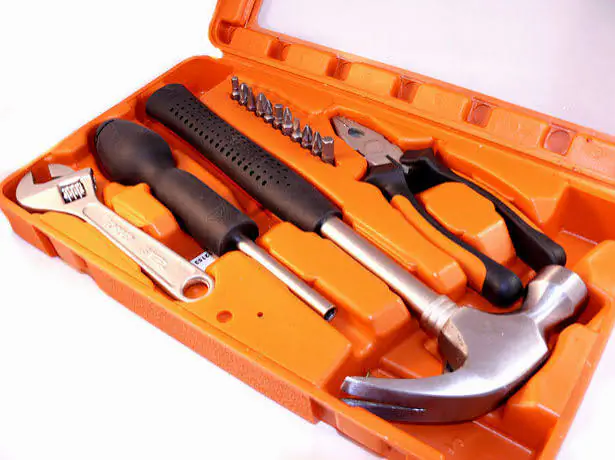 Which Tool Kit Is Worth Buying? How to Choose the Right Set for Your Home
Wondering which tool kit is worth buying? Compare basic household sets, mechanic kits, and power tool combos to find the best tools for your budget and…
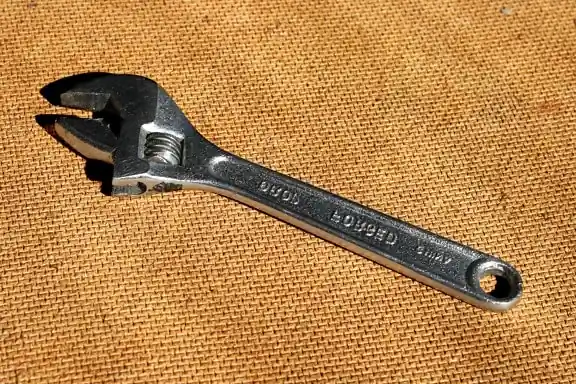 Which Hand Tools Are Made in the USA? Reliable Brands and Buying Rules
Discover which hand tools are still made in the USA. Compare top domestic brands, tool categories, and learn how to verify origin labels before buying. Several…
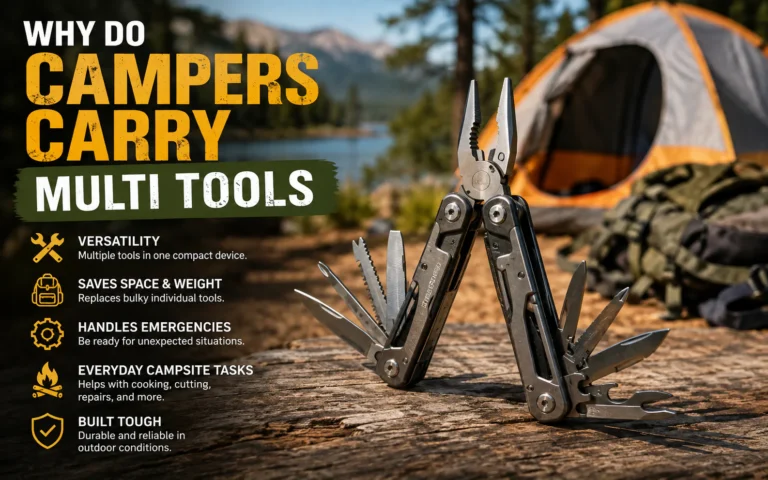 Why Do Campers Carry Multi Tools? Practical Uses in the Field
Why do Campers carry multi tools to handle gear repairs, campsite setup, food prep, and field fixes with minimal weight. Here is why one belongs in…