
What To Look For In A Tool Bag
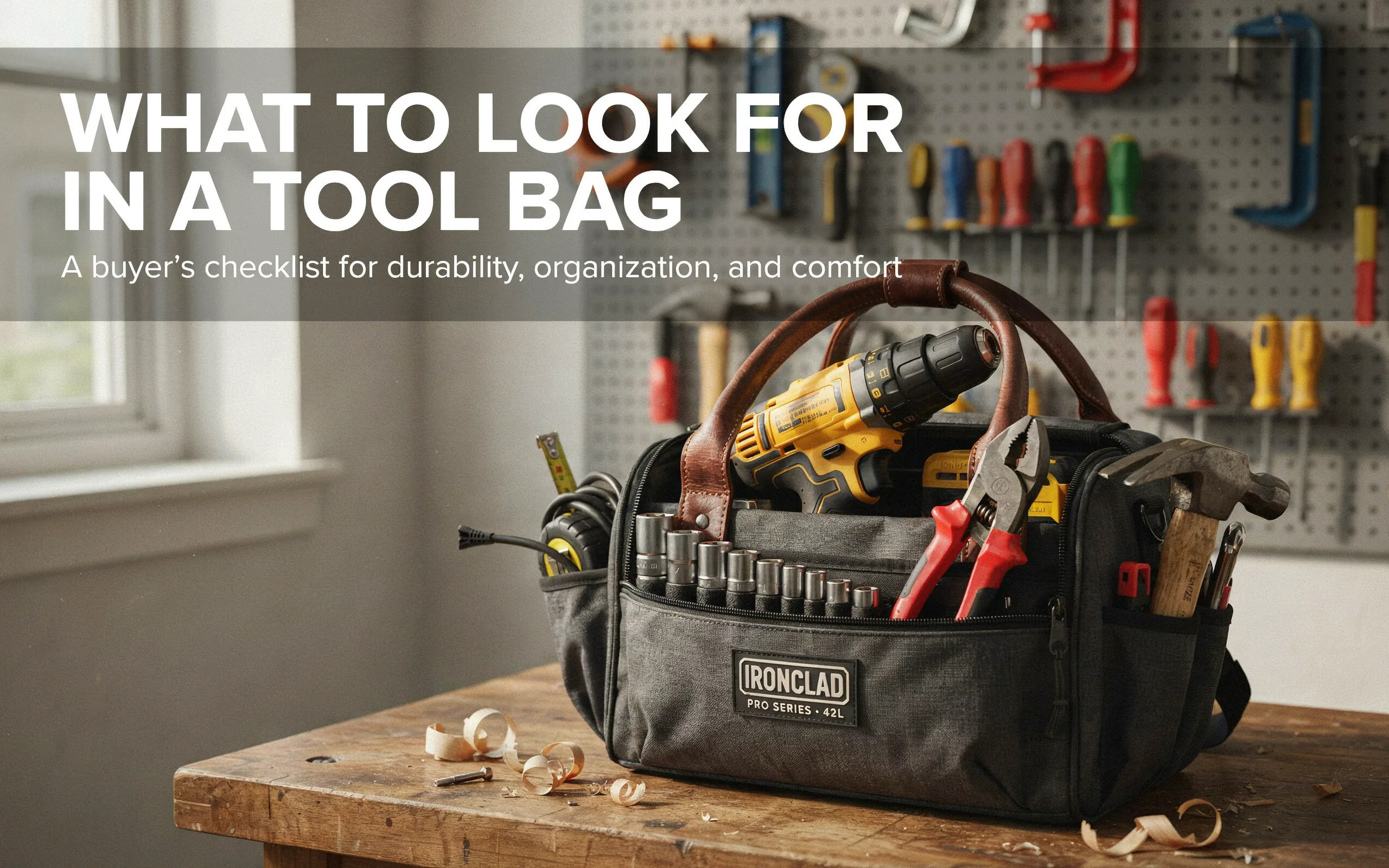
Choosing the right tool bag can save you time and protect your gear. This guide covers what to look for in a tool bag, including materials, size, pockets, comfort, and durability features for any trade.
Picking a new tool bag is more than just finding something to carry your gear. The right bag helps you work faster, keeps your tools safe, and saves your back from unnecessary strain. Whether you are a professional electrician, a plumber, a carpenter, or someone who loves fixing things around the house, your tool bag is your mobile workshop. It holds the items you depend on every day. So, what to look for in a tool bag? This question matters because a poor choice can lead to lost tools, damaged equipment, and wasted time searching for the right wrench or screwdriver.
Many people stick with old tool boxes or cheap bags that fall apart after a few months. But a good tool bag is an investment in your work. It protects your tools from moisture and impact. It keeps everything organized so you can grab what you need without digging through a jumbled mess. It also makes carrying heavy loads much easier on your body. This guide will walk you through every feature you should check before you buy. We will cover materials, size, organization, comfort, and extra features that make a real difference on the job. By the end, you will know exactly what to look for in a tool bag that fits your needs and your budget.
Why Your Choice of Tool Bag Matters
Your tools are expensive. A quality hammer, a set of wrenches, or a cordless drill costs real money. When you toss these items into a flimsy bag, they bump against each other. Edges get nicked. Calibrations get thrown off. Small parts like drill bits and sockets get lost in the bottom of the bag. Over time, this costs you money and frustrates you when you need a specific tool and cannot find it.
A well-chosen tool bag solves these problems. It has dedicated spots for each tool. It uses tough materials that resist tears and water. It distributes weight evenly so you do not hurt your shoulders or back. It also speeds up your work because you can see every tool at a glance. When you know what to look for in a tool bag, you choose a bag that works with you, not against you.
Jack Turner, a seasoned contractor with over 15 years of experience, says, “A truly good tool bag is one that stands the test of time, and it needs to be made from materials that can withstand the daily wear and tear of work.” His point is simple. A bag that falls apart after six months is not a bargain. It is a waste of money and a source of constant frustration.
Material and Build Quality: The Foundation of a Good Bag
The first thing to check is what the bag is made of. The material determines how long the bag will last and how well it protects your tools. You need a bag that can handle rough job sites, wet conditions, and heavy loads. So, what to look for in a tool bag regarding materials? Focus on these common options.
Common Materials and Their Strengths
Canvas is a classic choice. It is strong and breathes well, which helps prevent moisture buildup inside the bag. However, it is not usually waterproof. Nylon is lighter and resists water better. It is a popular choice for many modern tool bags. Polyester offers a good balance of strength and weight. It is also easy to wipe clean. Ballistic nylon is the toughest of the group. It resists tears and abrasions better than most other fabrics. If you work in harsh conditions, this is a material to look for.
What to Check Beyond the Fabric
The fabric is only part of the story. You also need to look at the stitching, zippers, and base of the bag. Double stitching in high-stress areas is a sign of quality. Single stitching can pull apart under heavy loads. Check the seams around the handles and the bottom of the bag. These areas take the most stress. Reinforced corners and a sturdy base add years to the life of a tool bag.
Zippers are another weak point. Cheap zippers break or get stuck. Look for heavy-duty zippers with large pull tabs. These are easier to grip, even when you are wearing gloves. Some bags use metal zippers, which are very strong. Others use high-quality plastic zippers that resist rust. Both can work well if they are built properly.
The base of the bag matters a lot. Many good tool bags have a hard, reinforced bottom. This keeps the bag from sagging when you set it down. It also protects your tools from moisture on wet ground. A hard base also helps the bag stand upright, which makes it easier to access your tools.
Size and Capacity: Getting the Right Fit
One of the most common mistakes people make is choosing a bag that is too small or too large. A bag that is too small forces you to leave tools behind or cram them in dangerously. A bag that is too large is heavy and awkward to carry. It also tempts you to carry extra tools you do not need. So, what to look for in a tool bag regarding size? Think about what you carry every day.
How to Choose the Right Size
Start by gathering the tools you use most often. Lay them out on a table. This gives you a clear picture of what needs to fit in the bag. Consider the dimensions of any large items you regularly transport, like power tools, extra-long screwdrivers, or pry-bars. Cross-reference these with the overall dimensions of the tool bag.
Most tool bags are measured by their length in inches. A 16-inch bag is a common medium size. It can hold a good selection of hand tools and a few small power tools. A 13-inch bag is smaller and better for light tasks or quick jobs. A 20-inch or larger bag is for professionals who carry a wide variety of tools.
Remember that a bag’s capacity is not just about length. Depth and width also matter. A bag with a wide mouth opens up fully, making it easier to see and reach everything inside. Some bags have a soft base that allows them to expand a bit. Others have a hard base that keeps a fixed shape. Choose the style that fits your work habits.
Weight Considerations
The weight of the bag itself matters. Some heavy-duty bags are built like tanks, but they weigh several pounds even when empty. This adds to the load you carry every day. Look for a bag that balances durability with a reasonable weight. If you carry heavy tools, every extra pound of bag weight makes a difference.
Organization: Pockets, Compartments, and Accessibility
A tool bag is not just a container. It is an organization system. The right pockets and compartments save you time and protect your tools. When you know what to look for in a tool bag regarding organization, you look for a layout that matches your tools and your work style.
Types of Pockets and Their Uses
Tool bags come with many different pocket designs. Each serves a specific purpose. Understanding these helps you choose a bag that keeps everything in its place.
- Elastic Loops: These are great for screwdrivers, pliers, and other long, narrow tools. They hold each tool securely so you can grab it quickly.
- Zippered Pockets: These are perfect for small items that could easily get lost. Things like drill bits, sockets, and fasteners stay safe in zippered compartments.
- Open Slip Pockets: These provide quick access to frequently used tools. You can slide a tape measure or a utility knife in and out without fumbling with zippers.
- Large Main Compartment: This holds bigger items like hammers, saws, and power tools. Look for a main compartment that is wide and deep enough for your largest tools.
- External Pockets: These are great for items you need to reach fast. Many bags have external pockets on the front and sides.
The Concept of First-Order Retrievability
Adam Savage, co-host of the show MythBusters, popularized a concept called First-Order Retrievability. The idea is simple. You should never have to move one tool to get to another. Everything should be visible and accessible at a glance.
This concept changes how you think about tool bag organization. Instead of piling tools on top of each other, you arrange them so each tool has its own spot. You can see every tool when you open the bag. This saves a huge amount of time on the job. When you are looking for what to look for in a tool bag, consider how well the bag supports this kind of organization.
Customization and Flexibility
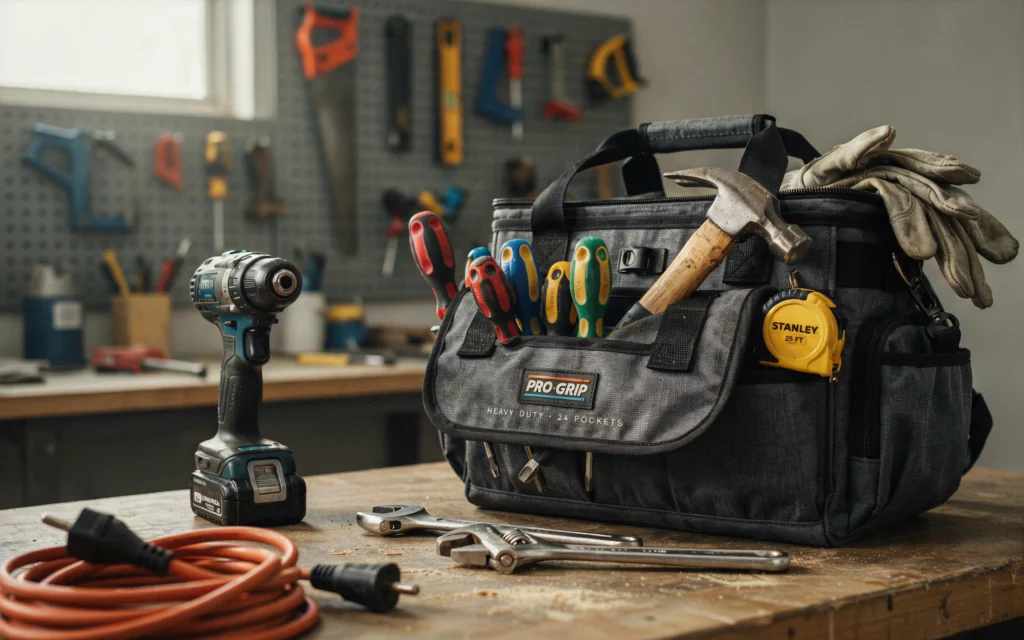
Some tool bags offer removable panels or adjustable dividers. These let you change the layout as your tool collection changes. This is a valuable feature for professionals who add new tools over time. A bag that adapts to your needs is more useful than one with a fixed layout.
Mark Henderson, an experienced contractor, says, “When I’m working, I need to access my tools quickly. A bag with well-thought-out compartments lets me find each tool without wasting time and helps prevent damage to them.” His point highlights the importance of good organization. It is not just about neatness. It is about speed and protecting your investment.
Comfort and Portability: Carrying Your Load Safely
You might carry your tool bag for hours at a time. You might walk across large job sites, climb ladders, or navigate tight spaces. If your bag is not comfortable to carry, your body pays the price. So, what to look for in a tool bag regarding comfort? Focus on the handles, straps, and overall design.
Handles and Straps
The handles are your primary connection to the bag. A good handle is padded and wide enough to distribute weight across your hand. Thin, unpadded handles dig into your palm and cause pain. Some bags have two handles, allowing you to carry the bag with both hands. Others have a single, sturdy handle in the center.
Shoulder straps are a big help for heavier loads. A padded shoulder strap reduces strain on your shoulder and neck. An adjustable strap lets you find the right length for your body. Some bags have backpack-style straps. These are excellent for distributing weight across both shoulders. They leave your hands free, which is a big advantage when you are moving through tight spaces or climbing stairs.
Electrician Emily Brown shared, “I carry heavy tools every day, and without comfortable shoulder straps and handles, it becomes very difficult. Padded shoulder straps allow me to carry the bag comfortably, even after a long day on the job.” Her experience is shared by many tradespeople. Comfort is not a luxury. It is a necessity for daily work.
Rolling Options for Heavy Loads
If you carry a very large number of tools or heavy power tools, consider a rolling tool bag. These bags have wheels and a telescoping handle. You can pull them along like a suitcase. This saves your back and shoulders from carrying a heavy load. Rolling bags are especially useful on large job sites where you need to move between different areas.
However, rolling bags have some downsides. They are bulkier and heavier than regular bags. They do not handle stairs or rough terrain well. Think about your typical work environment. If you work on flat surfaces and carry heavy tools, a rolling bag is a great choice. If you climb ladders or work in tight spaces, a backpack-style bag might be better.
Water Resistance and Weather Protection
Your tools are sensitive to moisture. Rust and corrosion can ruin expensive equipment. If you work outdoors or in damp conditions, water resistance is a critical feature. So, what to look for in a tool bag regarding weather protection?
Key Weatherproofing Features
- Water-Resistant Materials: Fabrics like nylon and polyester resist water better than canvas. Some bags use specially coated materials that repel water.
- Reinforced or Waterproof Base: A hard plastic or rubber base keeps the bag off wet ground. This prevents water from soaking up through the bottom.
- Sealed Zippers: Some bags have zippers with flaps or seals that keep water out.
- Rain Covers: A few high-end bags include a built-in rain cover. You can pull this over the bag when it starts to rain.
No bag is completely waterproof unless it is made of rubber or plastic. But a water-resistant bag gives you a good level of protection. It keeps your tools dry during light rain or when you set the bag on a damp surface. If you work in wet conditions often, prioritize this feature.
Protection from Dirt and Dust
Weather protection is not just about water. Job sites are dirty places. Dust, dirt, and debris can get into your bag and into your tools. Zippered compartments and flaps help keep dust out. A bag with a sturdy base also keeps the contents cleaner when you set it down on a dirty floor.
Durability Under Real-World Conditions
A tool bag faces a lot of abuse. It gets dropped, kicked, and dragged across rough surfaces. It is loaded with heavy tools and thrown into the back of a truck. It sits in the sun, the rain, and the cold. A bag that cannot handle this treatment is not worth your money.
Stress Points to Check
When you are inspecting a tool bag, pay attention to the stress points. These are the areas that take the most abuse.
- Handles and Handle Attachments: The handles should be securely attached with heavy stitching or rivets. This is where the most weight is concentrated.
- Bottom Corners: The corners of the bag often hit the ground first. Reinforced corners add a lot of durability.
- Zipper Tracks: The fabric around the zippers should be reinforced. Zippers that pull away from the fabric are a common failure point.
- Stitching: Look for double stitching throughout the bag. Single stitching is a sign of a cheap product.
Real-World Testing
The best way to judge durability is to read reviews from people who use the bag daily. Look for feedback from professionals in your trade. They will tell you how the bag holds up after months or years of use. A bag that gets good reviews from electricians, plumbers, or carpenters is likely a solid choice.
Special Features That Make a Difference
Beyond the basics, some tool bags offer special features that can be very useful. These are not essential for everyone, but they can make your work much easier.
Reflective Elements
Some bags have reflective strips or patches. These are helpful if you work near traffic or in low-light conditions. They make you more visible to others, which improves safety.
Hard Bases
A hard base keeps the bag standing upright. This makes it easier to access your tools. It also protects the contents from moisture and impact. Many professionals prefer a hard base for these reasons.
Tool Rolls and Inserts
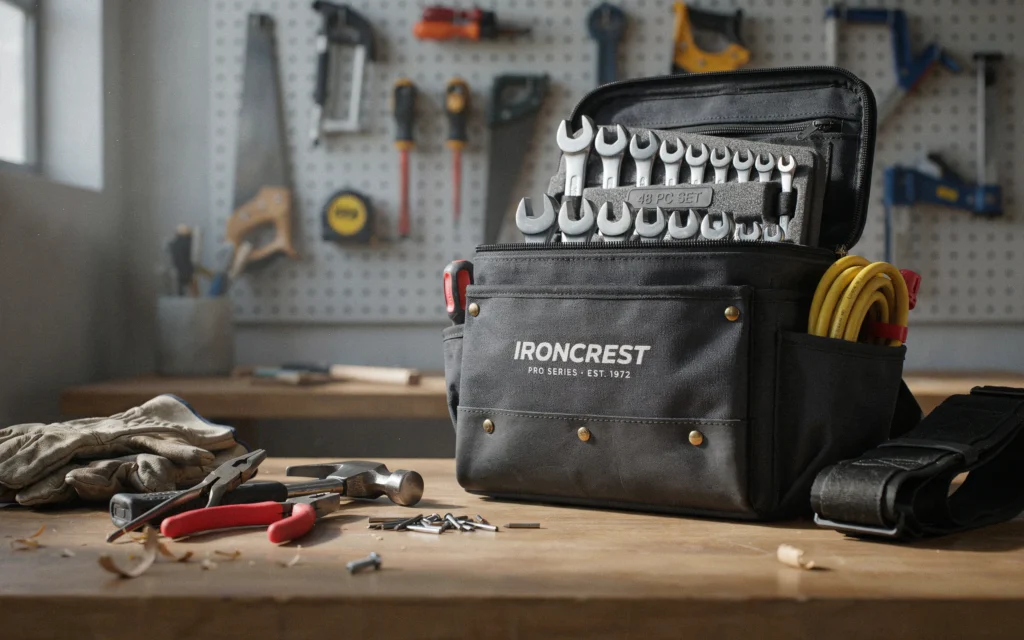
Some bags include removable tool rolls or inserts. These are separate organizers that hold specific tools. You can pull out the roll and take only what you need for a particular job. This adds a lot of flexibility to your tool storage.
Lighted Compartments
A few high-end bags have built-in LED lights. These lights illuminate the inside of the bag. This is very helpful when you are working in dark areas or at night. You can see your tools clearly without needing a separate flashlight.
Matching the Bag to Your Trade
Different trades have different needs. What works for an electrician might not work for a plumber or a carpenter. Understanding your specific requirements helps you choose the right bag.
Electricians
Electricians carry many small tools and components. They need a bag with many pockets for items like wire nuts, connectors, and small hand tools. A backpack style is popular because it leaves hands free for climbing ladders. A hard base is also useful for keeping the bag upright on job sites.
Plumbers
Plumbers often carry larger tools like pipe wrenches and cutters. They also deal with wet conditions. A bag with water-resistant materials and a reinforced bottom is a good choice. Rolling bags are popular for plumbers who carry heavy loads across large sites.
Carpenters
Carpenters carry a mix of hand tools and power tools. They need a bag with a large main compartment for saws and drills. They also need pockets for tape measures, levels, and other measuring tools. Durability is a top priority because carpenters work in rough conditions.
DIY Enthusiasts
Home users do not need a bag that can survive daily abuse. A mid-sized bag with good organization is usually enough. Look for a bag that is easy to carry and has enough pockets for your home tool collection. You do not need the most expensive or heavy-duty option.
Price vs. Value: Spending Wisely
Tool bags come in a wide range of prices. You can find a basic bag for under $20. High-end professional bags can cost over $200. The right price depends on how you use the bag.
What You Get for More Money
More expensive bags generally offer better materials, stronger stitching, and more thoughtful designs. They use heavy-duty zippers and reinforced stress points. They also have better organization features and more comfortable carrying systems. These bags are built to last for years of daily use.
When a Cheaper Bag Makes Sense
If you only use your tools occasionally, a cheaper bag might be fine. It will hold your tools and provide basic organization. It will not last as long as a professional bag, but you will not put it through as much abuse. For light home use, a budget bag can be a good value.
The Long-Term View
Think about the long-term cost. A $50 bag that lasts five years is a better value than a $20 bag that lasts six months. When you consider what to look for in a tool bag, think about the total cost of ownership. A durable bag saves you money in the long run because you do not have to replace it often.
Putting It All Together: Your Checklist
Before you buy a tool bag, go through this checklist. It covers all the key points we have discussed.
- Material: Is it made of durable fabric like nylon, polyester, or ballistic nylon?
- Stitching: Is there double stitching in high-stress areas?
- Zippers: Are they heavy-duty and easy to grip?
- Base: Does it have a reinforced or hard bottom?
- Size: Is it large enough for your daily tools but not too big?
- Pockets: Does it have enough pockets for your small tools and accessories?
- Comfort: Are the handles padded? Is there a shoulder strap?
- Water Resistance: Does it resist water and moisture?
- Weight: Is the empty bag light enough to carry comfortably?
- Reviews: What do other professionals say about this bag?
Frequently Asked Questions
What is the best material for a tool bag?
The best material depends on your needs. Nylon and ballistic nylon are very tough and water-resistant. Canvas is strong and breathable but less water-resistant. Polyester is lightweight and easy to clean. For most professionals, nylon or ballistic nylon offers the best balance of durability and weather protection.
How do I know what size tool bag to buy?
Gather the tools you carry every day and lay them out. Measure the longest and widest tools. Choose a bag that is long enough to hold your longest tool comfortably. Also, consider how many tools you carry. A medium bag (14-17 inches) works for most general use. A large bag (18 inches and up) is better for professionals with many tools.
Should I get a tool bag with a hard bottom?
Yes, a hard bottom is very helpful. It keeps the bag standing upright, which makes it easier to access your tools. It also protects your tools from moisture and impact when you set the bag down. Many professionals prefer a hard base for these reasons.
What is First-Order Retrievability?
First-Order Retrievability is a concept where you never have to move one tool to get to another. Everything is visible and accessible at a glance. This saves time and prevents damage to your tools. Adam Savage popularized this idea.
How important are padded shoulder straps?
Padded shoulder straps are very important if you carry your bag for long periods. They distribute weight across your shoulder and reduce strain. This makes a big difference in comfort, especially when carrying heavy loads.
Can I use a tool bag for power tools?
Yes, many tool bags are designed to hold power tools. Look for a bag with a large main compartment that can fit your drill, impact driver, or saw. Make sure the bag has a sturdy base to support the weight of power tools.
How do I clean my tool bag?
Most fabric tool bags can be wiped down with a damp cloth. For deeper cleaning, check the manufacturer’s instructions. Some bags can be hand-washed with mild soap. Avoid putting your tool bag in a washing machine unless the label says it is safe. Let the bag air dry completely before using it again.
Conclusion
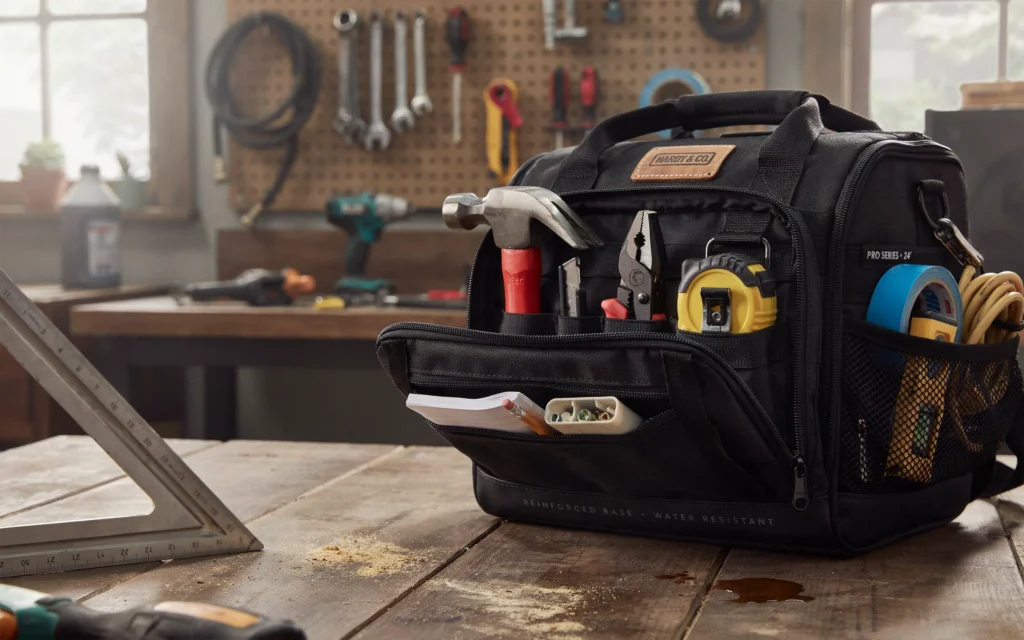
Choosing the right tool bag is an important decision for anyone who works with tools. A good bag protects your investment, saves you time, and makes your work more comfortable. When you know what to look for in a tool bag, you can make a choice that serves you well for years.
Start with the material. Choose durable fabrics like nylon or ballistic nylon with strong stitching and heavy-duty zippers. Consider the size. Pick a bag that fits your daily tools without being too large or too small. Look at the organization. Make sure there are enough pockets and compartments for all your small items. Check the comfort. Padded handles and shoulder straps make a big difference. Think about water resistance. A bag that resists moisture protects your tools from rust and damage.
Remember that the best bag for you depends on your trade and your habits. An electrician needs different features than a carpenter. A weekend DIYer does not need the same bag as a full-time contractor. Take the time to assess your needs before you buy. Read reviews from other professionals. Look for a bag that balances quality with a reasonable price.
A well-chosen tool bag is more than a container. It is a tool itself. It helps you work efficiently, stay organized, and protect your gear. The time you spend learning what to look for in a tool bag is time well spent. It leads to a purchase that makes your daily work easier and more productive. So, before you buy your next tool bag, go through the checklist. Consider your options carefully. Choose a bag that works as hard as you do.
Related posts
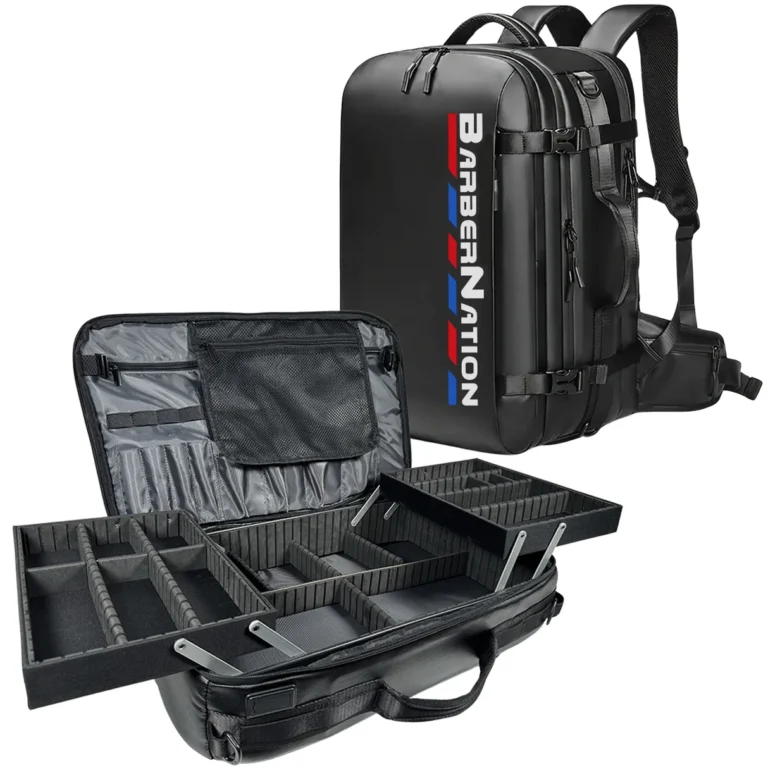 Top Tool Bags for Mobile Contractors: 2026 Buyer Guide
Discover the top tool bags for mobile contractors in 2026. Compare durable totes, backpacks, and multi-pocket organizers to find the best fit for your gear. For…
 Top Tool Bags for Plumbers: 2026 Selection Guide
Discover the top tool bags for plumbers in 2026. We compare durable, multi-pocket storage solutions to help you organize your gear effectively on the job. Plumbing…
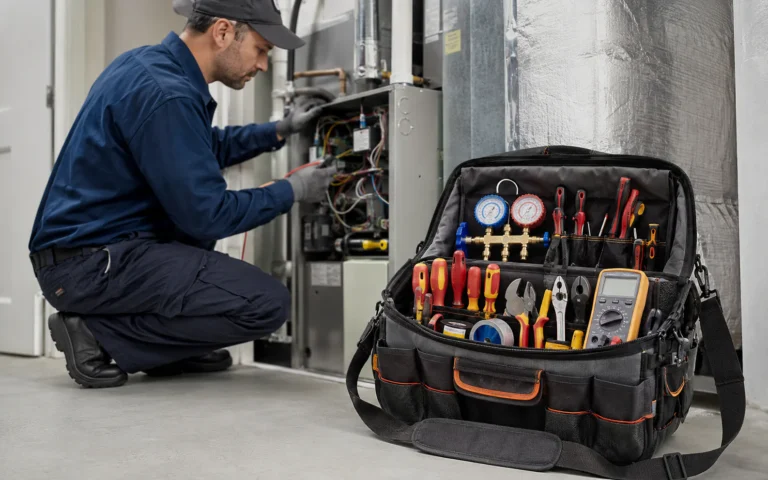 Best Tool Bag for HVAC Technicians in 2026
Find the right tool bag for HVAC technicians with our 2026 guide. Compare top-rated bags, backpacks, and pouches to keep your gear organized and protected. As…