
How Should I Carry A Multi Tool Kit For Easy Access
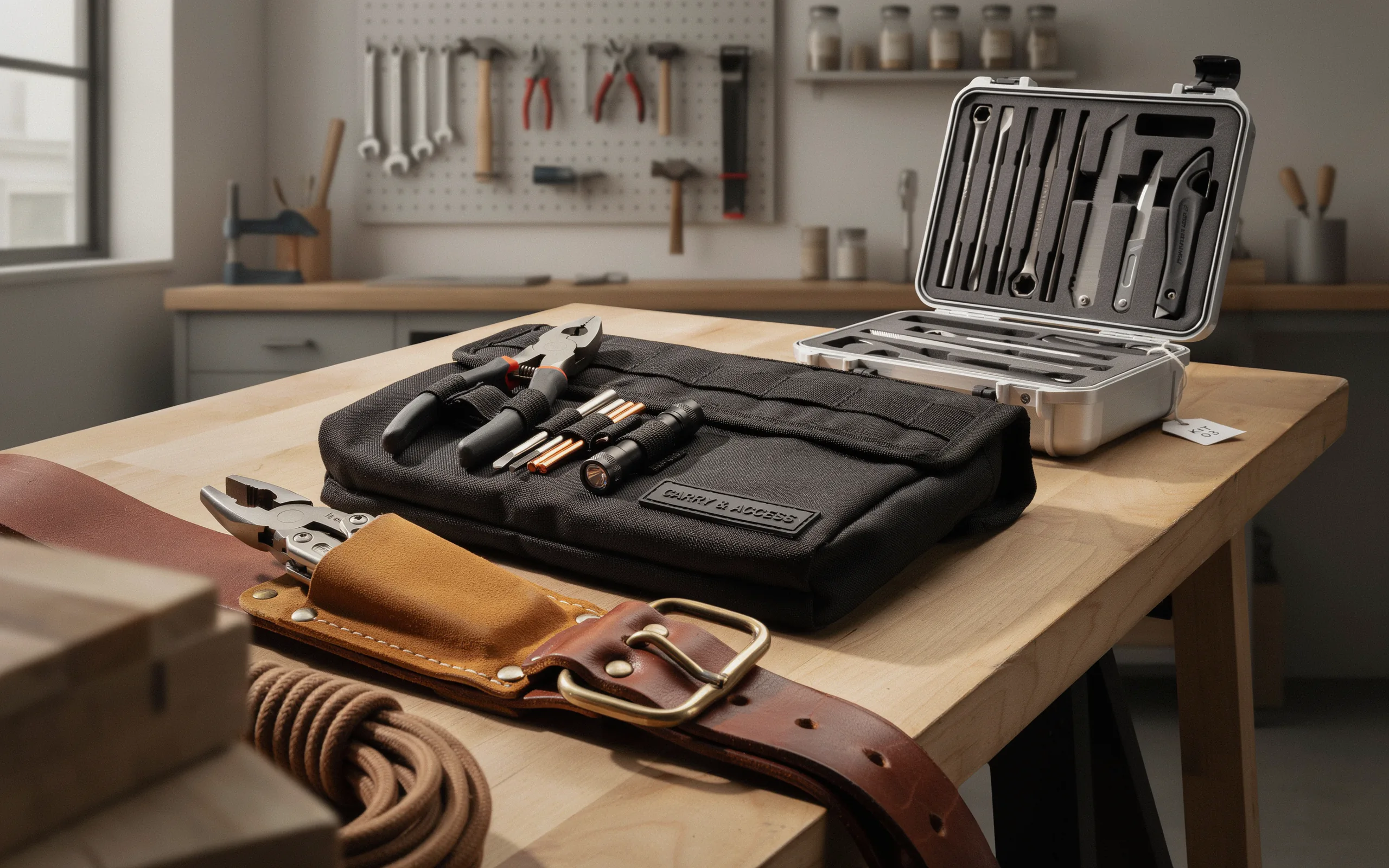
Wondering how should I carry a multi tool kit for easy access? This guide covers pocket clips, pouches, sheaths, and belt holsters to keep your multi-tool ready anytime, anywhere.
You have a quality multi-tool kit in your hand. It has pliers, screwdrivers, a knife blade, scissors, and a file. It can fix a loose screw, open a package, cut a rope, or even help you in an emergency. But there is one small problem. You keep it in your bag, and when you need it, you cannot find it quickly. Or you put it in your pocket, but it feels heavy and bulky. You might even leave it at home because carrying it seems like a hassle.
This is a common issue for many people who own multi-tools. The tool itself is useful, but the way you carry it makes all the difference. If you ask yourself, “how should I carry a multi tool kit for easy access,” you are not alone. Many people struggle with this question. They want the tool handy but do not want to feel weighed down or uncomfortable.
The answer depends on your daily activities, your clothing, and your personal comfort. There is no single right way for everyone. But there are many good ways to keep your multi-tool within reach without it getting in your way. In this guide, we will explore different carry methods, their pros and cons, and help you find the best solution for your needs.
Whether you work in construction, enjoy camping, or just like being prepared for small fixes around the house, this guide will help you decide how should I carry a multi tool kit for easy access in your own life.
Why Easy Access Matters More Than You Think
Think about the last time you needed a tool quickly. Maybe a screw came loose on your glasses. Perhaps a package needed opening, or a child’s toy needed a battery change. In these moments, the tool you need is often only useful if you can get to it fast.
Easy access is not just about convenience. It is about safety and efficiency too. If you need to cut a seatbelt in an emergency, you cannot waste time digging through a backpack. If you are on a ladder and need to tighten a bolt, you do not want to climb down to get your tool. Having your multi-tool kit within easy reach saves time, reduces frustration, and can even prevent accidents.
When you carry your tool correctly, you are more likely to use it. And when you use it more often, you get better at using it. You learn all its features and become more confident in your ability to handle small repairs. This builds a sense of self-reliance that feels good.
On the other hand, if your multi-tool is hard to get to, you might skip using it altogether. You might grab a butter knife to open a package, damaging the knife and the item inside. Or you might use the wrong tool for a job because you could not find the right one. This is why asking “how should I carry a multi tool kit for easy access” is such an important question for anyone who owns one.
Understanding Your Multi-Tool Kit First
Before you decide how to carry your multi-tool, take a moment to know what you have. Multi-tools come in different sizes, weights, and shapes. Some are small and lightweight, meant for keychains. Others are large and heavy, built for heavy-duty work.
Size and Weight
- Small multi-tools weigh around 4-6 ounces. They fit easily in a pocket or on a keychain.
- Medium multi-tools weigh between 7-10 ounces. These are the most common type.
- Large multi-tools weigh over 11 ounces. These are for serious work and usually need a belt sheath.
Tool Count
Some multi-tools have only a few functions. Others have 20 or more tools inside. More tools mean more weight and bulk. If you only need a knife, pliers, and a screwdriver, a simpler tool might be easier to carry.
Handle Design
The handle of your multi-tool affects how it feels in your hand and your pocket. Some handles are smooth. Others have textured grips. Some have rounded edges, while others are more angular. These small details matter when you carry the tool for long periods.
“Your carry method should match your tool’s size and your daily routine. A heavy tool needs a sturdy belt holster. A light tool works fine in a pocket.” – David Canterbury, survival expert and author of Bushcraft 101
Top Ways to Carry Your Multi-Tool Kit
Now let us look at the most common ways to carry a multi-tool kit. Each method has its own benefits and drawbacks. Think about your own lifestyle as you read through these options.
1. Pocket Carry
This is the simplest method. You just drop your multi-tool into your front or back pocket. Many people choose this because it requires no extra gear. You just grab your tool and go.
Pros:
- No extra cost for pouches or holsters
- Quick to access
- Works with most pants
Cons:
- Can feel heavy and bulky
- Might fall out when you sit down
- The tool can scratch your phone or keys
If you choose pocket carry, get a multi-tool with a pocket clip. The clip keeps the tool upright in your pocket. It also prevents the tool from sinking to the bottom, where it becomes hard to reach. A pocket clip also reduces the chance of the tool falling out.
For the question of how should I carry a multi tool kit for easy access, pocket carry works best for small to medium tools. If your tool is larger than 8 ounces, you will probably notice the weight pulling your pants down.
2. Belt Sheath or Holster
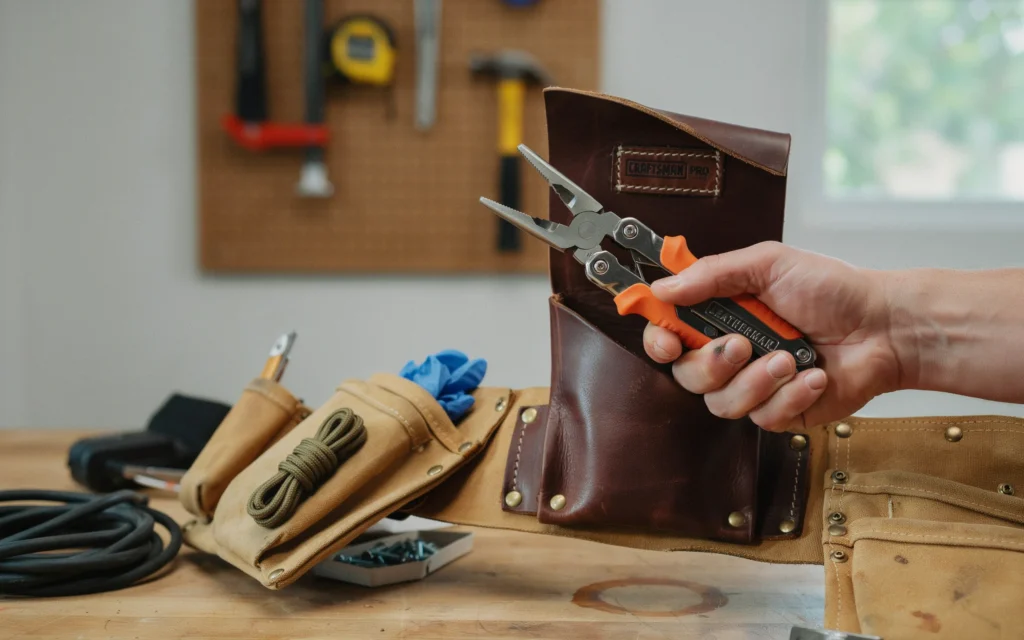
Many multi-tool kits come with a nylon or leather sheath. This sheath slides onto your belt. You carry the tool on your hip, similar to how you would carry a phone holster.
Pros:
- The tool is always on your body
- Easy to access with one hand
- Protects the tool from scratches and dirt
- Can carry extra bits or accessories
Cons:
- Can be uncomfortable when sitting
- Visible on your belt
- The sheath might wear out over time
- Can make you look like a security guard
The belt sheath is a classic choice for people who use their multi-tool kit often. Construction workers, electricians, and handymen prefer this method. It keeps the tool ready for action at all times.
When you use a belt sheath, position it on your dominant side. If you are right-handed, place the sheath on your right hip. This way, you can grab the tool naturally. Some sheaths have a flap that covers the tool. Others have an open top for faster access.
3. Bag or Backpack Carry
If you do not want to carry your multi-tool on your body, you can keep it in your bag. This is common for office workers, students, or people who carry a backpack every day.
Pros:
- No weight on your body
- Can carry a larger tool without discomfort
- Keeps the tool out of sight
- Good for people who wear suits or dress clothes
Cons:
- Not as quick to access
- You might forget which pocket you put it in
- The tool can get buried under other items
To make bag carry work, designate a specific pocket for your multi-tool. Always put it in the same spot. This way, you know exactly where to reach when you need it. Some bags have a small front pocket that works perfectly for this purpose.
If you ask yourself “how should I carry a multi tool kit for easy access” while using a bag, consider a small organizer pouch. These pouches attach inside your bag with a strap or clip. They keep your tool visible and easy to grab.
4. Keychain Carry
Some multi-tools are very small. They are designed to attach to your keychain. These tools usually have just a few functions, like a knife, scissors, or a tiny screwdriver.
Pros:
- Extremely compact
- You always have your keys with you
- Lightweight and unobtrusive
Cons:
- Limited tools and functions
- The tool might get tangled with your keys
- Can be hard to use for larger tasks
This method works well for people who want a basic tool for minor tasks. It is not the best choice if you need pliers or a full set of screwdrivers. But for opening packages or cutting threads, a keychain multi-tool is perfect.
5. Suspension Clip Carry
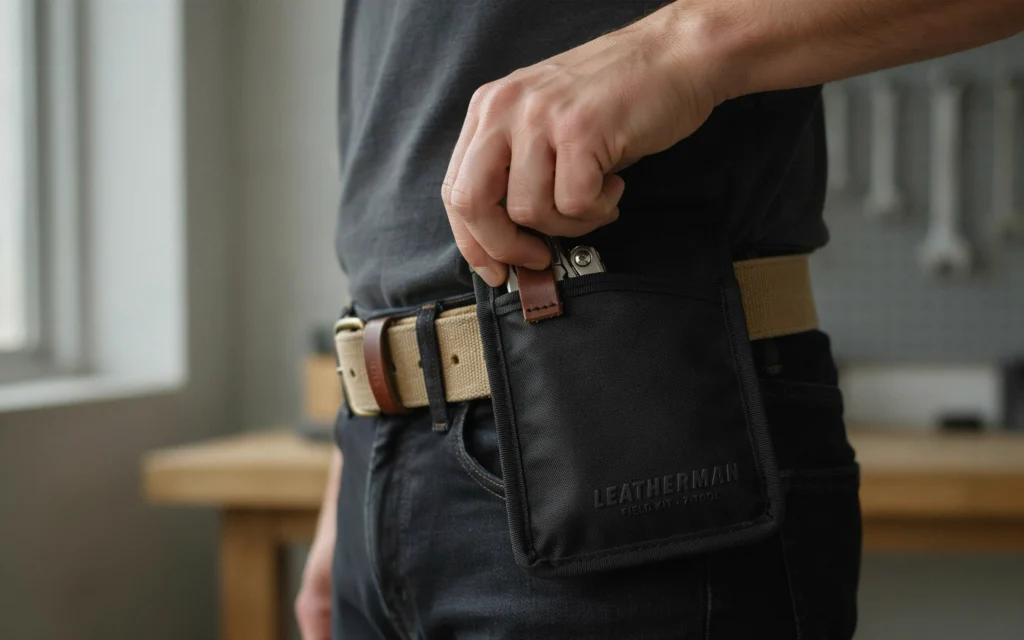
This is a newer method that has become popular in recent years. A suspension clip attaches to your pocket. The multi-tool hangs inside your pocket, held by the clip.
Pros:
- The tool does not sink to the bottom of your pocket
- Easy to draw the tool out
- Works with many types of pants
- Does not add visible bulk to your belt
Cons:
- Requires a specific clip accessory
- The tool might swing or move when you walk
- Not suitable for very heavy tools
This method answers the question of how should I carry a multi tool kit for easy access with a modern twist. It keeps the tool upright and ready while remaining hidden inside your pocket.
Comparing Carry Methods at a Glance
| Carry Method | Best For | Access Speed | Comfort Level |
|---|---|---|---|
| Pocket Carry | Light tools, casual use | Very fast | Good with small tools |
| Belt Sheath | Heavy use, work settings | Very fast | Moderate, visible |
| Bag Carry | Office, travel, dress clothes | Moderate | Excellent |
| Keychain | Minimalist, basic tasks | Very fast | Excellent |
| Suspension Clip | Pocket carry without bulk | Fast | Good |
How Should I Carry a Multi Tool Kit for Different Activities?
Your daily activities should guide your choice. A construction worker needs a different carry method than someone who works in an office. Let us break this down by common situations.
For Work and Job Sites
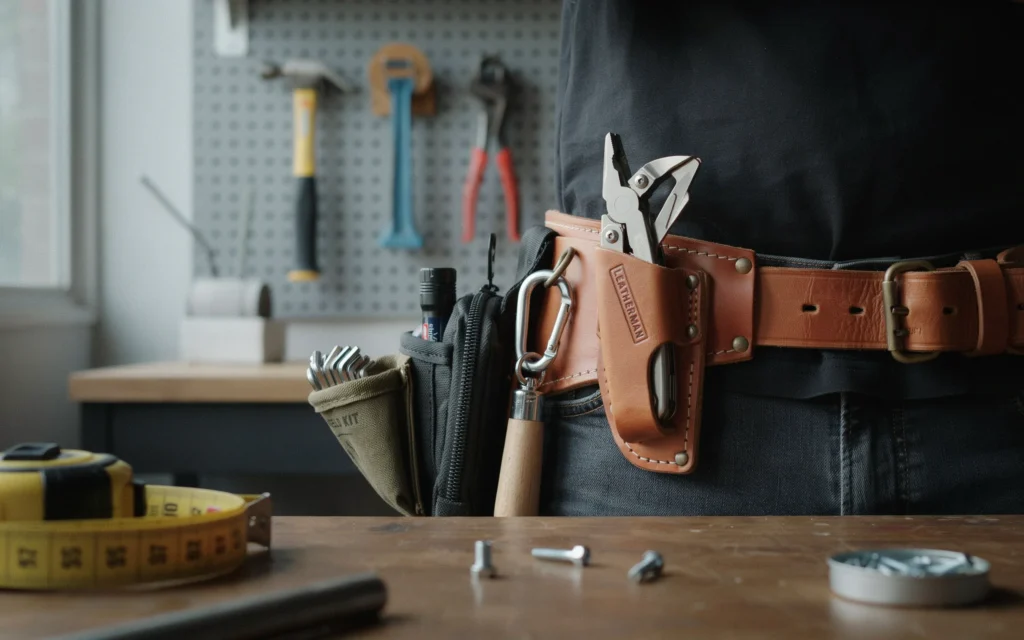
If you work in construction, maintenance, or any trade, you need your multi-tool ready at all times. A belt sheath is the best choice here. It keeps the tool on your hip, safe from dust and debris. You can grab it without putting down your materials.
Choose a sheath with a secure closure. A snap or Velcro flap prevents the tool from falling out when you bend over. Position the sheath at the 3 o’clock or 4 o’clock position on your belt. This keeps it out of your way while you work.
For Outdoor Activities
If you go camping, hiking, or fishing, your carry method might change based on the situation. For hiking, you might want the tool in your backpack. For camping around a base, a belt sheath works well.
Consider a multi-tool with a lanyard ring. You can attach a cord to the tool and tie it to your belt loop. This way, if you drop the tool, you will not lose it. This is especially useful near water or in dense brush.
“For outdoor use, your multi-tool is part of your survival gear. It needs to be accessible but also secure. I recommend a belt sheath with a lanyard attachment.” – Ray Mears, bushcraft instructor and television presenter
For Office and Daily Commute
If you work in a professional environment, you might want a more discreet carry option. Bag carry or suspension clip carry are good choices here. They keep your tool hidden while still being accessible when needed.
A small multi-tool in your bag can handle many office tasks. You can open packages, fix loose chair screws, or adjust computer equipment. The key is to put the tool in a specific pocket so you can find it quickly.
For Travel
When traveling, especially by air, remember that multi-tools with knives are not allowed in carry-on luggage. You must pack them in checked bags. For road trips or camping trips, a belt sheath works well because you can access the tool quickly from your seat.
Choosing the Right Accessories for Your Carry Method
The way you carry your multi-tool kit can be improved with the right accessories. These small items make a big difference in comfort and accessibility.
Pocket Clips
Many multi-tools come with a removable pocket clip. If yours does not have one, check if you can buy one separately. A pocket clip is a simple metal spring that hooks onto your pocket edge. It keeps the tool upright and prevents it from sliding around.
Sheaths and Holsters
You can buy sheaths separately if your tool did not come with one. Look for sheaths made of durable nylon or genuine leather. Nylon sheaths are lightweight and water-resistant. Leather sheaths look professional and last a long time.
Consider a sheath with a built-in bit holder. This adds extra functionality to your carry setup. You can keep a few screwdriver bits right next to your tool.
Bit Kits and Extensions
Some multi-tools accept interchangeable bits. These bit kits come in small cases that fit into a sheath pocket. Carrying extra bits expands your tool’s capabilities. You can handle more screw sizes and types without needing a separate screwdriver set.
Lanyards
A lanyard is a short cord that attaches to your multi-tool. You can tie the other end to your belt loop or bag. This prevents loss and makes the tool easier to pull out. Paracord is a popular choice because it is strong and useful in emergency situations.
Factors to Consider for Comfort and Safety
Comfort matters when you carry a tool every day. If your carry method causes discomfort, you will stop carrying the tool. Here are some things to think about.
Weight Distribution
The weight of your multi-tool should be balanced. A heavy tool on one side of your belt can pull your pants down. It can also cause back pain over time. If you carry a heavy tool, consider using suspenders or a dedicated belt.
Position on Your Body
Try different positions to find what works best. Some people prefer their tool at the front of their hip. Others like it at the back. Test each position while sitting, standing, and walking. Notice which position causes the least interference with your movements.
Clothing Compatibility
Your clothing affects how you carry your tool. Jeans with thick pockets work well for pocket carry. Dress pants with thin pockets do not. If you wear a uniform, check the rules about carrying tools on your belt.
Safety Considerations
Your multi-tool kit likely includes a sharp knife blade. When you carry it, make sure the blade cannot open accidentally. Many tools have a locking mechanism that keeps the blade closed. Test this to ensure it works properly.
Also, be aware that carrying a multi-tool might be subject to local laws. Some places restrict where you can carry knives or tools with blades. Check your local regulations to avoid issues.
How Should I Carry a Multi Tool Kit for Quick Draw?
Quick draw means you can take out your tool, open it, and use it in just a few seconds. This is important for emergency situations or when you have only one free hand.
The best setup for quick draw is a belt sheath with an open top. The tool slides in and out easily. You can grab it with one hand without fumbling with straps or zippers.
Practice the motion of drawing your tool. Do this a few times to make it smooth. The more you practice, the more natural it becomes. This builds muscle memory so you can do it without thinking.
Another option for quick draw is pocket carry with a clip. The clip holds the tool in place. You can grab the clip with your thumb and pull the tool out. This works well for the 5-7 ounce range of multi-tools.
Maintaining Your Multi-Tool Kit for Reliable Access
Your carry method is only as good as the tool inside it. A dirty, rusty, or loose multi-tool is not reliable. Regular maintenance keeps your tool working smoothly and ensures it is ready when you need it.
Cleaning
Dirt and dust can build up in the joints of your multi-tool. This makes the tools hard to open. Clean your tool with a soft cloth after each use. Use a small brush to remove debris from the crevices.
For deeper cleaning, soak the tool in warm soapy water. Open all the tools and let them sit for a few minutes. Then scrub with a toothbrush and rinse well. Dry the tool completely before closing it.
Lubrication
A drop of light oil on the pivot points keeps the tool opening smoothly. Use a product designed for knives or tools. Apply a small amount and work the tools open and closed a few times. Wipe away any excess oil.
Tightening Screws
The screws on your multi-tool can loosen over time. Check them every few months. Use the right size screwdriver to tighten any loose screws. This prevents the tool from feeling wobbly when you use it.
Sharpening the Blade
If your multi-tool has a knife blade, keep it sharp. A dull blade is dangerous because it requires more force to cut. Use a sharpening stone or a guided sharpener to maintain the edge. A sharp blade cuts cleanly and safely.
Making the Final Decision
By now, you have a good idea of the different ways to carry your multi-tool kit. The next step is to choose the method that fits your life best.
Summary of Key Points
| Question | Answer |
|---|---|
| Best for daily use? | Pocket clip carry for light tools |
| Best for heavy work? | Belt sheath with secure closure |
| Best for office jobs? | Bag carry with designated pocket |
| Best for quick access? | Open-top belt sheath or pocket clip |
| Best for outdoor activities? | Belt sheath with lanyard attachment |
Remember, you can change your carry method based on the situation. You might use pocket carry for a trip to the store. Then switch to a belt sheath for a weekend camping trip. The important thing is that you carry your tool in a way that makes it easy to access.
“The best carry method is the one you will actually use. If it is uncomfortable, you will leave the tool at home. Find what works for you and stick with it.” – Clint Emerson, former Navy SEAL and author of 100 Deadly Skills
Frequently Asked Questions
1. Can I carry a multi-tool kit in my pocket without a clip?
Yes, you can carry it without a clip. But the tool will slide to the bottom of your pocket. You will have to dig for it when you need it. A clip keeps the tool upright and ready to grab.
2. How should I carry a multi tool kit while wearing shorts?
Shorts usually have shallow pockets. A belt sheath or bag carry works better with shorts. You can also try a suspension clip that keeps the tool from pulling your shorts down.
3. Is it safe to carry a multi-tool kit on a belt?
Yes, it is safe as long as the sheath holds the tool securely. Make sure the sheath has a flap or a strong retention system. This prevents the tool from falling out when you bend or move quickly.
4. What is the lightest way to carry a multi-tool kit?
The lightest method is keychain carry. A small multi-tool on your keychain adds almost no noticeable weight. This is good for people who want a basic tool for simple tasks.
5. How should I carry a multi tool kit for easy access in a car?
Keep your multi-tool in the center console or door pocket. Make sure it is not loose where it can slide around. A small organizer tray can keep it in one spot for quick access.
Conclusion
The question of how should I carry a multi tool kit for easy access has many answers. The best choice depends on your tool, your clothing, your activities, and your personal preferences.
Pocket carry with a clip works great for small tools and casual use. Belt sheaths are perfect for work and outdoor activities. Bag carry suits office workers and travelers. Keychain carry is ideal for minimalists. Suspension clips offer a modern solution for comfortable pocket carry.
The most important thing is to carry your multi-tool regularly. A tool that stays at home cannot help you. Find a carry method that feels natural and comfortable. Practice accessing your tool so it becomes second nature.
Remember to maintain your multi-tool kit with regular cleaning and lubrication. A well-maintained tool works smoothly and lasts longer. This ensures that when you reach for your tool, it is ready to perform.
Take some time to experiment with different methods. You might discover a combination that works perfectly for your daily routine. The goal is simple: have your multi-tool kit within reach whenever you need it. With the right carry method, you will always be prepared for life’s small challenges.
Related posts
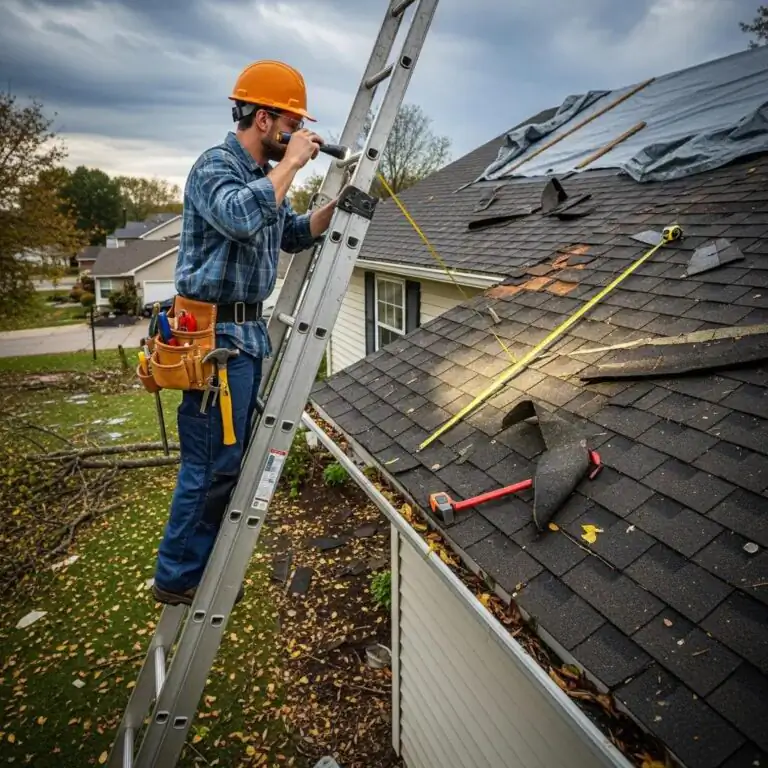 Top Tool Bags for DIY Homeowners in 2026
Discover the top tool bags for DIY homeowners in 2026. Compare durable organizers, backpacks, and storage solutions to keep your home repair gear ready. Keeping your…
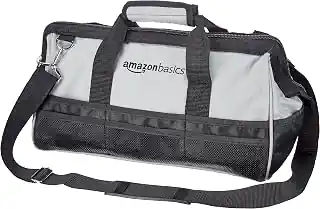 Top Tool Bags for Apprentices and Trainees 2026
Discover the top tool bags for apprentices and trainees in 2026. Compare durable, portable, and organized storage solutions to help you start your trade right. Starting…
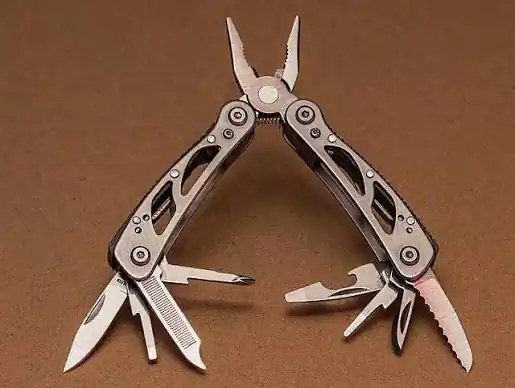 Top Multi Tool Kits for Women: 2026 Buyer Guide
Find the best multi tool kits for women in 2026. Compare household sets, cordless screwdrivers, and compact multitools for easy home repairs and DIY projects. Finding…