
How Much Should I Spend On An Automotive Tool Kit
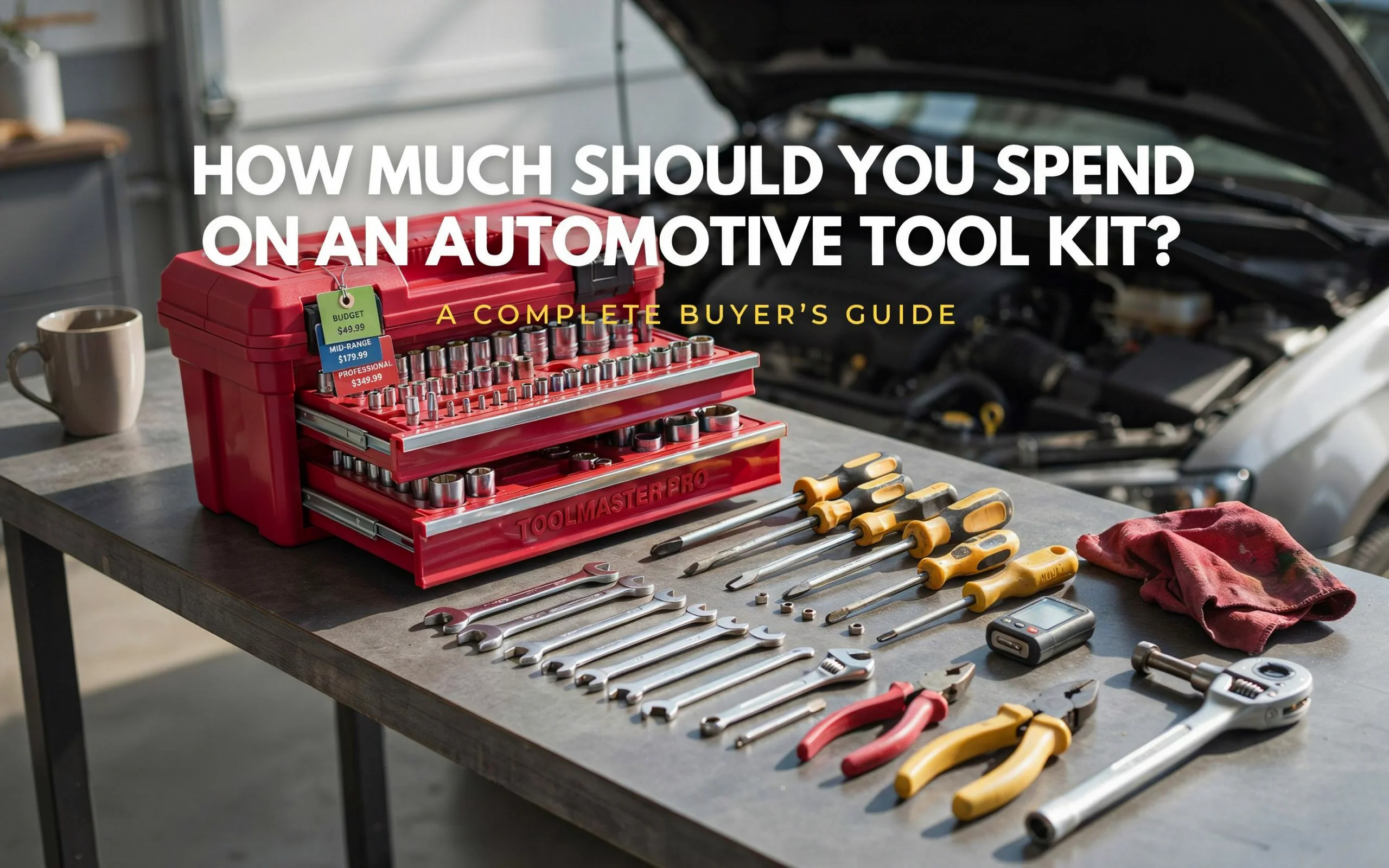
Are you asking, “How much should I spend on an automotive tool kit?” The answer is $50 to $500+ for home use. Your budget depends on repair frequency, tool quality, and what you plan to fix. This guide breaks down costs for every skill level.
So, you have decided to start working on your own car. That is a great choice. It saves money, teaches you new skills, and gives you real control over your vehicle’s health. But before you turn a single bolt, you face a big question. How much should I spend on an automotive tool kit?
It is a fair question. Walk into any hardware store, and you will see prices ranging from $30 for a small pouch to thousands for a professional rolling cabinet. It can feel confusing. You do not want to waste money on tools that break. But you also do not want to pay for high-end gear you will never use.
The good news is that there is a clear answer. Most home mechanics spend between $100 and $500 for a solid starter set. This range gives you quality tools that handle oil changes, brake jobs, and basic repairs without emptying your wallet.
As ASE-certified mechanics told Car Talk, “Expert mechanics we spoke with now use Lowes, Home Depot, and Harbor Freight”. You do not need a tool truck brand to get good results. Smart shopping and knowing your needs matter more than the price tag.
Let us walk through everything you need to know. We will cover different budget levels, what you actually get for your money, and how to avoid common mistakes. By the end, you will know exactly how much to spend on an automotive tool kit for your situation.
What Determines the Cost of an Automotive Tool Kit?
Before we talk numbers, let us look at what makes one kit cost $80 and another cost $800. Several factors push the price up or down.
Number of Pieces
This is the most obvious factor. A 50-piece set costs less than a 300-piece set. More pieces mean more socket sizes, more wrench types, and more specialty tools. But more pieces do not always mean better value. Some kits pack in cheap filler items you will never use.
Material Quality
Tools made from chrome vanadium steel cost more than those made from basic carbon steel. Chrome vanadium resists rust, handles more torque, and lasts for years. Cheap steel bends, rounds off bolt heads, and breaks under pressure.
Brand Name
You pay extra for names like Snap-On, Matco, or MAC. These brands make excellent tools. But for home use, brands like Craftsman, Kobalt, and DeWalt offer similar quality at much lower prices.
Storage Case
A simple plastic blow-molded case adds little to the cost. But a metal toolbox with drawers, ball-bearing slides, and a locking mechanism adds serious money. Some kits include rolling cabinets that cost as much as the tools themselves.
Warranty
Lifetime warranties cost manufacturers money. They build that cost into the price. A kit with a strong warranty often costs more upfront but saves you money if a tool breaks.
Drive Sizes Included
Kits that include all three drive sizes (1/4-inch, 3/8-inch, and 1/2-inch) cost more than those with just one or two. Each drive size serves a different purpose. 1/4-inch works in tight spots. 3/8-inch handles most general work. 1/2-inch gives you power for suspension and engine bolts.
Budget Categories: How Much Should You Spend?
Now let us answer the main question directly. How much should I spend on an automotive tool kit based on your experience level and needs? Here is a simple breakdown.
| Your Skill Level | Recommended Budget | What You Get |
|---|---|---|
| Beginner / Occasional Use | $50 – $150 | 100-200 pieces, basic sockets and wrenches, plastic case |
| Regular Home Mechanic | $150 – $400 | 200-300 pieces, all three drive sizes, decent case, both SAE and metric |
| Advanced DIY / Weekend Warrior | $400 – $800 | 300+ pieces, higher quality steel, better ratchets, metal storage |
| Professional / Daily Use | $800+ | Premium brands, full toolboxes, specialty tools, lifetime warranties |
Let us explore each level in more detail.
Under $100: The Starter Kit
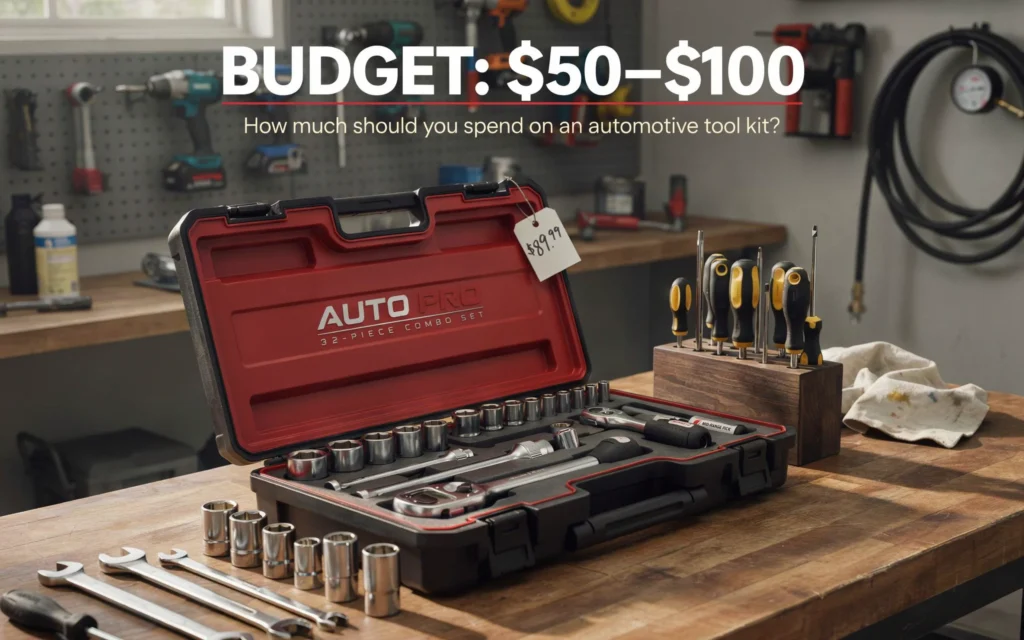
If you are new to car repair or just want basic emergency tools, you can start for under $100. This budget gets you a decent set for simple tasks.
Harbor Freight offers solid choices all under $100 that you can build on as you go. You can get a jump starter for $89.99 that starts gasoline engines up to 3.5 liters and doubles as a power bank. That alone handles one of the most common roadside problems.
For hand tools, you can find 100-piece sets around $70. These include:
- Standard and metric sockets
- A few combination wrenches
- Screwdrivers
- Hex keys (Allen wrenches)
- A plastic storage case
Amazon recently had a Craftsman 105-piece mechanics tool set for $69, down from $109. That is a great entry point.
What you can do with a sub-$100 kit:
- Change a flat tire
- Replace a battery
- Swap air filters
- Tighten loose bolts
- Handle minor interior repairs
What you cannot do:
- Major engine work
- Brake jobs (usually need larger sockets and torque tools)
- Suspension repairs
- Any job requiring specialty tools
“Quality tools don’t necessarily mean expensive tools, at least not anymore,” notes SlashGear. You can absolutely get started for under $100.
My recommendation: If you are asking, “How much should I spend on an automotive tool kit” as a complete beginner, start with $75 to $100. You get enough to learn and handle basic emergencies. If you enjoy the work, you can upgrade later.
$100 to $300: The Home Mechanic Sweet Spot
This is where most home mechanics should focus. How much should I spend on an automotive tool kit for regular use? The answer is right here.
For $150 to $300, you get a kit that handles 80% of common car repairs. This is the sweet spot for value and capability.
The DEWALT 205-piece mechanics tool set is a clear winner in this range. It has over 14,000 5-star reviews, includes 1/4-inch, 3/8-inch, and 1/2-inch drives, and comes in a sturdy plastic case. Prices usually fall around $180 to $220.
Another excellent choice is the CRAFTSMAN VERSASTACK 230-piece set. It has most of what you need for basic car maintenance and repair from your garage. The brand offers manufacturer warranties and is known as a great purchase for the price point.
What do you get in this range?
- 200 to 300 pieces
- Both SAE and metric sockets (deep and standard)
- Three drive sizes (1/4, 3/8, 1/2 inch)
- Combination wrenches
- Screwdrivers and hex keys
- Pliers and wire cutters
- A decent blow-molded case with organized slots
- Chrome-vanadium steel construction
What you can do with a $150-$300 kit:
- Oil changes
- Brake pad replacements
- Battery and alternator swaps
- Belt and hose replacements
- Basic suspension work
- Interior and exterior trim repairs
- Most routine maintenance
Tony Carrick from Popular Mechanics tested a 180-piece Crescent set in this price range and called the sockets “among the best I’ve ever tested”. The ratchets operate smoothly with minimal slipping.
My recommendation: For the average car owner who plans to do regular maintenance, spend around $200. How much should I spend on an automotive tool kit for this use case? Two hundred dollars gives you quality, coverage, and room to grow.
$300 to $600: Serious DIY and Advanced Work
If you work on multiple vehicles, tackle bigger jobs, or simply want better tools, this is your range. You get professional-grade features without professional-grade prices.
The Kobalt 4-drawer steel rolling toolbox with a 277-piece mechanics tool set sells for around $368. This includes both a rolling tool box and a complete set with both SAE and metric tools. The toolbox is a major advantage. You get organized storage that rolls around your garage.
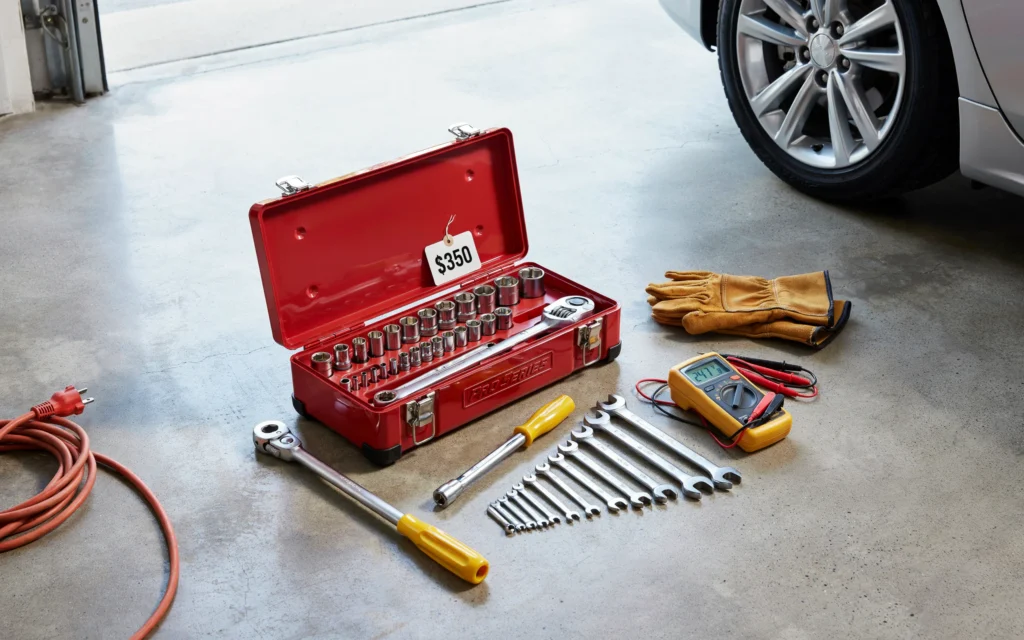
In this range, you also find kits with:
- 300 to 500 pieces
- Higher tooth-count ratchets (72 teeth or more for tight spaces)
- Better chrome finishes that resist rust
- More combination wrenches in more sizes
- Additional pliers, cutters, and specialty bits
- Metal or heavy-duty plastic cases
- Often include a torque wrench
Popular Mechanics tested a 180-piece Crescent set and found it “gives you everything you need for simple home and vehicle maintenance”. At this price point, the quality improvement is noticeable.
What you can do with a $300-$600 kit:
- Everything from the previous levels
- Engine repairs (valve covers, intake manifolds)
- Suspension overhauls
- Steering component replacement
- More complex brake work (calipers, lines)
- Diagnostic work with added specialty tools
Car Talk recommends Kobalt from Lowes as “Best for DIY Mechanics Budget under $500”. They also suggest Icon from Harbor Freight for “Low Prices and High Value”.
My recommendation: If you work on cars regularly and take on bigger projects, spend $350 to $450. How much should I spend on an automotive tool kit for serious DIY work? Around $400 gives you professional capability at a reasonable price.
Over $600: Professional and Specialty Tool Sets
At this level, you are either a professional mechanic or a very serious enthusiast. These kits include everything you could need and then some.
The Milwaukee 366-piece Master Mechanics Hand Tool Set with PACKOUT drawers and dolly costs about $4,000. Their 242-piece ratchet and socket set with PACKOUT 4-drawer toolbox sells for around $1,600.
These kits feature:
- 500 to 700+ pieces
- Premium steel and finishes
- High-tooth ratchets (90+ teeth)
- Organized foam inserts
- Metal rolling cabinets
- Full lifetime warranties
- Specialty tools included
The Teng Tools 702-piece set for automotive and heavy-duty professionals comes in stacked tool storage with 12 fully extendable drawers.
What you get at this level:
- Every socket size you will ever need
- Multiple wrench sets (combination, stubby, flex-head)
- Extensive bit sets
- Torque wrenches
- Specialty automotive tools
- Professional-grade storage
- Tools that last decades
My recommendation: Unless you work on cars for a living, you probably do not need this level. How much should I spend on an automotive tool kit as a professional? The answer depends on your employer and your specialty, but expect $1,000 to $5,000 or more.
Building Your Own Kit vs. Buying a Set
You have another option. Instead of buying a pre-assembled kit, you can build your own tool collection piece by piece. Both approaches have pros and cons.
Buying a Pre-Made Set
| Pros | Cons |
|---|---|
| Lower cost per tool | Includes tools you may never use |
| Everything fits in one case | Quality varies across pieces |
| Easy to buy and start working | Missing some specialty sizes |
| Good for beginners | Hard to upgrade individual pieces |
Building Your Own Kit
| Pros | Cons |
|---|---|
| Buy exactly what you need | Higher cost per tool |
| Choose quality for each tool | Takes time to assemble |
| Upgrade as you go | No single storage case |
| Learn each tool as you buy it | Can be more expensive overall |
“Used tool sets may be the best bargain,” notes Car Talk. You can find excellent used tools at estate sales, pawn shops, and online marketplaces. Many professionals sell their old tools when they upgrade, and these tools often have years of life left.
For most people, buying a pre-made set makes sense. It gets you working faster and costs less upfront. How much should I spend on an automotive tool kit if I go the pre-made route? Stick with the ranges above based on your needs.
Essential Tools Your Kit Must Include
No matter what you spend, make sure your kit includes these core tools. Without them, you will struggle with even basic repairs.
Socket and Ratchet Set
This is the heart of any automotive tool kit. Look for:
- 1/4-inch drive for small, tight spaces
- 3/8-inch drive for most general work
- 1/2-inch drive for heavy jobs
- Both standard (shallow) and deep sockets
- Both SAE (inch) and metric sizes
- A ratchet with at least 72 teeth for tight spaces
Combination Wrenches
These have an open end on one side and a box end on the other. Get both SAE and metric sizes from small to large.
Screwdrivers
You need flathead and Phillips-head in several sizes. Quality tips that do not strip are worth the extra cost.
Pliers
Needle-nose, slip-joint, and locking pliers (Vise-Grips) cover most needs.
Hex Keys (Allen Wrenches)
Many modern cars use hex bolts, especially for brakes and interior parts.
Extensions and Adapters
These help you reach bolts in tight engine bays.
A Torque Wrench
This is optional for beginners but becomes essential as you do more work. Over-tightening can damage aluminum threads and cost you dearly.
The best mechanic tool set gives you the foundation to handle common maintenance jobs and build experience over time.
Quality vs. Price: Where to Spend More
Not all tools are equal. Some deserve more of your budget than others. Here is where to spend extra and where to save.
Spend More On:
- Ratchets – A good ratchet feels smooth and lasts years. Cheap ratchets skip teeth and fail under load.
- Sockets – Quality sockets fit bolts properly and do not round them off.
- Torque Wrench – Accuracy matters. Cheap torque wrenches give wrong readings.
- Jack and Stands – Your safety depends on these. Never buy the cheapest option.
Save Money On:
- Screwdrivers – Basic ones work fine for most jobs.
- Hex Keys – These are simple tools. Cheap ones do the job.
- Storage Case – A plastic case holds tools just as well as a metal one.
- Brand Name – Store brands often match the quality of premium brands.
When choosing the best mechanical tools for auto repairs, consider durability, ease of use, versatility, safety, and value. You do not have to pay an arm and a leg for high-quality tools; just make sure you are looking for value.
Common Mistakes to Avoid
Many people waste money when buying their first automotive tool kit. Avoid these common errors.
Buying Too Many Pieces
A 300-piece set sounds impressive. But if 100 of those pieces are cheap bits you will never use, you wasted money. Focus on quality over quantity.
Ignoring Metric Sizes
Modern cars use metric fasteners almost exclusively. Make sure your kit has a full range of metric sockets and wrenches. SAE sizes are less important for most vehicles.
Forgetting About Storage
Tools scattered on a workbench get lost and damaged. A good case keeps them organized and protected.
Buying the Cheapest Option
Rock-bottom prices usually mean rock-bottom quality. Tools that break or strip bolts cost you more in the long run.
Not Checking the Warranty
A good warranty protects your investment. Many brands offer lifetime warranties on hand tools.
Overlooking Expandability
Think about future additions. Can you add more tools to your set? Does the case have room to grow?
“Budget tools might seem cost-effective at first, but their lower quality often leads to higher replacement or repair expenses”. Spend enough upfront to avoid buying twice.
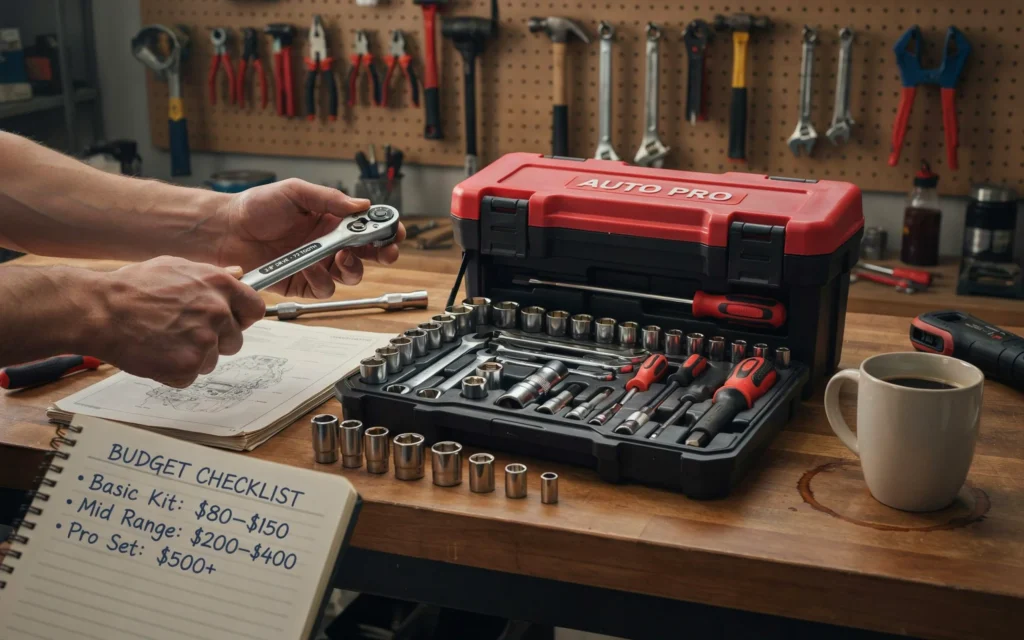
Real-World Examples: What $200 Gets You
Let us look at what a $200 automotive tool kit actually contains. This helps you understand how much should I spend on an automotive tool kit in practical terms.
A typical $200 kit includes:
- Sockets: 60 to 80 pieces covering 4mm to 24mm and 3/16-inch to 1-inch
- Ratchets: Three ratchets (1/4, 3/8, 1/2 inch) with 72-tooth mechanisms
- Wrenches: 15 to 20 combination wrenches in metric and SAE sizes
- Extensions: Several lengths in each drive size
- Screwdrivers: 5 to 8 pieces including precision tips
- Hex Keys: Both metric and SAE sets
- Pliers: 3 to 5 types including needle-nose and slip-joint
- Specialty Bits: Torx, square, and hex bits
- Storage: A blow-molded plastic case with organized slots
With this kit, you can do oil changes, brake pads, battery swaps, belt replacements, and most routine maintenance. You have the tools to handle unexpected repairs and build your skills over time.
The WORKPRO 450-piece set is a popular choice around this price point. It has over a thousand positive reviews, an anti-corrosion chrome finish, and a compact case.
When to Spend More (and When Not To)
Let us be honest about your actual needs. How much should I spend on an automotive tool kit depends on what you actually plan to do.
Spend more if:
- You work on cars every weekend
- You own multiple vehicles
- You tackle engine and transmission repairs
- You value premium tool feel and finish
- You want tools that last a lifetime
Spend less if:
- You only change oil and air filters
- You work on your car once a month or less
- You are just starting out
- You have a tight budget
- You mostly do basic maintenance
As one mechanic told me, “The best tool is the one you actually have when you need it.” A $100 kit in your garage beats a $1,000 kit you could not afford.
Specialty Tools and Add-Ons
Your basic kit handles most jobs. But some repairs require specialty tools. Budget for these as you grow.
OBD2 Scanner
This reads check engine lights and diagnostic codes. A basic Bluetooth dongle costs around $20. A professional scanner runs $100 to $500.
Torque Wrench
Essential for engine work, suspension, and any job with torque specifications. Prices range from $40 for a beam type to $200 for digital.
Floor Jack and Stands
Never work under a car with only the factory jack. A good floor jack costs $100 to $300. Stands add another $50.
Impact Wrench
This makes removing stubborn bolts much easier. Cordless options start around $150.
Multimeter
For electrical diagnosis. Basic models cost $30 to $100.
You can add these over time. Start with the core kit, then buy specialty tools as you need them for specific jobs.Where to Buy Your Automotive Tool Kit
Where you buy affects both price and quality. Here are your best options.
Harbor Freight
Great for budget tools and starter kits. Their Icon line offers professional quality at lower prices.
Home Depot and Lowe’s
Carry brands like Kobalt, Craftsman, and DeWalt. Good mid-range options with solid warranties.
Amazon
Wide selection with customer reviews. Easy returns and quick delivery. The DEWALT 205-piece set has over 14,000 5-star reviews.
Auto Parts Stores
AutoZone, O’Reilly, and Advance Auto Parts sell tool sets. Often have sales and promotions.
Tool Trucks
Snap-On, Matco, and MAC trucks visit professional shops. Excellent quality but high prices. Not necessary for home use.
Online Marketplaces
eBay, Facebook Marketplace, and Craigslist have used tools. Great for bargains if you know what to look for.
“Expert mechanics we interviewed use everyday retail outlets and online suppliers for the tools they need”. You do not need a tool truck account to get good tools.
Maintaining Your Tool Kit
Once you know how much should I spend on an automotive tool kit and have made your purchase, take care of your investment. Proper maintenance extends tool life.
Clean tools after each use. Wipe off grease and dirt. This prevents rust and keeps moving parts smooth.
Store tools in a dry place. Moisture causes rust. Use silica gel packs in your tool case if you live in a humid area.
Oil moving parts. A drop of light oil on ratchet mechanisms keeps them working smoothly.
Check for damage. Inspect sockets for cracks and ratchets for skipped teeth. Replace damaged tools promptly.
Keep the case organized. Return each tool to its proper spot. This prevents loss and makes your next job easier.
Honor the warranty. Register your tools if required. Keep receipts for warranty claims.
Frequently Asked Questions
Q: How much should I spend on an automotive tool kit for a beginner?
A: Spend $75 to $150 for a beginner kit. This gives you 100 to 200 pieces with basic sockets, wrenches, and screwdrivers. You can handle oil changes, battery swaps, and emergency repairs. As you learn, you can add more tools.
Q: How much should I spend on an automotive tool kit for regular home use?
A: Spend $200 to $350 for regular home use. This range gives you 200 to 300 pieces with all three drive sizes, both SAE and metric tools, and decent quality steel. You can handle most maintenance and many repairs.
**Q: Is a $500 automotive tool kit worth it?**
A: Yes, if you work on cars often. A $500 kit includes higher quality tools, better ratchets, more pieces, and often a metal toolbox. The improved durability and comfort make a real difference for regular use.
**Q: Can I get a good automotive tool kit for under $100?**
A: Yes, you can. Harbor Freight and Amazon offer decent starter kits under $100. These handle basic tasks and emergency repairs. They are perfect for beginners or as a car trunk emergency kit.
Q: What is the best brand for automotive tool kits?
A: Craftsman, Kobalt, DeWalt, and Amazon Basics offer excellent value for home mechanics. For higher end, consider Milwaukee or Snap-On. The best brand depends on your budget and needs.
Q: Should I buy SAE or metric tools?
A: Buy both. Modern cars use metric fasteners almost exclusively. But older vehicles and some components still use SAE sizes. A kit with both standards prepares you for any situation.
Q: How many pieces do I really need?
A: 200 to 300 pieces covers most home mechanic needs. More than 300 pieces often includes filler items you will rarely use. Focus on quality and coverage rather than piece count.
Q: Can I build my own kit instead of buying a set?
A: Yes, but it costs more per tool. Building your own lets you choose quality for each piece and avoid unwanted items. It works well if you already know what tools you need.
Q: What tools should I add to a basic kit?
A: Add a torque wrench, OBD2 scanner, floor jack and stands, and a multimeter. These expand your capability significantly for specific jobs.
Q: How long should an automotive tool kit last?
A: With proper care, a good quality kit lasts decades. Chrome vanadium steel resists rust and wear. Lifetime warranties on many brands protect your investment.
Conclusion
So, how much should I spend on an automotive tool kit? The honest answer depends on you. But here is a clear guide to help you decide.
For a beginner or someone who only does basic maintenance, spend $75 to $150. You get enough tools to handle emergencies and learn the basics.
For a regular home mechanic who changes oil, replaces brakes, and does routine repairs, spend $200 to $350. This gives you quality tools that last and covers most jobs you will encounter.
For a serious DIYer who works on multiple vehicles and tackles bigger projects, spend $400 to $600. You get professional features, better materials, and often a proper toolbox.
For a professional mechanic, spend whatever your work requires. Expect $1,000 to $5,000 or more for a complete professional setup.
Remember, you do not need to spend a fortune to get started. “Quality tools don’t necessarily mean expensive tools, at least not anymore”. Start with a solid mid-range kit and add specialty tools as you need them.
The most important thing is to start. A $150 kit in your garage saves you money on every repair you do yourself. It gives you independence and confidence. And as you gain experience, you will know exactly what to add next.
Your first automotive tool kit is an investment in yourself. Spend enough to get quality that lasts, but do not overspend on features you will not use. Find the balance that fits your needs, your budget, and your goals.
Now go out there, get your kit, and start turning those wrenches. Your car will thank you.
Related posts
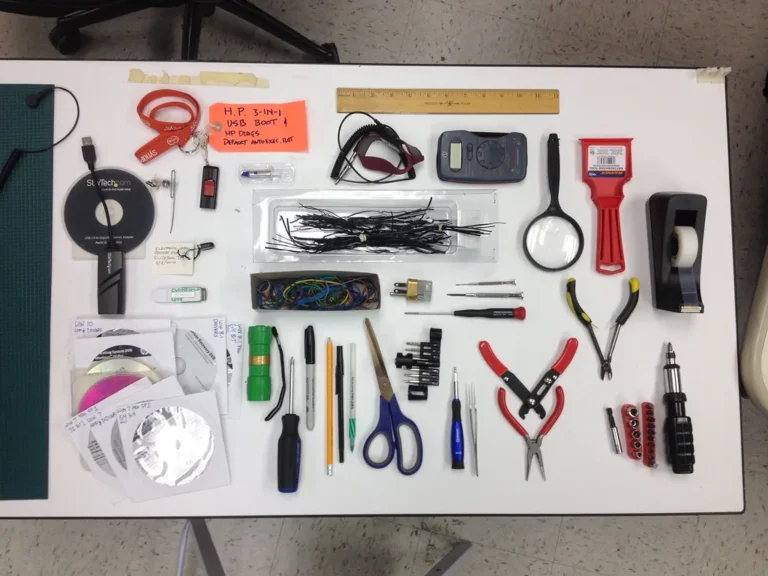 Top Starter Mechanic Tool Kits for Apprentices: Essential Sets for Your Trade
Explore top starter mechanic tool kits for apprentices. Compare sets for mechanics, electricians, and other trades to find your essential tools. Starting an apprenticeship is an…
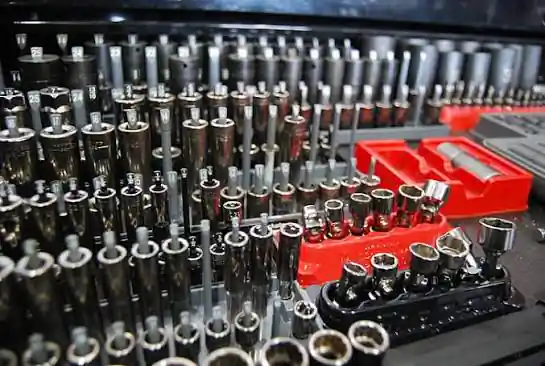 Automotive Tool Kits vs. Mechanic Tool Sets: What’s the Difference?
Understand the key differences between automotive tool kits vs. mechanic tool sets. Learn which is best for your car maintenance needs. When looking for tools to…
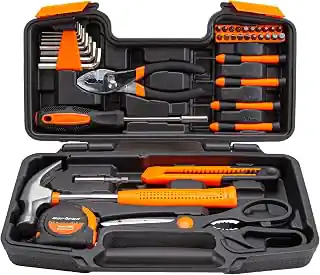 Top Automotive Tool Kits for Garage Workshops: A Buyer’s Guide
Find the top automotive tool kits for garage workshop. Compare versatile sets for car maintenance, home repairs, and DIY projects to choose the best fit. Setting…