
Essential Home Repairs You Can Complete Using Only Hand Tools
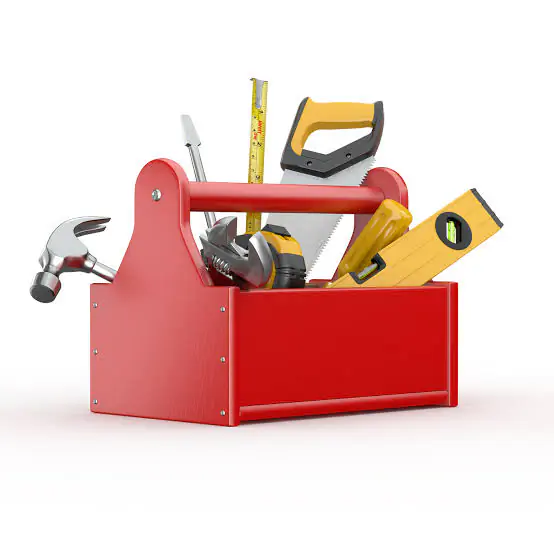
Many common home repairs, particularly those involving hardware, interior trim, and minor plumbing adjustments, require only hand tools. These tasks rely on precision and controlled force rather than the high-speed power of electric drills or saws.
If you are dealing with loose cabinet hinges, wobbly furniture, or minor cosmetic wall damage, you likely have the necessary tools in a basic household kit. Focusing on manual repairs allows you to maintain your home without the noise, dust, or risk of over-tightening associated with power equipment.
Cabinet and furniture hardware tightening
- Most cosmetic and hardware-related repairs require only manual force.
- Hand tools offer better control for delicate materials like wood trim.
- Manual repairs are often safer for beginners as they reduce the risk of over-tightening or stripping screws.
- Always assess the material before applying force to avoid permanent damage.
| Topic | When it helps | What to keep in mind |
|---|---|---|
| Cabinetry | Loose cabinet doors or misaligned drawers. | Avoid using a power drill, which can easily strip the pilot holes in particle board. |
| Plumbing | Leaky or loose bathroom and kitchen fixtures. | Wrap the jaws of your wrench in a cloth to avoid scratching chrome finishes. |
| Interior Trim | Gaps between trim and walls. | Use a nail set to sink the nail head below the surface so it can be filled with putty. |
Why Hand Tools Are Often Better for Repairs
Power tools are designed for speed and heavy-duty construction, but they can be overkill for minor home repairs. Hand tools provide tactile feedback, allowing you to stop the moment a screw is seated or a nut is tight.
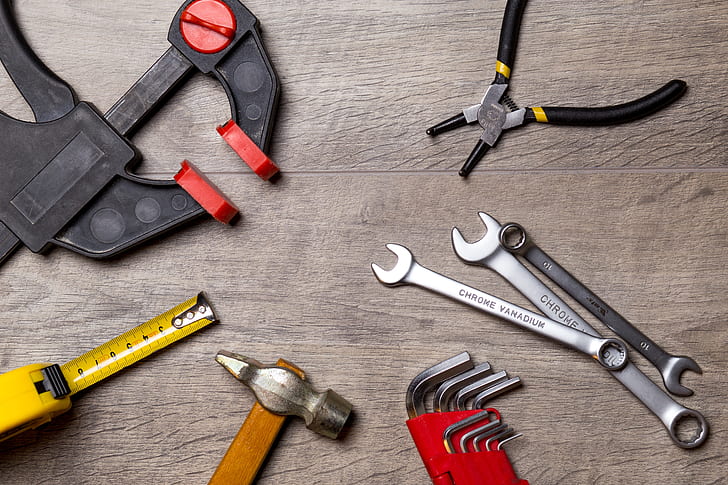
This level of control is essential when working with older materials, soft woods, or finished surfaces where a slip of a power tool could cause permanent damage.
When tightening a delicate antique chair leg, a manual screwdriver allows you to feel the resistance, preventing the wood from splitting.
Using a power drill on high torque settings for small, delicate fasteners.
- Better control over torque and depth.
- No risk of battery failure or cord entanglement.
- Quieter and less disruptive for indoor work.
- Easier to store and maintain.
Essential Hand Tool Kit for Homeowners
You do not need a massive workshop to handle most household repairs. A curated set of high-quality manual tools will cover 90% of your maintenance needs.

Focus on durability and ergonomics. A comfortable grip makes a significant difference when you are working in tight spaces like under a sink or inside a cabinet.
A multi-bit screwdriver is the most versatile tool in your kit, replacing the need for a bulky set of individual drivers.
Buying cheap, soft-metal tools that round off screw heads.
| Tool | Primary Use |
|---|---|
| Multi-bit Screwdriver | Hardware and fasteners |
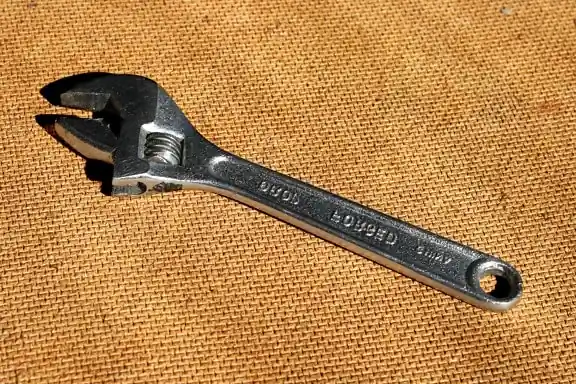
| Adjustable Wrench | Plumbing and nuts |
| Needle-nose Pliers | Small parts and wire |
| Utility Knife | Trimming and opening |
| Hammer | Trim and small nails |
Focus on common non-structural and
Cabinetry. Tightening and Aligning Hardware
Adjusting hinges, drawer slides, and knobs is best done with a manual screwdriver to prevent stripping the wood or the screw head.
- Loose cabinet doors or misaligned drawers.
- Avoid using a power drill, which can easily strip the pilot holes in particle board.
- Use a manual multi-bit screwdriver to match the exact screw head size.
- Difficulty – Low
- Time – 5-10 mins
Plumbing. Fixture Adjustments
Tightening a loose faucet handle or replacing a simple aerator requires only an adjustable wrench or a pair of pliers.
- Leaky or loose bathroom and kitchen fixtures.
- Wrap the jaws of your wrench in a cloth to avoid scratching chrome finishes.
- Check for a small set screw under the handle before trying to force the fixture off.
- Difficulty – Low
- Time – 15 mins
Interior Trim. Securing Loose Molding
Re-securing baseboards or door casing that has pulled away from the wall can be done with a hammer and finish nails.
- Gaps between trim and walls.
- Use a nail set to sink the nail head below the surface so it can be filled with putty.
- Ensure you are hitting a stud behind the drywall for a secure hold.
- Difficulty – Medium
- Time – 20 mins
FAQs
Can I fix a leaky faucet without power tools?
Yes. Most faucet leaks are caused by loose connections or worn-out washers, both of which can be addressed with an adjustable wrench and a screwdriver.
What is the most common mistake when using hand tools?
The most common mistake is using the wrong size screwdriver bit, which can strip the screw head and make the repair much more difficult.
When should I stop using hand tools and call a pro?
If a repair involves major structural components, high-voltage electrical wiring, or pressurized main water lines, it is time to call a professional.
Conclusion
Tackling home repairs with hand tools is a rewarding way to maintain your living space while building your DIY skills. By prioritizing control and precision, you can handle most common household issues without the complexity of power equipment.
Start with the hardware and fixtures you use every day. If you find a screw that is loose or a handle that wobbles, reach for your manual tools first-you will likely find that the repair is simpler than you expected.
Related posts
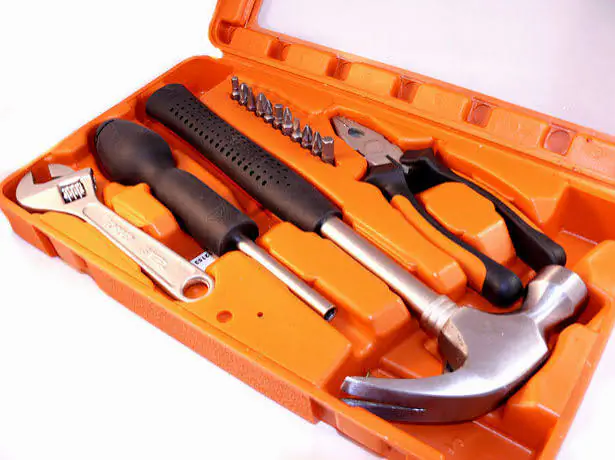 Which Tool Kit Is Worth Buying? How to Choose the Right Set for Your Home
Wondering which tool kit is worth buying? Compare basic household sets, mechanic kits, and power tool combos to find the best tools for your budget and…
 Which Hand Tools Are Made in the USA? Reliable Brands and Buying Rules
Discover which hand tools are still made in the USA. Compare top domestic brands, tool categories, and learn how to verify origin labels before buying. Several…
 Why Do Campers Carry Multi Tools? Practical Uses in the Field
Why do Campers carry multi tools to handle gear repairs, campsite setup, food prep, and field fixes with minimal weight. Here is why one belongs in…