
How To Choose The Right Tool Bag For Mechanics
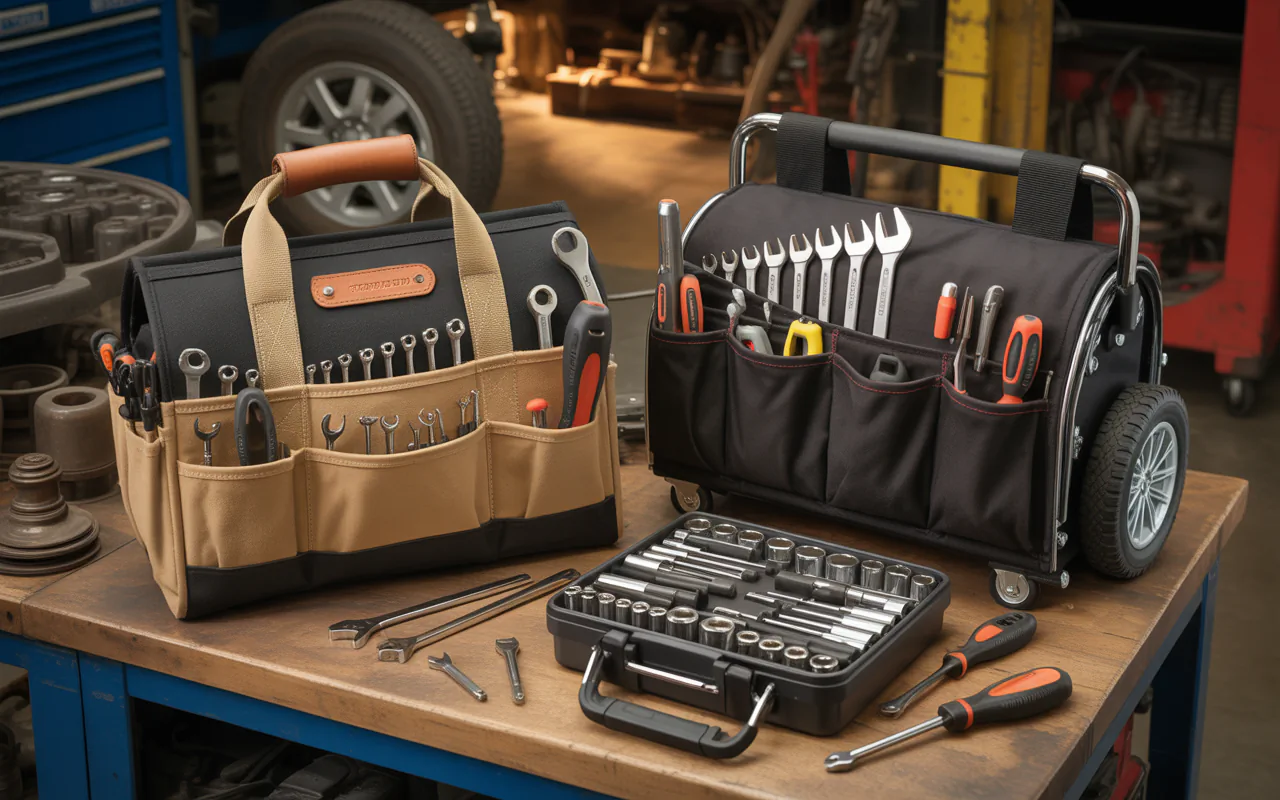
Learn how to choose the right tool bag for mechanics by checking size, material, pockets and durability.This guide helps pick a tough bag that keeps tools neat.
You open your toolbox, and everything is a mess. Wrenches are tangled. Screwdrivers poke your hand. You waste five minutes just finding a 10mm socket. Does that sound familiar? Many mechanics deal with this every day. The simple fix is a good tool bag. But with so many options, how do you pick the best one? This guide will help you choose the right tool bag for mechanics without any stress.
I have worked on cars, trucks, and heavy equipment for over a decade. I have tried cheap bags that fell apart in months. I have also used high quality bags that lasted for years. Let me share what I learned. By the end of this post, you will know exactly what to look for. You will save time, money, and frustration.
Why Your Tool Bag Choice Matters
Your tools are your livelihood. A broken wrench can stop a job. But losing a tool costs even more. A poor bag leads to lost sockets, broken zippers, and spilled tools. I once saw a friend drop his bag from a truck bed. The cheap strap snapped. His ratchets rolled into a drain. That was a bad day.
A good bag protects your investment. It keeps your tools organized. It helps you work faster. And it saves your back from heavy, unbalanced loads. When you choose the right tool bag for mechanics, you are not just buying a bag. You are buying peace of mind.
The Cost of a Bad Tool Bag
Let’s look at real problems. The table below shows what happens with a poor choice versus a smart one.
| Problem with Poor Tool Bag | Benefit of Right Tool Bag |
|---|---|
| Zipper breaks after 3 months | Strong zippers last for years |
| Thin fabric tears on sharp tools | Thick canvas or polyester resists cuts |
| No rigid bottom, bag tips over | Hard base keeps bag upright |
| Few pockets, tools get lost | Many pockets, each tool has a place |
| Shoulder strap digs into neck | Padded strap that adjusts well |
“A tool bag is like a work partner. If it fails you, the whole day goes wrong.”
— Mark Reynolds, master mechanic with 22 years of experience
So do not ignore the bag. It is as important as your ratchet set.
Key Factors to Choose the Right Tool Bag for Mechanics
Now we get to the main part. Here are the features you must check. Use these points every time you shop. They will help you choose the right tool bag for mechanics for any job.
Bag Size and Capacity
Size matters a lot. A bag that is too small forces you to leave tools behind. A bag that is too big is heavy and hard to carry. Think about your daily tools. Do you carry mostly sockets and ratchets? Or do you have big hammers and pry bars?
How Many Tools Do You Carry?
Make a quick list. Write down the top 20 tools you use every day. Then measure the space they need. A good rule is to buy a bag that is 20% larger than your current load. That extra room allows for new tools later.
- Small bag (12 to 14 inches wide) – Good for light work like electrical or diagnostics. Holds 15 to 25 tools.
- Medium bag (15 to 18 inches wide) – Best for most auto mechanics. Holds 30 to 50 tools including socket sets.
- Large bag (19 inches and up) – For diesel or heavy equipment techs. Holds 60 plus tools and large wrenches.
Do not forget weight. A full large bag can reach 40 pounds. Make sure you can lift it safely.
Material Strength
The fabric is the backbone of your bag. Cheap nylon tears fast. Look for these materials:
- Canvas – Heavy and durable. Resists oil and grease. Thickness of 18 oz or more is good.
- Polyester – Lighter than canvas. Still strong if denier rating is 600D or higher.
- PVC or tarpaulin – Waterproof and very tough. Easy to clean. Good for outdoor work.
Check the stitching too. Double stitching at stress points is a must. The bottom of the bag needs extra layers. Some bags have a plastic or metal base plate. That stops tools from poking through.
Pocket Layout and Organization
A bag without pockets is just a sack. You want many pockets in different sizes. Inside pockets help separate small items like bits and extensions. Outside pockets give quick access to pliers and screwdrivers.
Look for pockets with elastic bands. They hold tools tight so nothing falls out when you move the bag. Also check for loops. Many good bags have loops for wrenches or pry bars on the outside.
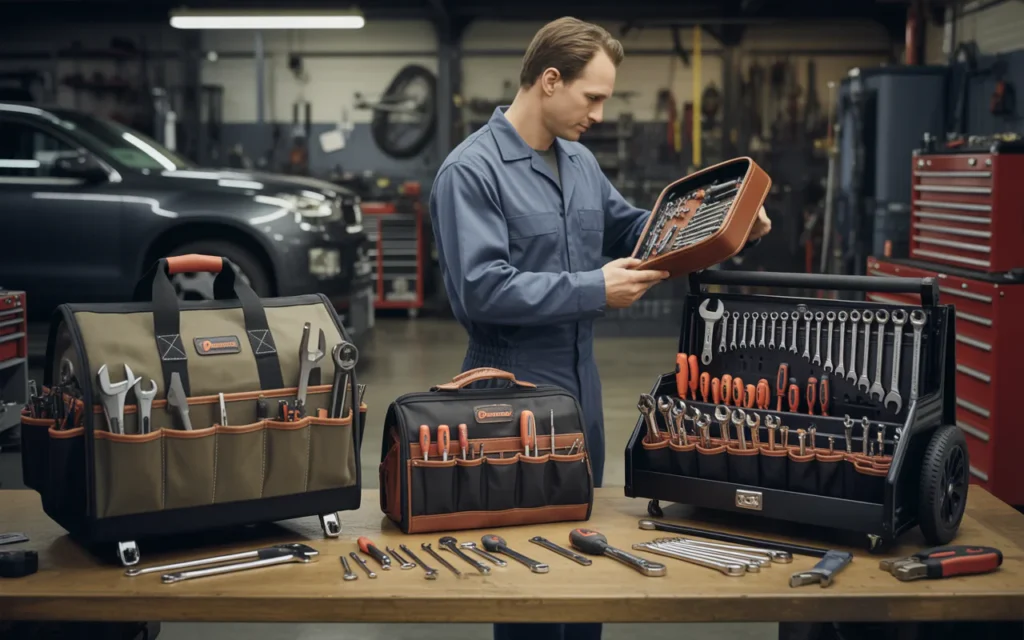
Here is a table of pocket types and what they fit.
| Pocket Type | Best For |
|---|---|
| Small elastic loops | Screwdrivers, pens, small files |
| Medium open pockets | Pliers, cutters, combination wrenches |
| Large zippered pockets | Small parts, electrical tape, safety glasses |
| Deep internal slip pockets | Ratchets, breaker bars, torque wrenches |
| External mesh pockets | Spray cans, oil bottles, gloves |
“I tell my students to count the pockets before they count the price. More pockets mean less time searching.”
— Linda Hernandez, automotive instructor and shop owner
Portability and Carry Options
How you carry the bag matters for your body. Most tool bags have three carry styles:
- Top handle – Basic and simple. Good for light bags. Bad for heavy loads because all weight goes to one hand.
- Shoulder strap – Spreads weight across your body. Look for a padded strap with a non slip pad. The strap clips should be metal, not plastic.
- Backpack style – Best for mobile mechanics who walk a lot. Two straps balance the load. Keeps your hands free.
Think about where you work. If you roll under cars on a creeper, a backpack might get in the way. If you walk across large parking lots, a shoulder strap is your friend.
Closure Type
Zippers are common but they break. Heavy duty zippers from YKK or similar brands last longer. Some bags use buckles or velcro. Buckles are strong but slower to open. Velcro is fast but wears out and makes noise.
A hybrid works well: main compartment with a zipper, plus a flap with buckles over it. That gives you quick access and extra security.
How to Match a Tool Bag to Your Work Type
Not every mechanic does the same job. Your work style changes what bag you need. Let us match the bag to the person.
Auto Mechanic vs Diesel Mechanic
An auto mechanic uses mostly 1/4 and 3/8 inch drive sockets. Wrenches up to 19mm. Tools are medium sized. A medium bag (16 inches) with many small pockets works great.
A diesel mechanic uses 1/2 and 3/4 inch drive tools. Wrenches up to 30mm or larger. Hammers and pry bars are common. You need a large bag (20 inches or more) with a strong bottom. The bag should have external loops for big wrenches.
Mobile Mechanic Needs
If you drive to different shops or homes, think about portability. A backpack style bag is excellent. It leaves your hands free to carry a floor jack or diagnostic scanner. Also look for bags with rubber feet on the bottom. They keep the bag clean when you set it down on wet pavement.
Some mobile mechanics prefer a rolling tool bag. That is like a small suitcase with wheels. It carries more weight but is harder to take up stairs.
When you choose the right tool bag for mechanics who work on the road, prioritize durability and water resistance. Rain can ruin a cheap bag fast.
Testing the Bag Before Buying
You do not need to guess. You can test a bag before you spend your money. Here is how.
In Store Checks
Go to a hardware or tool store. Pick up the bag. Do these checks:
- Smell it – Strong chemical smells mean low quality materials.
- Pull the zipper – It should move smooth without snagging.
- Press the bottom – Does it feel hard or soft? Hard is better.
- Load it with store tools – Put three heavy wrenches inside. Carry it around the aisle for a minute. Does the strap hurt?
- Shake the bag – Do pockets hold tools tight or do they fall out?
Reading Reviews
Online reviews help a lot. Look for comments from people who work similar jobs to you. Ignore one star reviews that complain about shipping damage. Focus on reviews that mention long term use. “I have used this bag for two years” is a good sign.
Also check photos from buyers. Real life pictures show the true size and pocket layout.
“Never buy a tool bag without reading at least 20 reviews. The truth is in the comments from working mechanics.”
— James “Jay” Carter, heavy equipment technician and YouTube tool reviewer
Caring for Your Tool Bag
A good bag lasts many years with some care. Follow these tips:
- Clean it every month – Shake out dirt and metal shavings. Wipe with a damp cloth.
- Check zippers – If they feel sticky, rub a candle or bar soap on the teeth.
- Do not overload – Too much weight stretches the fabric and breaks stitches.
- Store it dry – Moisture rusts tools and rots canvas. Hang your bag or keep it off concrete floors.
- Repair small tears fast – Use heavy thread or a patch kit. Small fixes stop big rips.
When you choose the right tool bag for mechanics, you also choose how long it will last. Treat it with respect.
Frequently Asked Questions
1. How often should I replace my tool bag?
A quality bag lasts 3 to 5 years with daily use. If zippers break or the bottom tears, replace it right away.
2. Can I use a regular backpack for tools?
No. Regular backpacks lack reinforced bottoms and special pockets. Tools will poke through the fabric. Always use a bag made for mechanics.
3. What is the best material for oily shops?
Tarpaulin or PVC coated fabric. You can wipe oil off easily. Canvas absorbs oil and gets heavy.
4. How do I know if a bag is too heavy?
If you cannot lift it with one hand easily, it is too heavy. Try to keep the total weight under 35 pounds for shoulder carry.
5. Should I buy a bag with a hard bottom?
Yes, strongly yes. A hard plastic or metal base stops tools from poking out. It also lets the bag stand upright.
6. What size bag do I need for a basic socket set (200 pieces)?
A medium bag of 17 inches wide. Many socket sets come in a plastic case. The bag holds that case plus other hand tools.
7. Are expensive brands worth the money?
Sometimes yes. Brands like Veto Pro Pac, Klein, and Milwaukee make very durable bags. But you can find good mid range bags from Husky or CLC for less. Focus on features, not just the name.
8. How do I organize small parts like screws and bits?
Use small zippered bags or plastic containers inside the main pocket. Some tool bags have removable organizers that clip inside.
9. Can I bring a tool bag on a plane?
Only as checked luggage. Most tools are not allowed in carry on bags. Check airline rules first.
10. What is the best way to carry a heavy tool bag without hurting my back?
Use a backpack style or a rolling bag. If you use a shoulder strap, switch shoulders every 20 minutes.
Conclusion
Your tools work hard for you. They deserve a good home. Learning how to choose the right tool bag for mechanics is not hard. Check the size. Look for strong fabric. Count the pockets. Test the strap and zippers. Match the bag to your job type.
A smart choice saves you time every single day. No more digging for lost sockets. No more broken zippers at the worst moment. No more back pain from a bad strap.
Take a few minutes to look at your current bag. Does it have holes? Are pockets torn? If yes, go find a better one. Your future self will thank you.
Now go out there and fix things. Keep your tools safe. And work with a smile.
Related posts
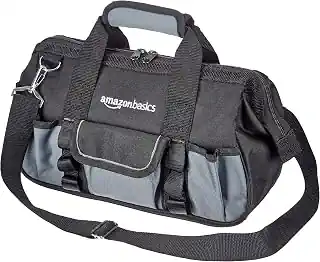 Top Stanley Tool Bags: A Buyer’s Guide for Organized Storage
Compare the top Stanley tool bags for durability, organization, and portability. Find the best fit for your tools and projects with our detailed guide. Finding the…
 Top Rolling Tool Bags for Portable Organization
Compare top rolling tool bags, including wheeled options for heavy loads and compact roll-up organizers. Find the best portable tool storage for your needs. Rolling tool…
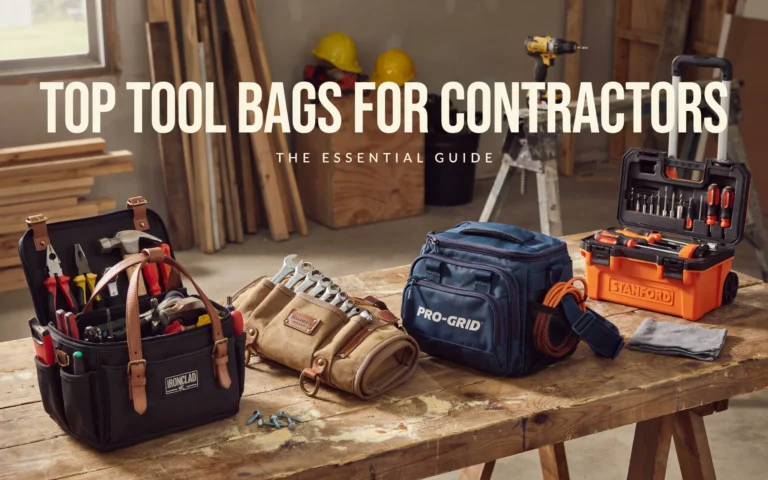 Top Tool Bags for Contractors: A Buyer’s Guide
Find the best top tool bags for contractors with this detailed comparison. Explore durable, organized, and portable options for your job site needs. Every contractor knows…