
How to Pack a Mechanic Tool Bag for Efficiency and Safety
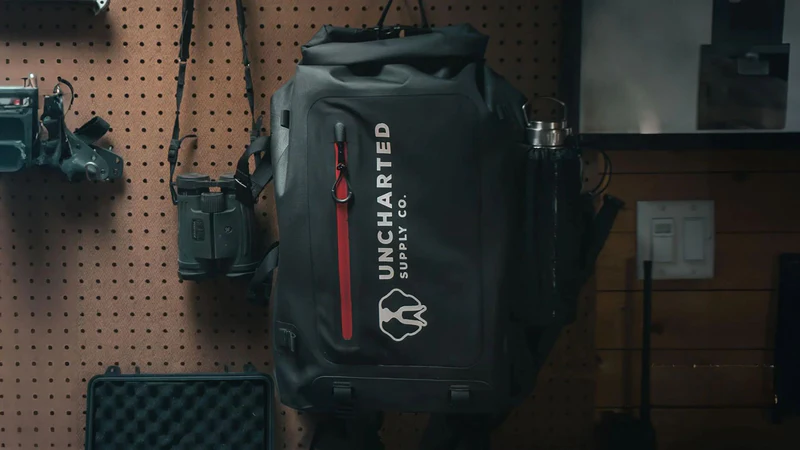
Packing a mechanic tool bag effectively means more than just tossing tools inside; it’s about creating an organized, accessible, and safe mobile workstation. For mechanics, a well-packed bag saves time on the job, reduces physical strain, and protects valuable tools from damage.
The key is to think strategically about tool selection, weight distribution, and smart organization. By following a few core principles, you can transform a cluttered bag into an efficient system ready for any mechanical task, whether you’re working in a shop, on a roadside, or tackling a home project.
Safety checks
- Prioritize tools based on the specific mechanic tasks you’ll perform.
- Distribute weight evenly, placing heavier items at the bottom and center of the bag.
- Utilize internal and external pockets, pouches, and organizers for small parts.
- Protect sharp edges and delicate tools to prevent damage and ensure safety.
| Topic | When it helps | What to keep in mind |
|---|---|---|
| Step 1 | Anyone building a new kit or optimizing an existing one for specific tasks. | Avoid overpacking with tools you rarely use; this adds weight and makes essential items harder to find. |
| Step 2 | Mechanics needing a robust, long-lasting bag that can withstand heavy use and various environments. | A cheap, flimsy bag will quickly tear, fail to protect tools, and make carrying uncomfortable. |
| Step 3 | Ensuring bag stability and reducing strain on your back and shoulders during transport. | Placing heavy tools on top or off-center can make the bag unstable, prone to tipping, and awkward to carry, increasing the risk. |
| Step 4 | Improving efficiency and reducing time spent searching for small, critical components. | Don’t just dump small items into a main compartment; they will inevitably get buried and become frustrating to find. |
| Step 5 | Extending tool lifespan and making the most of your bag’s capacity. | Allowing tools to clang together can chip finishes, dull edges, and even cause damage to sensitive equipment. |
Focus on tool selection relevant
Step 1. Assess Your Tool Needs and Inventory
Before packing, consider the types of mechanic jobs you typically do. This helps you select only the essential tools, preventing unnecessary weight and clutter.
- Anyone building a new kit or optimizing an existing one for specific tasks.
- Avoid overpacking with tools you rarely use; this adds weight and makes essential items harder to find.
- Lay out all potential tools and categorize them by frequency of use.
- Focus – Task-specific tools.
- Goal – Reduce weight, increase efficiency.
Step 2. Choose the Right Tool Bag Features
The bag itself plays a crucial role. Look for durable materials, reinforced bottoms, sturdy zippers, and comfortable handles or shoulder straps.
- Mechanics needing a robust, long-lasting bag that can withstand heavy use and various environments.
- A cheap, flimsy bag will quickly tear, fail to protect tools, and make carrying uncomfortable.
- Consider the bag’s overall size and weight capacity.
- Material – Heavy-duty canvas, ballistic nylon.
- Features – Reinforced bottom, multiple pockets.
Step 3. Strategize Heavy Tool Placement for Stability
Heavy tools like hammers, large wrenches, or impact guns should be placed at the very bottom and center of the bag. This creates a stable base, prevents the bag from tipping over, and distributes weight more evenly, making it easier to carry.
- Ensuring bag stability and reducing strain on your back and shoulders during transport.
- Placing heavy tools on top or off-center can make the bag unstable, prone to tipping, and awkward to carry, increasing the risk.
- Use any internal dividers or straps to secure heavy items, preventing them from shifting during movement and potentially damaging other tools.
- Placement – Bottom, center.
- Benefit – Stability, comfort.
Step 4. Organize Small Parts and Frequently Used Items
Small items like sockets, bits, fasteners, and frequently accessed tools (screwdrivers, pliers) should be stored in easily accessible pockets, pouches, or dedicated organizers. This prevents them from getting lost at the bottom of the bag and speeds up your workflow.
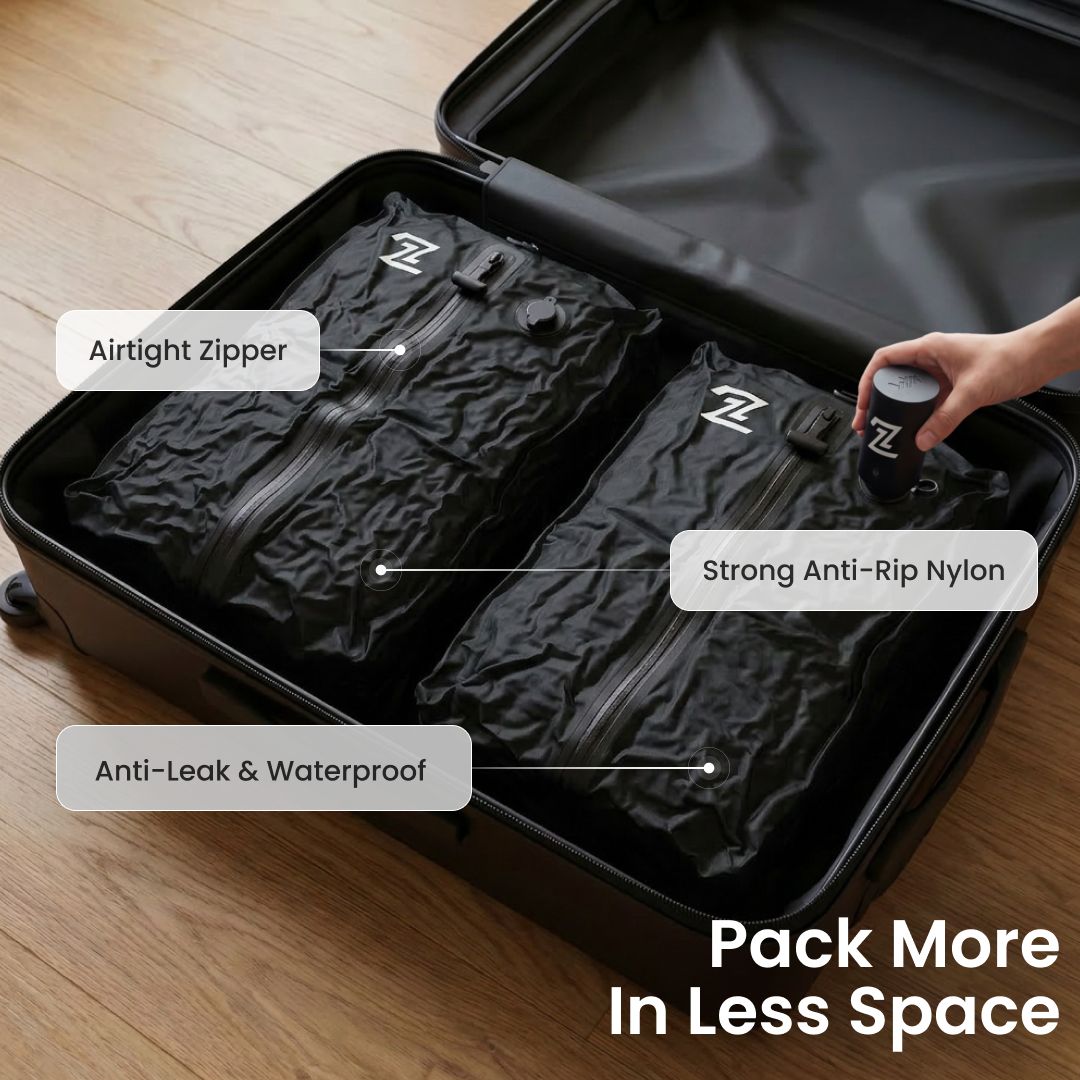
- Improving efficiency and reducing time spent searching for small, critical components.
- Don’t just dump small items into a main compartment; they will inevitably get buried and become frustrating to find.
- Consider using small, clear plastic containers for fasteners or a dedicated socket rail/tray.
- Accessibility – Quick access.
- Method – Pockets, pouches, organizers.
Step 5. Protect Tools and Maximize Space
Protecting your tools from damage and rust is crucial. Wrap sharp or delicate tools, use tool rolls for wrenches, and ensure nothing is rattling loosely.
- Extending tool lifespan and making the most of your bag’s capacity.
- Allowing tools to clang together can chip finishes, dull edges, and even cause damage to sensitive equipment.
- Place a moisture-absorbing packet (like silica gel) in the bag, especially if working in humid environments.
- Protection – Rust, impact.
- Efficiency – Space utilization.
Start with the Essentials: Tool Selection for Mechanics
The first step to an efficiently packed mechanic tool bag is a thoughtful selection of its contents. Mechanics often deal with a wide array of tasks, but no single bag can comfortably carry every tool.
Your tool selection should reflect this focus. For general automotive work, a comprehensive socket set, a range of wrenches, pliers, screwdrivers, and basic diagnostic tools are usually essential.
If your primary work involves routine oil changes and tire rotations, you’ll prioritize a socket set, wrench set, torque wrench, and tire iron.
Packing every tool you own ‘just in case.’ This leads to a heavy, disorganized bag where essential items are hard to find.
Mastering the Layout: Core Packing Principles
Once you have your essential tools, the art of packing begins. The goal is to create a balanced, accessible, and protective environment for your equipment.
Next, layer medium-weight tools. These might include larger wrench sets, diagnostic equipment, or specialty pliers.
When packing, place a heavy impact wrench or a large breaker bar at the bottom-center.
Ignoring weight distribution, which can lead to a lopsided, unstable bag that’s difficult to carry and prone to tipping, potentially damaging tools or causing spills.

| Tool Weight/Size | Ideal Placement | Reasoning |
|---|---|---|
| Heavy & Bulky (e.g., impact wrench, large breaker bar). | Bottom, center of the main compartment. | Creates a stable base, prevents tipping, distributes weight for easier carrying. |
| Medium Weight (e.g., ratchet set, larger pliers, diagnostic scanner). | Middle layers, around heavy items, in main compartments. | Balances the load, keeps items secure without crushing smaller tools. |
| Light & Frequently Used (e.g., screwdrivers, small flashlight, tape measure). | Top layers, external pockets, dedicated loops. | Ensures quick access, prevents items from getting lost, protects delicate tools. |
| Small Parts (e.g., sockets, bits, fasteners). | Dedicated pouches, clear containers, zippered pockets. | Prevents loss, keeps organized, allows for quick identification. |
Smart Organization for Small Parts and Specialized Tools
Small components are often the biggest challenge in tool bag organization. Sockets, bits, fuses, and various fasteners can quickly turn a tidy bag into a chaotic mess.
For sockets, a socket rail or a compact socket tray can keep them in order and easily identifiable. Many mechanics also use small, clear plastic containers with adjustable dividers for different types of fasteners, electrical connectors, or spare parts.
Instead of loose sockets, use a magnetic socket rail or a dedicated socket organizer that fits snugly into a side compartment.
Letting small items like loose sockets, bits, or fasteners tumble freely in the main compartment, leading to endless searching and potential loss.
- Utilize magnetic strips or rails for sockets and small metal parts.
- Employ clear, compartmentalized boxes for fasteners, fuses, and electrical connectors.
- Use tool rolls or canvas pouches for wrench sets and screwdrivers.
- Protect delicate instruments with padded cases or custom foam inserts.
Maintaining Your Packed Tool Bag
Packing your mechanic tool bag is not a one-time event; it’s an ongoing process. Regular maintenance ensures your tools remain in good condition and your bag stays organized and functional.
Periodically, empty your entire bag, clean out any debris, and inspect the bag for wear and tear. Check zippers, seams, and straps for damage.
After a messy job, wipe down any dirty tools before returning them to the bag.
Neglecting regular cleaning and inspection, which can lead to rust on tools, degradation of the bag material, and a gradual return to disorganization.
- Wipe down tools after each use to remove dirt, grease, and moisture.
- Empty and clean the bag regularly, removing debris and inspecting for damage.
- Replace or repair worn zippers, straps, or torn pockets promptly.
- Add desiccant packets to combat humidity and prevent rust.
FAQs
How do you keep tools from rusting in a tool bag?
To prevent rust, always wipe tools clean and dry before packing them. Consider adding desiccant packets (like silica gel) to absorb moisture, especially in humid environments.
What’s the best way to carry heavy tools in a bag?
Place heavy tools at the very bottom and center of the bag to create a stable base and distribute weight evenly. This reduces strain on your body and prevents the bag from tipping.
Should I use foam inserts in my mechanic tool bag?
Foam inserts can be very effective for protecting delicate or specialized tools from impact and keeping them securely in place. They are particularly useful for diagnostic equipment, multimeters, or precision instruments.
How often should I reorganize my tool bag?
It’s a good practice to do a quick tidy-up after each job, ensuring tools are returned to their designated spots. A more thorough reorganization and cleaning, including emptying the bag, should be done monthly.
What are the most common mistakes when packing a mechanic tool bag?
Common mistakes include overpacking with unnecessary tools, neglecting weight distribution (leading to an unstable bag), failing to organize small parts, not protecting sharp or delicate tools, and neglecting regular cleaning and maintenance, which can.
Conclusion
A well-packed mechanic tool bag is a testament to efficiency and preparedness. By thoughtfully selecting your tools, strategically distributing weight, and meticulously organizing every component, you transform a simple bag into a powerful extension of your skills.
Remember that the best packing strategy is one that evolves with your needs. Regularly review your bag’s contents and organization, making adjustments as your tasks change.
Related posts
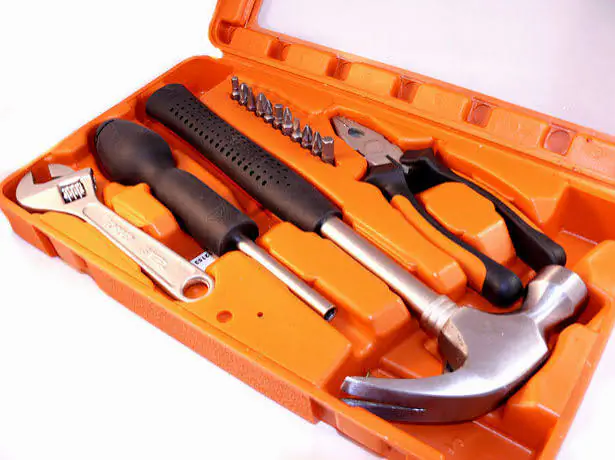 Which Tool Kit Is Worth Buying? How to Choose the Right Set for Your Home
Wondering which tool kit is worth buying? Compare basic household sets, mechanic kits, and power tool combos to find the best tools for your budget and…
 Which Hand Tools Are Made in the USA? Reliable Brands and Buying Rules
Discover which hand tools are still made in the USA. Compare top domestic brands, tool categories, and learn how to verify origin labels before buying. Several…
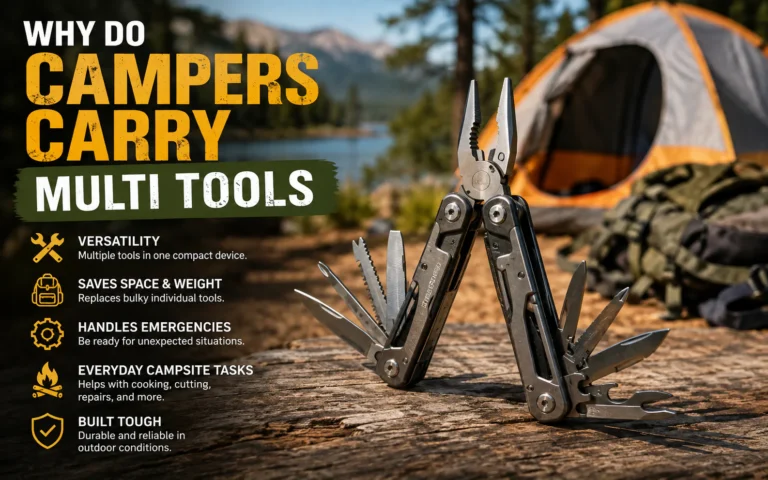 Why Do Campers Carry Multi Tools? Practical Uses in the Field
Why do Campers carry multi tools to handle gear repairs, campsite setup, food prep, and field fixes with minimal weight. Here is why one belongs in…