Choose A Tool Bag For Plumbers requires focusing on durability, water resistance, and smart storage. Learn how to select the right bag to keep your essential plumbing tools organized and protected on every job site.
Professional plumbing is demanding work. You deal with water, tight spaces, and heavy equipment every single day. If your gear is messy or hard to reach, your job gets much harder. Finding the right way to choose a tool bag for plumbers can save you time and reduce physical strain. A good bag protects your expensive wrenches, pipe cutters, and torches from damage while keeping them ready for quick access. Many people rush this choice, but taking time to think about your specific needs makes a big difference in how your day goes.
Why Your Tool Bag Choice Matters
Plumbing tools are different from those used by carpenters or electricians. They often deal with moisture, grease, and chemicals. Because of this, you need a bag that withstands harsh conditions. When you choose a tool bag for plumbers who work in residential or commercial settings, you must prioritize material quality. A bag that absorbs water will eventually grow mold or rust your tools. You want a fabric that is tough, easy to clean, and built to handle the weight of heavy metal tools.
Think about how much you carry. Some plumbers prefer a rolling bag to save their back, while others like a backpack style to keep their hands free for climbing ladders. The right choice supports your work style instead of fighting against it. If you spend your time under sinks or crawling through basements, a smaller, compact bag might be better than a massive chest that does not fit in tight spots.
Essential Features to Look For
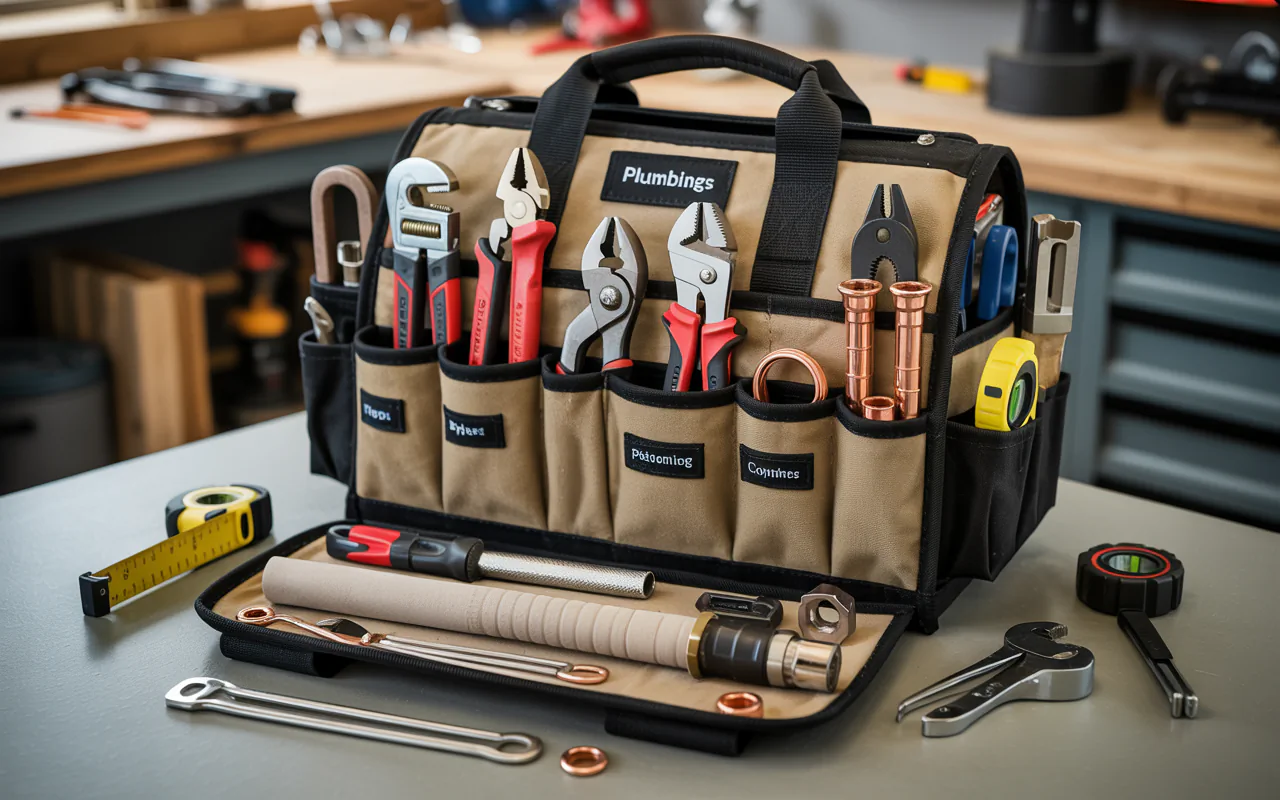
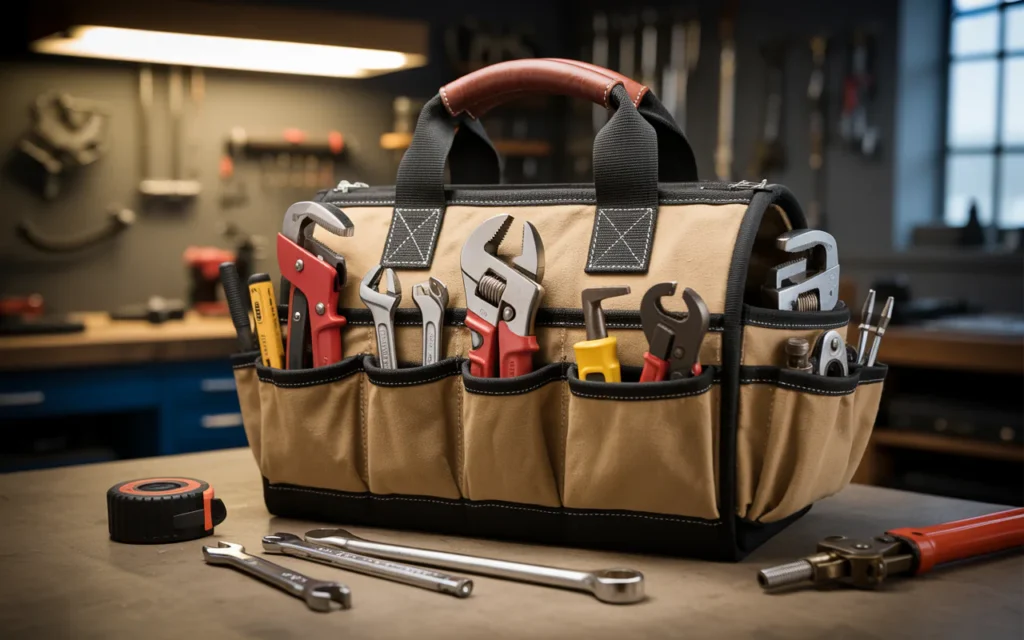
When you start to choose a tool bag for plumbers, look for specific features that make life easier. Waterproof bottoms are not optional. You will often set your bag down on wet concrete or bathroom floors. A molded, hard base stops moisture from soaking through the bottom. Look for heavy-duty zippers that do not get stuck when covered in dust or pipe dope.
Storage layout is another big factor. Plumbers carry many small parts, like O-rings, washers, and Teflon tape. If these get lost at the bottom of a big open bin, you lose money and time. Look for bags with clear pockets or dedicated spots for these tiny items.
Feature
Why It Helps
Molded Base
Keeps tools dry on wet floors
Heavy Zippers
Prevents frustration on the job
Tool Loops
Keeps wrenches upright and visible
Padded Straps
Reduces shoulder pain
Materials That Last
Durability comes down to the fabric. You want ballistic nylon or heavy-duty polyester. These materials resist tearing even when you toss the bag into the back of your truck. Some bags come with reinforced stitching at stress points. Check the handles to ensure they are riveted or double-stitched. You do not want a handle snapping off when the bag is full of brass fittings and steel tools.
Another point to consider is how the bag opens. A wide-mouth design lets you see everything inside at a glance. You should not have to dig around for a slip-joint plier while water is leaking from a pipe. Efficiency is the mark of a pro. When you choose a tool bag for plumbers correctly, you spend less time searching and more time fixing the leak.
“A place for everything and everything in its place is the golden rule for any tradesperson who wants to be truly efficient.” – James Miller
Choosing Between Different Bag Types
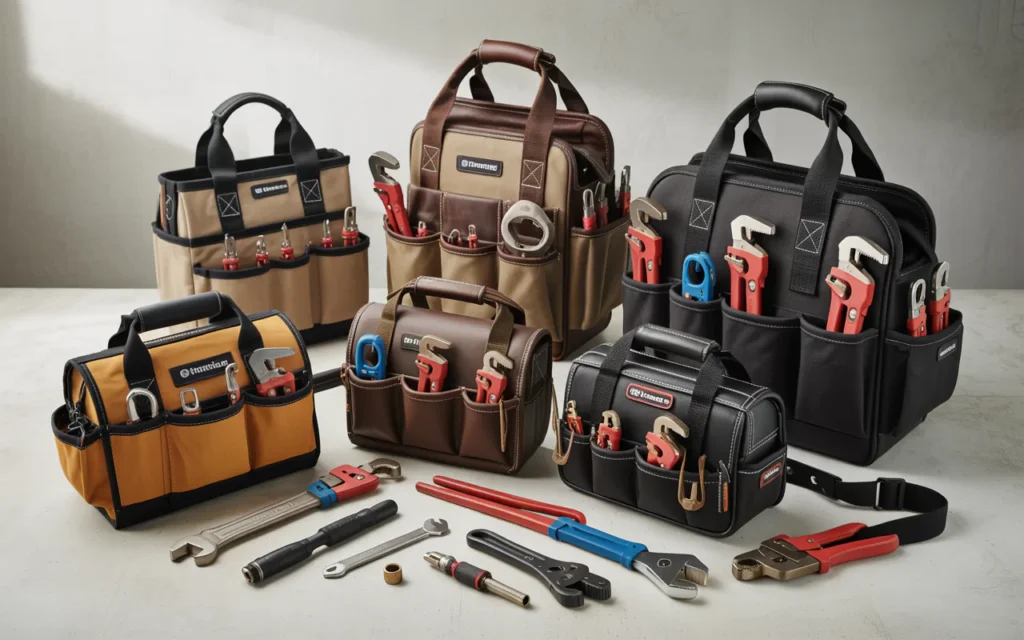
There are several styles available. The classic open-top tote is great if you need to grab tools constantly. It is fast and simple. However, it offers no protection from rain or dust. If you work mostly indoors or in climate-controlled areas, this is fine. If you travel between sites or work outside, you might prefer a closed-top bag or a box.
Backpacks are gaining popularity because they distribute weight across both shoulders. This is a huge benefit if you have to walk long distances from your truck to the job site. Rolling bags are the heavy hitters. They hold the most gear but are difficult to use if you have to carry the bag up stairs. When you choose a tool bag for plumbers, weigh the pros and cons of each style based on your typical workday.
The Importance of Organization
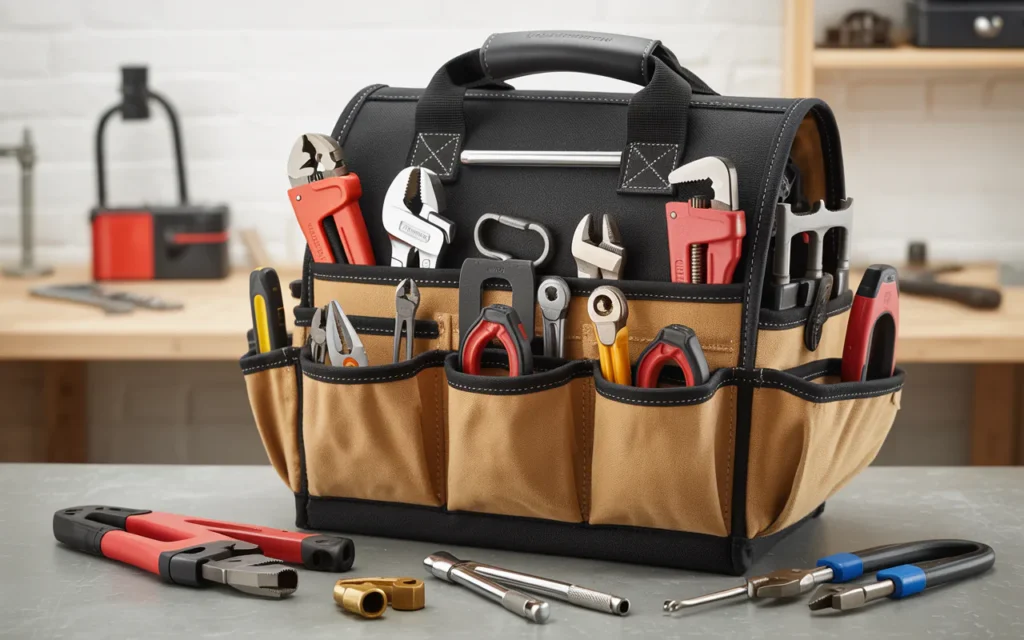
Organization keeps your mind clear. If you know exactly where your pipe wrench is, you can finish the job faster. Some bags have vertical pockets that hold tools upright. This allows you to identify the right tool by its handle before you even pull it out. Avoid bags that just have one giant pocket. You will end up with a pile of metal at the bottom that takes forever to sort through.
Consider using small accessory pouches inside your main bag. You can keep your soldering supplies in one, your measuring tools in another, and your basic hand tools in the main section. This modular approach lets you take only what you need into a tight crawl space. It keeps your main bag cleaner and lighter.
Bag Type
Best For
Open Tote
Fast access to frequent tools
Backpack
Moving across long distances
Rolling Bag
Transporting heavy tool sets
Hand-held Case
Small, specialized repairs
Balancing Weight and Capacity
It is tempting to buy the largest bag you can find, but remember that you have to lift it. Filling a massive bag to the brim makes it heavy enough to cause injury. A heavy bag also puts extra wear on your vehicle and makes you slower on the job. When you choose a tool bag for plumbers, start by laying out the tools you use every single day. Find a bag that fits those items with a little bit of room for extras. Do not pack for “just in case” tools that you only use once a year.
“Success in trade work is not about how much you carry, but how well you can use what you have.” – Sarah Jenkins
Weight distribution is vital. Most manufacturers design their bags to balance the load, but you should also pack smarter. Put your heaviest items like pipe wrenches near the center of the bag. Keep lighter items like tape and safety glasses in the outside pockets. This keeps the bag stable when you set it down.
Maintenance of Your Tool Bag
Even the best bag will wear out if you do not care for it. Clean your bag every few months. Wipe off the dust and debris. If it gets muddy, use a brush and some mild soap to scrub the exterior. Dry it out completely before you pack it up again to prevent mold. Check the zippers for grit. If they feel stiff, a little bit of candle wax on the teeth can make them move smoothly again.
When you choose a tool bag for plumbers, consider the warranty. High-quality brands often stand behind their products. If a zipper fails or a strap breaks, a good warranty can save you the cost of buying a replacement. Register your bag if the manufacturer offers it. It is a small step that protects your investment.
How to Test a Bag Before Buying
If you can, visit a store to see the bags in person. Do not just look at them. Pick them up. Put some weight in them to see how the handles feel. Test the zippers. See if the bag stands up on its own when empty. A bag that tips over the moment you let go is a nuisance. You want a bag that stays open and upright so you can work easily.
Check the interior pockets. Are they deep enough? If the pockets are too shallow, your tools will fall out every time you pick the bag up. Look for a mix of wide and narrow slots. Plumbers use a variety of tools from thin screwdrivers to thick wrenches. A good bag accommodates all of these.
“The right equipment does not make a plumber, but it certainly makes the plumber’s life much more bearable.” – Mark Thompson
Common Mistakes to Avoid
One common mistake is buying a bag based solely on price. A cheap bag might look fine in a photo, but the fabric will tear and the stitching will pop after just a few weeks of heavy use. You end up spending more money in the long run by replacing it. Another mistake is ignoring the size of your tools. Always measure your longest pipe wrench or your largest level before you buy the bag. It sounds simple, but many people forget to check these measurements and end up with a bag that is just an inch too small.
Do not overlook comfort. You might be carrying that bag for hours. If the shoulder strap is thin and plastic, it will dig into your skin. Look for a wide, padded strap. Some bags even have breathable mesh padding on the back to keep you cool on hot days. When you choose a tool bag for plumbers, think about your own physical comfort as much as you think about the safety of your tools.
Frequently Asked Questions
Should I get a soft or hard tool bag?
Soft bags are lighter and often have more pockets. Hard cases offer better protection for delicate tools but are heavier and less flexible. For most plumbers, a soft bag with a hard molded bottom is the best balance.
How do I know what size I need?
Lay out your essential tools on the floor. Group them together to see how much space they take. Add a little extra space for parts and extras, and look for a bag with dimensions slightly larger than your layout.
Are backpacks worth it for plumbing?
Yes, if you do a lot of walking or use public transit to reach job sites. They keep your hands free, which is very helpful when carrying other equipment.
Can I wash my tool bag?
Most high-quality bags can be cleaned with a damp cloth and mild soap. Avoid putting them in a washing machine, as the agitation can damage the structure and the zippers.
How often should I replace my tool bag?
If the base is cracked, the zippers no longer close, or the fabric is ripped beyond repair, it is time for a new one. A well-maintained bag can last many years.
Conclusion
Choosing the right equipment is a step toward a more professional career. When you choose a tool bag for plumbers, you are investing in your efficiency and your health. Focus on materials that resist water, a base that protects your tools from the floor, and a layout that keeps your gear reachable. Avoid the trap of buying on price alone. Look for quality, comfort, and a design that fits the way you work. By making a smart choice, you spend less time dealing with your tools and more time solving the problems your clients trust you to fix. Treat your bag well, and it will serve you for years to come on every job.
Discover the top tool bags for mobile contractors in 2026. Compare durable totes, backpacks, and multi-pocket organizers to find the best fit for your gear. For…
Discover the top tool bags for plumbers in 2026. We compare durable, multi-pocket storage solutions to help you organize your gear effectively on the job. Plumbing…
Find the right tool bag for HVAC technicians with our 2026 guide. Compare top-rated bags, backpacks, and pouches to keep your gear organized and protected. As…

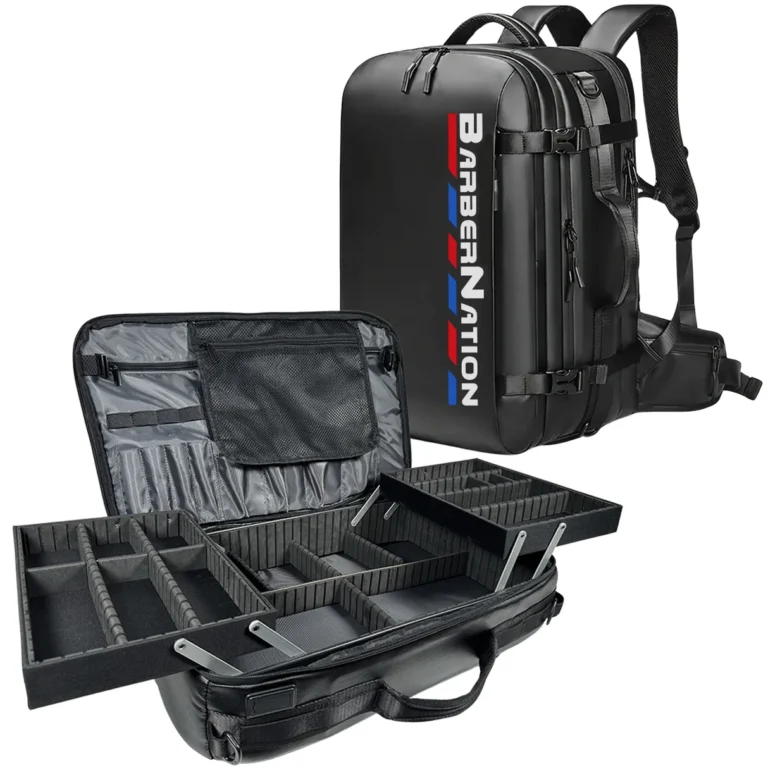 Top Tool Bags for Mobile Contractors: 2026 Buyer Guide
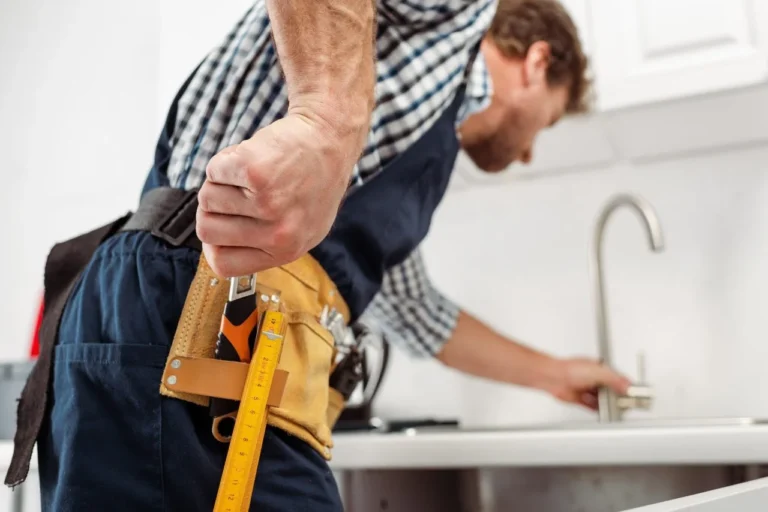 Top Tool Bags for Plumbers: 2026 Selection Guide
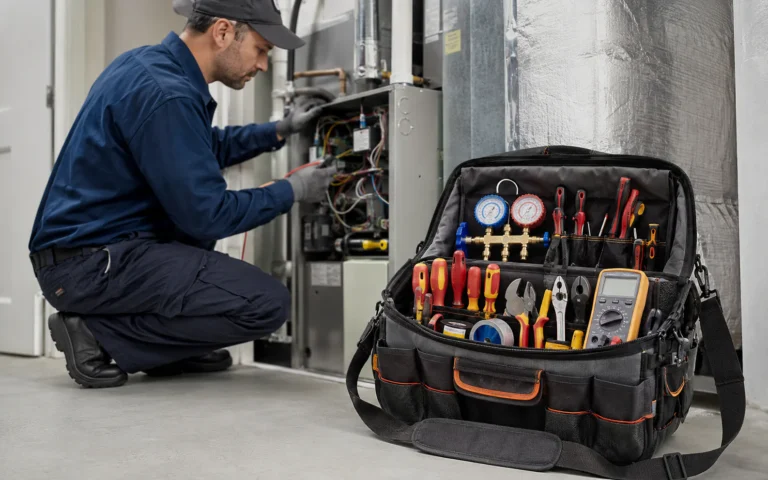 Best Tool Bag for HVAC Technicians in 2026