
How To Choose A Tool Bag For Electricians
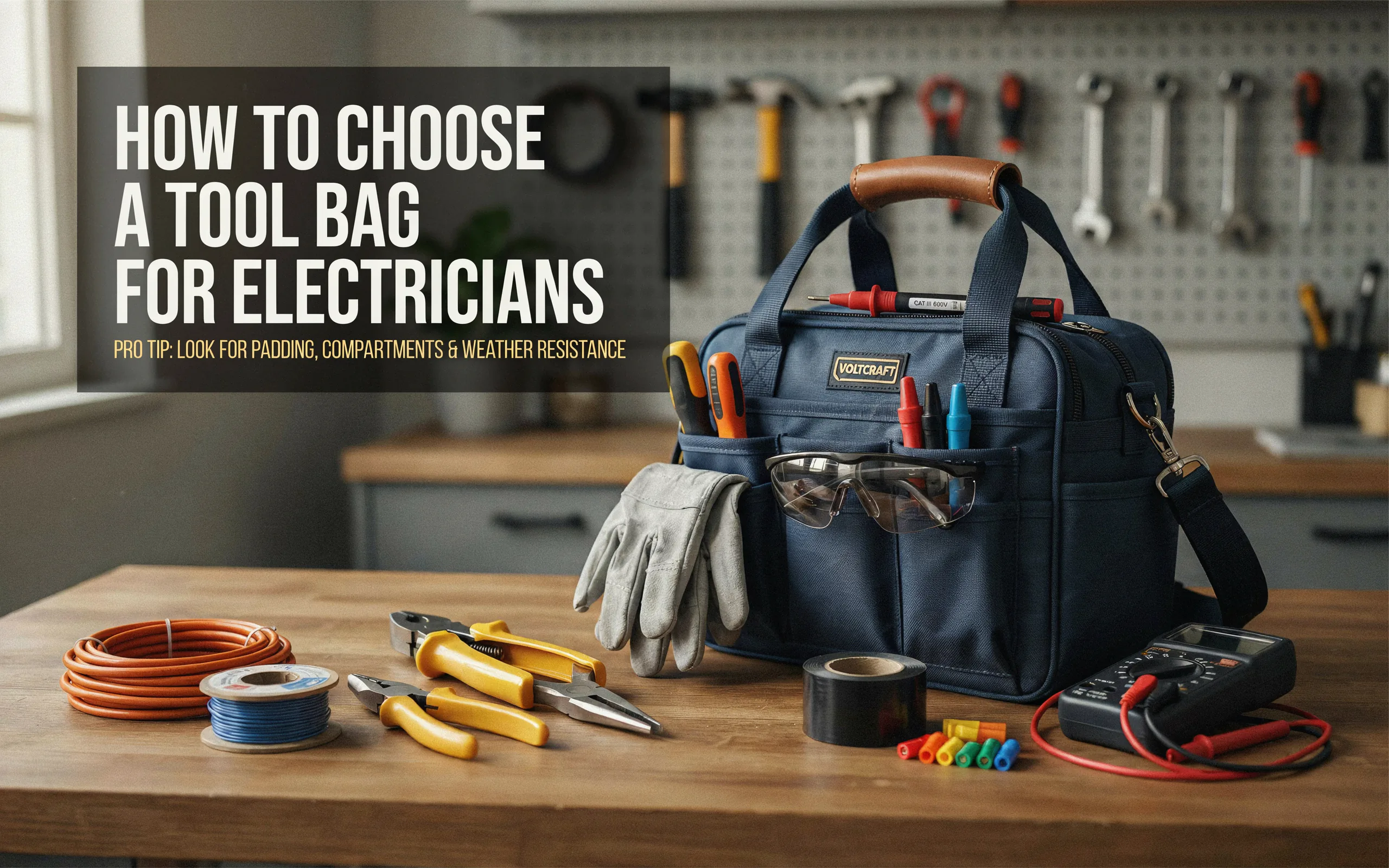
If you want to choose a tool bag for electricians that lasts, this guide covers bag types, materials, pocket layouts, comfort features, and top brands to help you pick the right one for your daily work.
Walking onto a job site with the right tools is half the battle. The other half? Having a way to carry them that does not slow you down or hurt your back. If you are an electrician, you already know that your tool bag is more than just a container. It is your mobile workspace, your organization system, and your daily companion.
But with so many options on the market, how do you actually choose a tool bag for electricians that fits your needs? This guide breaks down everything you need to know. From bag types and materials to pocket layouts and comfort features, we will cover it all. By the end, you will know exactly what to look for and which questions to ask before you spend your money.
Why Electricians Need a Special Tool Bag
Electricians carry a unique set of tools. Pliers, wire strippers, multimeters, voltage testers, screwdrivers, tape, connectors, and often a drill or two. These tools vary in size, shape, and fragility. A regular duffel bag or a generic tool tote simply does not cut it.
“Electricians tend to have more tools than most other trades because of the variety of jobs we come across and the different types of materials we touch from job to job,” writes Dustin Stelzer in EC Magazine. This variety means you need a bag that can adapt.
A purpose-built electrician tool bag offers:
- Dedicated pockets for long tools like screwdrivers and pliers
- Protected compartments for sensitive meters and testers
- Durable materials that resist tears, water, and abrasion
- Ergonomic straps that reduce strain on your back and shoulders
Without these features, you waste time digging for tools, risk damaging expensive equipment, and put unnecessary stress on your body.
Types of Tool Bags for Electricians
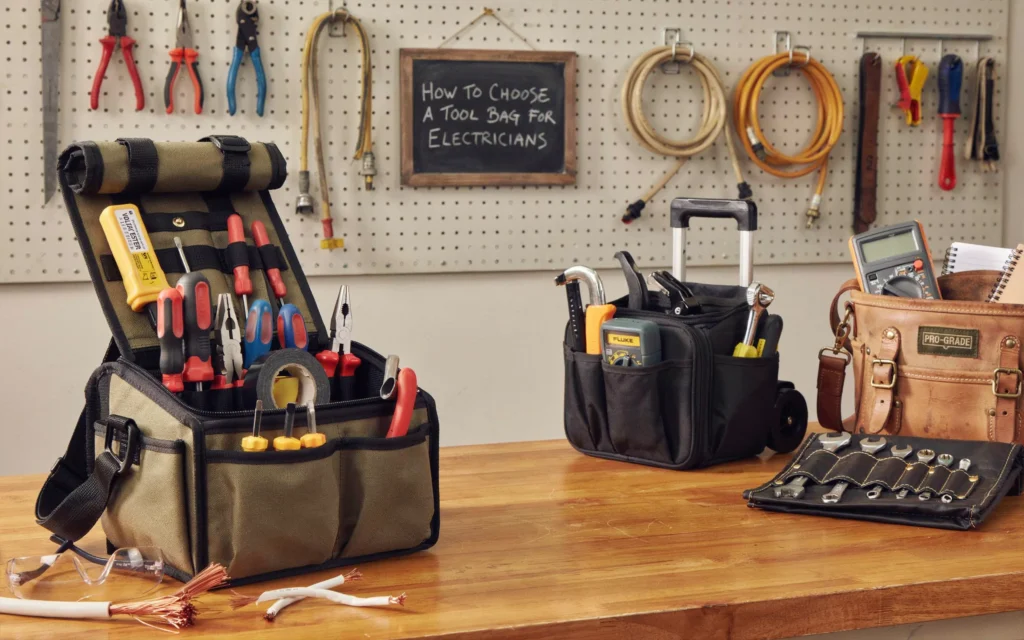
Before you can choose a tool bag for electricians, you need to know what styles exist. Each type serves a different purpose and suits different work environments.
Soft Tote Bags
Soft totes are the most basic option. They are lightweight, flexible, and easy to store in tight spaces like your truck or a crowded job site. These bags usually have an open top, though some come with zippers or buckles.
Best for: Electricians who need to carry miscellaneous items like hard hats, vests, flashlights, drills, and batteries from the truck to the building.
Drawback: They offer limited organization. Tools can get jumbled together, making it hard to find what you need quickly.
Molded-Base Technician Bags
These bags have a hard, molded base that protects against wet and dirty surfaces. They stand up on their own, giving you easy access to your tools. Brands like Veto Pro Pac and CLC are known for this style.
Best for: Electricians who work on flat surfaces and need quick, organized access to many tools.
Key feature: Dozens of vertical pockets, pouches, bit organizers, tape rings, and tape measure clips.
Tool Backpacks
Backpacks are becoming increasingly popular among electricians. They distribute weight evenly across both shoulders, leaving your hands free to carry other items or open doors.
“Backpacks are a great choice in general, they leave your hand free to carry other things, open doors and high five your colleagues,” notes Hultafors.
Best for: Electricians who move between multiple job sites, climb ladders, or commute on public transport.
Drawback: Accessing tools requires taking the backpack off, which can be inconvenient for quick tasks.
Tool Belts and Pouches
For electricians who need their most-used tools within arm’s reach at all times, a tool belt or waist pouch is essential. These sit on your hips and give you instant access to pliers, strippers, and screwdrivers.
Best for: New construction, service calls, and ladder work where you need tools readily available.
Drawback: Limited capacity. You can only carry your daily-use tools, not your full collection.
Rolling Tool Bags
For electricians with heavy tool collections, rolling bags are a lifesaver. These bags have wheels and a telescoping handle, so you can pull them rather than carry them.
Best for: Electricians who carry power tools, heavy hand tools, and large equipment to job sites.
Drawback: Not suitable for sites with stairs, rough terrain, or tight spaces.
Key Features to Consider
When you choose a tool bag for electricians, certain features matter more than others. Here is what to look for.
Material and Durability
Your tool bag takes a beating. It gets dropped, dragged, rained on, and stuffed full of heavy tools. The material needs to hold up.
Look for bags made from 1680D ballistic nylon or 1680D Oxford fabric. These materials resist tears, abrasion, and water. They are tough enough to survive daily abuse on real job sites.
Common Tool Bag Materials
| Material | Durability | Water Resistance | Weight |
|---|---|---|---|
| 600D Polyester | Moderate | Low | Light |
| 1680D Ballistic Nylon | High | Moderate | Medium |
| 1680D Oxford Fabric | High | Moderate | Medium |
| Leather | Very High | Low | Heavy |
| Canvas | Moderate | Low | Medium |
A molded or reinforced base is another important durability feature. It protects your tools from moisture on the ground and prevents the bag from tipping over.
Pocket Layout and Organization
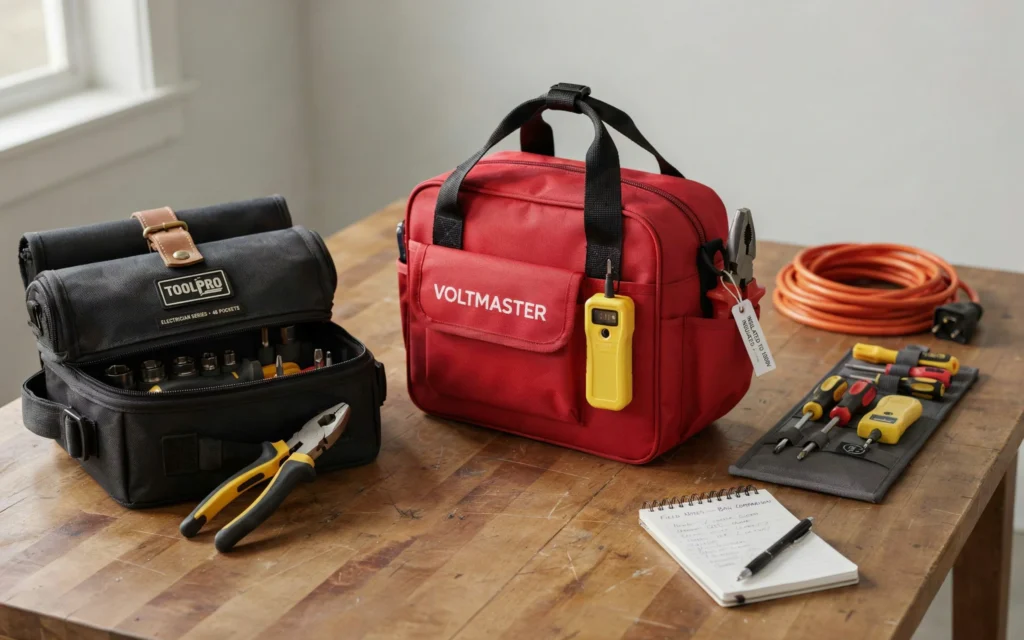
This is where a good electrician tool bag separates from a mediocre one. Electricians need pockets that fit specific tools.
Look for:
- Vertical pockets for screwdrivers, pliers, and wire strippers
- Dedicated meter pockets to protect sensitive multimeters and testers
- Tape measure clips and tape rings for quick access
- Zippered compartments for small parts, connectors, and bits
- Elastic bands to hold tools in place
“Find bags with many compartments. This helps you get tools fast and saves time,” advises Initibag. When you can grab the right tool without looking, you work faster and safer.
Some bags, like the Klein Tools Tradesman Pro Organizer, feature orange interiors that make it easier to see your tools. Others, like the Veto Pro Pac Tech XL, let you adjust dividers and add or remove pockets to match your work style.
Size and Capacity
How many tools do you carry daily? The answer determines the size of bag you need.
A small pouch might hold 10-15 hand tools. A large backpack can carry 50-80 tools. A rolling bag might hold over 100 pounds of equipment.
Dustin Stelzer notes that “It is not uncommon for an electrician to have a tool belt for new construction jobs, a backpack for commercial service calls, a hard-bottom bag with many pouches for tools and several tool boxes of power and specialty tools in the truck or van”.
Consider having multiple bags for different types of work rather than one bag that tries to do everything.
Comfort and Ergonomics
A heavy tool bag can cause serious back, shoulder, and neck pain over time. Comfort features matter.
Look for:
- Padded shoulder straps that distribute weight evenly
- Padded back panels for backpacks
- Ergonomic handles with rubber grips
- Adjustable straps so you can customize the fit
“If you only need a few tools… pick a bag that matches your work style”. But even with a full load, proper padding makes a noticeable difference in how you feel at the end of the day.
Water Resistance
Electricians work indoors and outdoors. Rain, damp basements, and wet job sites are common. A water-resistant bag protects your tools from moisture damage.
Many high-quality bags use water-resistant materials like 1680D ballistic nylon. Some feature waterproof bases that keep tools dry even when set on wet ground.
How Your Work Type Affects Your Choice
The best way to choose a tool bag for electricians depends on the type of work you do. Different jobs demand different setups.
Service Electricians
If you handle troubleshooting and quick service calls, you move fast and often. You do not need every tool you own, just the ones you use most.
Recommendation: A leather pouch or waist bag that keeps your daily tools within reach. Lightweight and compact, these setups let you move through homes and offices without dragging a heavy bag.
Commercial Electricians
Commercial jobs require more tools throughout the day. You might need pliers, testers, bits, tapes, and fasteners for multiple tasks.
Recommendation: A larger bag with organized sections. A molded-base technician bag or a tool backpack gives you the capacity and organization you need.
Construction Electricians
New construction means ladders, rough terrain, and constant movement. You need tools that stay with you as you climb and move.
Recommendation: A tool belt with a pouch for your most-used hand tools. Supplement with a larger bag nearby for less frequently used items.
Maintenance Technicians
Maintenance work involves constant movement between repairs. You need mobility without losing organization.
Recommendation: Lightweight waist bags or compact belt pouches. These keep your tools accessible without weighing you down.
Top Brands to Consider
Several brands have earned strong reputations among electricians. Here is what each offers.
Veto Pro Pac
Veto Pro Pac is known for exceptional durability. Their bags undergo abrasion resistance testing and can handle daily use without wearing out. The company offers a five-year warranty on many products.
Users consistently rate Veto Pro Pac bags highly. The Tech Pac backpack holds a 4.8-star rating on Amazon. One reviewer called it “better than the other 4 Milwaukee backpacks”.
Price range: $150-$350+
Klein Tools
Klein Tools is a trusted name in the electrical industry. Their tool bags feature durable 1680D ballistic weave, molded bottoms, and extensive pocket layouts.
The Klein Tools 55485 backpack offers 48 pockets and a tough waterproof base. The Tradesman Pro Organizer Extreme Electrician’s Bag features 78 pockets, including a hard molded pocket to protect meters.
Price range: $70-$200
Milwaukee
Milwaukee’s Packout system is popular among tradespeople who want modular storage. Their tool bags feature solid bases that stand up even when fully loaded.
Price range: $50-$250
Custom Leathercraft (CLC)
CLC offers reliable, affordable tool bags with many pockets and compartments. Their 1539 model features 50 pockets and vertical storage.
Price range: $40-$120
DeWalt
DeWalt tool bags are time-tested and popular among electricians. Their models often include a mix of internal and external pockets, with some featuring zip-top enclosures.
Price range: $30-$150
How to Choose a Tool Bag for Electricians: A Step-by-Step Approach
Let us bring everything together into a simple process. Here is how to choose a tool bag for electricians that actually works for you.
Step 1: Audit Your Daily Tools
Start by laying out every tool you carry on a typical day. Separate them into:
- Daily essentials: Tools you use on every job
- Frequent use: Tools you use on most jobs
- Occasional use: Tools you use only on certain jobs
This tells you how much capacity you need.
Step 2: Consider Your Work Environment
Think about where you work most often:
- Indoors or outdoors?
- Ladders or ground level?
- Tight spaces or open areas?
- Wet conditions or dry?
Your environment determines whether you need water resistance, compact size, or rugged durability.
Step 3: Choose Your Bag Type
Based on steps 1 and 2, pick a bag style:
- Pouch or belt: Fewer than 20 daily tools, ladder work, service calls
- Tote or technician bag: 20-50 tools, flat surfaces, organized access
- Backpack: 20-80 tools, multiple sites, hands-free carrying
- Rolling bag: Over 80 tools or heavy power tools, flat terrain
Step 4: Check Key Features
Look for these essential features:
- 1680D ballistic nylon or Oxford fabric
- Molded or reinforced base
- Dedicated meter pocket
- Vertical pockets for hand tools
- Padded straps and ergonomic handles
- Water resistance
Step 5: Set a Budget
Tool bags range from $30 to over $300. Higher prices usually mean better materials, more pockets, and longer warranties.
“Buy a good quality bag. This saves you money because you won’t need to replace it often”. Spending more upfront often costs less in the long run.
Step 6: Read Reviews
Before you buy, check what other electricians say. Look for comments about durability, comfort, and pocket layout. Pay attention to complaints about zippers breaking, straps tearing, or pockets being the wrong size.
Common Mistakes to Avoid
Even with good intentions, electricians make mistakes when buying tool bags. Here are the most common ones.
Buying Too Large
A massive bag seems like a good idea until you have to carry it. Extra space tempts you to carry tools you do not need, making the bag heavier than necessary.
“Remember that a large bag can become very heavy so for ergonomics and comfort perhaps a smaller bag and a backpack is a better choice”.
Ignoring Comfort
Many electricians focus on capacity and forget about straps and padding. After a few hours, an uncomfortable bag becomes unbearable.
Look for padded straps, adjustable fits, and ergonomic designs. Your back will thank you.
Choosing Style Over Function
A bag that looks great but lacks the right pockets will frustrate you every day. Prioritize organization over appearance.
Forgetting About Accessibility
If you have to dig through your bag to find a tool, the bag is not working for you. Look for layouts that put frequently used tools within easy reach.
Maintaining Your Tool Bag
Once you choose a tool bag for electricians and start using it, proper maintenance extends its life.
Clean Regularly
Dirt and debris can damage zippers and fabric. Wipe down your bag with a damp cloth regularly. For deeper cleaning, follow the manufacturer’s instructions.
Check for Wear
Inspect straps, zippers, and seams periodically. Catching small problems early prevents bigger failures later.
Organize Consistently
Put tools back in their designated pockets every time. This saves time on your next job and reduces wear from tools rubbing against each other.
Frequently Asked Questions
What size tool bag do I need as an electrician?
The right size depends on how many tools you carry daily. A small pouch holds 10-15 hand tools. A medium tote or backpack holds 20-50 tools. A large rolling bag can hold over 80 tools or heavy equipment. Audit your daily tools before you buy.
Which brand makes the best tool bag for electricians?
Veto Pro Pac and Klein Tools are widely considered the top brands for electricians. Veto Pro Pac offers exceptional durability and a five-year warranty. Klein Tools provides excellent organization with models featuring up to 78 pockets. Both brands use tough materials like 1680D ballistic nylon.
Should I get a backpack or a tote bag?
Choose a backpack if you move between multiple sites, climb ladders, or want hands-free carrying. Choose a tote or technician bag if you work on flat surfaces and need quick, organized access to many tools. Many electricians own both for different types of work.
How much should I spend on an electrician tool bag?
Quality tool bags range from $70 to over $300. Spending more usually gets you better materials, more pockets, and longer warranties. A $100-$200 bag from a reputable brand like Klein or Veto Pro Pac offers excellent value for daily professional use.
What material is best for an electrician tool bag?
1680D ballistic nylon or 1680D Oxford fabric are the top choices. These materials resist tears, abrasion, and water. They hold up to daily abuse on job sites and protect your tools from damage.
Do I need a waterproof tool bag?
Water resistance is important if you work outdoors or in wet conditions. Many high-quality bags use water-resistant materials and feature waterproof bases. Even if you mostly work indoors, a water-resistant bag protects against spills and damp surfaces.
Can I use a regular backpack for my tools?
A regular backpack lacks the specialized pockets and durable materials needed for electrical tools. Tools can damage the fabric, and you will waste time searching for the right tool. A purpose-built electrician tool bag is a worthwhile investment.
Conclusion
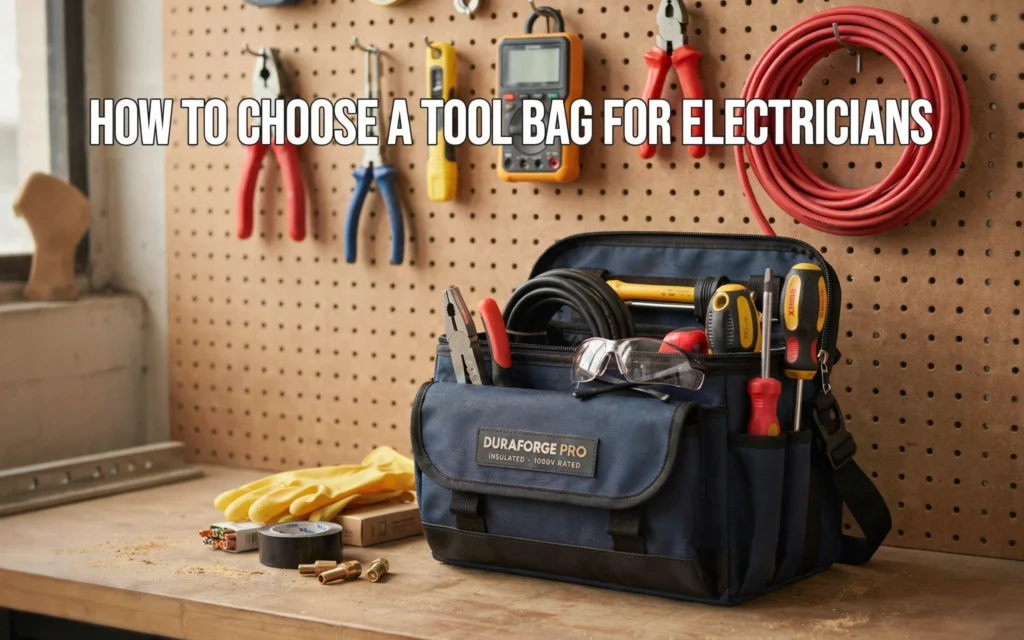
Learning how to choose a tool bag for electricians does not have to be complicated. Start with your daily tools and work environment. Pick a bag type that matches your needs. Look for durable materials, smart pocket layouts, and comfortable straps. Set a budget and read reviews from other electricians.
As Roger Brouard, founder of Veto Pro Pac, discovered through his own frustration with traditional tool carriers, the right bag makes a real difference in your daily work.
Your tool bag is an investment in your productivity, your tools, and your body. Choose wisely, and it will serve you well for years. Take the time to evaluate your options, and you will find a bag that makes every job easier and more organized.
Related posts
 Top Tool Bags for Mobile Contractors: 2026 Buyer Guide
Discover the top tool bags for mobile contractors in 2026. Compare durable totes, backpacks, and multi-pocket organizers to find the best fit for your gear. For…
 Top Tool Bags for Plumbers: 2026 Selection Guide
Discover the top tool bags for plumbers in 2026. We compare durable, multi-pocket storage solutions to help you organize your gear effectively on the job. Plumbing…
 Best Tool Bag for HVAC Technicians in 2026
Find the right tool bag for HVAC technicians with our 2026 guide. Compare top-rated bags, backpacks, and pouches to keep your gear organized and protected. As…