
How to Build a Beginner Mechanic Tool Kit Without Wasting Money
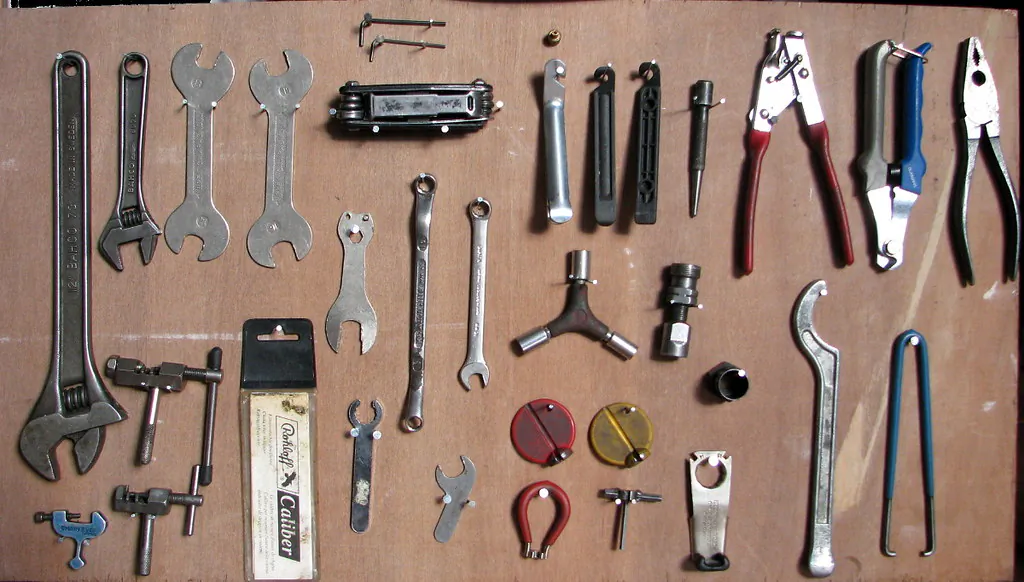
Building a beginner mechanic tool kit does not require spending thousands of dollars on a professional tool chest. The most effective way to start is by focusing on a core group of versatile hand tools that handle most basic maintenance tasks, such as oil changes, battery replacements, and brake jobs.
To build your starter kit, begin with a reliable 3/8-inch drive socket set, a selection of combination wrenches, basic pliers, and essential safety gear. From there, you can add specialized tools as your repair skills grow and your projects demand them.
Safety checks
- Start with a high-quality 3/8-inch drive socket set as the foundation of your kit.
- Prioritize metric tools for modern vehicles, as standard (SAE) sizes are less common today.
- Never compromise on safety gear; high-quality jack stands and eye protection are non-negotiable.
- Buy tools incrementally as specific jobs require them, rather than purchasing a massive pre-made set with filler pieces.
| Topic | When it helps | What to keep in mind |
|---|---|---|
| Phase 1 | Loosening and tightening the vast majority of automotive nuts and bolts. | Avoid cheap sets with low-tooth-count ratchets, which require a wide swing arc to operate in tight spaces. |
| Phase 2 | General assembly, electrical work, and holding components in place. | Do not use adjustable wrenches on tight fasteners, as they easily slip and round off bolt heads. |
| Phase 3 | Any job that requires lifting the vehicle or working with fluids. | Never use concrete blocks or wood scraps in place of certified jack stands. |
| Phase 4 | Keeping tools organized and preventing loss during a project. | Avoid massive rolling tool chests early on, as they take up too much space and limit portability. |
Focus on basic hand tools
Phase 1. Acquire a 3/8-Inch Drive Socket Set
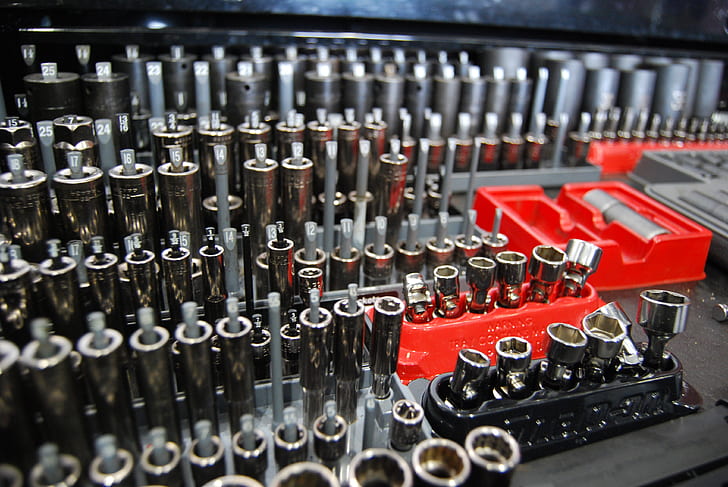
The socket set is the centerpiece of any mechanic’s kit. A 3/8-inch drive ratchet offers the perfect balance of size and strength, allowing you to reach tight engine bays while applying enough torque to loosen stubborn fasteners.
- Loosening and tightening the vast majority of automotive nuts and bolts.
- Avoid cheap sets with low-tooth-count ratchets, which require a wide swing arc to operate in tight spaces.
- Choose a ratchet with at least 72 teeth for smooth operation in confined engine compartments.
- Ideal Drive Size – 3/8-inch.
- Socket Types – 6-point metric.
- Key Accessory – 3-inch and 6-inch extensions.
Phase 2. Gather Essential Hand Tools
Beyond sockets, you need a reliable set of combination wrenches, screwdrivers, and pliers. Combination wrenches have an open end for quick access and a closed box end for applying real torque.

- General assembly, electrical work, and holding components in place.
- Do not use adjustable wrenches on tight fasteners, as they easily slip and round off bolt heads.
- Buy a dedicated set of screwdrivers with magnetic tips to prevent dropping screws into the engine bay.
- Wrench Type – Combination (Metric).
- Pliers Needed – Slip-joint, needle-nose, wire cutters.
- Screwdriver Type – Flathead and Phillips assortment.
Phase 3. Invest in Vehicle Support and Safety Gear
Working on a car requires proper safety equipment. Never get under a vehicle supported only by a hydraulic jack.
- Any job that requires lifting the vehicle or working with fluids.
- Never use concrete blocks or wood scraps in place of certified jack stands.
- Check your vehicle’s curb weight in the owner’s manual to ensure your jack stands are rated correctly.
- Minimum Stand Rating – 2-ton or 3-ton.
- Eye Protection – ANSI Z87.1 approved.
- Hand Protection – Heavy-duty nitrile gloves.
Phase 4. Select a Portable Storage Solution
A tool kit is only useful if you can find the tools when you need them. For beginners, a portable three-drawer metal toolbox or a heavy-duty tool bag is ideal.
- Keeping tools organized and preventing loss during a project.
- Avoid massive rolling tool chests early on, as they take up too much space and limit portability.
- Look for a toolbox with sturdy metal latches rather than cheap plastic clips that can break under weight.
- Storage Type – Portable metal box or canvas bag.
- Key Feature – Organized socket rails.
- Portability – High.
The Core Tool Checklist: Metric vs. Standard
Before purchasing any tools, look at the make of your vehicle. Most modern vehicles, including domestic brands like Ford and Chevrolet, rely almost entirely on metric fasteners.
Starting with a metric-focused set is the smartest path for almost all beginners. This ensures your budget goes toward the exact sizes you will use most frequently, rather than standard sockets that will sit untouched in your toolbox.
If you own a Honda Civic or a Toyota RAV4, you will use metric tools for almost every bolt.
Buying a massive tool set that is split 50/50 between metric and standard sizes when your car only uses metric fasteners.
- Common metric socket sizes: 8mm, 10mm, 12mm, 13mm, 14mm, 15mm, and 17mm.
- The 10mm socket is the most frequently used size in modern automotive repair.
- Deep sockets are necessary for recessed nuts, such as those found on spark plugs or battery tie-downs.
- Standard (SAE) sizes are still useful if you plan to work on lawnmowers, trailers, or classic American cars.
| Vehicle Origin | Primary Tool System | Common Maintenance Sizes |
|---|---|---|
| Japanese / Korean (Toyota, Honda, Hyundai). | Metric. | 8mm, 10mm, 12mm, 14mm, 17mm. |
| European (BMW, Volkswagen, Volvo). | Metric. | 10mm, 13mm, 15mm, 16mm, 18mm. |
| Modern Domestic (Ford, GM, Ram). | Metric (mostly). | 10mm, 13mm, 15mm, 18mm. |
| Classic Domestic (Pre-1980s). | SAE (Standard). | 3/8″, 7/16″, 1/2″, 9/16″, 5/8. |
Smart Budgeting and Sourcing Strategies
When building your kit, prioritize quality over quantity. Mid-tier brands offer excellent durability and lifetime warranties without the premium price tag of professional tool truck brands.
Another excellent strategy is to buy tools as you need them. Start with the absolute basics for an oil change.
Instead of buying a cheap 200-piece tool kit from a discount department store, buy a high-quality 50-piece socket set from a reputable mid-tier brand.

Assuming that more pieces in a tool set always equals better value.
- Look for lifetime warranties that allow for easy in-store exchanges.
- Avoid no-name online brands that offer no customer support or warranty replacement.
- Check garage sales and estate sales for vintage, high-quality hand tools.
- Focus your budget on ratchets and sockets, as these tools experience the most wear and tear.
Essential Safety Gear You Cannot Skip
Automotive repair carries inherent risks, especially when working underneath a heavy vehicle. Safety should never be an afterthought when building your tool kit.
In addition to vehicle support, protect your body. Brake dust, motor oil, and battery acid can cause skin irritation and long-term health issues.
Always place wheel chocks behind the rear tires before jacking up the front of the car.
Relying on a hydraulic floor jack to hold the vehicle up while you crawl underneath it.
- Always use jack stands on a flat, solid concrete surface, never on dirt or asphalt.
- Keep a fire extinguisher rated for chemical and electrical fires nearby in your workspace.
- Wear closed-toe shoes with slip-resistant soles to prevent slips and protect your feet from dropped tools.
- Use a mechanics creeper or a simple foam kneeling pad to protect your back and knees from hard.
FAQs
What is a good mechanic tool set size for beginners?
A set containing 50 to 100 pieces is ideal for a beginner. This size typically includes a 3/8-inch ratchet, a wide range of metric sockets, a few extensions, and a set of combination wrenches, without containing unnecessary filler pieces.
Should I buy metric or SAE standard tools first?
Buy metric tools first. Almost all modern vehicles, regardless of where they were manufactured, use metric fasteners.
Is it cheaper to buy a pre-made tool set or build my own?
A pre-made starter socket set is usually more cost-effective than buying individual sockets and ratchets. However, you should build the rest of your kit incrementally by adding pliers, screwdrivers, and specialty tools only as you need them.
What is the most important safety tool for a beginner mechanic?
A high-quality pair of jack stands is the most important safety tool. Never work under a vehicle supported only by a hydraulic jack, as jacks are designed to lift a vehicle, not hold it in place safely.
Can I use an adjustable wrench instead of a socket set?
Adjustable wrenches have play in their jaws, which easily slips under pressure and rounds off the corners of bolt heads. Sockets and combination wrenches provide a secure grip on all sides of the fastener, preventing damage.
Conclusion
Building a beginner mechanic tool kit is a rewarding process that saves you money on vehicle maintenance and empowers you to handle repairs yourself. By starting with a high-quality 3/8-inch socket set, essential hand tools, and proper safety gear, you establish a solid foundation that will serve you well for years.
Remember to prioritize safety above all else, invest in quality over quantity, and expand your tool collection gradually as new projects arise. With the right tools and a patient approach, you will quickly build both your kit and your mechanical confidence.
Related posts
 Which Tool Kit Is Worth Buying? How to Choose the Right Set for Your Home
Wondering which tool kit is worth buying? Compare basic household sets, mechanic kits, and power tool combos to find the best tools for your budget and…
 Which Hand Tools Are Made in the USA? Reliable Brands and Buying Rules
Discover which hand tools are still made in the USA. Compare top domestic brands, tool categories, and learn how to verify origin labels before buying. Several…
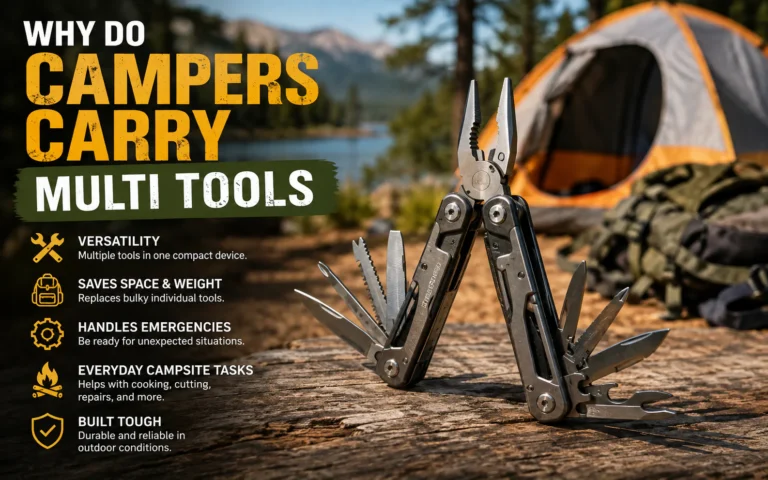 Why Do Campers Carry Multi Tools? Practical Uses in the Field
Why do Campers carry multi tools to handle gear repairs, campsite setup, food prep, and field fixes with minimal weight. Here is why one belongs in…