
How to Inspect Used Mechanic Tools Before Buying: A Step-by-Step Checklist
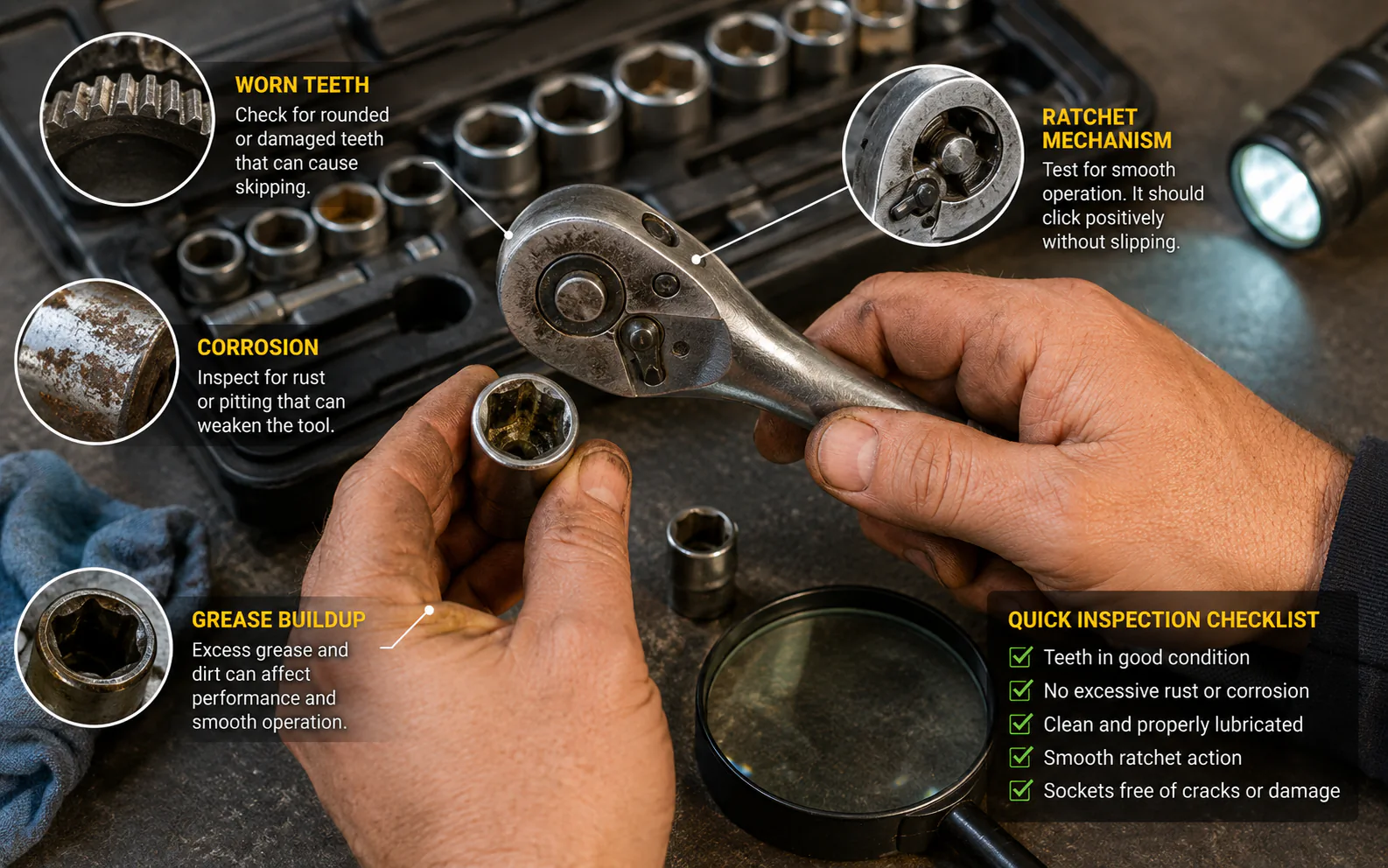
To inspect used mechanic tools before buying, you must evaluate their structural integrity, mechanical function, and wear patterns. Start by checking for physical defects like hairline cracks, bent shafts, and peeling chrome.
Next, test the mechanical action of ratchets and adjustable tools. A healthy ratchet should have a crisp, consistent click in both directions without slipping or catching.
Before meeting a seller, gather a few test fasteners, a flashlight, and a clean rag. Testing the tools on actual bolts on-site is the most reliable way to ensure you do not end up with stripped jaws, worn gear teeth, or useless metal.
Safety checks
- Always test ratchet mechanisms in both directions while applying light resistance.
- Inspect socket drive squares and broaching for rounding or hairline fractures.
- Avoid tools with peeling chrome, as the metal flakes can cause severe hand injuries.
- Verify the brand markings to ensure you are not buying cheap counterfeits disguised as professional brands.
- Bring a few common fasteners to test the fit and tolerances of wrenches and sockets.
| Topic | When it helps | What to keep in mind |
|---|---|---|
| Step 1 | Evaluating fine-tooth and standard ratchets. | Excessive back-drag, which causes the ratchet to spin the fastener backward instead of clicking. |
| Step 2 | Chrome and impact sockets. | Mushrooming or stretching at the drive end of impact sockets. |
| Step 3 | Combination, open-end, and flare nut wrenches. | Wrenches that have been ground down to fit tight spaces, which ruins their structural strength. |
| Step 4 | Impact wrenches, air ratchets, and cordless drills. | A burnt electrical smell from the motor vents, which indicates failing windings. |
Focuses on hand tools (ratchets
Step 1. Test Ratchet Mechanisms and Back-Drag
Hold the drive square with your thumb and index finger to apply light resistance, then rotate the handle. The clicks should feel sharp, even, and distinct.
- Evaluating fine-tooth and standard ratchets.
- Excessive back-drag, which causes the ratchet to spin the fastener backward instead of clicking.
- If a premium ratchet slips but the body is in excellent shape, check if a cheap rebuild kit is available online before negotiating a lower price.
- Key Test – Resistance spin test.
- Common Defect – Slipping pawls.
- Repairability – High (with rebuild kits).
Step 2. Examine Sockets for Cracks and Internal Rounding
How to Inspect Used Mechanic Tools. Shine a flashlight inside the socket to inspect the drive square and the fastener end. Look closely at the corners of the internal flats.
- Chrome and impact sockets.
- Mushrooming or stretching at the drive end of impact sockets.
- Pass on any socket that shows even a tiny hairline crack, as it will shatter under load and can cause injury.
- Key Test – Visual corner inspection.
- Common Defect – Hairline wall cracks.
- Repairability – None (must replace).
Step 3. Check Wrench Jaws for Spread and Wear
Inspect the open end of wrenches for jaw spread. When a wrench is abused, the jaws splay outward, making them slightly wider than their marked size.
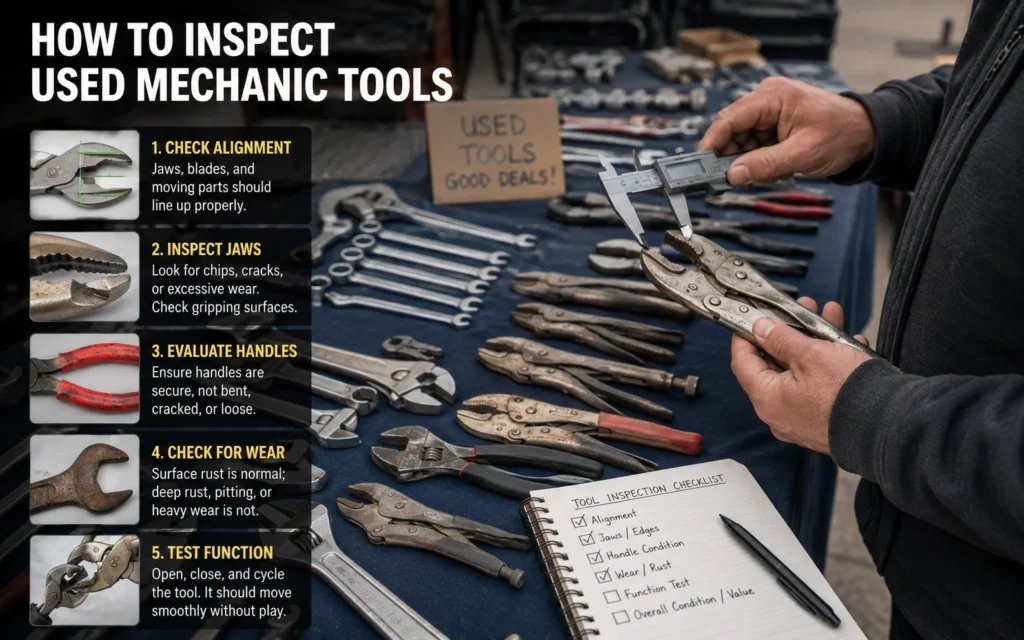
- Combination, open-end, and flare nut wrenches.
- Wrenches that have been ground down to fit tight spaces, which ruins their structural strength.
- If a wrench fits loosely on a standard bolt of its matching size, the jaw is spread and will round off your fasteners.
- Key Test – Fastener fit check.
- Common Defect – Splayed open-end jaws.
- Repairability – None.
Step 4. Inspect Pneumatic and Power Tool Connections
For air tools, spin the drive by hand to ensure the internal rotor turns freely without grinding. Check the air inlet threads for stripping or cross-threading.
- Impact wrenches, air ratchets, and cordless drills.
- A burnt electrical smell from the motor vents, which indicates failing windings.
- Always ask the seller to bring a charged battery or an air source so you can run the tool under load before handing over cash.
- Key Test – Free-spin and load test.
- Common Defect – Worn brushes or dry rotors.
- Repairability – Moderate.
The Buyer’s Inspection Kit: What to Bring
To properly inspect used mechanic tools, you cannot rely on sight alone. You need to test how the tools interact with actual hardware.
Keep your inspection kit simple and compact. A small bag with a few common fastener sizes, a bright light source, and a cleaning cloth is all you need to make an accurate assessment in a few minutes.
Bring a 1/2-inch and a 3/8-inch bolt to test the fit of sockets and wrenches.
Relying solely on a visual check in poor lighting, such as a dim garage or a parking lot at dusk.
- A bright LED flashlight to spot hairline cracks inside sockets and drive squares.
- A clean rag to wipe away grease, dirt, and rust that might hide cracks or brand markings.
- A few new, unstripped bolts (such as 10mm, 1/2-inch, and 9/16-inch) to test wrench and socket tolerances.
- A small magnet to verify if a tool is solid steel or a cheap, lightweight alloy composite.
| Inspection Tool | What It Reveals |
|---|---|
| LED Flashlight. | Reveals internal socket cracks, worn ratchet teeth, and hidden rust pitting. |
| Test Fasteners. | Identifies jaw spread in wrenches and rounded corners inside sockets. |
| Clean Rag. | Removes grease to expose tool brand stamps, part numbers, and structural flaws. |
| Magnet. | Helps distinguish high-quality steel tools from cheap, cast-iron pot metal imitations. |
Critical Red Flags: When to Walk Away
Some signs of wear are acceptable, but certain defects make mechanic tools completely useless or highly dangerous. Hand tools are subjected to immense torque.
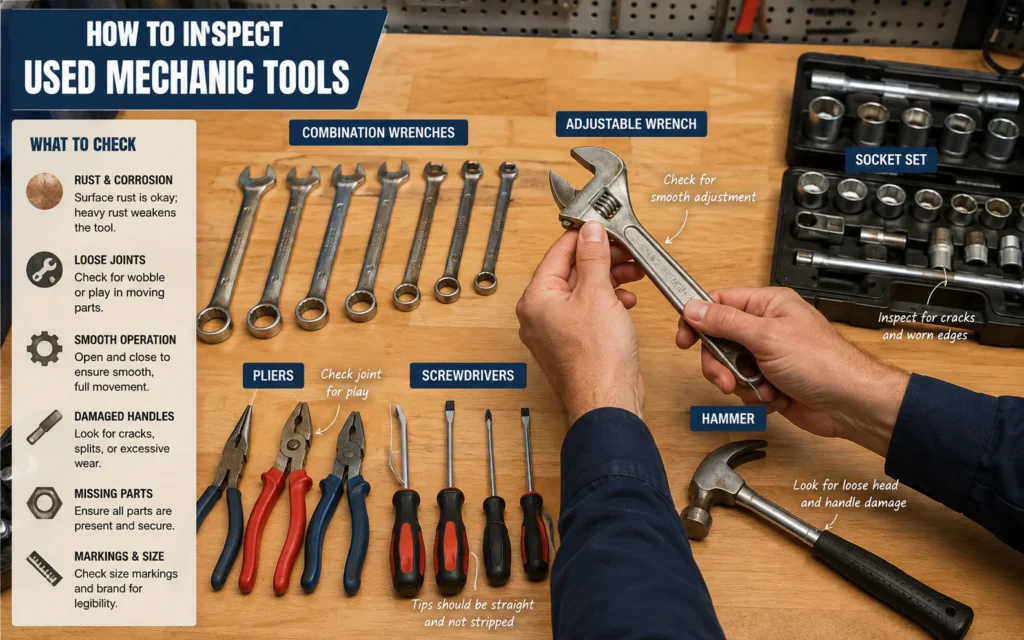
When evaluating a tool lot, look out for modifications made by previous owners. Mechanics often grind down wrenches or weld custom extensions onto sockets to reach tight spots.
You find a professional-brand breaker bar, but the shaft has a slight bend near the head.
Buying tools with welded repairs, thinking they will hold up under heavy garage use.
- Welding marks or heat discoloration on steel shafts, which indicates the metal has been weakened.
- Deep rust pitting that penetrates the surface of the metal, reducing its overall strength.
- Peeling or flaking chrome plating that can splinter off and puncture your skin.
- Owner markings, initials, or names deeply engraved with a grinder in high-stress areas of the tool.
How to Verify Tool Brands and Lifetime Warranties
One of the main reasons to buy used mechanic tools is to get professional-grade brands like Snap-on, Mac, Matco, or older Craftsman at a fraction of retail cost. However, because these brands are highly valuable, counterfeit tools do exist.
Additionally, research the brand’s current warranty policy. Many professional brands honor their lifetime warranty regardless of who originally purchased the tool.
Check the stamp on a socket.
Assuming all premium brands offer no-questions-asked warranty replacements for secondhand buyers without checking their current policies.
- Look for clear, forged, or deeply stamped brand names and part numbers rather than laser-etched markings that rub.
- Check the country of origin stamp; vintage USA-made tools are highly sought after for their superior steel quality.
- Verify if the local tool truck distributor or retail store requires an original receipt for warranty claims.
- Watch out for modern reproduction brands that use names similar to classic, high-quality manufacturers.
FAQs
How can you tell if a used ratchet needs to be rebuilt?
A ratchet needs a rebuild if the drive square slips when you apply pressure, if the directional switch fails to lock into place, or if the mechanism feels gritty and dry. Many professional brands sell inexpensive rebuild kits containing new internal gears.
Is surface rust on used mechanic tools a dealbreaker?
No, light surface rust is usually cosmetic and can be cleaned off with a wire brush, steel wool, or a rust-penetrating solvent. However, deep pitting that leaves craters in the steel is a dealbreaker, as it permanently weakens the tool.
Do tool brands honor lifetime warranties for secondhand buyers?
Many top-tier brands like Snap-on, Mac, and Craftsman honor their lifetime warranty on hand tools regardless of who bought them. However, some brands now require proof of purchase or only warranty tools bought from authorized dealers, so check the specific brand’s policy.
What is the risk of using chrome sockets on an impact wrench?
Chrome sockets are made of hard, brittle steel that can shatter under the rapid, high-torque blows of an impact wrench. Always look for dull, dark grey impact sockets made of softer, more ductile chrome molybdenum steel for impact use.
Conclusion
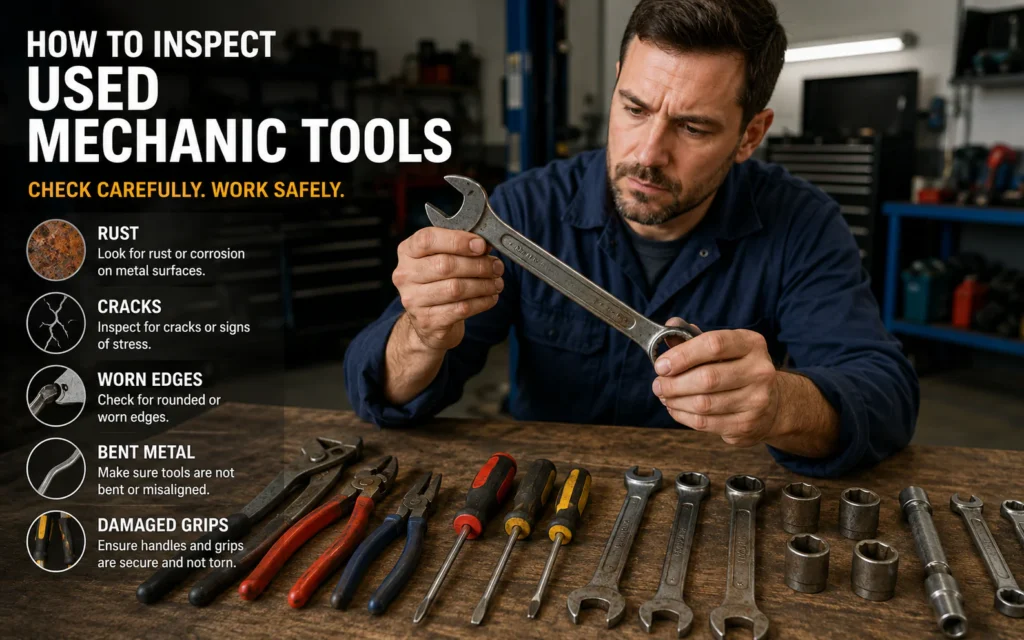
Inspecting used mechanic tools before buying is a highly effective way to build a professional-grade toolset on a budget. By taking a few minutes to physically test ratchets, check socket walls, and inspect wrench jaws, you can easily separate high-quality bargains from dangerous, worn-out junk.
Remember to bring a simple inspection kit with test fasteners and a flashlight to every meetup. Start with small purchases to build your confidence, and always prioritize safety over a cheap price tag.
Related posts
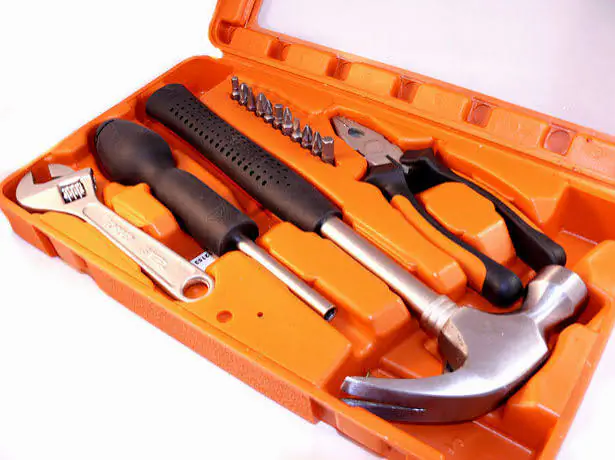 Which Tool Kit Is Worth Buying? How to Choose the Right Set for Your Home
Wondering which tool kit is worth buying? Compare basic household sets, mechanic kits, and power tool combos to find the best tools for your budget and…
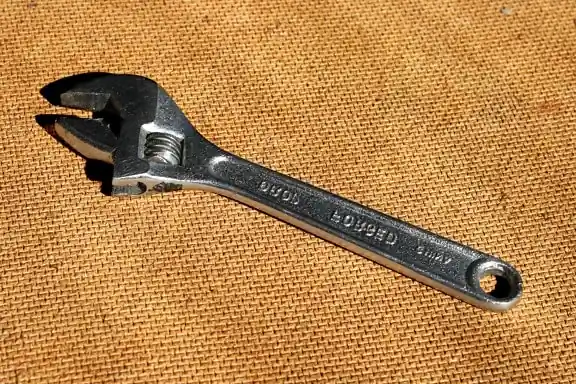 Which Hand Tools Are Made in the USA? Reliable Brands and Buying Rules
Discover which hand tools are still made in the USA. Compare top domestic brands, tool categories, and learn how to verify origin labels before buying. Several…
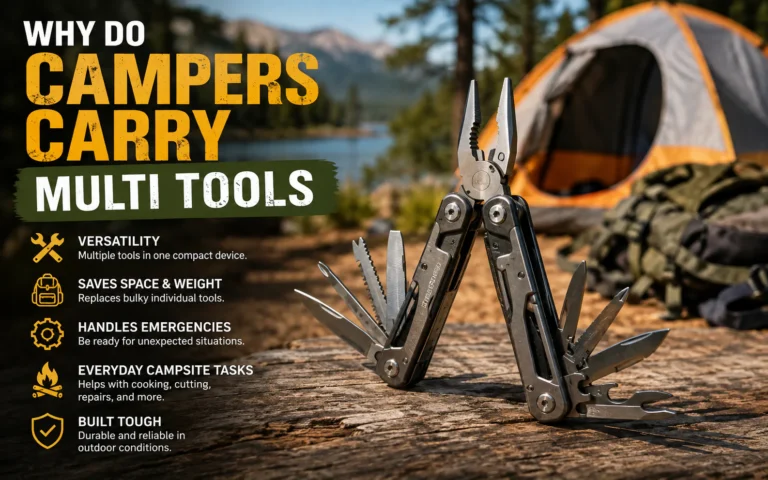 Why Do Campers Carry Multi Tools? Practical Uses in the Field
Why do Campers carry multi tools to handle gear repairs, campsite setup, food prep, and field fixes with minimal weight. Here is why one belongs in…