
How to Avoid Buying Duplicate Tools: A Practical Shop System
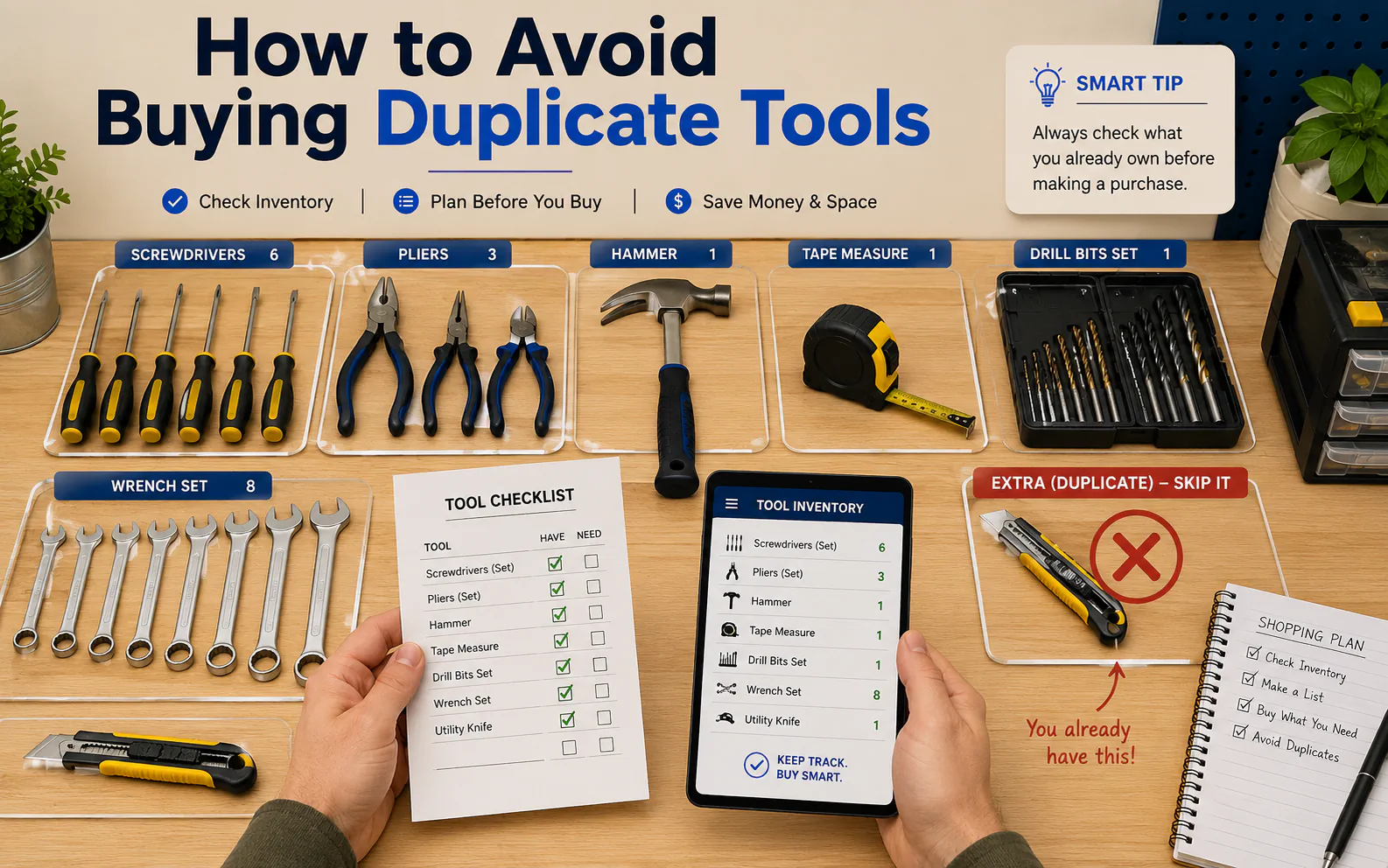
Buying a tool you already own is a frustrating waste of money and workshop space. It usually happens because of a cluttered workspace, a lack of a clear inventory, or buying pre-packaged tool kits that overlap with what you already have on your shelves. To stop this cycle, you need a simple system to track what you own and a strict rule for how you buy new gear.
The most effective way to avoid buying duplicate tools is to organize your workspace for high visibility and create a quick-reference digital inventory. By standardizing your tool types and keeping a visual record on your phone, you can instantly verify what you own before heading to the cash register. Here is a step-by-step system to get your tool collection under control.
How to audit existing tools
- Disorganization is the primary cause of accidental tool purchases.
- Standardizing your tool sets (metric vs. imperial, battery platforms) eliminates compatibility duplicates.
- A simple photo-based inventory on your phone is often more effective than complex software.
- Keep highly misplaced items like 10mm sockets in one designated, brightly colored container.
| Topic | When it helps | What to keep in mind |
|---|---|---|
| Step 1 | Anyone starting their organization journey. | Do not get distracted trying to clean or repair tools during the audit; focus solely on sorting. |
| Step 2 | DIYers looking to expand their power tool collection. | Avoid buying cheap multi-brand combo kits that force you into multiple battery ecosystems. |
| Step 3 | Garages and dedicated workshops. | Deep toolboxes where items pile on top of each other are breeding grounds for duplicates. |
| Step 4 | Mobile DIYers and professionals. | Remember to update the photos whenever you make a major purchase or reorganize. |
Focus on inventory methods workshop
Step 1. Perform a Complete Tool Audit
How to Avoid Buying Duplicate Tools. Gather every tool from your garage, vehicle, junk drawers, and closets into one central location. Group them by category, such as screwdrivers, wrenches, pliers, and power tools. This immediate visual layout will reveal exactly how many duplicates you already own and highlight the gaps in your collection.
- Anyone starting their organization journey.
- Do not get distracted trying to clean or repair tools during the audit; focus solely on sorting.
- Set aside any broken or low-quality duplicates immediately for donation or disposal.
- Time Required – 1 to 2 hours
- Difficulty – Easy
- Cost – Free
Step 2. Standardize Your Tool Ecosystem
Commit to specific systems to avoid buying overlapping sets. For hand tools, decide whether you primarily need metric or imperial sizes, and buy specialized sets rather than massive mixed kits. For power tools, stick to one or two battery platforms so you do not end up buying duplicate chargers and batteries.
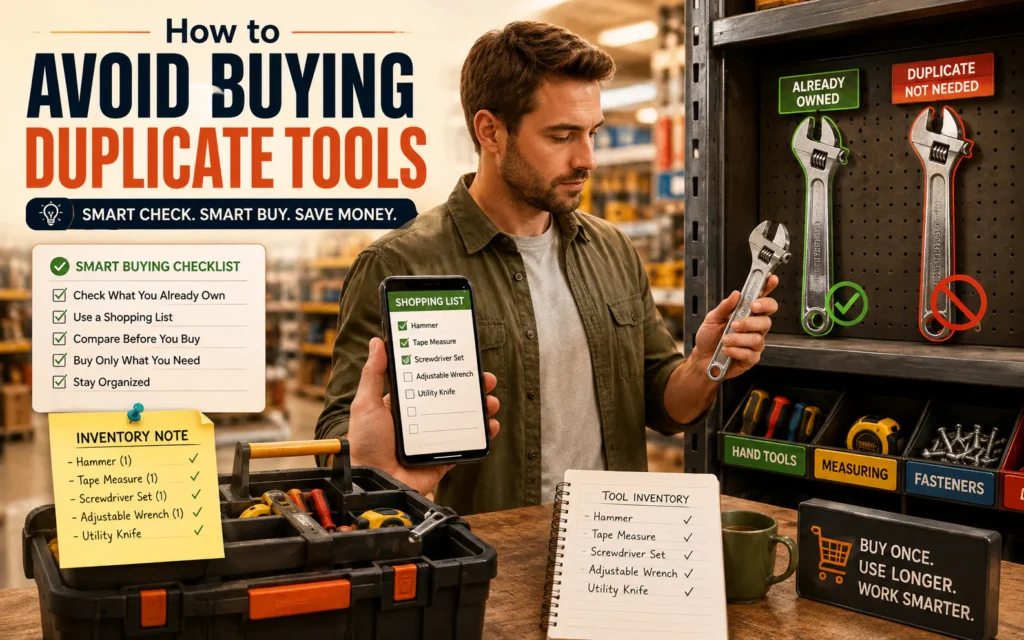
- DIYers looking to expand their power tool collection.
- Avoid buying cheap multi-brand combo kits that force you into multiple battery ecosystems.
- Choose a major battery platform and buy ‘tool-only’ bare tools to save money.
- Time Required – Ongoing
- Difficulty – Medium
- Cost – Saves money over time
Step 3. Organize for Instant Visibility
If you cannot see a tool, you do not own it. Use pegboards, shadow boards, or labeled drawer organizers to give every tool a dedicated home. When a tool is missing, the empty space on the board or in the foam tray acts as an immediate warning sign, preventing you from buying a replacement under the assumption that the original is gone forever.
- Garages and dedicated workshops.
- Deep toolboxes where items pile on top of each other are breeding grounds for duplicates.
- Use high-contrast foam drawer liners to make missing tools stand out instantly.
- Time Required – 3 to 4 hours
- Difficulty – Medium
- Cost – Low to Moderate
Step 4. Create a Visual Phone Inventory
You do not need complex database software to track your tools. Simply take clear, well-lit photos of your organized tool drawers, pegboards, and specialty tool cases. Keep these photos in a dedicated album on your smartphone named ‘My Tools’. When you are at the hardware store, a quick glance at your photos will confirm if you already own that specific wrench size or drill bit set.
- Mobile DIYers and professionals.
- Remember to update the photos whenever you make a major purchase or reorganize.
- Take close-up photos of the size markings on specialized tool sets.
- Time Required – 15 minutes
- Difficulty – Very Easy
- Cost – Free
Understanding the Difference: Good vs. Bad Duplicates
Not all duplicate tools are a waste of money. In some cases, having more than one of the same tool can improve your workflow. For example, having two cordless drills-one fitted with a drill bit and the other with a driving bit-saves you from constantly swapping bits during a project.
The key is to eliminate accidental duplicates that stem from disorganization. These are the tools you buy because you cannot find the original, or because you forgot you already purchased a specific socket set. Understanding which duplicates add value and which ones waste money is the foundation of a smart workshop.
Keeping a cheap tape measure in the kitchen drawer and a high-end one in the workshop is a smart productivity choice. Buying a second orbital sander because you forgot where you put the first one is a wasteful duplicate.
Do not purge useful duplicates that actually save you setup time during complex projects.
- Useful duplicates: Tape measures placed in different rooms, safety glasses, utility knives, and multiple clamps.
- Wasteful duplicates: Specialty pullers, duplicate socket sets, multiple circular saws, and redundant battery chargers.
| Tool Category | Intentional Duplicate (Good) | Accidental Duplicate (Bad) |
|---|---|---|
| Measuring Tools | Tape measures in the garage, truck, and house | Buying a third 25-foot tape because the others are buried in clutter |
| Power Tools | Two drills to avoid swapping bits during assembly | Buying a second cordless sander because you lost the charger for the first |
| Hand Tools | Having both a metric and imperial wrench set | Buying a mixed set that contains duplicate sizes you already own |
| Consumables | Stocking up on common drill bits or driver bits | Buying a whole new bit set just to get one specific size |
How to Build a Low-Maintenance Tool Inventory
Many tool organization systems fail because they require too much upkeep. If your inventory system takes more than a few seconds to update, you will eventually stop using it. Keep your tracking system as simple as possible.
For most homeowners and DIYers, a visual inventory is the easiest to maintain. Group your tools by function, lay them out clearly, and take a high-resolution photo of each drawer or shelf. If you prefer a text-based system, a simple shared note on your phone with a checklist of your major power tools and specialty hand tools works perfectly.
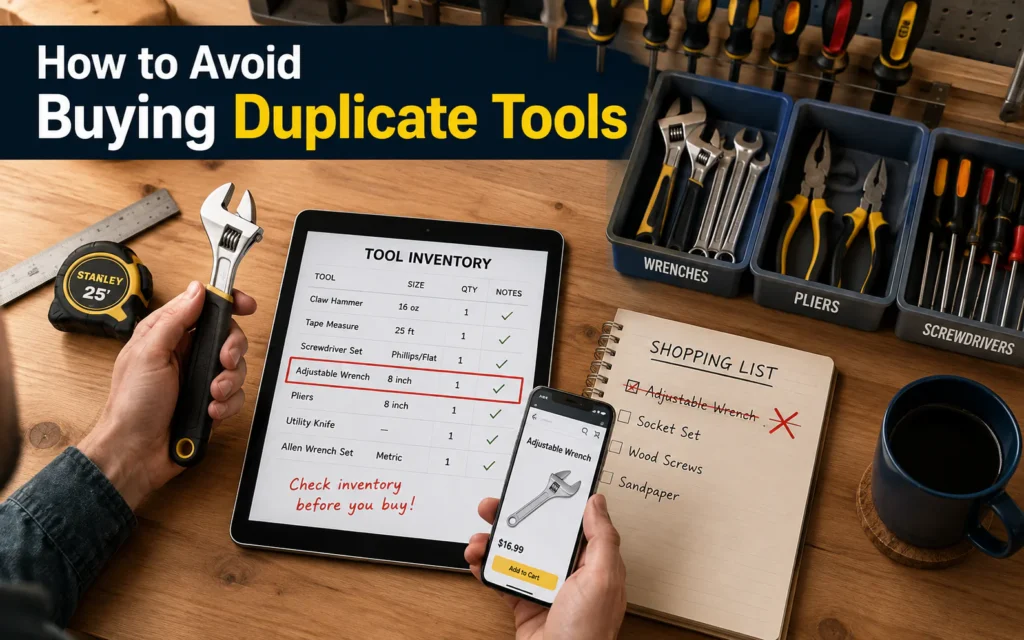
Using a free cloud-based spreadsheet with columns for ‘Tool Name’, ‘Location’, and ‘Date Purchased’, paired with a quick photo of the tool drawer.
Avoid using overly complex inventory apps that require scanning barcodes, as they are too tedious to maintain for a home workshop.
- Create a dedicated photo album on your phone called ‘My Workshop’.
- Take photos of your socket trays, wrench organizers, and power tool shelves.
- Update the photos once a season or whenever you add a major tool to your collection.
- For expensive specialty tools, snap a photo of the serial number and model number for insurance purposes.
Smart Shopping Habits to Stop Duplicate Purchases
Tool manufacturers are excellent at tempting buyers with massive tool kits that promise incredible value. However, these kits often contain basic items you already own, such as standard screwdrivers, pliers, and adjustable wrenches. Before buying a bundle, calculate the cost of buying only the specific tools you actually need.
Another common pitfall is buying a tool for a single, immediate task without checking if a tool you already own can do the job. Multi-tools, oscillating tools, and creative rigging can often save you from buying a highly specialized single-use tool.
Resisting a holiday ‘buy one, get one’ tool bundle when you only need the bare tool, or choosing to buy a single replacement 10mm socket instead of a whole new 40-piece set.
Buying massive tool sets just because they are on sale, which often results in duplicate basic hand tools.
- Implement a 24-hour cooling-off period before purchasing any tool over fifty dollars.
- Buy individual replacement tools (open-stock) instead of entire sets when you lose a single piece.
- Check tool library programs or rental options for highly specialized tools you will only use once.
- Standardize your storage cases so you can instantly see if a slot is empty before leaving a job site.
FAQs
Is it ever beneficial to have duplicate tools?
Yes. Having duplicates of high-use, low-cost items like tape measures, utility knives, safety glasses, and pencils scattered in convenient locations can save you time. Similarly, having two drills set up for different tasks during a project is a common productivity strategy.
What should I do with the duplicate tools I already own?
Sort your duplicates into three categories: keep (for high-use items), donate/sell (for decent quality tools you do not need), and scrap (for broken or low-quality tools). Selling extras on local marketplaces can help fund the storage solutions you need to organize the rest.
How do I avoid buying duplicate sockets and wrenches?
Standardize your storage by using labeled socket rails or trays. When you lose a socket, do not buy a new set. Instead, visit a hardware store that sells individual ‘open-stock’ sockets to replace the exact size you lost.
What is the easiest way to catalog a large tool collection quickly?
The fastest way is to lay your tools out by category on a clean floor or workbench and take high-resolution photos of each group. This visual inventory takes minutes to create and can be easily referenced on your phone while shopping.
Conclusion
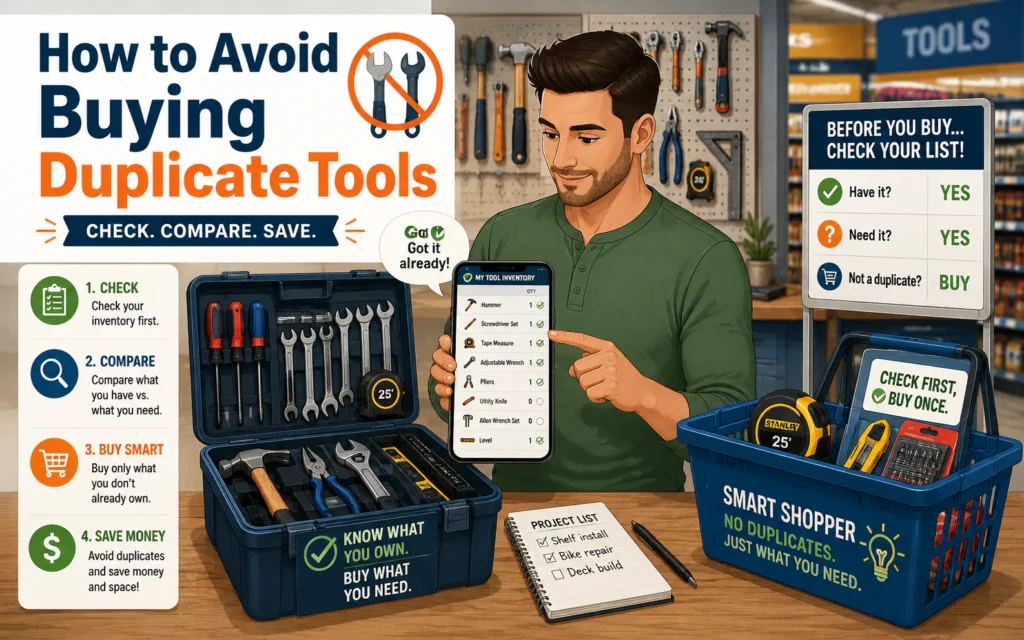
Avoiding duplicate tools does not require a complex database or hours of tedious cataloging. By organizing your workshop so that every tool has a visible, dedicated home, you turn your physical space into its own inventory system. When everything has a place, a missing tool is immediately obvious.
Combine this organized storage with a simple album of photos on your smartphone, and you will always have your workshop inventory in your pocket. The next time you are tempted by a holiday tool sale or a massive combo kit, a quick glance at your phone will keep your budget on track and your workshop free of unnecessary clutter.
Related posts
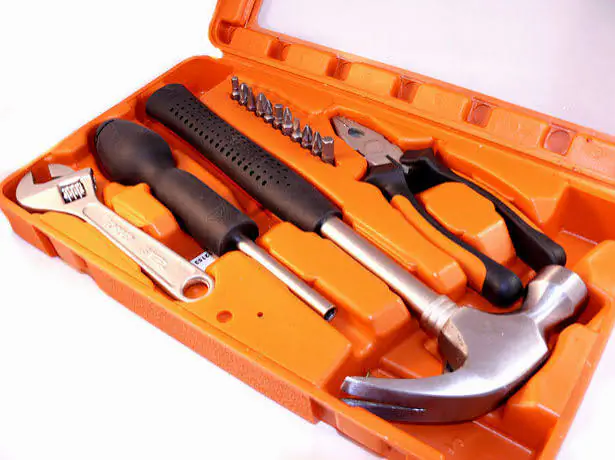 Which Tool Kit Is Worth Buying? How to Choose the Right Set for Your Home
Wondering which tool kit is worth buying? Compare basic household sets, mechanic kits, and power tool combos to find the best tools for your budget and…
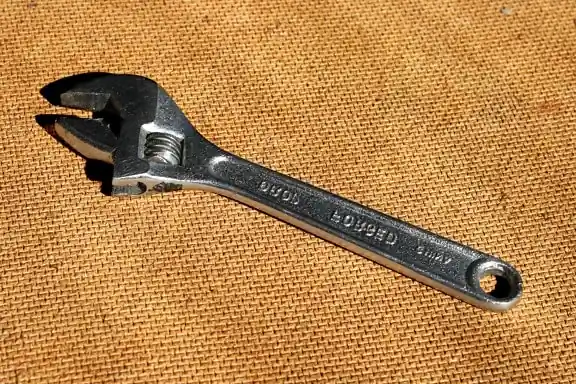 Which Hand Tools Are Made in the USA? Reliable Brands and Buying Rules
Discover which hand tools are still made in the USA. Compare top domestic brands, tool categories, and learn how to verify origin labels before buying. Several…
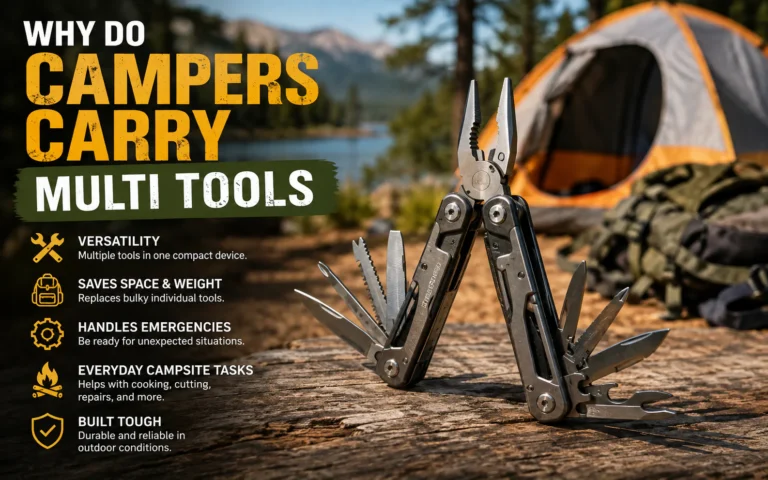 Why Do Campers Carry Multi Tools? Practical Uses in the Field
Why do Campers carry multi tools to handle gear repairs, campsite setup, food prep, and field fixes with minimal weight. Here is why one belongs in…