
What Is A Socket Set
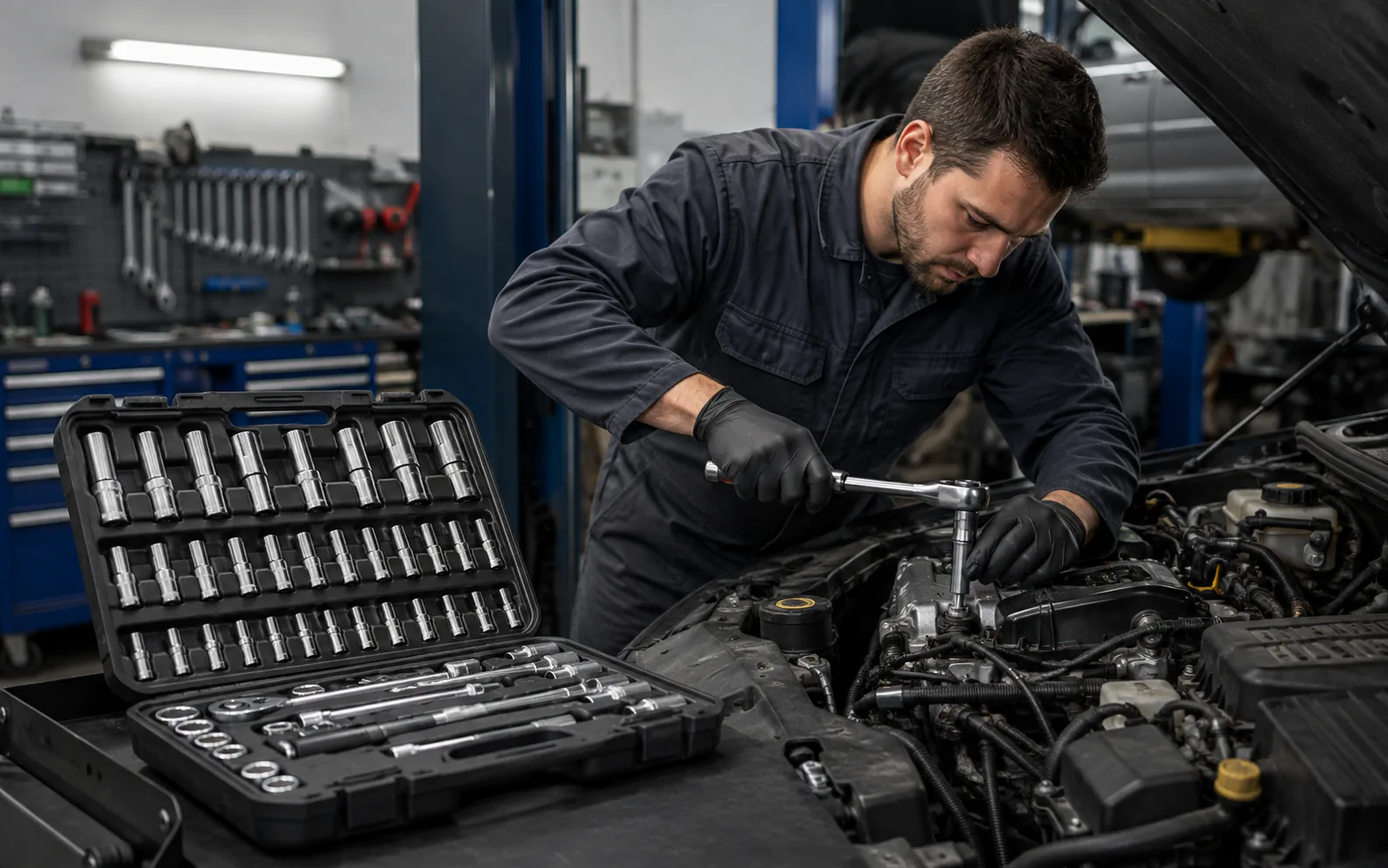
If you have ever asked yourself what is a socket set , this guide is for you. It explains the parts, sizes, types, and uses of socket sets for DIY and professional work. Learn which set fits your needs and how to use it safely.
Have you ever watched someone work on a car or assemble furniture and wondered about that box of shiny metal pieces they keep reaching for? That box is likely a socket set. If you are new to tools or just curious, you have come to the right place. This guide will explain what is a socket set in a simple, clear way. We will look at its parts, sizes, different types, and how to pick the best one for your projects.
A socket set is a collection of tools used to tighten or loosen nuts and bolts. It usually comes in a case or box, keeping everything organized and easy to carry. The main parts include a ratchet handle and many different socket heads. You attach a socket to the ratchet, place it over a nut or bolt, and turn the handle to fasten or unfasten it.
Think of it like having a dozen wrenches in one small kit. Instead of buying a separate wrench for every bolt size, you buy one handle and a set of attachments. That is the simple answer to what is a socket set. It saves space, money, and time.
Why You Need a Socket Set
Socket sets are useful for many tasks. You might use one for:
- Car repairs: Changing tires, fixing engines, or working under the hood.
- Home DIY: Assembling furniture, hanging shelves, or fixing bikes.
- Construction and maintenance: Working on machinery or building projects.
These sets are popular because they are flexible. One set can handle many different sizes of nuts and bolts. This makes them a smart choice for both beginners and experienced workers.
The Basic Parts of a Socket Set
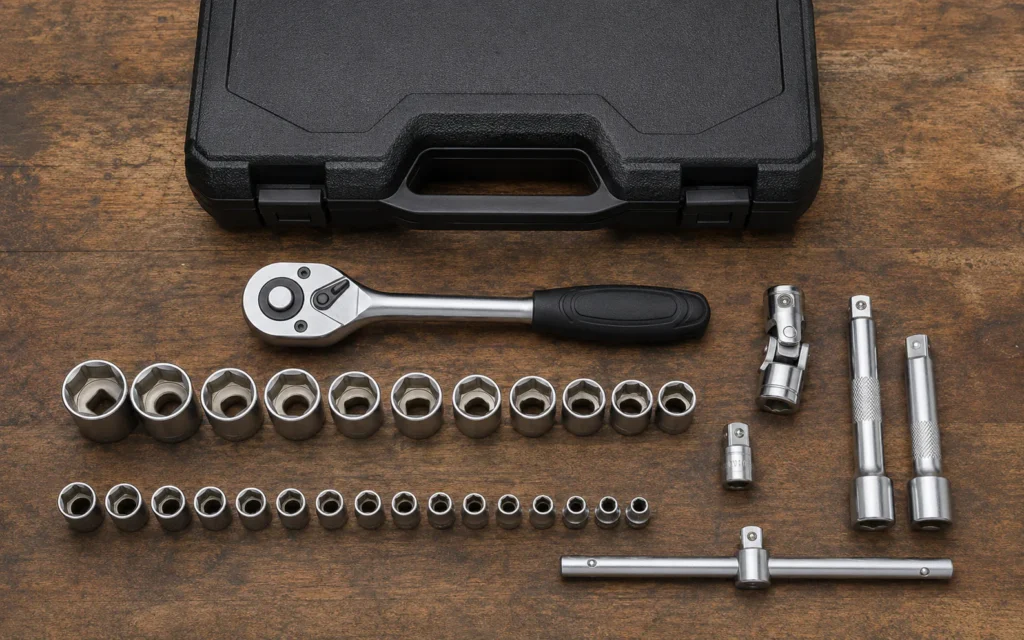
To fully understand what is a socket set, you need to know its parts. Most sets include these key items:
The Ratchet Handle
This is the main handle you hold. It has a special mechanism inside that lets you turn the handle back and forth without taking the socket off the bolt. You turn it one way to tighten, and the other way to loosen. This ratcheting action makes work faster and easier on your hands.
The Sockets
These are the metal pieces that fit over the nuts and bolts. They come in many sizes. One end connects to the ratchet. The other end has a shape that grips the fastener. Sockets are usually made of strong steel like chrome vanadium.
Extensions and Adapters
Many sets include extra pieces. Extensions are bars that add length. They help you reach nuts and bolts in tight or deep spots. Adapters let you use sockets with different drive sizes.
Other Accessories
Some sets also include a universal joint. This is like a swivel that lets you work at an angle. You might also get a breaker bar, which is a long handle for extra leverage on stubborn bolts.
Understanding Socket Sizes
Sockets come in different sizes. You need to know about two types of measurements: drive size and socket size.
Drive Size
The drive size is the square hole on the socket that connects to the ratchet. Common drive sizes are 1/4 inch, 3/8 inch, and 1/2 inch.
- 1/4 inch drive: Good for small, light jobs like electronics or bicycle repairs.
- 3/8 inch drive: The most common size. It works well for general home and auto work.
- 1/2 inch drive: Best for heavy jobs, like car suspension or large machinery.
Socket Size
This is the size of the opening that fits over the bolt or nut. There are two systems:
- Metric: Measured in millimeters (mm). This is common in most modern cars and tools.
- Imperial (SAE): Measured in inches and fractions. This is often used on older vehicles and some American-made products.
A good set usually includes both types, so you are ready for anything.
Points and Shapes
Sockets also differ by the shape of their opening. The most common types are 6-point and 12-point.
- 6-point socket: Has six points of contact with the fastener. It grips better and is less likely to slip or round off the bolt head.
- 12-point socket: Has twelve points. It is easier to place on the bolt but can slip more easily.
Most people prefer 6-point sockets for heavy work because they are safer and stronger.
Types of Socket Sets
Not all sets are the same. They come in different styles for different jobs. Here is a quick look at the main types.
Standard Socket Set
This is what most people think of when they ask what is a socket set. It includes a ratchet and a range of standard-depth sockets. These are great for everyday DIY and light mechanical work. They are often chrome-plated to prevent rust.
Deep Socket Set
Deep sockets have longer walls than standard ones. They are useful for reaching nuts that are on long bolts or in recessed areas. If you work on cars, you will often need deep sockets.
Impact Socket Set
These sockets are made for use with power tools like impact wrenches. They are usually black and made of tougher material. They can handle high torque and vibration without breaking. You should never use standard chrome sockets with power tools, as they can shatter and cause injury.
Specialty Socket Sets
There are also sets for specific tasks.
- Torx bit sets: Used for star-shaped screws, often found in electronics and cars.
- Hex bit sets: For Allen (hex) bolts.
- Spark plug socket sets: Specifically for changing spark plugs in engines.
Comparing Common Socket Set Types
| Type | Best For | Material | Finish |
|---|---|---|---|
| Standard | DIY, light work, general repairs | Chrome vanadium steel | Chrome plated, silver |
| Deep | Reaching long bolts, recessed nuts | Chrome vanadium steel | Chrome plated or black oxide |
| Impact | Power tools, heavy torque, auto repair | Molybdenum steel, tougher alloys | Black oxide, matte finish |
How to Choose the Right Socket Set
Choosing the right set can feel confusing. But it is easier if you think about what you will use it for.
Consider Your Projects
- For basic home use: A 3/8-inch drive set with both metric and SAE sockets is a good start. A set with 30 to 50 pieces will cover most tasks.
- For auto repair: You might need a 1/2-inch drive set with deep and impact sockets. Look for a larger set with many sizes.
- For professional use: You may want a high-quality set from a trusted brand. Look for sets with a warranty.
Think About Quality
Good sockets are made from strong steel. They should have a clean finish and sharp edges that grip bolts well. Cheap sockets can round off bolt heads and make your work harder.
Check the Case
A good case keeps everything organized. It should have labeled spots for each piece. This makes it easy to find the right socket and see if any are missing.
Recommended Socket Sets by Skill Level
| User Level | Drive Size | Pieces | Common Uses |
|---|---|---|---|
| Beginner | 3/8 inch | 20-40 | Furniture, bikes, simple car tasks |
| Intermediate | 3/8 and 1/2 inch | 50-100 | General auto, home renovations |
| Professional | 1/2 inch and larger | 100+ | Heavy machinery, daily shop work |
How to Use a Socket Set Safely
Using a socket set is simple, but safety is important. Here are some tips.
- Pick the Right Socket: Make sure the socket fits the bolt snugly. A loose fit can slip and hurt you.
- Use the Correct Drive: Match the drive size of the socket to your ratchet.
- Turn the Right Way: Most ratchets have a switch to change direction. Make sure you are turning the right way for tightening or loosening.
- Don’t Use Power Tools with Chrome Sockets: This is very important. Chrome sockets can crack or shatter under high torque. Always use impact sockets with power tools.
- Keep Them Clean: Wipe off dirt and grease after use. This keeps them working well and prevents rust.
“A good tool is a long-term investment. A quality socket set will outlast many cheap tools and save you frustration in the long run.” – Tom Silva, General Contractor
The Difference Between a Socket Set and a Wrench
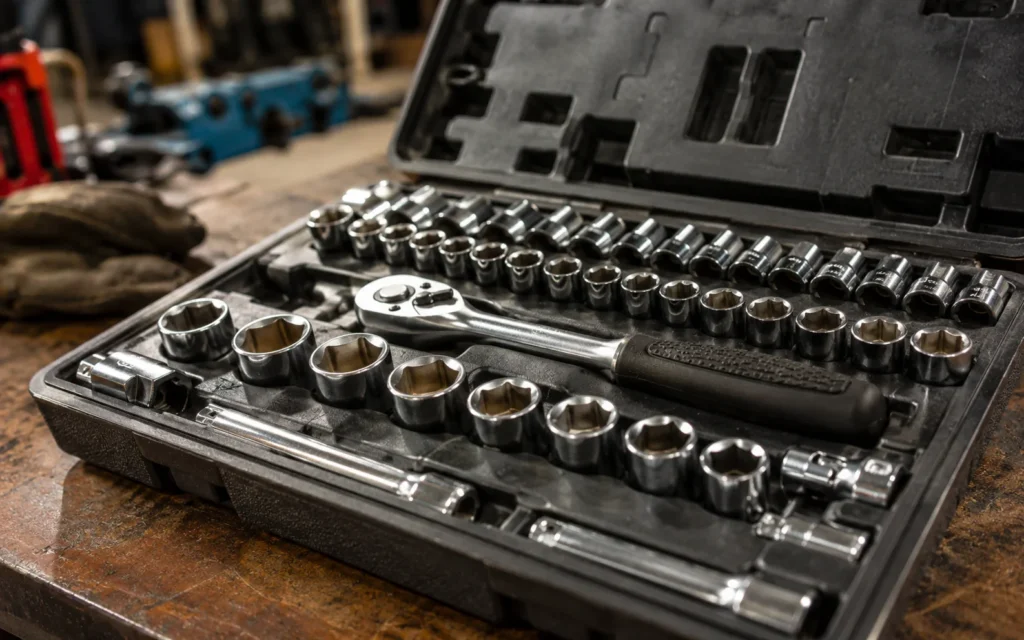
You might wonder, why not just use a wrench? A wrench is a single piece of metal with an open or closed end. It fits one size of bolt. A socket set is much more flexible. One ratchet handle works with many sockets. This means you can carry one handle and a set of sockets instead of many heavy wrenches.
Also, a socket fully surrounds the bolt head. This gives a better grip and reduces the chance of slipping. For tight spaces, a socket with an extension can reach where a wrench cannot.
Caring for Your Socket Set
Your socket set can last for years if you take care of it.
- Store it properly: Keep it in its case. This stops pieces from getting lost.
- Clean after use: Wipe sockets with a clean rag. If they are very dirty, use a degreaser.
- Check for wear: Look for cracks or rounded edges. A damaged socket should be replaced.
- Oil the ratchet: A drop of light oil on the ratchet mechanism keeps it working smoothly.
Common Uses in Everyday Life
Most people use socket sets more often than they think.
- Changing a flat tire: You need a socket to remove the lug nuts.
- Putting together a grill: Many grills come with bolts that need a socket.
- Fixing a lawnmower: Small engine repairs often need sockets.
- Hanging a TV mount: Heavy mounts use large bolts that a socket can handle easily.
“Having the right tool for the job is half the battle. A socket set gives you many tools in one box.” – Martha Stewart, Lifestyle Expert
Frequently Asked Questions
1. What is a socket set?
A socket set is a collection of tools used to tighten and loosen nuts and bolts. It includes a ratchet handle and many interchangeable socket heads of different sizes. It is a flexible and space-saving alternative to owning many individual wrenches.
2. What is the most common drive size for a socket set?
The 3/8-inch drive is the most common and versatile. It works well for many home and auto tasks. For heavier work, you might need a 1/2-inch drive.
3. Can I use a socket set with a power drill?
You can, but you need impact sockets and an adapter. Standard chrome sockets are not safe for power tools. Impact sockets are made to handle the high torque and vibration.
4. What does 6-point and 12-point mean?
It refers to the shape of the socket’s opening. A 6-point socket has six contact points and grips bolts better. A 12-point socket has twelve points and is easier to place on a bolt.
5. Do I need both metric and SAE sockets?
Yes, if you work on different types of equipment. Many modern cars use metric, but older vehicles and some home items use SAE (imperial) sizes.
6. How do I know what size socket to use?
You can try sockets until you find one that fits snugly. Some people use a tool called a caliper to measure the bolt. Many sets also come with a size chart.
7. Are expensive socket sets worth it?
Often, yes. More expensive sets are made of better steel. They last longer and grip bolts better. They are also less likely to round off bolt heads. A good set is a long-term investment.
8. What should I do if a socket is stuck on a bolt?
Do not force it. Try using a breaker bar for more leverage. You can also apply a penetrating oil to loosen rust. If it is still stuck, gently tap the socket with a hammer.
Conclusion
We have covered a lot of ground. Now you know what is a socket set and why it is a must-have tool. It is a collection of sockets and a ratchet handle that helps you work on nuts and bolts. It saves space, gives you many options, and makes tough jobs easier.
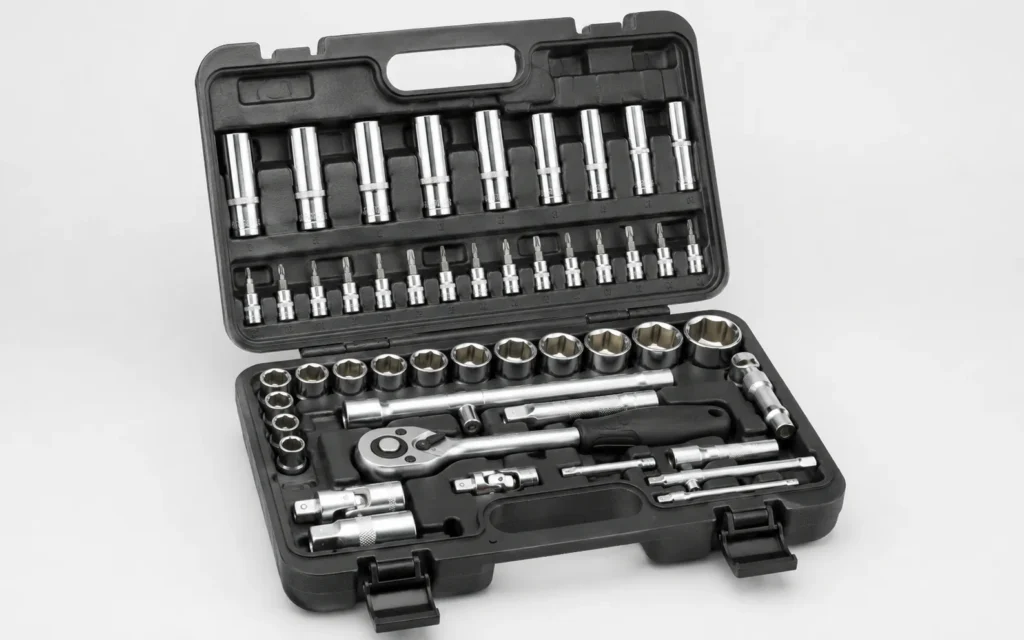
Whether you are a beginner fixing a bike or a professional working on cars, a good socket set is a wise choice. Remember to choose the right size and type for your needs. Always use the correct socket for the job and keep your tools clean.
A socket set is more than just a box of metal pieces. It is a key that opens up a world of DIY and repair possibilities. It gives you the confidence to tackle projects around the house and on your vehicle.
“The work you do with your hands is a reflection of your character. Use good tools, take your time, and do it right.” – Norm Abram, Master Carpenter
So, next time you see that box of sockets, you will know exactly what it is and how to use it. It is a simple tool that makes a big difference. Get yourself a quality socket set and start your projects with confidence. You will be glad you did.
Related posts
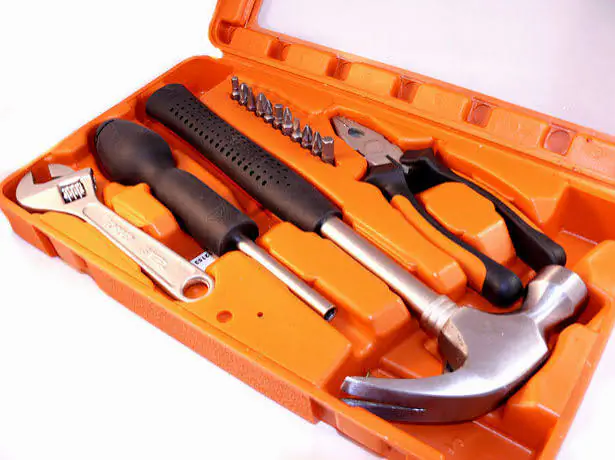 Which Tool Kit Is Worth Buying? How to Choose the Right Set for Your Home
Wondering which tool kit is worth buying? Compare basic household sets, mechanic kits, and power tool combos to find the best tools for your budget and…
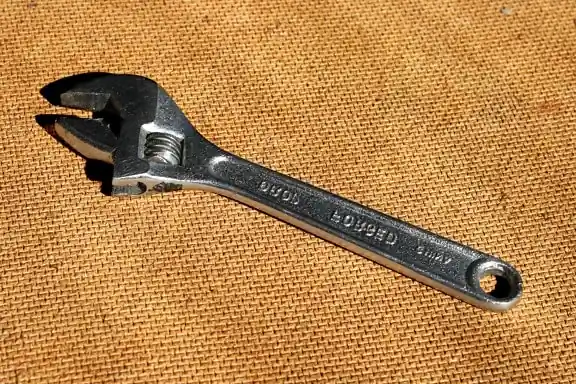 Which Hand Tools Are Made in the USA? Reliable Brands and Buying Rules
Discover which hand tools are still made in the USA. Compare top domestic brands, tool categories, and learn how to verify origin labels before buying. Several…
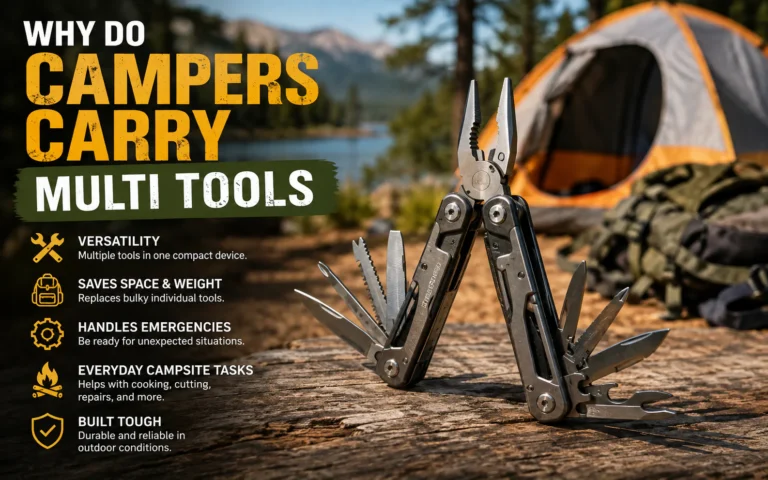 Why Do Campers Carry Multi Tools? Practical Uses in the Field
Why do Campers carry multi tools to handle gear repairs, campsite setup, food prep, and field fixes with minimal weight. Here is why one belongs in…